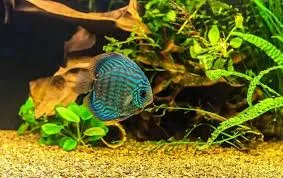
Why Discus Change Color — Causes and Solutions
Discus can turn paler or darker for a variety of reasons. Find out which factors influence discus colors and how to bring out the most vibrant shades.
Why do discus change color?
One of the most common questions discus keepers ask is about color change. Discus are fish that can dramatically alter their appearance depending on several factors.
Main causes
1. Stress
Stress is the number 1 cause of discus paleness. Common sources of stress:
- Recent transport — discus need 3–7 days to settle in
- Aggressive tank mates — the hierarchy is established through intimidation
- Noise or vibrations — an aquarium next to a TV, speakers or a door
- Sudden parameter changes — temperature, pH or TDS altered too quickly
2. Water quality
Dirty water or high nitrates (above 20 ppm) cause general paleness. Discus are excellent indicators of water quality — if they look bad, the water is to blame in 80% of cases.
3. Lighting
Discus intensify their colors under moderate light (6500–8000K). Light that is too strong or too weak fades their shades. A cycle of 8–10 hours of light per day is ideal.
4. Diet
Food directly influences pigmentation:
- Astaxanthin (from brine shrimp, shrimp) intensifies red
- Spirulina intensifies blue and turquoise
- Quality beef heart provides the proteins needed for full color development
5. Age and genetics
Discus fry look completely different from adults. Colors develop progressively, with maximum intensity reached at 12–18 months. Genetics determine the maximum potential — you can't achieve colors the genetics don't allow.
Practical solutions
- Keep the water impeccable — regular water changes of 25–30% every 2–3 days
- Stable temperature — 28–30°C (82–86°F), with no fluctuations
- Adequate lighting — 6500K LEDs, 8 hours/day
- Varied diet — alternate beef heart, premium pellets and live food
- A group of at least 5–6 specimens — solitary discus are permanently stressed
- A dark substrate or no substrate — a light background fades their colors
When to worry
If the color change is accompanied by:
- Refusing food for more than 3 days
- Rapid breathing
- Excess mucus on the body
- Isolation from the group
...then the cause may be a disease and it needs to be investigated urgently. Check our complete guide to common discus problems to identify the symptoms and act quickly.
Golden rule: A happy, healthy discus will always display the most beautiful colors. Focus on comfort, not on quick tricks.
Recommended products based on this article
Mentioned equipment, available in the discus.ro shop
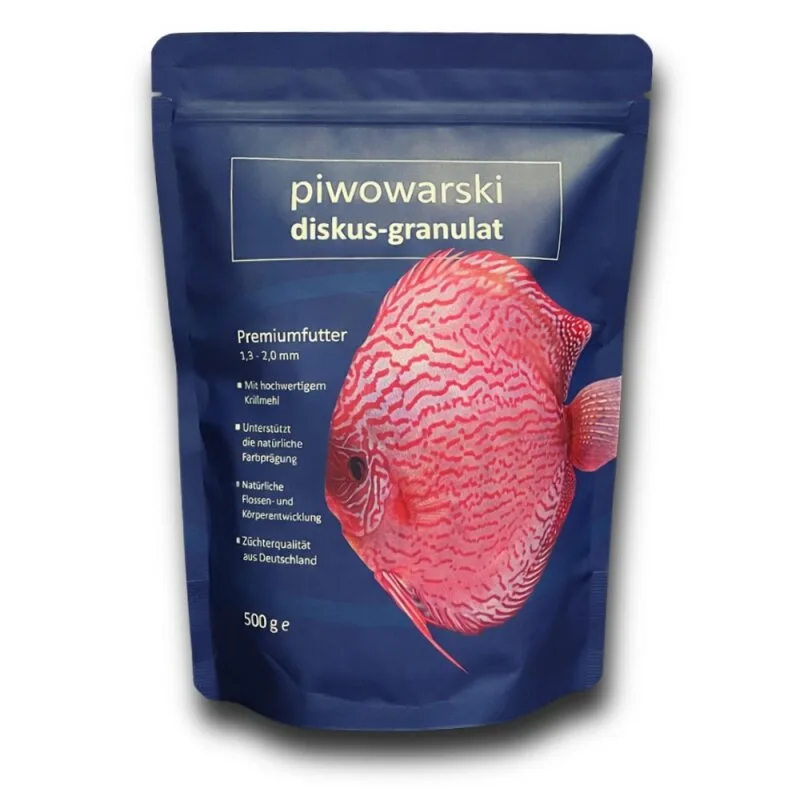
The selection is automatic, based on the equipment and products mentioned in the article. Prices and availability may vary.