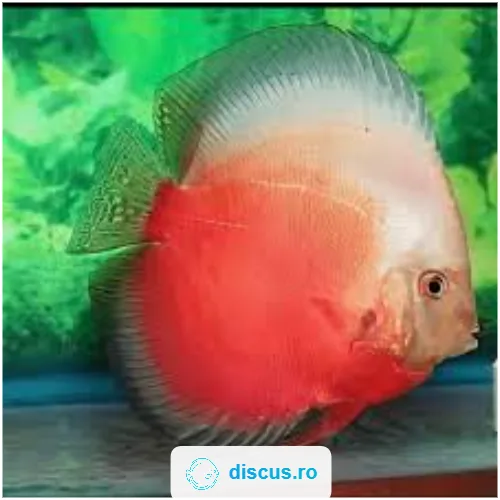
Red White
Symphysodon sp.
Description
The Red White variety represents one of the most spectacular achievements in bicolor discus breeding, offering a vibrant contrast between pristine white areas and intense red-orange hues. This fish does not have a fixed pattern, but rather an unpredictable color distribution that turns each specimen into a unique collector's piece. Due to their bright and distinctive appearance, these discus are highly valued in competitive aquaristics and modern setups, catching the eye through the elegance and naturalness with which the colors intermingle on their round and well-proportioned body.
🌍 Origin & History
Red White emerged as a result of rigorous selection by Asian breeders, being a product of complex crosses involving Pigeon Blood genes and white specimens. This variety was perfected over several generations to stabilize the bicolor contrast. Although it does not originate from the wild, its history reflects the success of modern artificial selection techniques, turning specific genetic traits into highly prized phenotypes, quickly becoming a constant presence in the aquarium hobby due to its unmistakable aesthetic appearance.
Appearance
These discus are noted for their robust body conformation and an almost total absence of vertical stress bars, a trait typical for descendants with Pigeon Blood genes. The coloration is split between pure white zones and red-orange patches or extended areas. The eyes are often red, but specimens with white irises can also appear. The lack of uniformity in the pattern gives each fish its own visual identity, and the wide, disc-shaped body highlights the dramatic chromatic spectacle that defines this variety.
🧬 Genetic background
The genetics of the Red White variety is based on the inheritance of the Pigeon Blood gene, responsible for the red-orange pigment, combined with depigmentation factors derived from Snow White or Albino lineages. The complex interaction between these genetic markers determines the random color distribution, a phenomenon known as genetic mosaicism. During the growth process, the variable genetic heritage explains why fry from the same batch can show significant color variations, making line stabilization a difficult and fascinating endeavor for breeders.
Recommended water parameters
Care
Care requires optimal conditions: temperatures between 28-30°C and a pH maintained between 6-7. Efficient biological filtration and weekly partial water changes of 25-30% are essential to prevent nitrate buildup. These fish are social and require a group of at least 6 individuals to reduce stress. Feeding must be varied, including quality frozen food and granules rich in astaxanthin to intensify the red shades. They are compatible with small, peaceful species that tolerate the high temperatures specific to the discus environment.
Breeding
Breeding is challenging, with the fry exhibiting high genetic variability regarding color distribution. Only a small fraction of the generation will reach the optimal aesthetic standard. Rigorous selection of parents with the best white-to-red ratio is crucial to maintain the visual quality of the line. Water conditions must be very soft and slightly acidic for spawning success. Constant monitoring of the fry during growth is recommended, as pigmentation development is significantly influenced by the quality of the environment and nutrition provided in the first months of life.
💡 Practical tips
- →Keep water very clean for vibrant colors.
- →Feed with astaxanthin sources for intense red.
- →Each specimen has a unique chromatic pattern.
- →Avoid stress by keeping in groups of at least 6.
- →Perform regular water changes without exception.
- →Monitor fry growth for optimal selection.
Related guides
Articles relevant to you
Useful tools
Quick aquarium calculators
Other varieties in the Grey group
Products for this variety
Filters, food, tests and treatments for discus
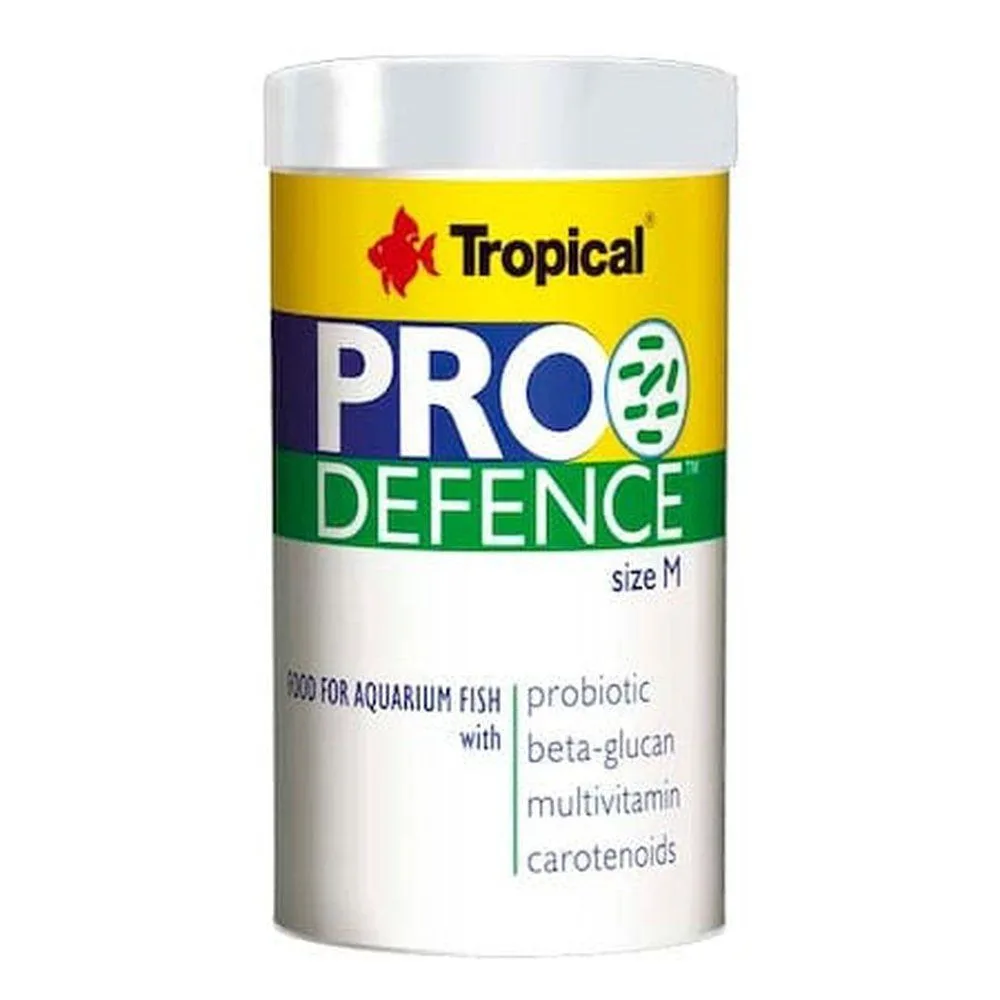
Granulated Probiotic Food for Freshwater Fish, Tropical ProDefence M, 44g/100 ml
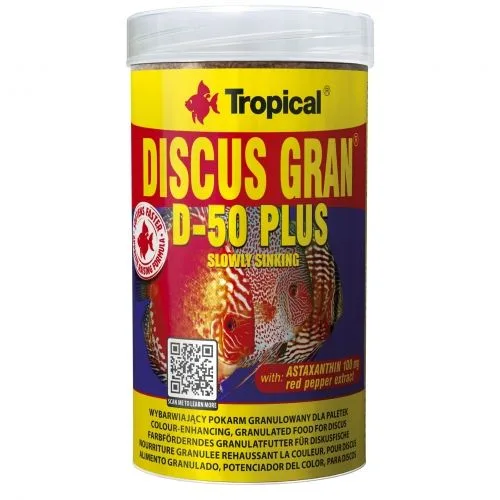
Granulated Food for Discus, Tropical, Discus Gran D-50 Plus, 44 g/100 ml
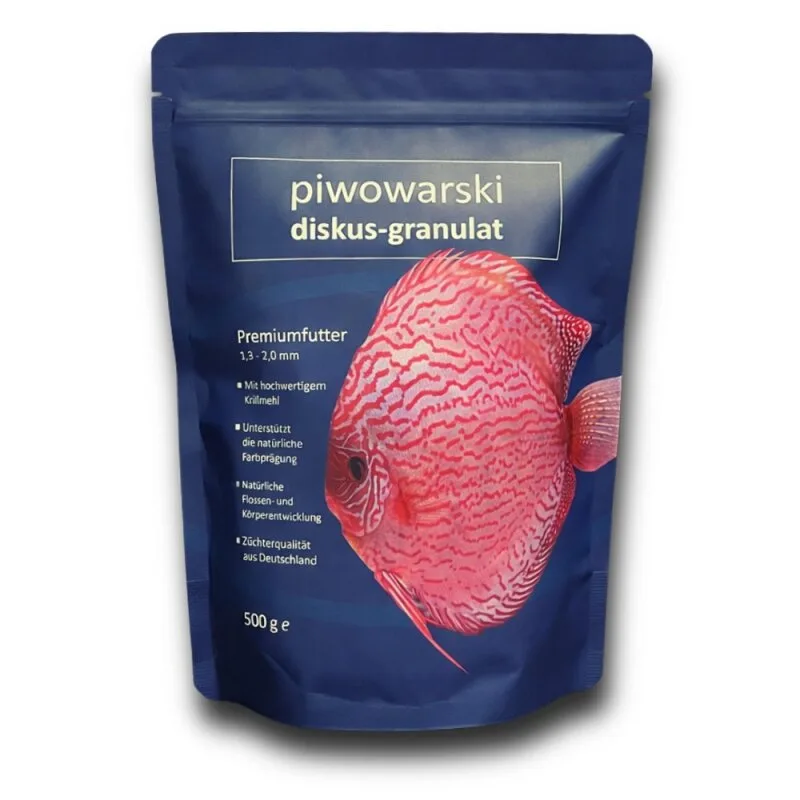
Discus Fish Granules - Piwo - granules 1.3–2 mm - 500g

Hikari Discus Bio Gold 80 g
Catappa Leaves, Sera Catappa Leaves - M

Bacteria Culture Additive, Seachem Stability, 1 L

Aqua Medic Premium Line Reverse Osmosis System

ARKA AQUATICS myAQUA 1900 Reverse Osmosis System

ARKA myAqua380 Reverse Osmosis System

Seachem Stability - Aquarium Biological Stabilizer 250 ml