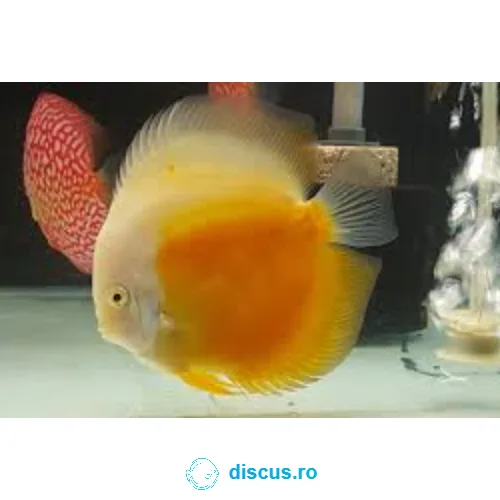
Yellow White
Symphysodon sp.
Description
The Yellow White variety is a fascinating color morph within the grey group, serving as the yellow version of the famous Red/White bicolor. This discus fish impresses with the delicate contrast between golden-yellow and white areas, distributed irregularly across the body. Due to its bright appearance and the absence of vertical bars, this discus is highly valued in show-type aquariums. Mature specimens can reach considerable sizes, becoming the centerpiece of any well-maintained community tank, offering a unique visual elegance through their distinctive coloration.
🌍 Origin & History
The Yellow White variety appeared on the aquarium market in the late 90s, developed in parallel with the Red/White series. This genetic selection resulted from breeders' desire to refine light-colored lines, combining traits from Golden or Yellow Crystal specimens with influences from Snow White or Albino lines. Its origin is strictly linked to intensive selective breeding efforts in specialized Asian farms, which aimed to achieve a pure and balanced chromatic contrast.
Appearance
The Yellow White displays a round-shaped body, decorated with alternating areas of intense yellow and pure white. Unlike other varieties, this fish shows no visible vertical bars on its flanks, giving it a clean and bright appearance. The eyes are typically white or slightly orange, harmoniously completing the overall coloration. The color distribution is unique to each specimen, with no two fish being identical. Adult size ranges between 13 and 17 centimeters, offering an imposing presence in the aquarium.
🧬 Genetic background
Genetically, the Yellow White originates from the selective crossing of Golden or Yellow Crystal types with Snow White or Albino varieties. Its inheritance carries recessive genes that determine the lack of black pigment (absence of stress bars), allowing for the prevalence of yellow and white shades. The bicolor pattern is the result of complex color gene combinations, which causes offspring to vary significantly regarding the ratio and distribution of shades between parents and their fry.
Recommended water parameters
Care
Care requires rigorous attention to water quality, maintaining a pH between 6 and 7 and a constant temperature between 28 and 30 degrees Celsius. They are sensitive fish that require weekly 30-50% water changes to prevent nitrate accumulation. The diet must be varied, based on high-quality food, including carotenoid-rich mixes to maintain the yellow hue. They are peaceful fish, ideal for community aquariums, and are compatible with species that accept high temperatures, such as large tetras or corydoras.
Breeding
Breeding the Yellow White variety is a challenge, as offspring may show high variability in color distribution. Selecting parents with the most pronounced yellow shades is essential to obtain quality fry. The process requires a dedicated aquarium with very stable water parameters, where the pair lays eggs on vertical surfaces. Success rate depends on the quality of live food provided to the parents and maintaining impeccable hygiene to ensure proper fry development in the first weeks of life.
💡 Practical tips
- →Each specimen has a unique color distribution.
- →Keep the temperature constant between 28 and 30 degrees.
- →Avoid stress to maintain bright coloration.
- →Provide diverse food with added carotenoids.
- →Regular water changes are mandatory for health.
- →Variety officially introduced to the market in 1998.
Related guides
Articles relevant to you
Useful tools
Quick aquarium calculators
Other varieties in the Grey group
Products for this variety
Filters, food, tests and treatments for discus
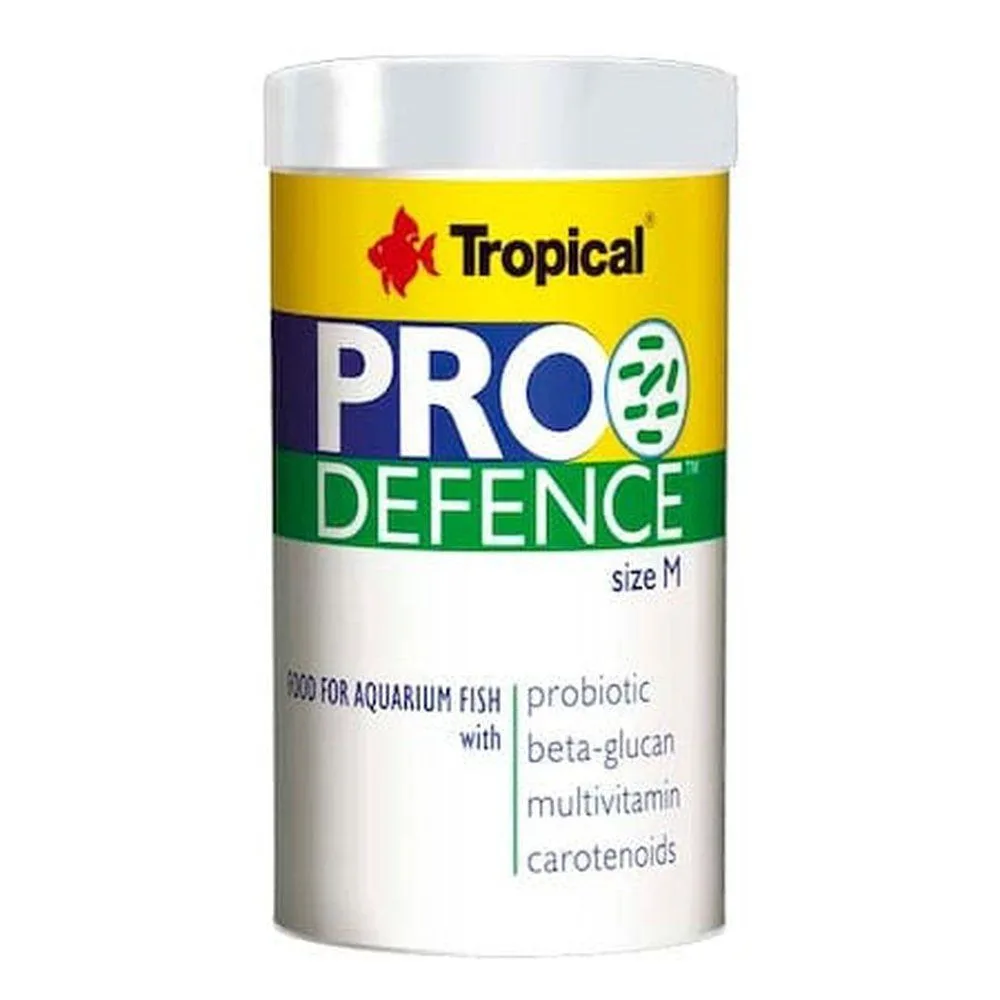
Granulated Probiotic Food for Freshwater Fish, Tropical ProDefence M, 44g/100 ml
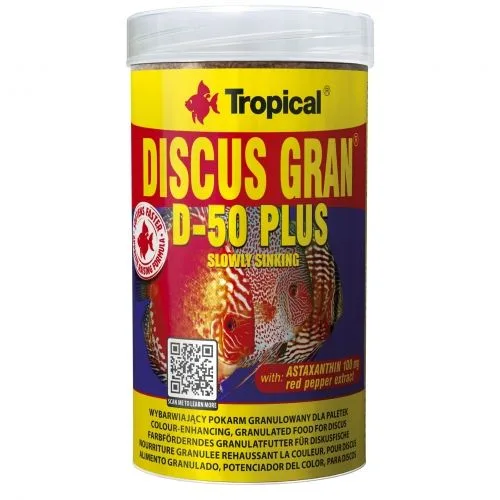
Granulated Food for Discus, Tropical, Discus Gran D-50 Plus, 44 g/100 ml
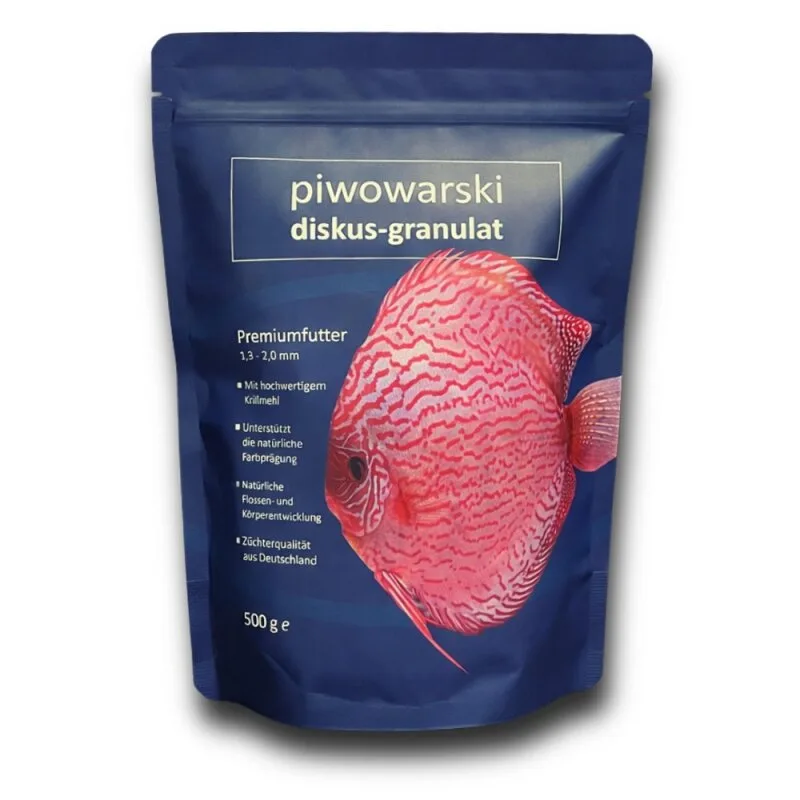
Discus Fish Granules - Piwo - granules 1.3–2 mm - 500g

Hikari Discus Bio Gold 80 g
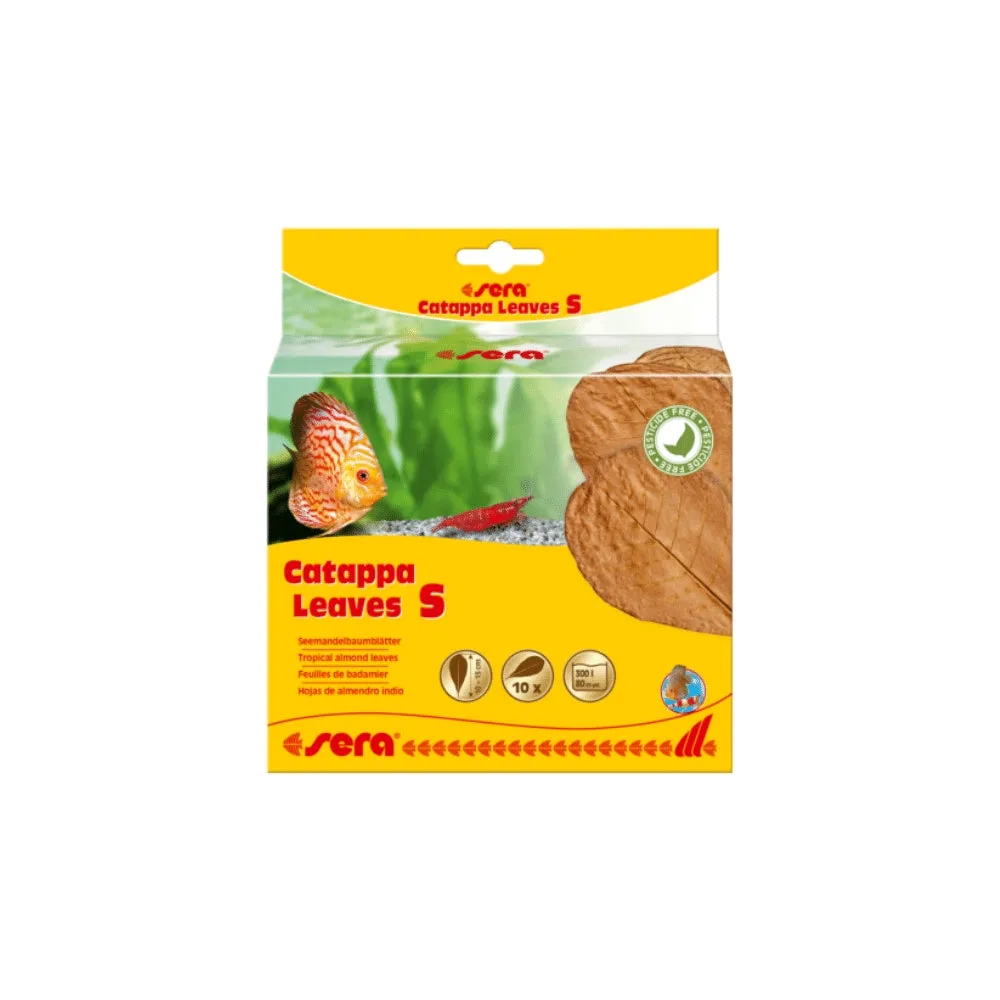
Catappa Leaves, Sera Catappa Leaves - M

Bacteria Culture Additive, Seachem Stability, 1 L

Aqua Medic Premium Line Reverse Osmosis System

ARKA AQUATICS myAQUA 1900 Reverse Osmosis System

ARKA myAqua380 Reverse Osmosis System

Seachem Stability - Aquarium Biological Stabilizer 250 ml