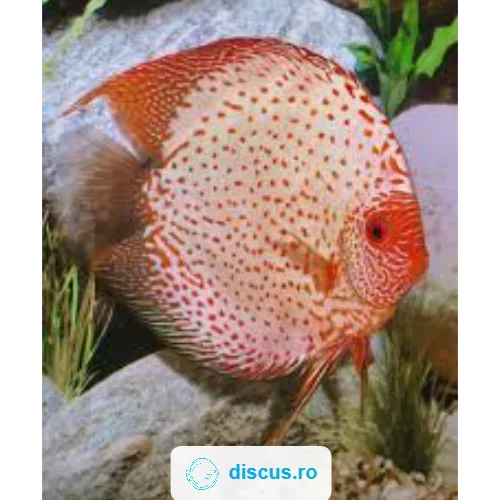
White Leopard
Symphysodon sp.
Description
The White Leopard variety represents an elegant selection of Symphysodon, recognized for its refined and subtle appearance. These discus are distinguished by a remarkable visual contrast, featuring an immaculate cream-white body covered in leopard-like spots that are less saturated than in classical forms. Due to their bright coloring and harmonious body structure, these fish bring a touch of distinction and freshness to any well-maintained community aquarium, being considered collector's specimens valued by hobbyists who seek chromatic refinement and a modern aesthetic in their aquaristics.
🌍 Origin & History
The White Leopard emerged through selective cross-breeding processes between light-background varieties, such as Snow White or Albino forms, and Leopard discus. This genetic endeavor aimed to fix the specific traits of the spotted pattern onto a body with reduced pigmentation. There is no wild geographical origin, as it is exclusively a creation of professional discus breeders who sought to obtain a distinct morphology through controlled genetic improvement in captivity.
Appearance
White Leopard features a round body, specific to the Symphysodon genus, with a cream-white base coloration that radiates clarity. The brown or orange spots, specific to the leopard pattern, are evenly distributed, providing a delicate spotted look. Depending on the genetic line, the eyes can be white or red, a trait that reveals the presence of the albinism gene. The fins are usually transparent or slightly pigmented, maintaining the ethereal appearance of the fish. Adult size frequently reaches between 13 and 17 cm, having an imposing presence in the aquarium.
🧬 Genetic background
The genetics of this fish result from the combination of Snow White or Albino type genes with those of Leopard varieties. It manifests through the suppression of melanin on the body, which creates the white background, while the genes responsible for the leopard spots are maintained in a less intense form. It is a selective mutation that requires stable genetic lines to avoid the complete fading of the spots on the light background.
Recommended water parameters
Care
Maintenance requires increased attention to water quality, as it is a variety sensitive to fluctuations. Ideal parameters are pH between 6 and 7, with a constant temperature of 28-30°C. Weekly water changes of 20-30% are necessary to keep nitrates low. The diet should be varied, including frozen food, high-quality pellets, and brine shrimp. They are schooling fish, and keeping groups of at least 5-6 individuals is recommended to reduce stress. Compatible with peaceful small or medium-sized species, such as tetras, in aquariums with abundant vegetation.
Breeding
Breeding is difficult and requires experience, as pairs can be selective in choosing a partner. Spawning occurs on vertical surfaces in a dedicated breeding tank with very clean, slightly acidic water. Parents can exhibit cannibalistic behavior if stressed, so monitoring is essential. The fry survival rate critically depends on the quality of live food provided during the first weeks and the excellent biological filtration of the rearing tank.
💡 Practical tips
- →Keep the temperature constant to avoid diseases
- →Provide a diet rich in carotenoids for the spots
- →Ensure strong and stable biological filtration
- →Avoid stress by providing hiding spots
- →Frequently monitor water quality with dedicated tests
- →Purchase only specimens from authorized breeders
Related guides
Articles relevant to you
Useful tools
Quick aquarium calculators
Other varieties in the White Leopard group
Products for this variety
Filters, food, tests and treatments for discus
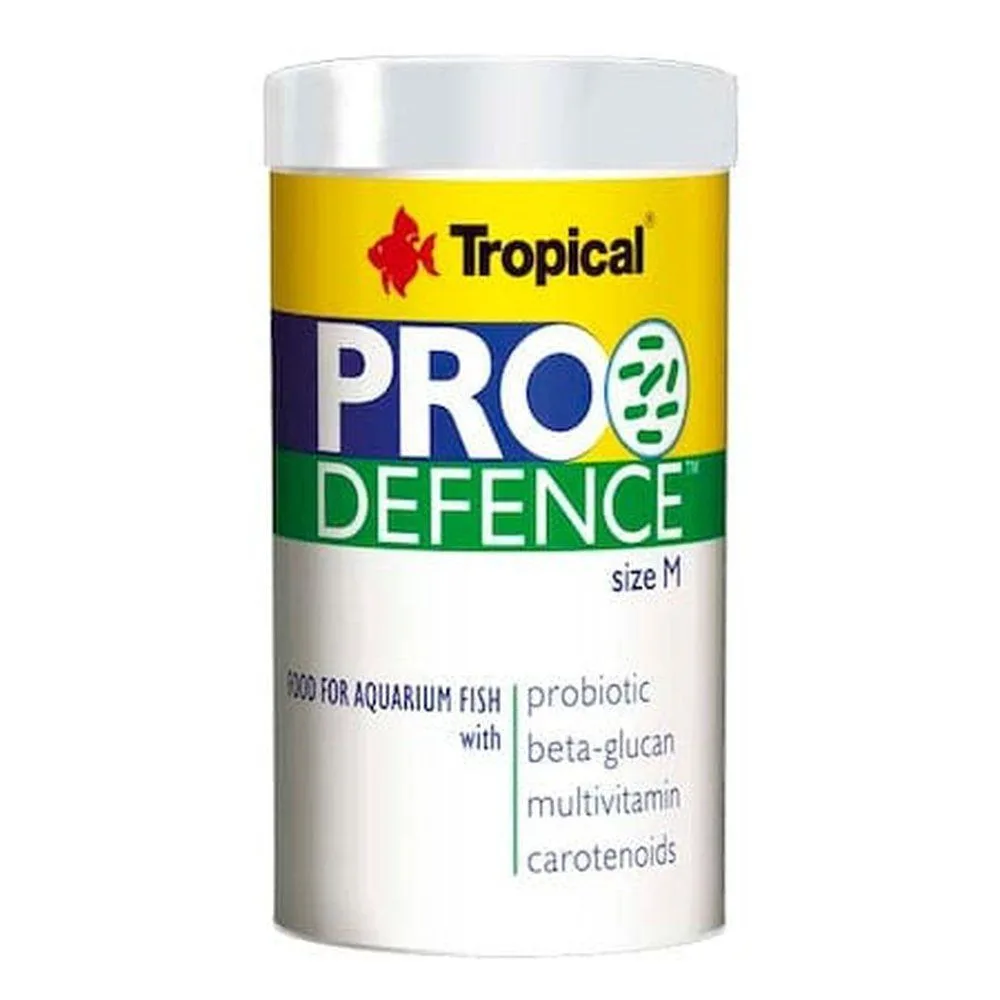
Granulated Probiotic Food for Freshwater Fish, Tropical ProDefence M, 44g/100 ml
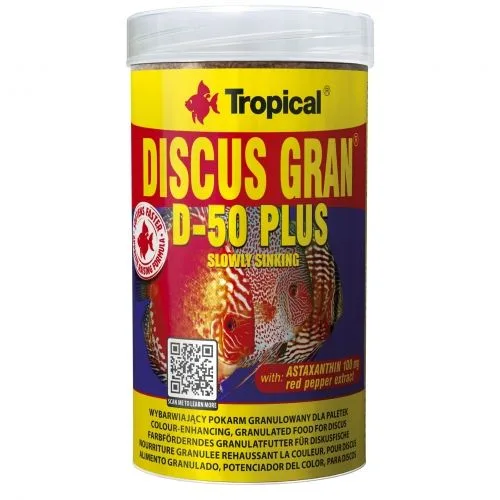
Granulated Food for Discus, Tropical, Discus Gran D-50 Plus, 44 g/100 ml
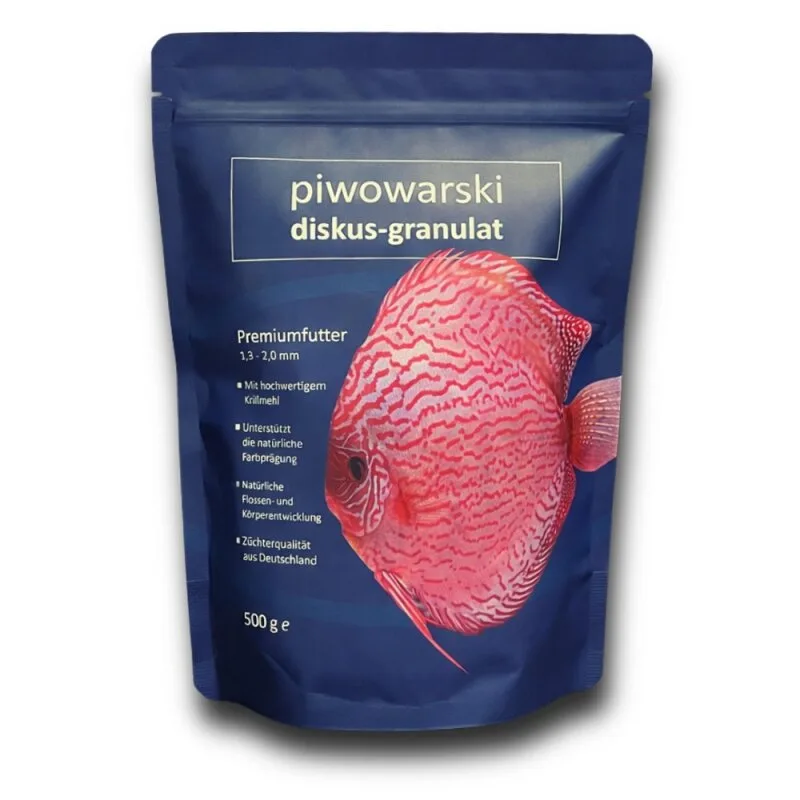
Discus Fish Granules - Piwo - granules 1.3–2 mm - 500g

Hikari Discus Bio Gold 80 g
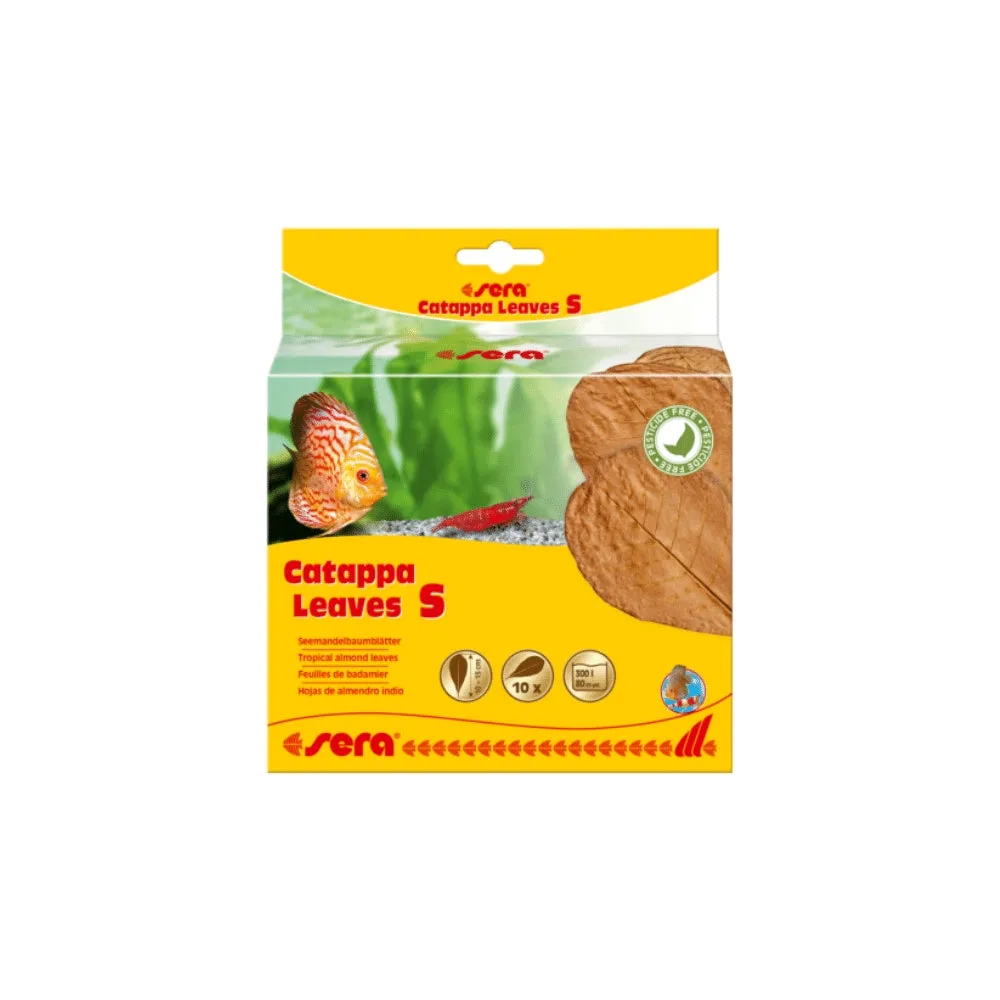
Catappa Leaves, Sera Catappa Leaves - M

Bacteria Culture Additive, Seachem Stability, 1 L

Aqua Medic Premium Line Reverse Osmosis System

ARKA AQUATICS myAQUA 1900 Reverse Osmosis System

ARKA myAqua380 Reverse Osmosis System

Seachem Stability - Aquarium Biological Stabilizer 250 ml