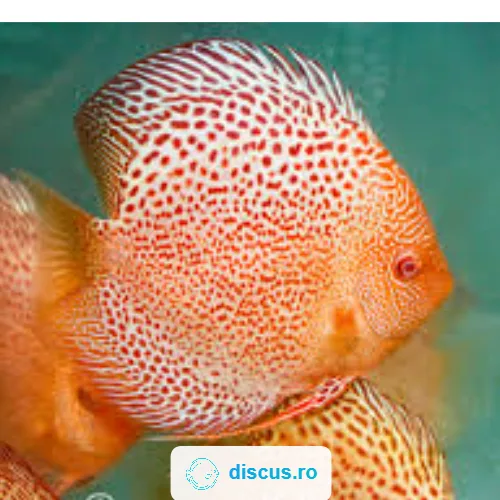
White Leopard Snake
Symphysodon sp.
Description
The White Leopard Snake variety represents a sophisticated genetic selection of the genus Symphysodon, combining the elegance of white coloration with the visual complexity of the Snakeskin pattern and Leopard spots. These discus fish are prized for the spectacular contrast between the creamy-white background and the dense pattern covering the body, creating a refined and unconventional look. It is a highly sought-after specimen in modern aquaristics, considered a centerpiece for any collector due to the rare combination of chromatic purity and complex body graphics.
🌍 Origin & History
The White Leopard Snake is the result of a complex hybrid selection program, combining the genetic traits of the White, Leopard, and Snakeskin varieties. Although the exact origins of these hybrids result from selective breeding lines in aquariums, they retain the core traits of wild species from the Amazon basin, adapted to captive conditions to maintain the purity of the white background and the density of spots throughout their lifespan.
Appearance
The White Leopard Snake impresses with a circular silhouette, typical of the species, featuring an immaculate creamy-white background overlaid with fine, net-like lines (Snakeskin) and punctiform spots (Leopard). The eyes are often white or red, adding an additional element of contrast. The pattern is evenly distributed on the flanks, and the fins may exhibit translucent hues or fine dots. The intensity of these markings varies depending on health and water conditions, offering a dynamic visual appearance that is highly attractive to the observer.
🧬 Genetic background
The genetics of this discus rely on the interaction between recessive genes for white coloration (Snow White or albino variants) and dominant genes for the Leopard and Snakeskin pattern. Producing a specimen with well-defined spots on a completely white background requires rigorous selection of breeding pairs to eliminate unwanted black pigment or off-colored spots.
Recommended water parameters
Care
Care requires strict conditions: temperature between 28-30°C and pH between 6-7. They are gregarious fish that prefer spacious aquariums with strong biological filtration. Weekly 30% water changes are essential to maintain health and pattern brilliance. They prefer a varied diet composed of quality pellets, frozen food (brine shrimp, bloodworms), and homemade mixes based on beef heart. They are peaceful, compatible with small or medium Amazonian fish, but must be monitored to avoid stress caused by competition for food.
Breeding
Breeding is considered very difficult, requiring mature pairs specifically selected for pattern clarity. Success depends on water quality, which must be very soft and slightly acidic during spawning. Parents are highly protective, but fry survival depends on proper feeding with newly hatched brine shrimp and maintaining impeccable hygiene in the rearing tank to prevent diseases that could affect the uniform development of the pattern.
💡 Practical tips
- →Maintain a constant temperature of 29°C.
- →Avoid sudden pH fluctuations.
- →Feed the fish small portions 3 times a day.
- →Monitor water quality with weekly tests.
- →Ensure silent filtration without strong currents.
- →Select specimens with well-defined spots.
Related guides
Articles relevant to you
Useful tools
Quick aquarium calculators
Other varieties in the White Leopard group
Products for this variety
Filters, food, tests and treatments for discus

Granulated Probiotic Food for Freshwater Fish, Tropical ProDefence M, 44g/100 ml

Granulated Food for Discus, Tropical, Discus Gran D-50 Plus, 44 g/100 ml
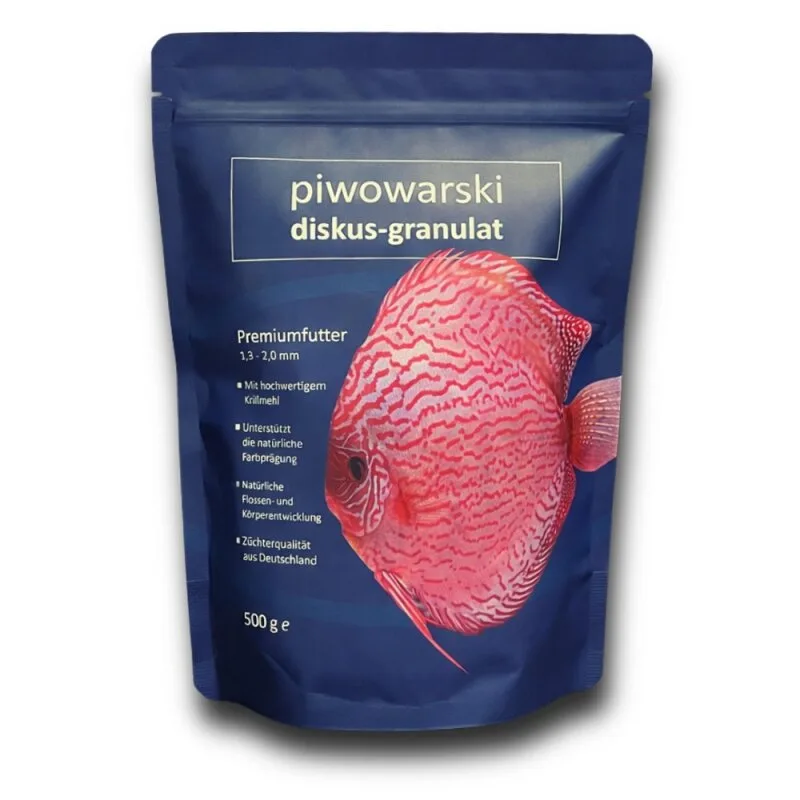
Discus Fish Granules - Piwo - granules 1.3–2 mm - 500g

Hikari Discus Bio Gold 80 g
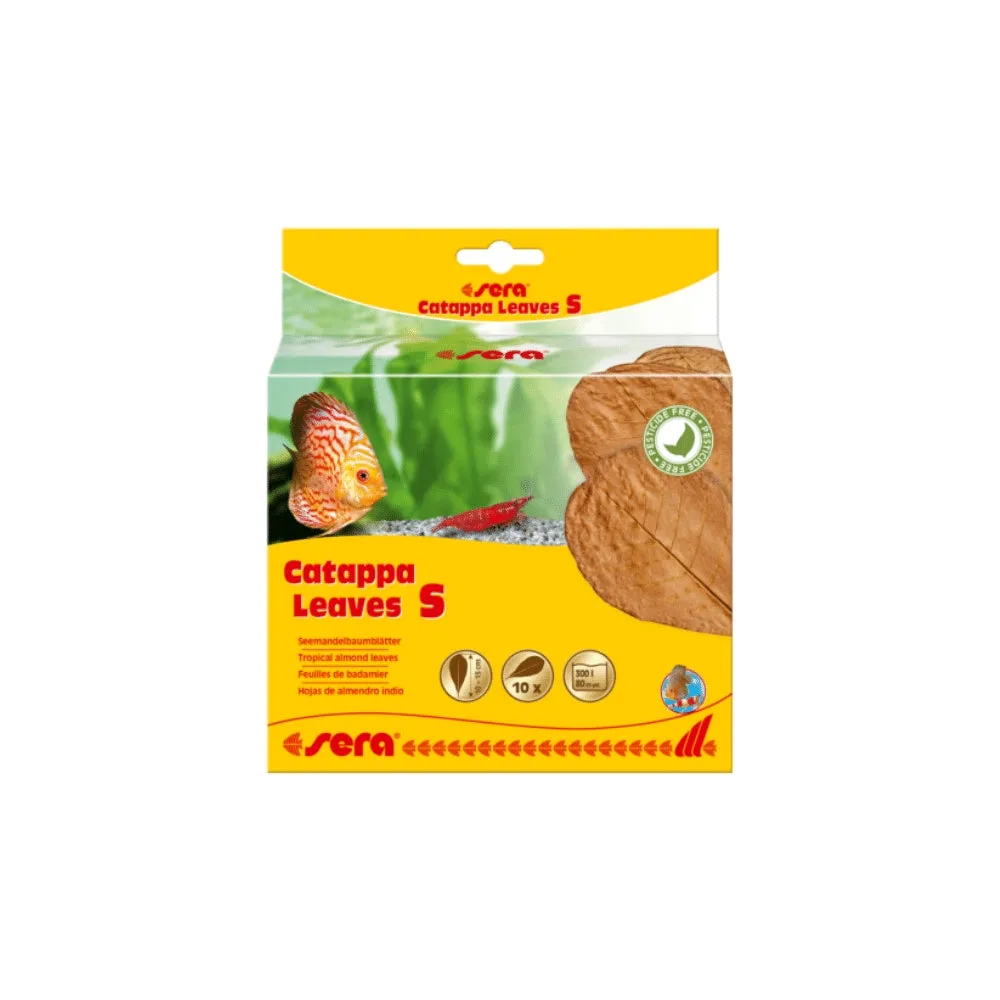
Catappa Leaves, Sera Catappa Leaves - M

Bacteria Culture Additive, Seachem Stability, 1 L

Aqua Medic Premium Line Reverse Osmosis System

ARKA AQUATICS myAQUA 1900 Reverse Osmosis System

ARKA myAqua380 Reverse Osmosis System

Seachem Stability - Aquarium Biological Stabilizer 250 ml