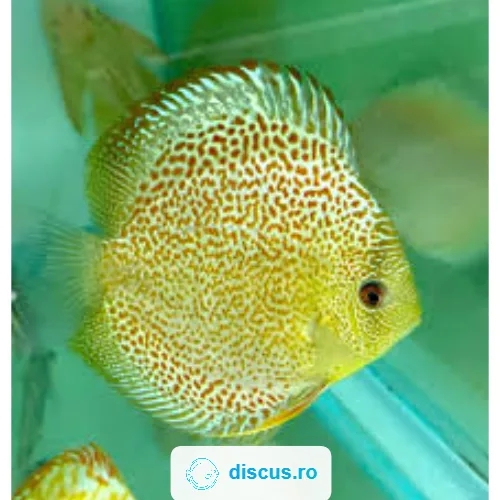
Spotted Snake
Symphysodon sp.
Description
The Spotted Snake variety is a standout in the aquarium world, valued for its complex visual pattern. These discus feature a fine network of broken lines and contrasting spots arranged on a dominant yellow-green background, offering a spectacular and exotic look. Due to their rarity and the difficulty of maintaining pattern quality across successive generations, these fish are highly sought after by collectors. This variety requires careful attention and a stable environment to maintain its intense coloration and long-term health in the aquarium.
🌍 Origin & History
The Spotted Snake emerged as a result of selective breeding processes aimed at combining the genetic traits of Snakeskin varieties with Spotted types on a Green Discus chromatic base. This variety is derived from successive crossings between domesticated Green Discus and various Leopard Snakeskin lines, the primary goal being to achieve a visual contrast between fine lines and rich spots, all on a specific yellow-green base color.
Appearance
These discus are characterized by their robust body, decorated with a dense pattern that blends fine snakeskin-type lines with well-defined spots on a yellowish-green background. Color intensity can vary depending on mood and environment quality. The eyes are usually reddish-orange, providing a vibrant contrast to the background shades. The fins are often covered in a complex reticulum, maintaining the uniform and spectacular appearance of the body, which gives the variety a high-level aesthetic status.
🧬 Genetic background
Genetically, the Spotted Snake results from hybridization between Green Discus and Leopard Snakeskin. The pattern is determined by the interaction of genes controlling yellow-green pigmentation and those responsible for fragmenting lines into dense dots and spots. The stability of this phenotype is influenced by rigorous parental selection, requiring careful monitoring of inherited traits to prevent the degradation or fading of spots on the fish's body during the breeding process.
Recommended water parameters
Care
Care requires a spacious aquarium with a temperature of 28-30°C and a pH between 6 and 7. Weekly water changes of 20-30% are necessary to keep nitrates low. Feeding must be varied, including high-quality frozen food, premium pellets, and live brine shrimp. They are social fish that require groups of at least 6 individuals to reduce stress. Ideal tank mates are small and peaceful fish, such as tetras or corydoras, which do not aggressively compete for food and do not disturb their calm behavior.
Breeding
Breeding is considered relatively accessible for experienced breeders, though it requires very precise water conditions for egg hatching. Pairs should be separated into a dedicated breeding tank. Water quality is critical during the fry development period, requiring impeccable hygiene and food adapted to growth phases, such as brine shrimp nauplii immediately after the yolk sac is absorbed. Careful monitoring of parental behavior is essential to ensure successful spawning and egg protection.
💡 Practical tips
- →Provide a varied diet to highlight green reflections.
- →Monitor pH constantly to avoid chromatic stress.
- →Use dark substrate to make the colors stand out.
- →Avoid sudden temperature changes in the aquarium.
- →Choose an aquarium of at least 300 liters for a group.
- →Purchase specimens only from authorized breeders.
Related guides
Articles relevant to you
Useful tools
Quick aquarium calculators
Other varieties in the Yellow / Green group
Products for this variety
Filters, food, tests and treatments for discus
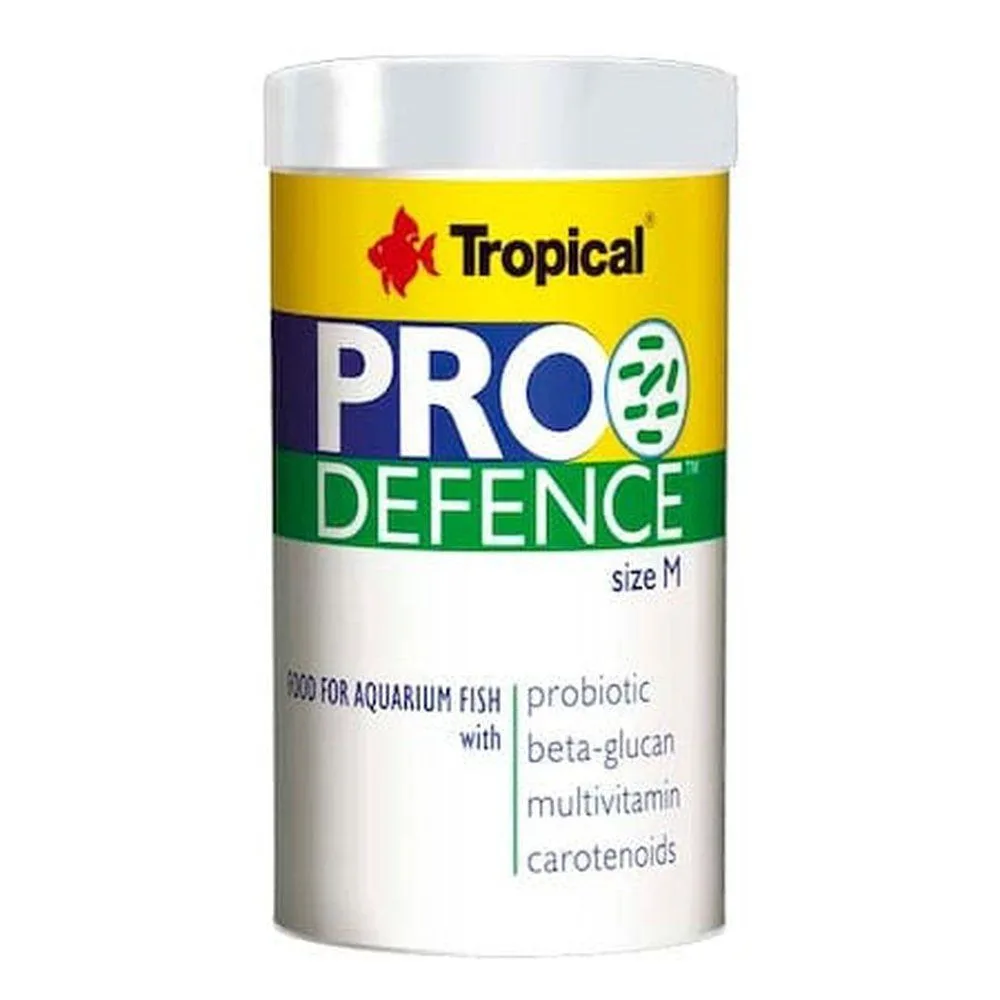
Granulated Probiotic Food for Freshwater Fish, Tropical ProDefence M, 44g/100 ml
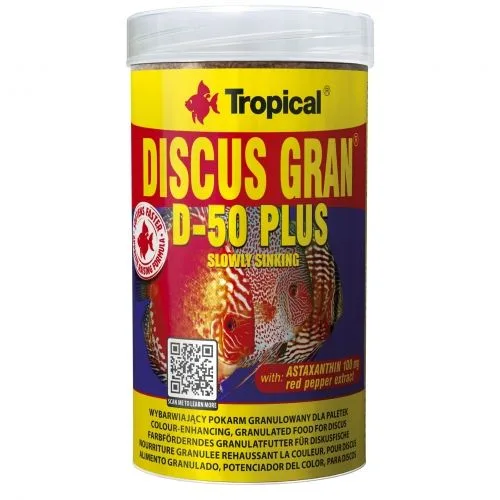
Granulated Food for Discus, Tropical, Discus Gran D-50 Plus, 44 g/100 ml
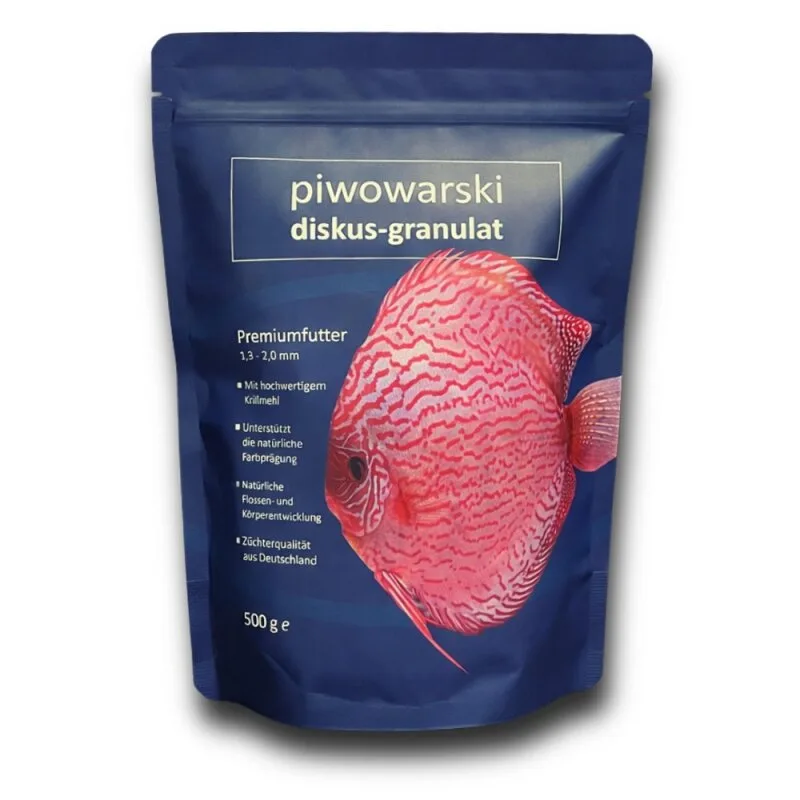
Discus Fish Granules - Piwo - granules 1.3–2 mm - 500g

Hikari Discus Bio Gold 80 g
Catappa Leaves, Sera Catappa Leaves - M

Bacteria Culture Additive, Seachem Stability, 1 L

Aqua Medic Premium Line Reverse Osmosis System

ARKA AQUATICS myAQUA 1900 Reverse Osmosis System

ARKA myAqua380 Reverse Osmosis System

Seachem Stability - Aquarium Biological Stabilizer 250 ml