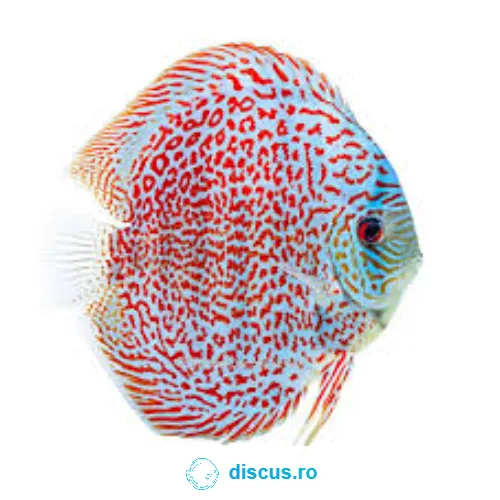
Ring Leopard
Symphysodon sp.
Description
The Ring Leopard variety represents a remarkable selection within the Brown group, valued for its distinctive graphic pattern. Unlike the classic Leopard, whose spots are uniform, the Ring Leopard features distinct concentric rings that form around central spots across the body. This specimen fascinates collectors with its chromatic complexity and strong visual contrast. It is considered one of the most spectacular forms of Discus with a 'pattern' design, offering an elegant, sophisticated, and deep aesthetic for any aquarium dedicated to high-quality South American species.
🌍 Origin & History
The Ring Leopard is the result of rigorous genetic selection programs applied to Leopard Discus lines. Classified in the 'Pattern' category (Class 7) according to international competition standards, this fish originates from successive crosses intended to stabilize and accentuate the ringed geometry of the pigment. Although it lacks a documented history with specific breeder names, the variety was perfected in specialized Asian farms by fixing the phenotypic traits that determine the formation of concentric circles, providing a unique and stable visual identity.
Appearance
Mature specimens display a robust, discoidal body with an orange-brown base color that spectacularly supports the specific design. The defining element is the presence of 'peacock eye' spots, consisting of perfectly delimited concentric circles on the flanks. The eyes are a bright red, providing a striking visual contrast. The fins are well-proportioned, often marked with fine lines or dots. The overall appearance is dramatic and sophisticated, making it a fish that immediately commands attention through its geometric complexity and the uniformity of the ring pattern across the entire body.
🧬 Genetic background
The ring pattern results from a specific expression of pigmentation genes that control the distribution of melanin and carotenoids. These genes force pigment to concentrate in peripheral zones, creating circles around a colored center. The stability of this design depends on the rigorous selection of parents, being a polygenic trait that can vary in intensity and clarity depending on the genetic quality of the specimens used for breeding.
Recommended water parameters
Care
Care requires maintaining high-quality water, with a pH between 6 and 7 and a temperature between 28-30°C. They are schooling fish that require groups of at least 6 specimens and a spacious tank of at least 250-300 liters. Weekly water changes of 30-50% are essential to prevent nitrate accumulation. The diet must be varied, including frozen food, premium pellets, and brine shrimp. They are peaceful but shy, being ideal with Corydoras or large Tetras, avoiding very aggressive or hyperactive species.
Breeding
Breeding is possible for experienced aquarists, requiring strictly controlled parameters and compatible pairs. Spawning occurs on vertical surfaces, followed by the careful tending of eggs and fry by both parents. It is crucial to maintain impeccable water hygiene during the fry development period. Feeding the fry with Artemia nauplii is vital for their rapid growth. Although it draws attention, success depends on the maturity of the pair and the quality of the incubation environment.
💡 Practical tips
- →Keep the temperature constant to avoid stress
- →Change water frequently to stimulate growth
- →Feed a varied diet for vivid colors
- →The pattern becomes defined after 8 months
- →Each specimen has a unique pattern
- →Observe behavior for signs of illness
Related guides
Articles relevant to you
Useful tools
Quick aquarium calculators
Other varieties in the Brown group
Products for this variety
Filters, food, tests and treatments for discus
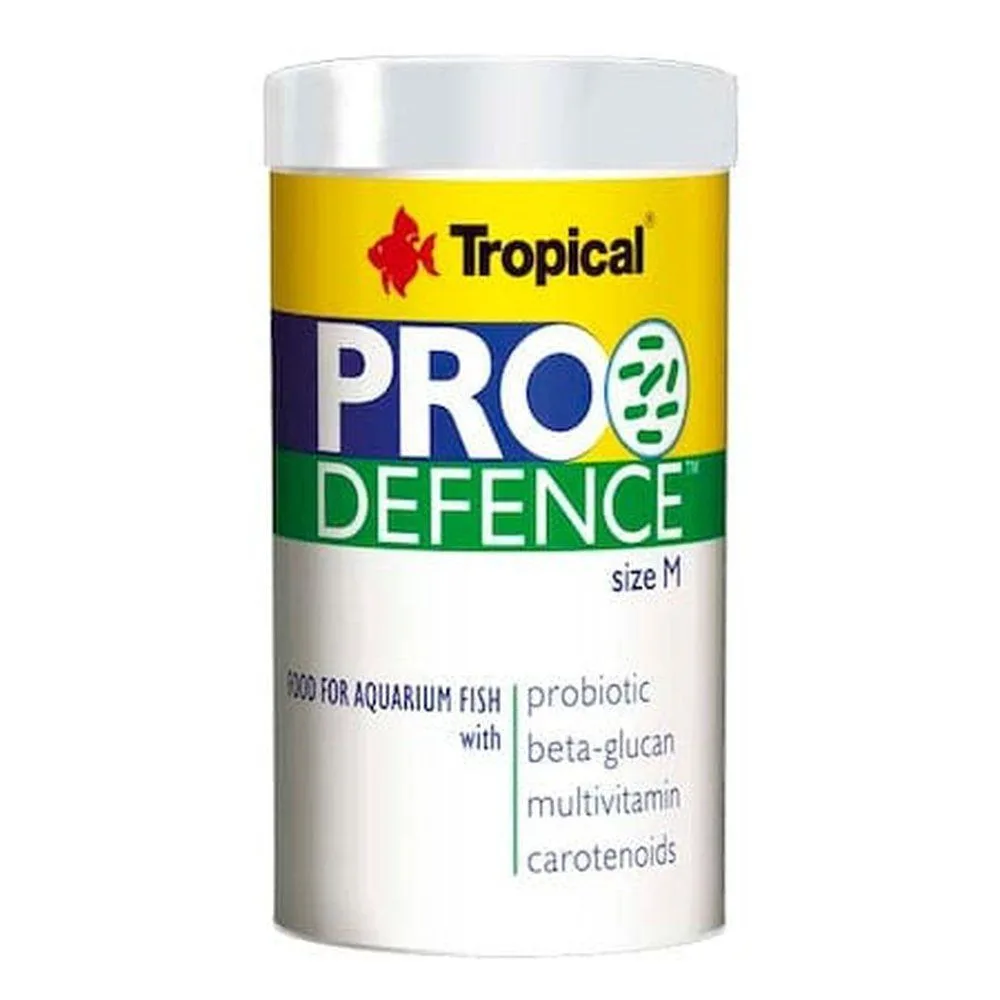
Granulated Probiotic Food for Freshwater Fish, Tropical ProDefence M, 44g/100 ml

Granulated Food for Discus, Tropical, Discus Gran D-50 Plus, 44 g/100 ml
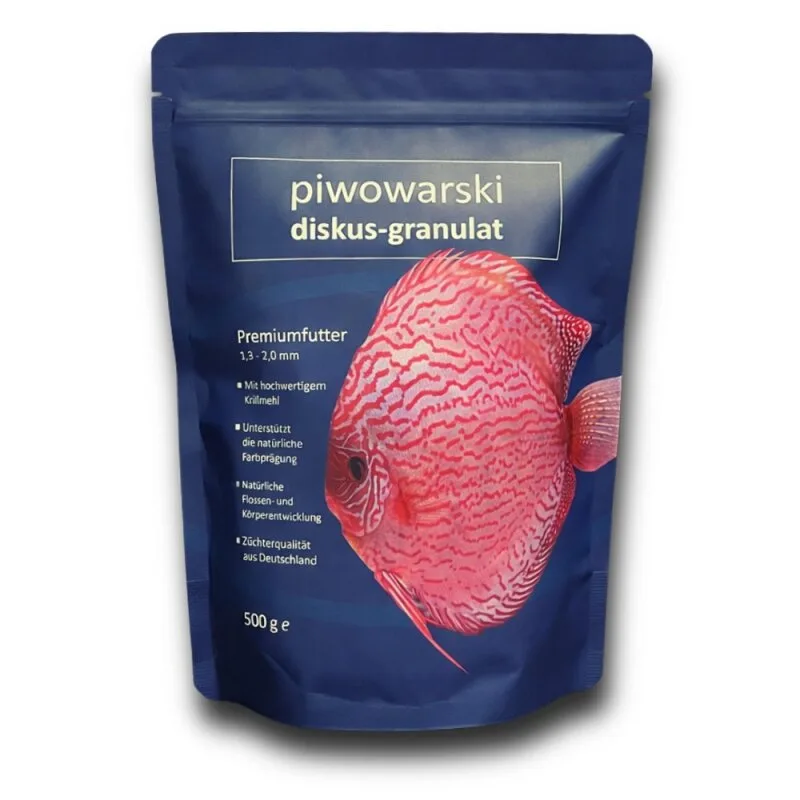
Discus Fish Granules - Piwo - granules 1.3–2 mm - 500g

Hikari Discus Bio Gold 80 g
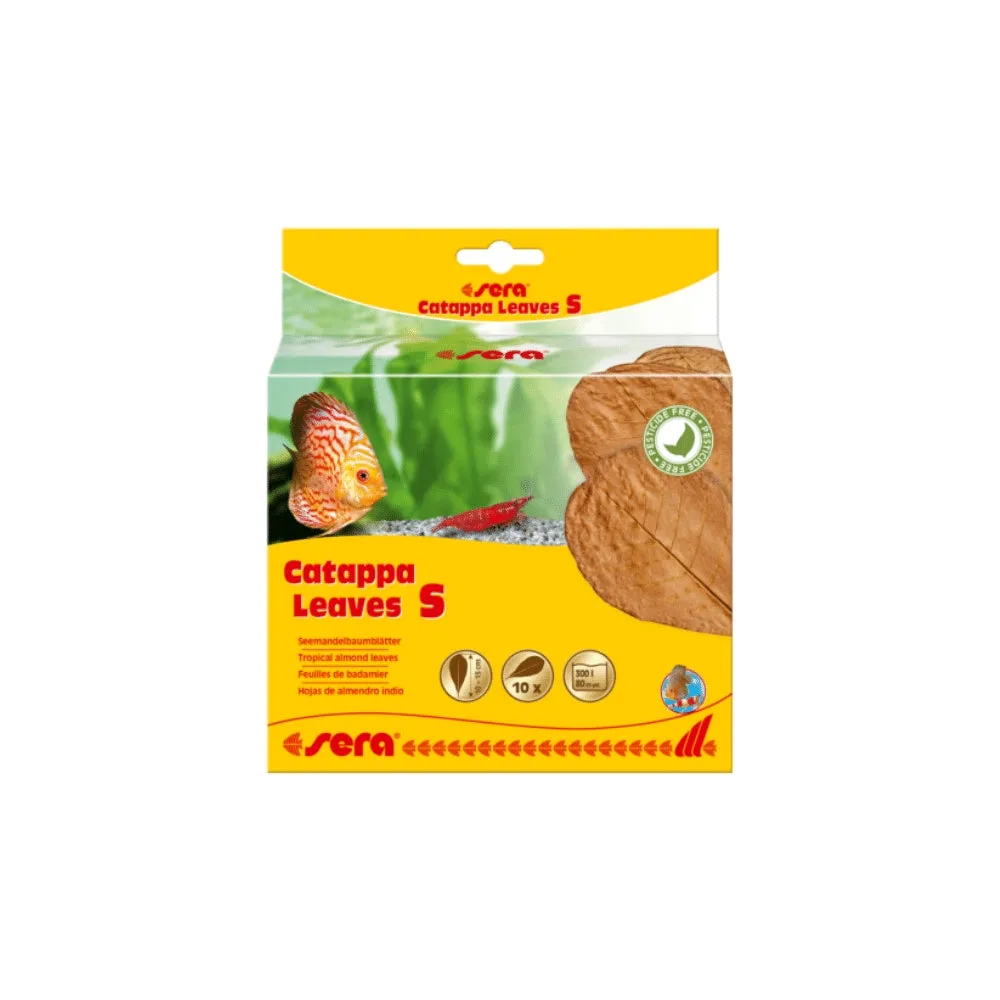
Catappa Leaves, Sera Catappa Leaves - M

Bacteria Culture Additive, Seachem Stability, 1 L

Aqua Medic Premium Line Reverse Osmosis System

ARKA AQUATICS myAQUA 1900 Reverse Osmosis System

ARKA myAqua380 Reverse Osmosis System

Seachem Stability - Aquarium Biological Stabilizer 250 ml