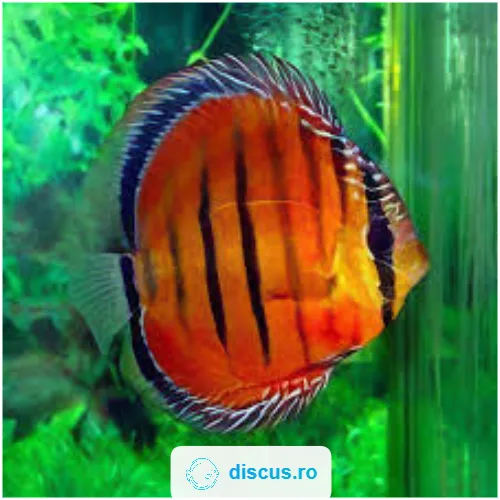
Alenquer Red
Symphysodon aequifasciatus
Description
Alenquer Red is considered one of the most spectacular wild discus, standing out for its deep, vibrant, and natural red-brown hue. This variety is highly prized by elite collectors for its authenticity, serving as a symbol of the raw beauty of the Amazon. While maintaining the rustic characteristics of its ancestors, its intense coloring gives it a special status in the hobby. It is an imposing fish that requires increased attention and advanced experience from the aquarist to maintain its health and unique brilliance in captivity over the long term.
🌍 Origin & History
This variety originates exclusively from the Alenquer region in the Brazilian Amazon basin, specifically along the tributaries of the river. These wild discus inhabit blackwater streams rich in tannins and humic acids, which contribute essentially to their specific coloration. The natural environment is characterized by slow-moving water with abundant vegetation, providing protection and a varied diet, factors that shape both the physiology and the intense pigmentation of these fish in a way that is impossible to replicate perfectly in standard aquariums.
Appearance
The body of this discus features a classic oval shape, leaner and more robust compared to domestic hybrids. The base coloring is a warm brown, over which an intense red hue is superimposed, often distributed in fine stripes or striations that provide a complex visual aspect. The eyes are bright red, offering a remarkable contrast. The overall appearance is that of a wild specimen with a rustic yet authentic look. The fins are proportionate, and the body markings vary in intensity depending on the mood of the fish.
🧬 Genetic background
Alenquer Red represents a pure wild local form, not a hybrid obtained through artificial selection in hatcheries. The genetic characteristics are the result of adaptation to the specific conditions of the habitat in the Rio Alenquer. The intense red color is genetically influenced and directly supported by the intake of natural carotenoids found in their diet in the wild. This line retains the original traits of the species, without modifications to the body structure typical of modern domestic selections, reflecting the genetic purity of the Amazonian ecosystem.
Recommended water parameters
Care
Requires extremely soft (TDS < 100) and acidic (pH 5.5-6.5) water, with a constant temperature between 29-31°C. Weekly water changes of 30-50% are mandatory to keep nitrates at minimum levels. The diet must include high-quality live or frozen food, such as brine shrimp or tubifex. It is a shy species that prefers groups of at least 6 individuals to reduce stress. Compatibility is good with peaceful tetras or Corydoras that tolerate the same parameters, while avoiding hyperactive or aggressive fish that could stress them out.
Breeding
Breeding is considered difficult and requires simulating conditions from the rainy season. Water parameters must be extremely strict, with very low conductivity and acidic pH, to stimulate spawning behavior. Pairs should be isolated in a dedicated tank without substrate to ensure maximum hygiene. Success depends on water quality and pair harmony, with parents needing total silence to care for the fry in the first weeks, while subsequent feeding with artemia nauplii is essential.
💡 Practical tips
- →Maintain very soft water for success.
- →Live food intensifies natural shades.
- →Avoid sudden temperature changes.
- →Large groups reduce stress levels.
- →Ensure powerful biological filtration.
- →Monitor water quality frequently.
Related guides
Articles relevant to you
Useful tools
Quick aquarium calculators
Other varieties in the Brown group
Products for this variety
Filters, food, tests and treatments for discus
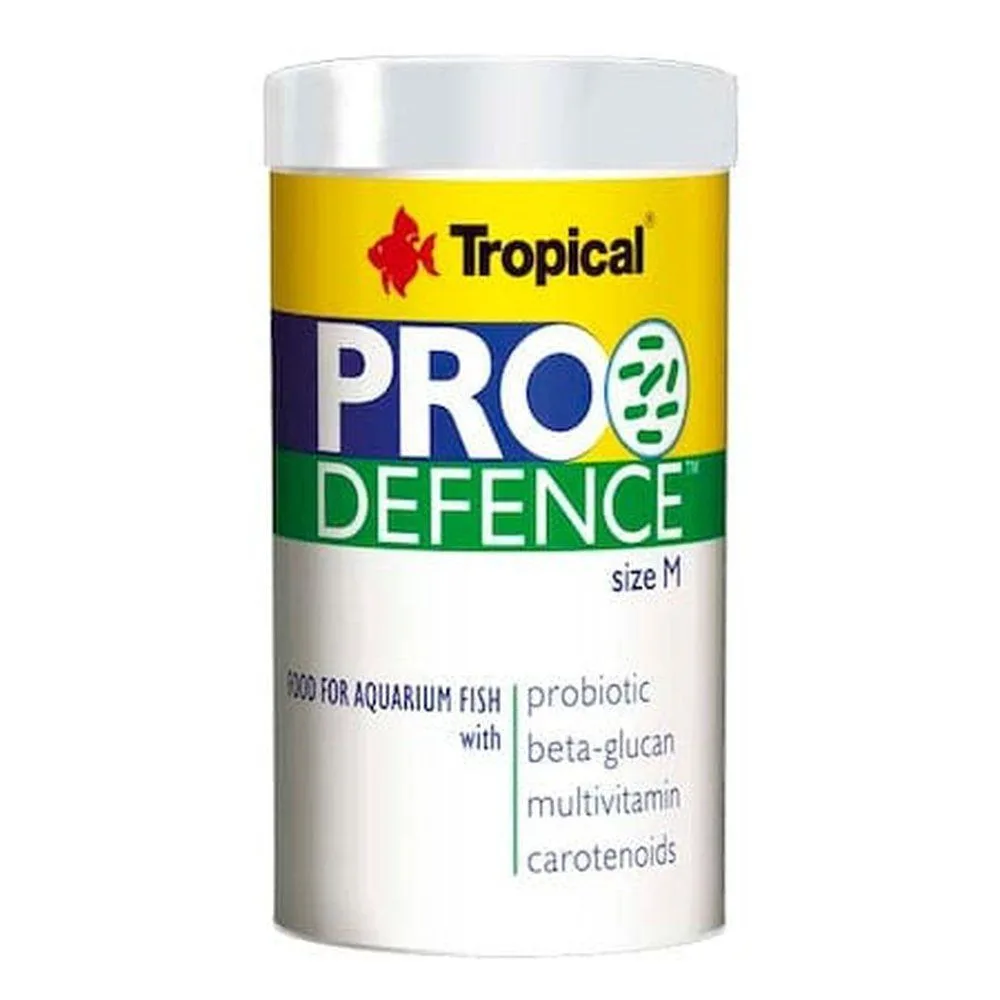
Granulated Probiotic Food for Freshwater Fish, Tropical ProDefence M, 44g/100 ml
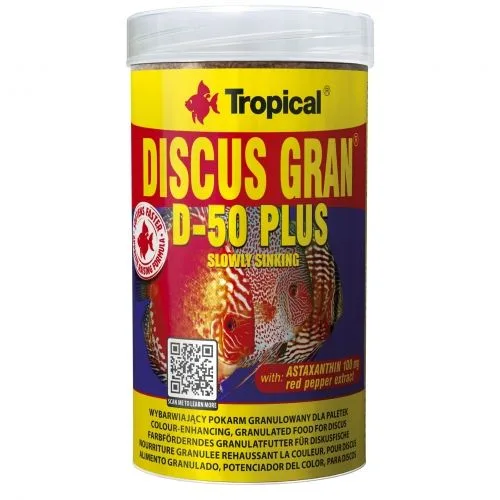
Granulated Food for Discus, Tropical, Discus Gran D-50 Plus, 44 g/100 ml
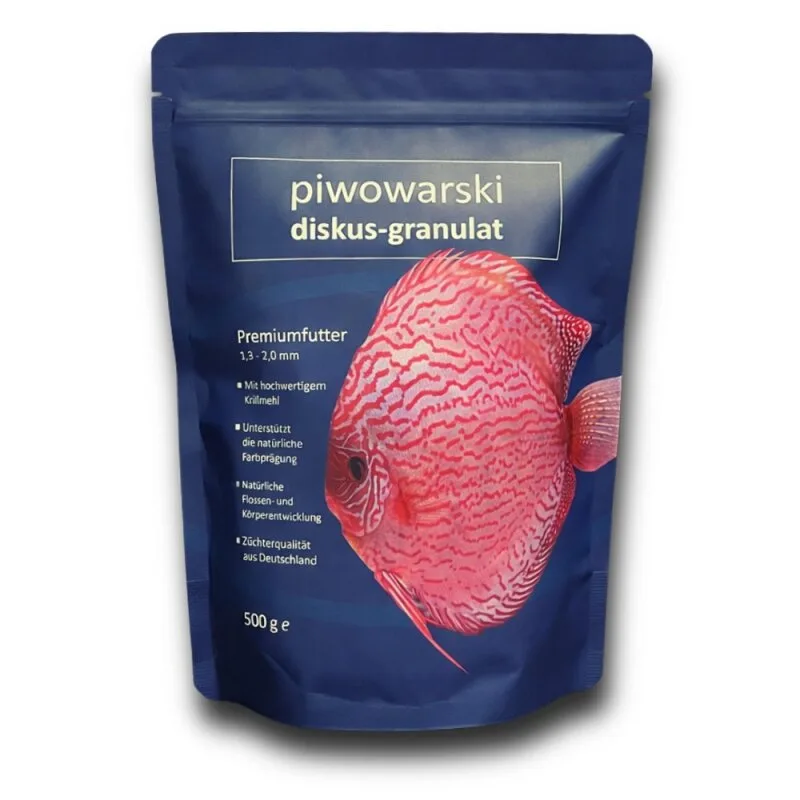
Discus Fish Granules - Piwo - granules 1.3–2 mm - 500g

Hikari Discus Bio Gold 80 g
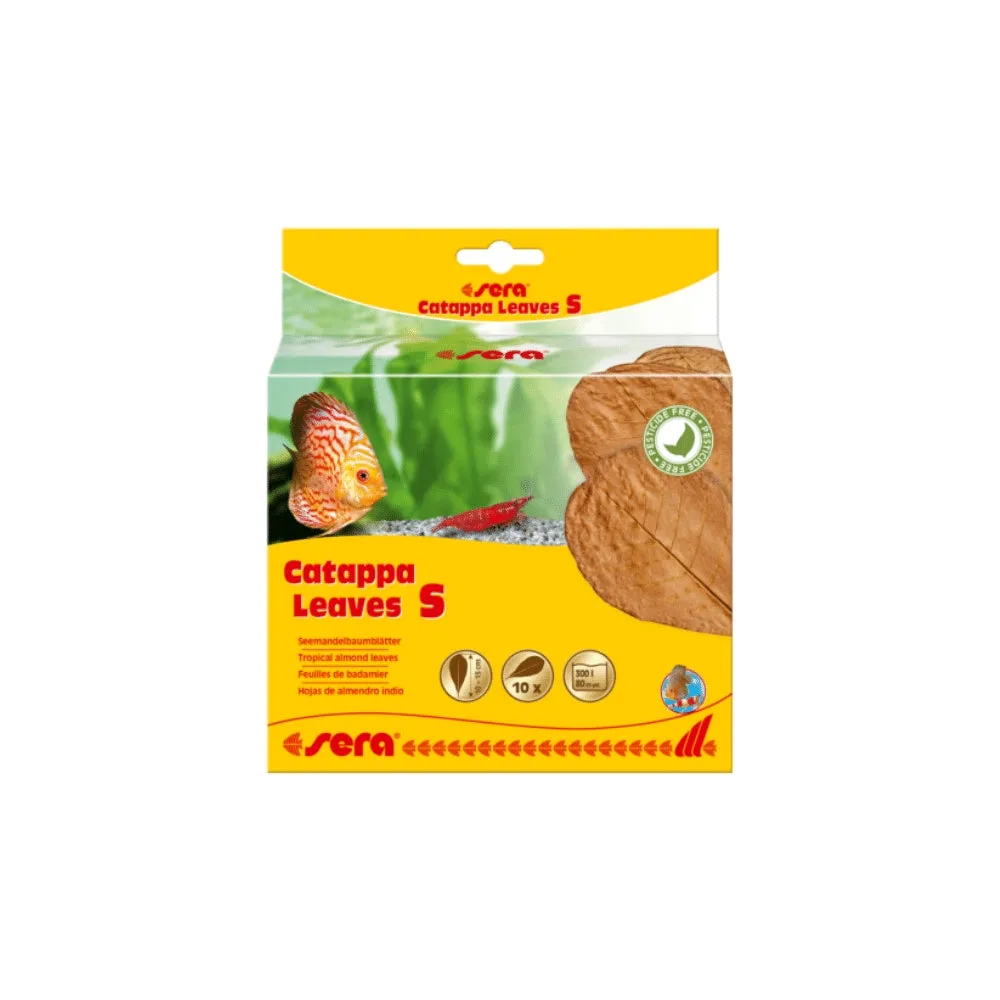
Catappa Leaves, Sera Catappa Leaves - M

Bacteria Culture Additive, Seachem Stability, 1 L

Aqua Medic Premium Line Reverse Osmosis System

ARKA AQUATICS myAQUA 1900 Reverse Osmosis System

ARKA myAqua380 Reverse Osmosis System

Seachem Stability - Aquarium Biological Stabilizer 250 ml