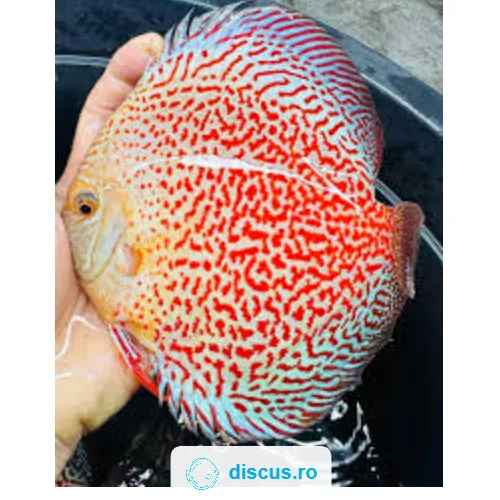
Snow Leopard
Symphysodon sp.
Description
The Snow Leopard variety represents a fascinating selection of the Symphysodon genus, standing out with an unmistakable visual appearance. These fish feature a pure, white base adorned with discrete spots, reminiscent of the feline pattern for which they are named. Due to the subtle contrast between the blue-red pigment of the spots and the light background, these discus offer an elegant and refined look in any aquarium. It is a variety appreciated by breeders seeking a minimalist yet complex aesthetic that integrates perfectly into modern, clean setups, serving as a peaceful presence in elite collections.
🌍 Origin & History
This variety emerged through the selective breeding of the Snow White line with specimens from the Leopard variety. The goal was to obtain a discus that retains the complex leopard pattern but on a completely white background. Developing this line required many generations of selection to ensure the stability of the genes responsible for the lack of dark pigment on the body, thereby allowing the spots to stand out in an aesthetic and balanced manner on the Snow-type body.
Appearance
The Snow Leopard presents a round body, typical of competition specimens, with a dominant white coloration covering the entire torso and fins. On this surface, small, brownish-red spots are distributed, the intensity of which varies depending on environmental conditions. The fish's eyes are typically white, completing the diaphanous look of the specimen. Unlike other varieties, vertical stress bars are almost invisible, providing a uniform look. The fins are transparent or slightly opaque, completing the general harmony of this elegant and highly sought-after discus.
🧬 Genetic background
The genetics of the Snow Leopard are based on the interaction between the Snow White gene, which suppresses melanophore pigment, and the gene responsible for the Leopard-type pattern. Spots are present, but their contrast is diminished compared to classic Leopard varieties. Passing on these traits requires quality heterozygous specimens, and obtaining offspring with a uniform pattern remains a constant challenge for specialized breeders, as the influence of the white background can sometimes blur the intensity of the spots.
Recommended water parameters
Care
Maintenance requires rigorous attention, similar to Snow White standards. The optimal temperature must be maintained between 28-30°C, and the pH between 6 and 7. The aquarium should be spacious, with at least 50 liters per individual recommended, accompanied by frequent water changes (20-30% weekly) to prevent nitrate buildup. They are social fish, ideal in groups of at least 6. Feeding should be varied, including frozen food (artemia, beef heart mixes) and quality pellets to maintain high immunity and vivid coloration.
Breeding
Breeding is difficult and requires great patience, recommended only for advanced breeders. Pairs must be chosen carefully to maintain the purity of the white background. Spawning takes place on clean vertical surfaces, and managing the fry is critical, as they are sensitive to water parameters and the quality of initial food. The success rate can vary, influenced by stress and the quality of the parents, with maintaining extremely clean water throughout the egg and fry development stage being essential.
💡 Practical tips
- →Use moderate lighting to highlight the spots
- →Perform weekly tests to monitor nitrates
- →Ensure a varied diet for immunity
- →Maintain a low stocking density
- →Avoid sudden temperature fluctuations
- →Monitor behavior for signs of stress
Related guides
Articles relevant to you
Useful tools
Quick aquarium calculators
Other varieties in the White / Snow group
Products for this variety
Filters, food, tests and treatments for discus

Granulated Probiotic Food for Freshwater Fish, Tropical ProDefence M, 44g/100 ml

Granulated Food for Discus, Tropical, Discus Gran D-50 Plus, 44 g/100 ml
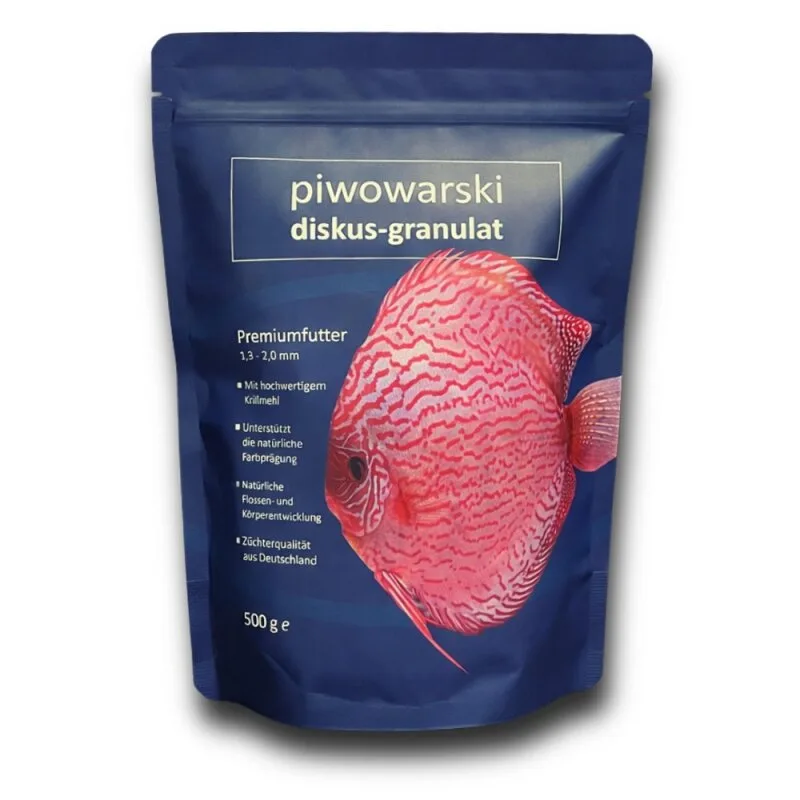
Discus Fish Granules - Piwo - granules 1.3–2 mm - 500g

Hikari Discus Bio Gold 80 g
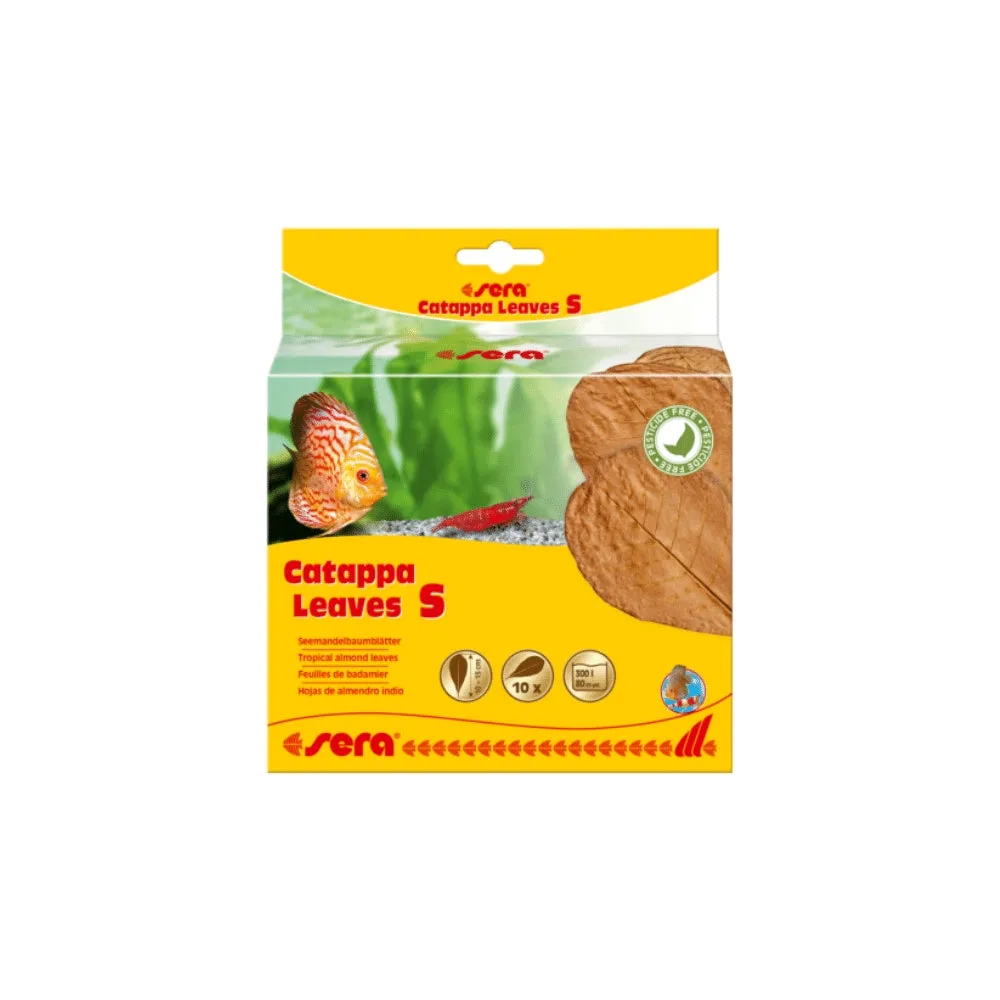
Catappa Leaves, Sera Catappa Leaves - M

Bacteria Culture Additive, Seachem Stability, 1 L

Aqua Medic Premium Line Reverse Osmosis System

ARKA AQUATICS myAQUA 1900 Reverse Osmosis System

ARKA myAqua380 Reverse Osmosis System

Seachem Stability - Aquarium Biological Stabilizer 250 ml