
Snow White
Symphysodon sp.
Description
The Snow White variety represents one of the most pure and spectacular choices in modern aquaristics. These discus fish are distinguished by a pristine, bright white body that gives them an ethereal and refined appearance. Although often confused with albino varieties, they maintain normal eye coloration or a light hue, being prized for the uniformity of their color. Due to the strong visual contrast, these fish become the focal point of any aquascape-style aquarium, yet they require an optimally maintained living environment to avoid losing their white brilliance.
🌍 Origin & History
The Snow White variety resulted from the rigorous selection of domestic discus specimens that showed almost complete depigmentation. Their origin is closely linked to the development of white discus lines, a process in which breeders sought the total suppression of vertical bars and dark shades. Unlike albino forms, which have a genetic component based on a lack of melanin with red eyes, Snow White was fixed through distinct genetic mechanisms of pigment suppression, resulting in specimens with a stable and attractive phenotype.
Appearance
Snow White displays a perfectly round body, specific to the species, covered entirely in a shade of clean white, which can range from a pristine tone to a slight yellowish hue around the face. A defining feature is the total absence of vertical bars or any dark spots on the scales. The fins are translucent, displaying fine, bluish iridescence that completes the fish's aesthetics. The eyes are usually light in color, providing a balanced and vivid appearance, avoiding the sensitive and often problematic look found in specimens with albino-type mutations.
🧬 Genetic background
Genetically, Snow White represents a recessive mutation distinct from classic albinism. They most likely derive from controlled crosses between lines such as Blue Diamond or Pigeon Blood, followed by successive selections for pure white. The absence of vertical bars and the eye color confirm that the depigmentation mechanism acts differently than albino genes, allowing for a white discus that retains the vitality and anatomical structure of standard varieties, being a stable genetic trait within the line.
Recommended water parameters
Care
Caring for Snow White discus requires increased attention, as they are sensitive to water parameters: pH between 6 and 7, constant temperature of 28-30°C. Partial water changes, 20-30% weekly, are essential to prevent nitrate accumulation, which can cause irritation or health issues. They prefer a varied diet of superior quality, including pellets and frozen protein-rich food. They are peaceful fish, ideal for community tanks with compatible species, such as small tetras or corydoras, as long as the space is generous and the environment is kept clean and free from stress factors.
Breeding
Breeding is considered moderately difficult, requiring a separate tank and confirmed pairs. Since Snow White comes from stabilized lines, two parents of this variety will generally produce 100% fry that are also Snow White, which confirms their genetic purity. It is crucial that the water in the breeding tank be extremely clean, with low hardness, to ensure successful hatching and the survival of the fry, which require a diet rich in freshly hatched brine shrimp in the first few weeks of life.
💡 Practical tips
- →Use a black background for a stunning chromatic contrast.
- →Avoid colored substrate to maintain the pure white look.
- →Constantly monitor nitrate levels in the water.
- →Choose an aquarium with at least 250 liters for a group.
- →Light-colored eyes are a sign of a correct variety.
- →Food rich in natural carotenoids maintains a healthy appearance.
Related guides
Articles relevant to you
Useful tools
Quick aquarium calculators
Other varieties in the White / Snow group
Products for this variety
Filters, food, tests and treatments for discus

Granulated Probiotic Food for Freshwater Fish, Tropical ProDefence M, 44g/100 ml

Granulated Food for Discus, Tropical, Discus Gran D-50 Plus, 44 g/100 ml
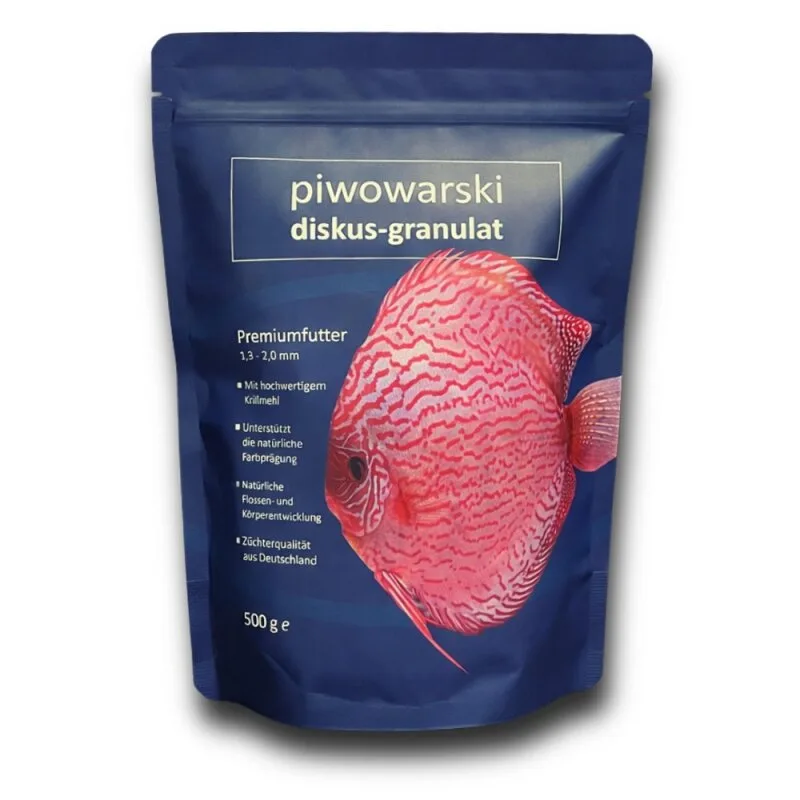
Discus Fish Granules - Piwo - granules 1.3–2 mm - 500g

Hikari Discus Bio Gold 80 g
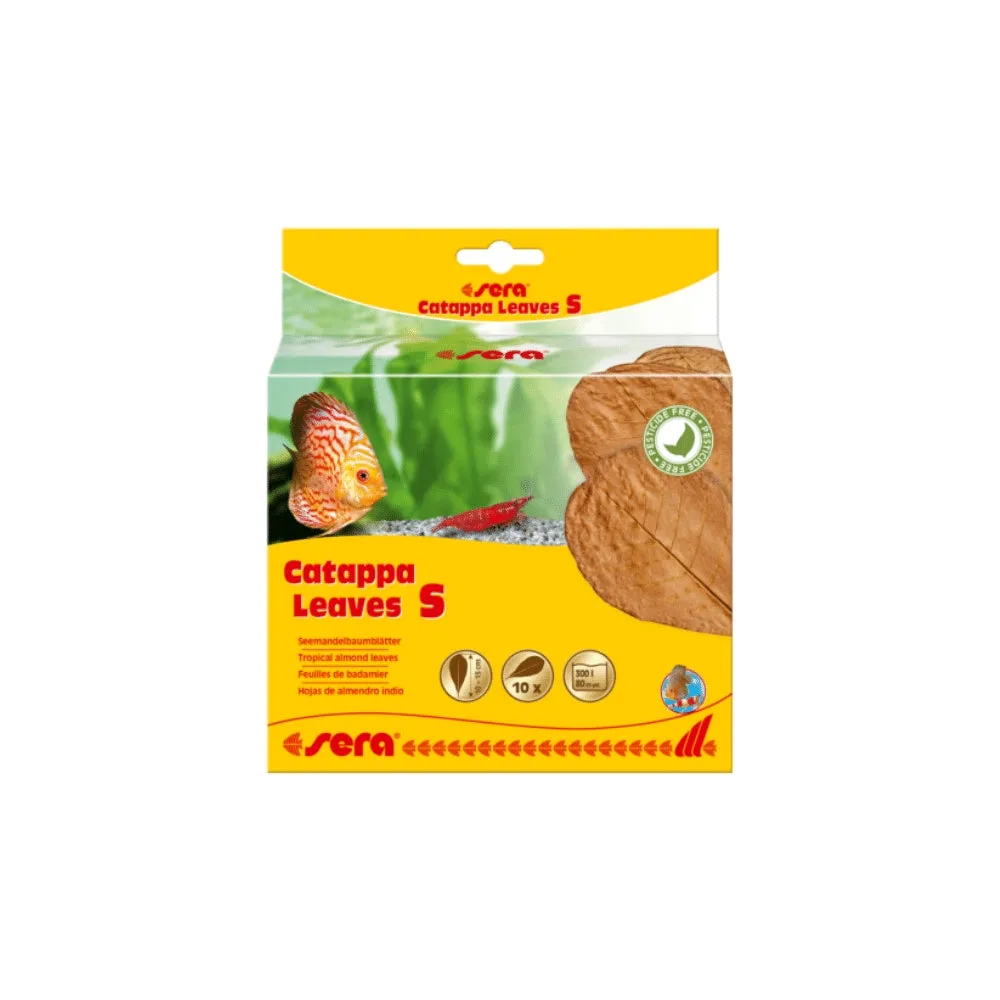
Catappa Leaves, Sera Catappa Leaves - M

Bacteria Culture Additive, Seachem Stability, 1 L

Aqua Medic Premium Line Reverse Osmosis System

ARKA AQUATICS myAQUA 1900 Reverse Osmosis System

ARKA myAqua380 Reverse Osmosis System

Seachem Stability - Aquarium Biological Stabilizer 250 ml