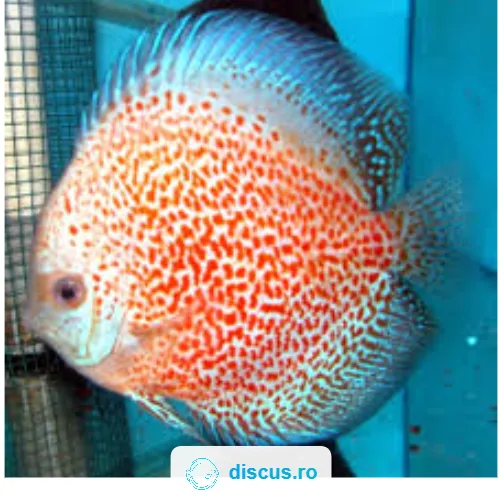
Snow Leopard Snake
Symphysodon sp.
Description
The Snow Leopard Snake is a highly prized discus variety resulting from the careful cross-breeding of Leopard genetics with traits from the Snow White and Snakeskin varieties. This specimen stands out for the sharp visual contrast between the pristine white background, typical of the Snow group, and the complex pattern of fine lines and pigmented spots distributed across the body. It is a large fish reaching 13-17 cm at maturity, considered a true collector's piece for aquarists seeking chromatic diversity and sophisticated geometric patterns on a bright background.
🌍 Origin & History
This variety is a complex triple hybrid, obtained through successive selections that combine Leopard and Snakeskin genes with the Snow White genotype. Its origin is closely tied to selective breeding practices in Asia, where breeders aimed to produce a discus that retains the dense pattern of spots and lines specific to Snakeskin varieties while eliminating dark body pigmentation through the influence of the white variant. It is a product of artificial selection designed to combine graphic complexity with the brightness of a clean background.
Appearance
The Snow Leopard Snake is characterized by an almost white body, decorated with a dense pattern of fine lines and spots of variable intensity, evenly distributed on the flanks. The eyes are usually clear and light-colored, complementing the fish's luminous appearance. The fins often display the same graphic traits, extending the complex body pattern. The contrast between the Snakeskin lines and the Snow background creates a fascinating, dynamic image. The body shape is round, typical of the species, with an elegant silhouette and an imposing presence in the community aquarium.
🧬 Genetic background
The genetics of the Snow Leopard Snake are determined by the combined inheritance of Snow White, Leopard, and Snakeskin traits. This combination requires rigorous selection to maintain the clarity of the white background while avoiding excessive dilution of the leopard pattern. Success depends on fixing the genes that control spot and line pigmentation on a base that suppresses the blue or brown background color, resulting in a distinctive phenotype that is quite stable in well-managed bloodlines.
Recommended water parameters
Care
Maintenance requires increased attention, as this is a variety sensitive to water quality. Ideal parameters include a pH between 6 and 7 and a temperature of 28-30°C. Water changes are essential, with 20-30% recommended weekly using dechlorinated and chemically balanced water. The diet must be varied, including quality frozen food such as brine shrimp or beef heart, and vitamin-rich granules. Although they can coexist with other small, peaceful fish, species with similar thermal requirements are recommended to avoid food competition and environmental stress.
Breeding
Breeding is considered very difficult, requiring advanced experience and perfectly controlled environmental conditions. The pair must be mature and well-fed, preferring slightly acidic and very soft water for successful spawning. Egg hatching and fry rearing are the critical stages where water quality plays the decisive role. Because Snow varieties have increased natural sensitivity, fry require constant monitoring to prevent bacterial diseases. Obtaining a large number of specimens with a uniform pattern is a major challenge for any breeder.
💡 Practical tips
- →Keep water constant and clean
- →Avoid stress with minimal decor
- →Feed varied food twice daily
- →Monitor early signs of illness
- →Use plants for visual comfort
- →Choose calm tank mates
Related guides
Articles relevant to you
Useful tools
Quick aquarium calculators
Other varieties in the White / Snow group
Products for this variety
Filters, food, tests and treatments for discus

Granulated Probiotic Food for Freshwater Fish, Tropical ProDefence M, 44g/100 ml
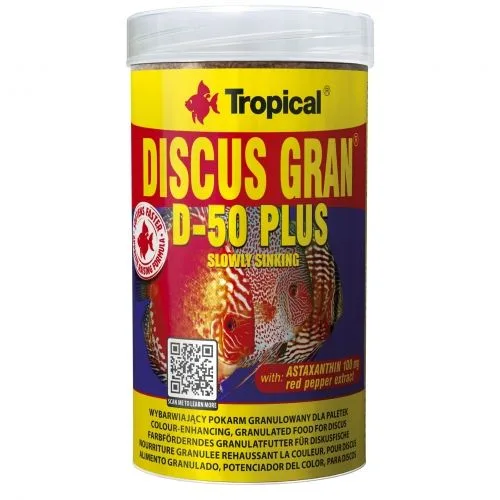
Granulated Food for Discus, Tropical, Discus Gran D-50 Plus, 44 g/100 ml
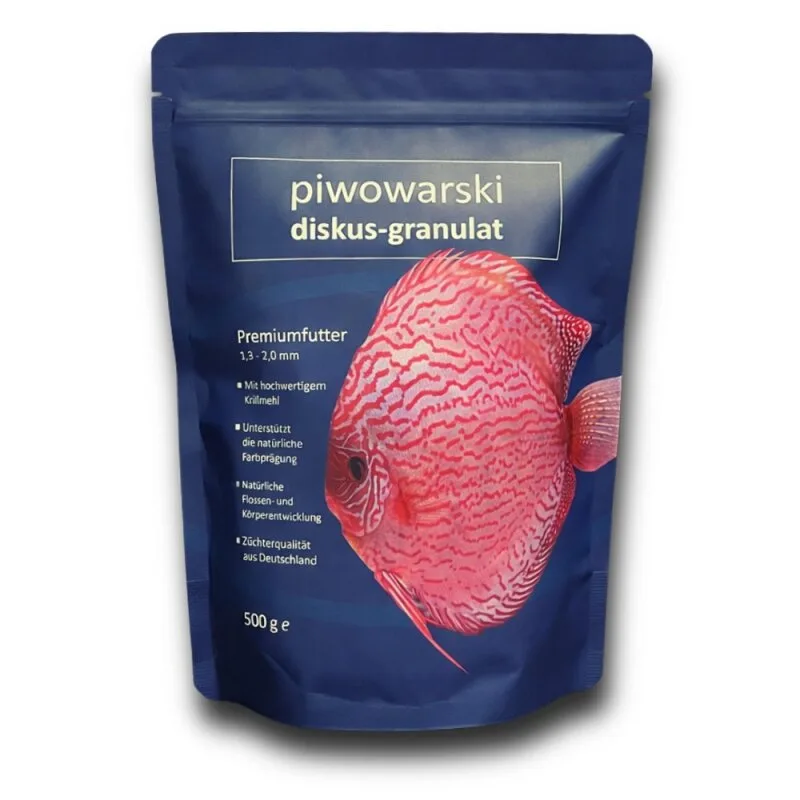
Discus Fish Granules - Piwo - granules 1.3–2 mm - 500g

Hikari Discus Bio Gold 80 g
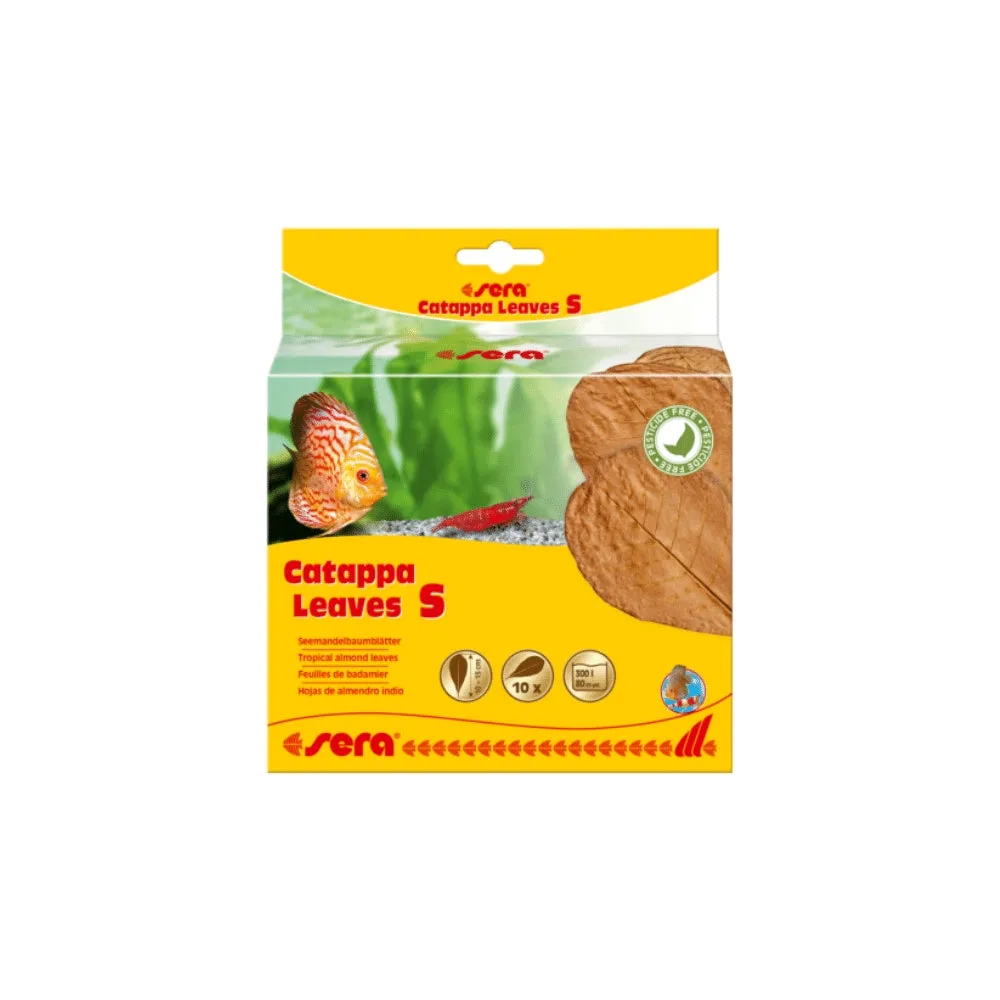
Catappa Leaves, Sera Catappa Leaves - M

Bacteria Culture Additive, Seachem Stability, 1 L

Aqua Medic Premium Line Reverse Osmosis System

ARKA AQUATICS myAQUA 1900 Reverse Osmosis System

ARKA myAqua380 Reverse Osmosis System

Seachem Stability - Aquarium Biological Stabilizer 250 ml