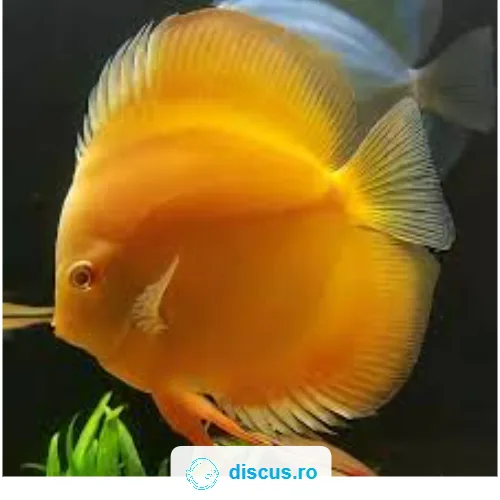
Golden
Symphysodon sp.
Description
The Golden variety represents one of the first genetic mutations obtained in captivity, noted for its body with uniform shades of intense gold or beige, completely devoid of the dark vertical bars typical of its wild ancestors. This fascinating chromatic form revolutionized the aesthetic appearance of the discus, offering a bright, warm, and elegant look that quickly became popular in modern aquaristics. Unlike aggressively pigmented varieties, the Golden retains a natural elegance, being appreciated for both its color purity and its general presence in well-maintained community tanks.
🌍 Origin & History
The Golden variety appeared as a spontaneous recessive mutation within captive populations of Symphysodon aequifasciatus, subsequently selected by breeders to fix the trait of melanin suppression. Although its exact origin is linked to the genetic background of the Brown discus, the variety stabilized rapidly through rigorous selection, becoming a pure line that no longer requires infusions of wild blood to maintain its distinctive traits, being the result of controlled selection work in specialized breeding environments.
Appearance
Golden specimens display a uniform golden-yellow or beige body with scales that reflect light as a subtle metallic sheen. The total absence of black melanin eliminates stress stripes or vertical bars, providing a consistent monochrome look. The eyes are usually orange or reddish, creating a pleasant contrast with the warm shades of the body. The fins maintain the same yellow color palette, contributing to the specimen's unified image. Adult size reaches between 13 and 17 centimeters, offering an imposing and peaceful presence in the aquarium.
🧬 Genetic background
Genetically, the Golden is a recessive mutation that suppresses black melanin activity while allowing the expression of xanthophyll pigments. Crossing two Golden individuals will always generate offspring expressing the golden phenotype (100% Golden). Conversely, hybridizing a Golden with a pure Brown discus will produce generations of healthy carriers, but without the golden trait being visible, demonstrating the recessive nature of the gene responsible for this bright appearance.
Recommended water parameters
Care
Care requires a generous aquarium, at least 250 liters, maintained at a temperature of 28-30°C and a pH between 6-7. Water quality is crucial, requiring weekly water changes of 30% of the volume. Being schooling fish, it is recommended to keep them in groups of at least 5-6 individuals. They are peaceful, compatible with small or medium-sized South American species such as Corydoras or Tetras. Diet must be varied, including quality flakes, pellets, and frozen food, to support the vitality and intensity of the golden color specific to the variety.
Breeding
Breeding is relatively easy for breeders who meet specific requirements. The pair lays eggs on vertical substrates, and both parents actively participate in protecting and caring for the fry. Since the mutation is recessive, two Golden parents produce exclusively Golden offspring. It is essential to maintain extremely clean water during the hatching and larval development period, using a sponge filter to avoid sucking up the fry. The success rate is high, making them suitable for enthusiasts who want to try the experience of discus breeding.
💡 Practical tips
- →Provide food rich in astaxanthin to intensify the color.
- →Avoid stress through decor that provides shelter areas.
- →Maintain balanced population density to prevent aggression.
- →Constantly monitor water quality to prevent skin diseases.
- →Use strong biological filtration to support high metabolism.
- →Buy specimens only from verified sources to ensure genetic quality.
Related guides
Articles relevant to you
Useful tools
Quick aquarium calculators
Other varieties in the Golden / Beige group
Products for this variety
Filters, food, tests and treatments for discus

Granulated Probiotic Food for Freshwater Fish, Tropical ProDefence M, 44g/100 ml
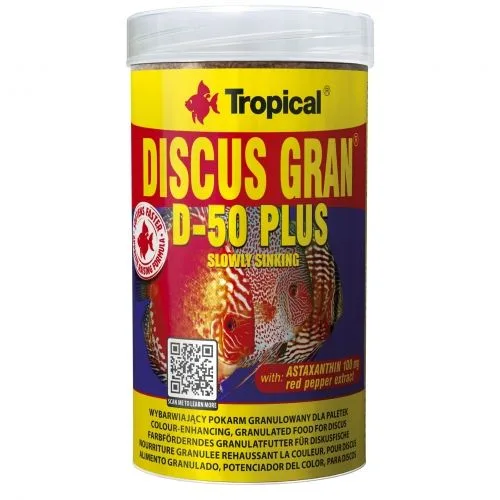
Granulated Food for Discus, Tropical, Discus Gran D-50 Plus, 44 g/100 ml
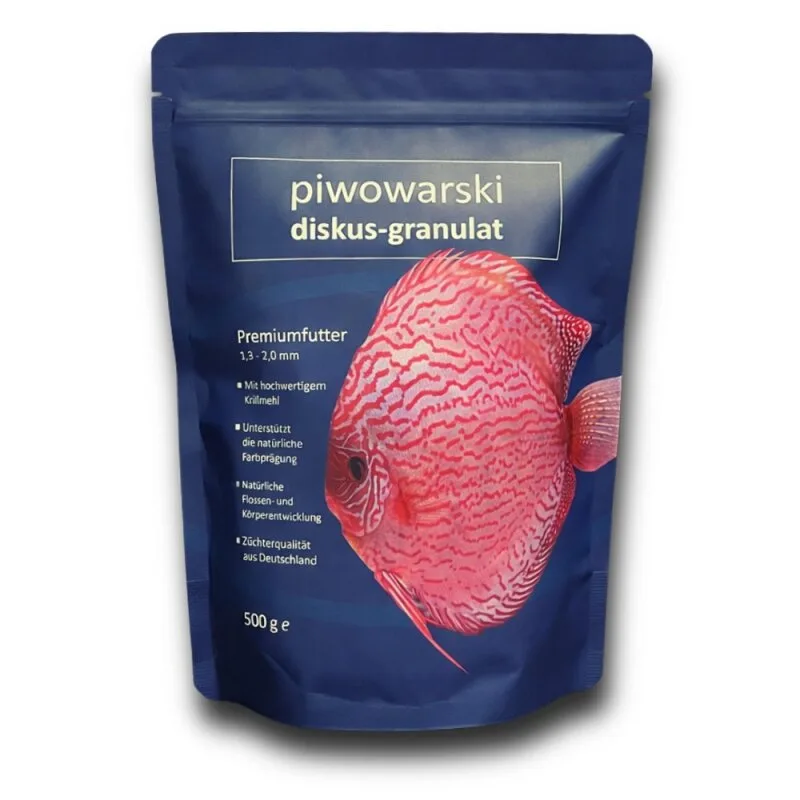
Discus Fish Granules - Piwo - granules 1.3–2 mm - 500g

Hikari Discus Bio Gold 80 g
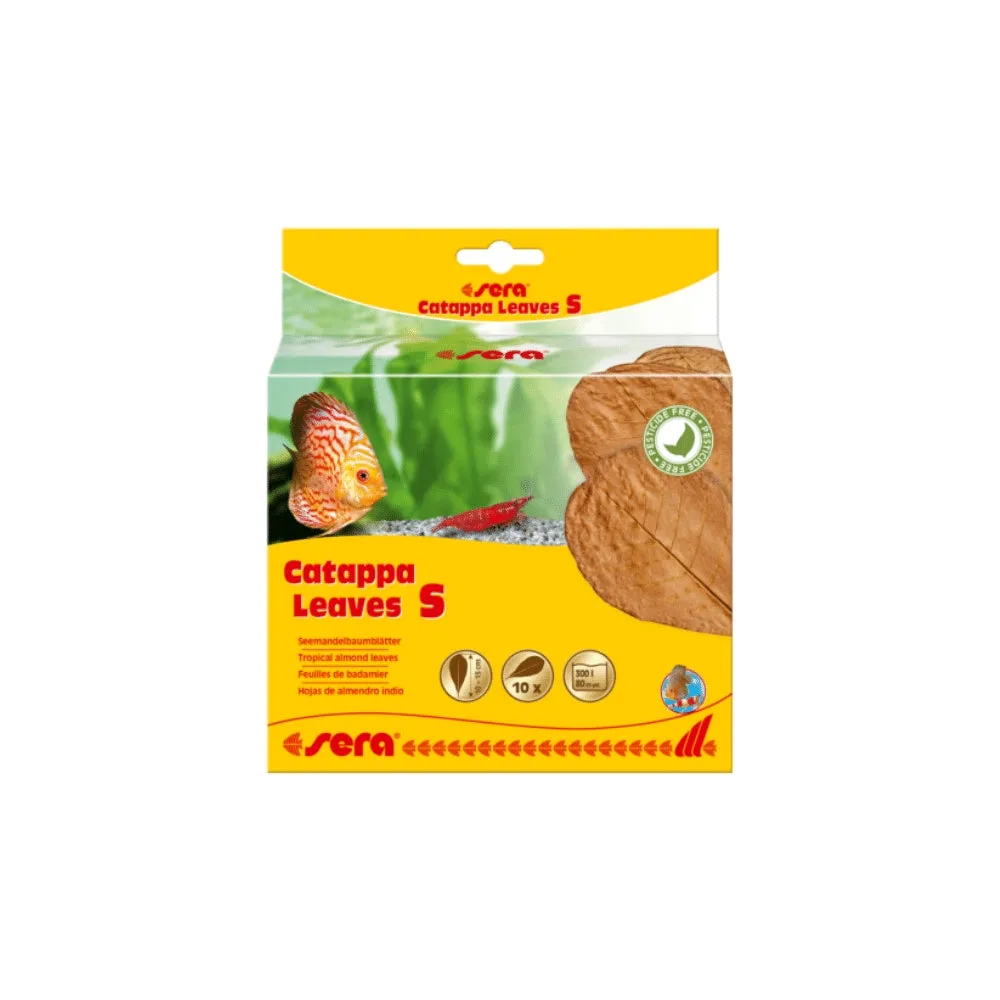
Catappa Leaves, Sera Catappa Leaves - M

Bacteria Culture Additive, Seachem Stability, 1 L

Aqua Medic Premium Line Reverse Osmosis System

ARKA AQUATICS myAQUA 1900 Reverse Osmosis System

ARKA myAqua380 Reverse Osmosis System

Seachem Stability - Aquarium Biological Stabilizer 250 ml