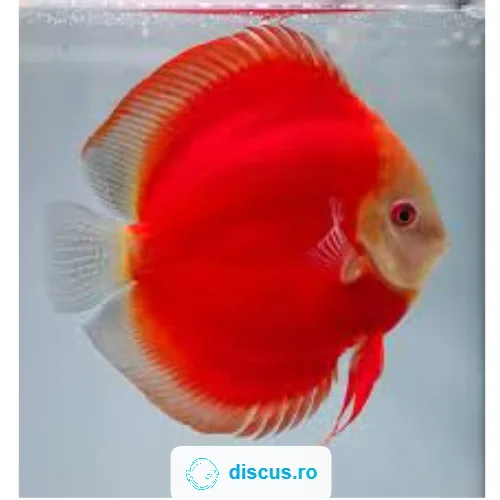
Red Golden Diamond
Symphysodon sp.
Description
The Red Golden Diamond is a spectacular discus variety, prized for its warm, vibrant, solid golden-orange color. Unlike other varieties, these fish do not show vertical stripes or bars on their body, having a clean and uniform appearance. This genetic line is the result of rigorous selective breeding to obtain a brilliant metallic shade. They are active and elegant fish that become the focal point of any community or display aquarium, impressing with their intense shimmer and peaceful behavior when kept in well-structured, harmonious groups.
🌍 Origin & History
This variety originates from a complex hybridization process, combining the recessive traits of the Blue Diamond variety, responsible for the absence of vertical stripes, with the Golden genetic background and intensified red pigments. It is a product of advanced aquarium selection, refined over several generations in specialized hatcheries. It is not a wild species, but a fish created exclusively in captivity to express rare aesthetic beauty, being considered a success of genetic selection focused on warm colors and a uniform metallic appearance.
Appearance
The Red Golden Diamond features a solid body of uniform golden-orange color, completely free of bars or vertical stripes. The scales possess a distinct metallic sheen that reflects light in intense golden hues. The eyes are reddish-orange, providing a pleasant contrast with the rest of the body. The fins are golden and well-developed, completing the round shape typical of high-quality discus. Adult size usually reaches 13–17 cm, maintaining a compact and healthy body shape. The look is exceptionally refined, exuding a special elegance in any well-lit aquarium.
🧬 Genetic background
The genetics of the Red Golden Diamond are based on the interaction of three main factors: the Blue Diamond gene for stripe elimination, the Golden gene for the golden background, and red pigments for the orange tint. As a variety stabilized through phenotypic selection, breeding success depends on the purity of the parental line. Selection over several generations is mandatory to maintain color uniformity and to avoid the appearance of residual stripes or unsightly black spots on the body.
Recommended water parameters
Care
For optimal care, water temperature must be maintained between 28–30°C, with a pH between 6 and 7. Partial water changes of 20-30% weekly are essential to prevent nitrate accumulation. The aquarium should be spacious, at least 200-300 liters, with minimalist decor to encourage swimming. The diet must be varied and rich in carotenoids, such as krill or astaxanthin, to enhance orange tones. They are peaceful fish, compatible with tetras or corydoras, but require a group of at least 6 specimens to reduce stress and maintain social hierarchy.
Breeding
Breeding is considered difficult and requires advanced aquarium experience. Forming a compatible pair and monitoring water quality during spawning is essential. Careful selection of parents is crucial, as color traits can be easily diluted. The pair must be fed high-quality food to stimulate egg vitality. After hatching, the fry require constant care and specialized food to develop harmoniously, maintaining the unique traits of the Golden Diamond genetic line while avoiding excessive inbreeding that can affect the quality of the offspring.
💡 Practical tips
- →Use a black background to highlight golden reflections.
- →Include krill and astaxanthin in the diet for color enhancement.
- →Maintain a constant temperature at 29°C for metabolism.
- →Avoid stress by creating shaded areas in the aquarium.
- →Perform small but frequent water changes for stability.
- →Ensure strong biological filtration to remove ammonia.
Related guides
Articles relevant to you
Useful tools
Quick aquarium calculators
Other varieties in the Golden / Beige group
Products for this variety
Filters, food, tests and treatments for discus
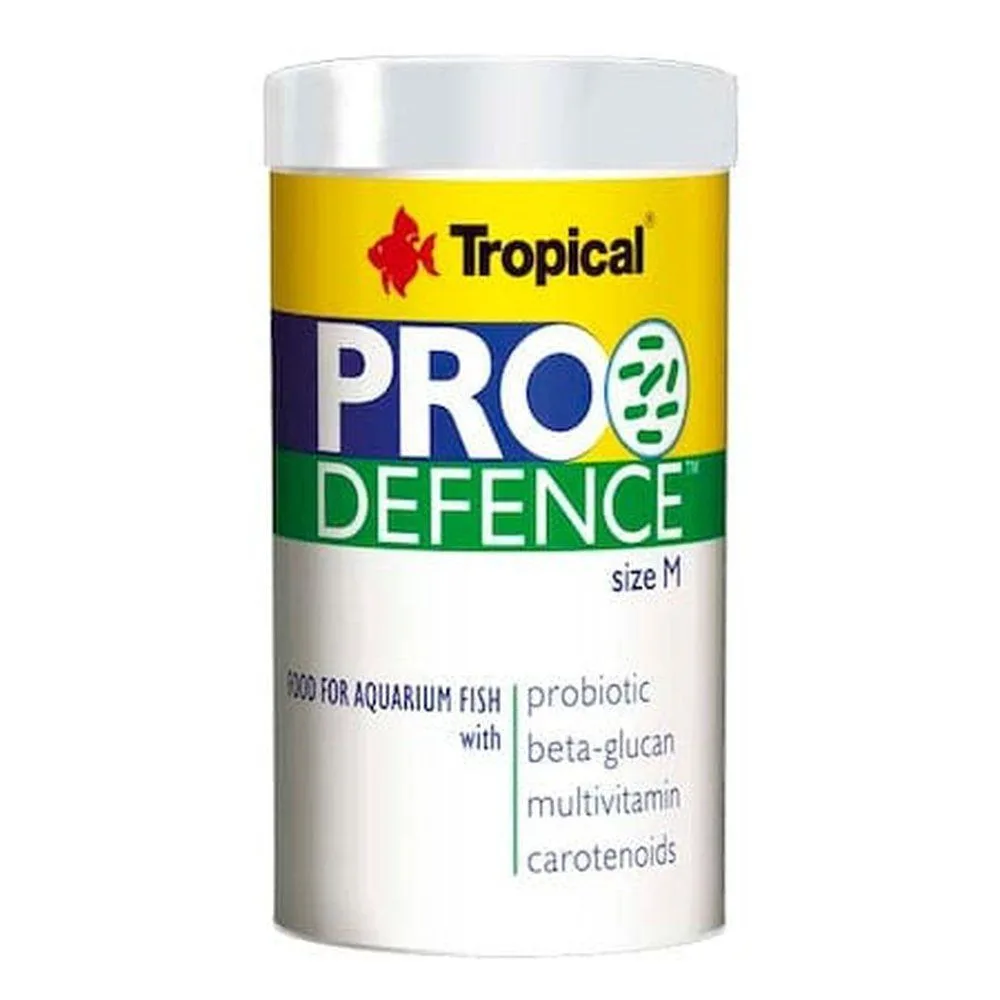
Granulated Probiotic Food for Freshwater Fish, Tropical ProDefence M, 44g/100 ml
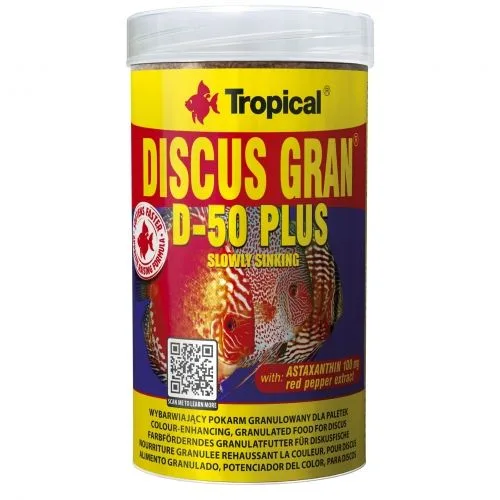
Granulated Food for Discus, Tropical, Discus Gran D-50 Plus, 44 g/100 ml
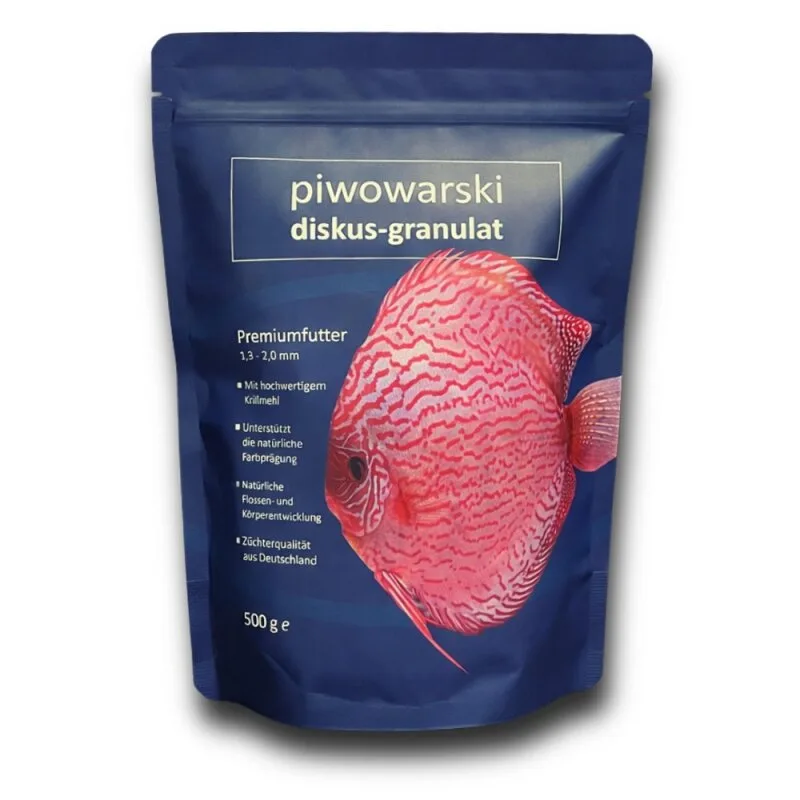
Discus Fish Granules - Piwo - granules 1.3–2 mm - 500g

Hikari Discus Bio Gold 80 g
Catappa Leaves, Sera Catappa Leaves - M

Bacteria Culture Additive, Seachem Stability, 1 L

Aqua Medic Premium Line Reverse Osmosis System

ARKA AQUATICS myAQUA 1900 Reverse Osmosis System

ARKA myAqua380 Reverse Osmosis System

Seachem Stability - Aquarium Biological Stabilizer 250 ml