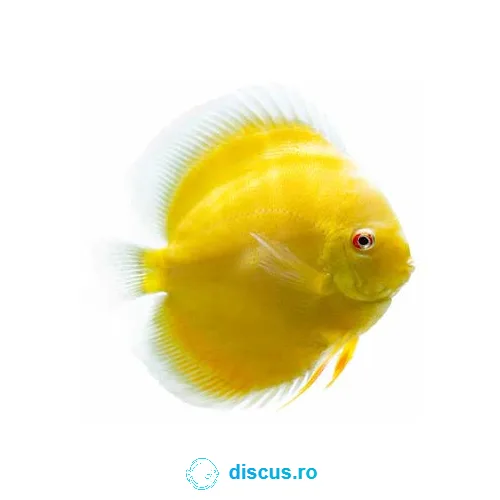
Albino Golden
Symphysodon sp.
Description
The Albino Golden variety represents a spectacular selection within the Symphysodon family, standing out for its intense golden-yellow coloration and immaculate appearance. These discus provide a luminous aesthetic, being highly valued for their elegance in display aquariums. Due to the complete absence of melanin, they emanate a unique brilliance, becoming the visual center of any properly maintained tank. It is a delicate variety that requires experience, but offers great visual satisfaction to discus enthusiasts, being highly prized specimens by collectors interested in rare and demanding albino varieties.
🌍 Origin & History
This variety is the result of genetic crossing between Golden lines and albino genes, a process carried out through rigorous selection in specialized Asian hatcheries. Although its origins are closely linked to artificial selection efforts to obtain light colors, the variety emerged through the fixation of specific recessive mutations. It is not a wild species, but a stabilized hybrid creation in a controlled environment, crafted to highlight the purity of the yellow color in the absence of any dark pigments or stress bars visible on the body.
Appearance
Albino Golden specimens exhibit a perfectly round, symmetrical body and a uniform golden-yellow coloration, devoid of any form of melanin. The eyes are a bright red, specific to albino varieties, and the fins are translucent, maintaining the same solar hues. These discus do not display vertical bars or dark spots on the body, their appearance being defined by purity and brightness. Adult size reaches 13–17 cm, an impressive size that highlights the luster of the skin and the fineness of the contours, making them ideal specimens for minimalist aquascaping or tanks focused on light colors.
🧬 Genetic background
The genetics of the Albino Golden variety are based on double recessive transmission. To obtain fry with this phenotype, both parents must carry the genes for both albino and Golden color. The combination eliminates melanin, revealing the base golden hue, and the characteristic red eyes are the hallmark of the albino gene. Breeding requires careful attention to the selection of carrier pairs.
Recommended water parameters
Care
Care requires water with a pH between 6-7 and constant temperatures of 28–30°C. They are sensitive fish, requiring weekly partial water changes of 20-30% to maintain quality and avoid diseases. Diffuse lighting is recommended, as strong light stresses them. Food must be varied and rich in carotenoids to intensify the yellow color. They are peaceful creatures, compatible with small tetras or Corydoras, but it is necessary to avoid aggressive species or those that may compete excessively for food at the substrate level or water column.
Breeding
Breeding is difficult, requiring mature, healthy pairs that carry both recessive genes (albino and golden). Water conditions must be kept impeccable to allow for spawning and hatching. It is crucial to separate the pair into their own tank to avoid stress and ensure spawning success. Because the fry are very sensitive to water quality and require fine live food immediately after yolk sac resorption, only experienced breeders can effectively manage the development stages of these special discus.
💡 Practical tips
- →Use Spirulina and carotenoids to maintain the intense golden-yellow hue.
- →Avoid direct exposure to strong light to reduce ocular stress.
- →Perform regular water tests to keep pH values stable.
- →Provide a varied diet with high-quality frozen food (artemia).
- →Monitor fish behavior to detect any sign of disease early.
- →Keep the substrate clean to prevent nitrate accumulation and infections.
Related guides
Articles relevant to you
Useful tools
Quick aquarium calculators
Other varieties in the Albino group
Products for this variety
Filters, food, tests and treatments for discus
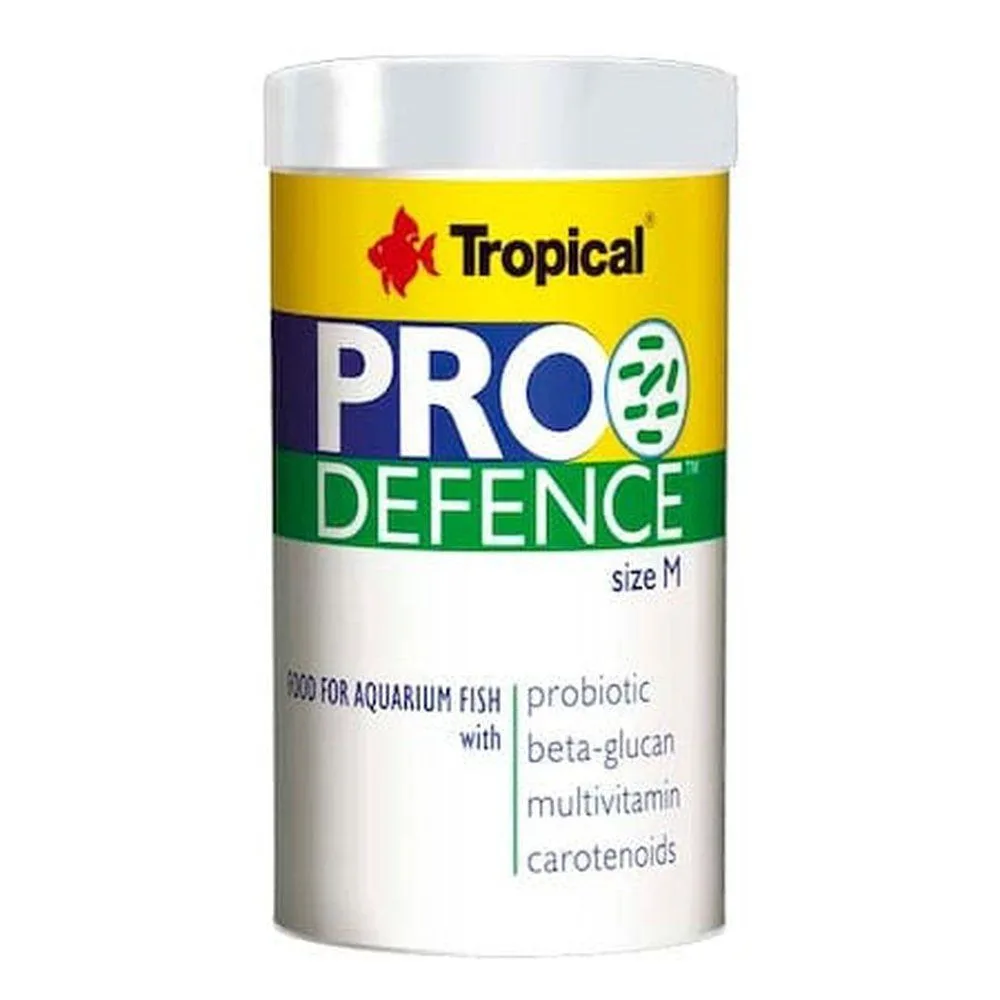
Granulated Probiotic Food for Freshwater Fish, Tropical ProDefence M, 44g/100 ml
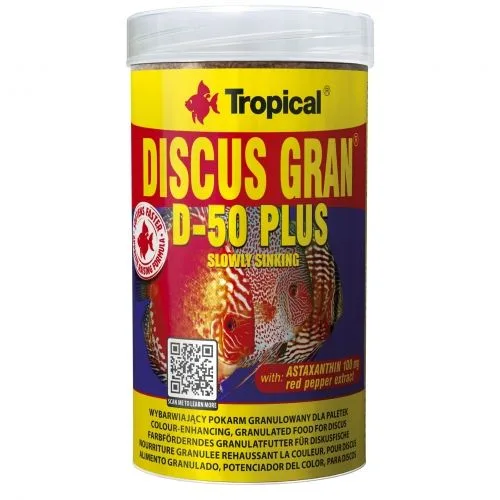
Granulated Food for Discus, Tropical, Discus Gran D-50 Plus, 44 g/100 ml
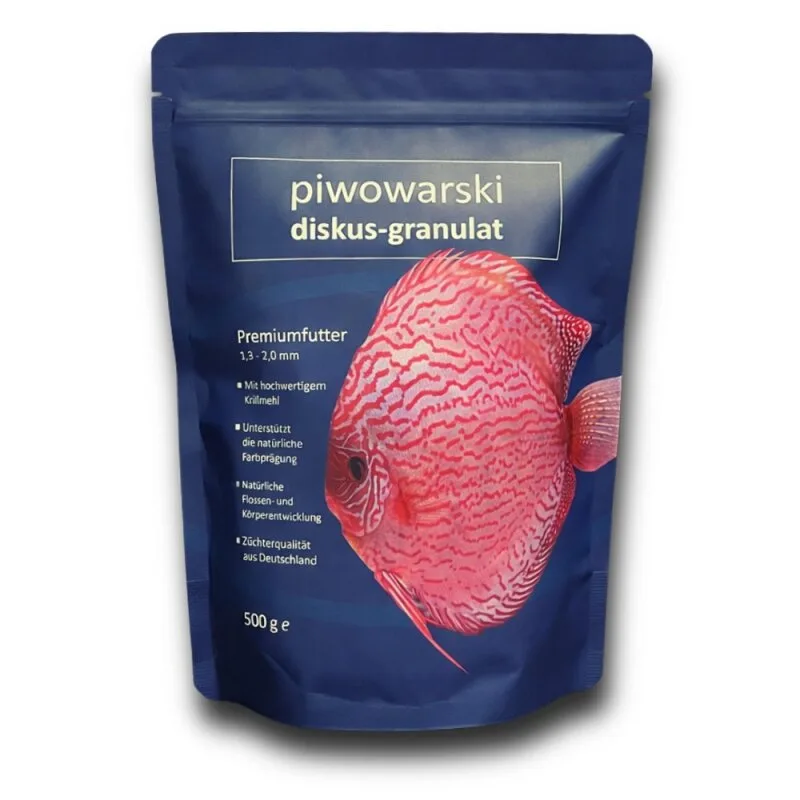
Discus Fish Granules - Piwo - granules 1.3–2 mm - 500g

Hikari Discus Bio Gold 80 g
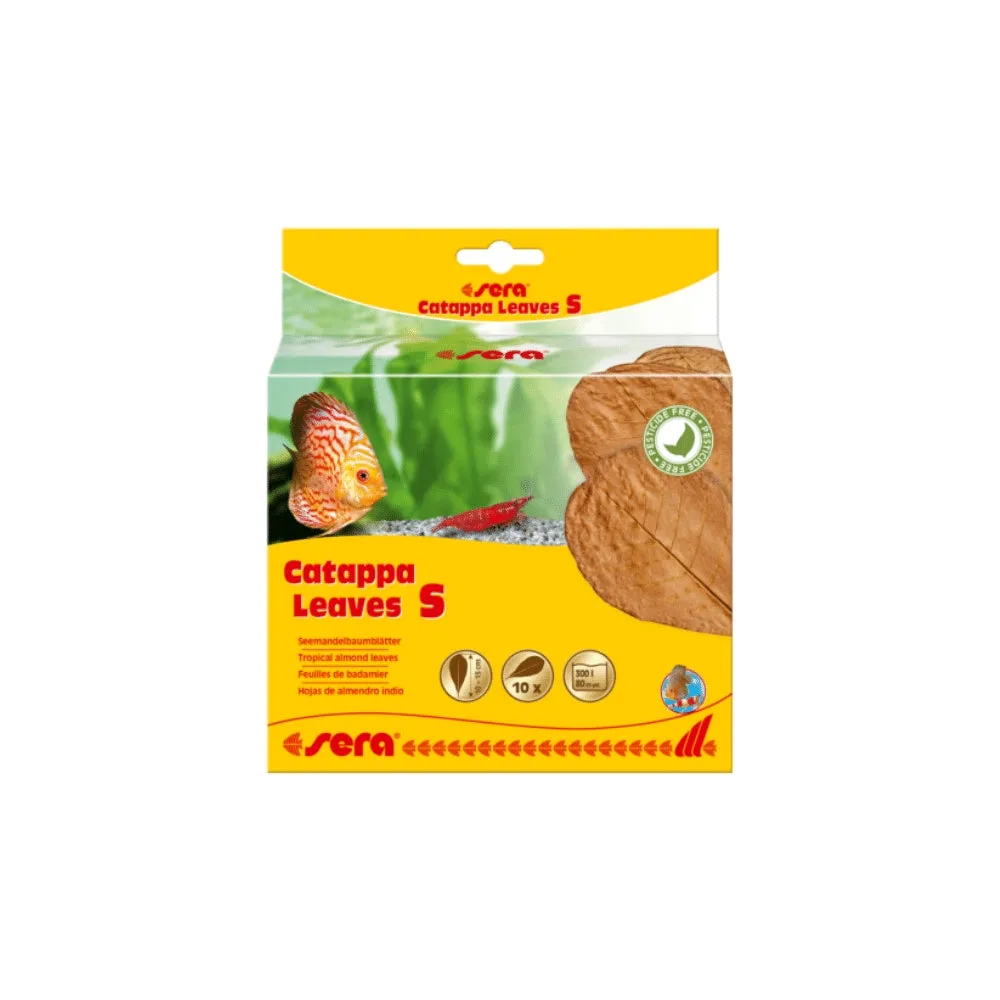
Catappa Leaves, Sera Catappa Leaves - M

Bacteria Culture Additive, Seachem Stability, 1 L

Aqua Medic Premium Line Reverse Osmosis System

ARKA AQUATICS myAQUA 1900 Reverse Osmosis System

ARKA myAqua380 Reverse Osmosis System

Seachem Stability - Aquarium Biological Stabilizer 250 ml