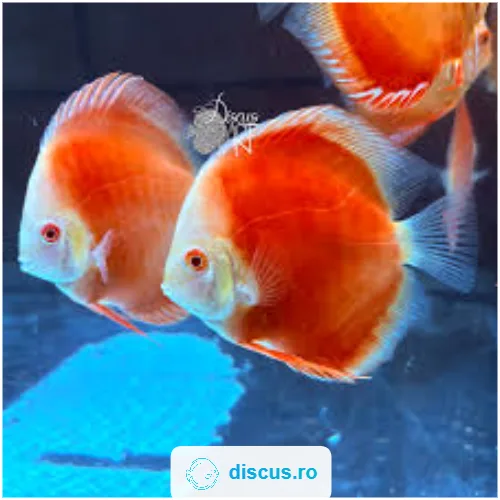
Albino Red Cover
Symphysodon sp.
Description
Albino Red Cover is a spectacular discus variety, prized for its intense and uniform red-orange color. This variety displays the specific characteristics of the albino group, marked by its red eyes, a hallmark of the recessive gene. The round and harmonious body is completely covered in vibrant shades that extend to the fins, creating a strong visual contrast. It is a noble fish that requires increased attention and optimal aquarium conditions, considered an elite choice for passionate breeders looking for a specimen with an impeccable and rare aesthetic.
🌍 Origin & History
This variety is the result of rigorous genetic selection, combining the albino gene with the traits of the Red Cover variety. The latter is known for the solid chromatic coverage of the body and fins. Through controlled breeding, breeders have managed to stabilize the albino trait without losing the intensity of the red pigment. Its origin is closely linked to the development of turquoise discus lines, which were successively selected to maximize the red coverage area over the entire surface of the fish, resulting in this exclusive phenotype.
Appearance
The Albino Red Cover is distinguished by a spherical, well-proportioned body, dominated by an intense orange-red hue. Due to albinism, the scales reflect light in a pearly way, providing a unique depth to the color. The red, clearly visible eyes are the focal point of the face, while the dorsal and anal fins are fully pigmented in red, without unsightly stripes or spots. This chromatic uniformity, supported by a perfectly round shape, makes this fish an exhibition specimen, with an imposing presence and an unmistakable glow in any dedicated aquarium.
🧬 Genetic background
The genetics of the Albino Red Cover specimen is based on the interaction between the recessive albino gene and Red Cover lines. This combination produces a special optical effect, where the red pigment acquires a pearly, transparent glow, specific to albino specimens. Selection focuses on line purity and maintaining the round shape, ensuring that genes for total red coverage are correctly expressed while eliminating the presence of vertical stripes that can appear in other discus varieties.
Recommended water parameters
Care
Care requires a mature aquarium, with temperatures between 29 and 31°C and a pH maintained between 6 and 6.8. Lighting should be diffused or moderate, as albino specimens are sensitive to intense light. Weekly water changes of 20-30% are mandatory to avoid nitrate accumulation. A varied diet, rich in astaxanthin, is recommended to maintain the intensity of the red color. They are gregarious fish, preferring groups of at least 6 individuals, compatible with peaceful small or medium-sized species, such as tetras or corydoras, under minimal stress conditions.
Breeding
Breeding this discus is considered difficult and requires vast experience. It is essential to use water with low hardness and acidic pH for success. Pairs must be chosen carefully to ensure quality genetic traits. Parents can be very sensitive, and the eggs require impeccable hygienic conditions to avoid mold. Since they are albino fish, the fry need special nutritional care from the first days of life, and their development must be constantly monitored to detect potential congenital malformations that can appear in inbred lines.
💡 Practical tips
- →Provide a diet rich in astaxanthin for color enhancement.
- →Avoid exposure to direct or very strong light.
- →Monitor water quality daily to prevent diseases.
- →Keep these fish in groups of at least 6 individuals.
- →Pay close attention to hygiene conditions during breeding.
- →The albino and red cover combination is extremely rare.
Related guides
Articles relevant to you
Useful tools
Quick aquarium calculators
Other varieties in the Albino group
Products for this variety
Filters, food, tests and treatments for discus
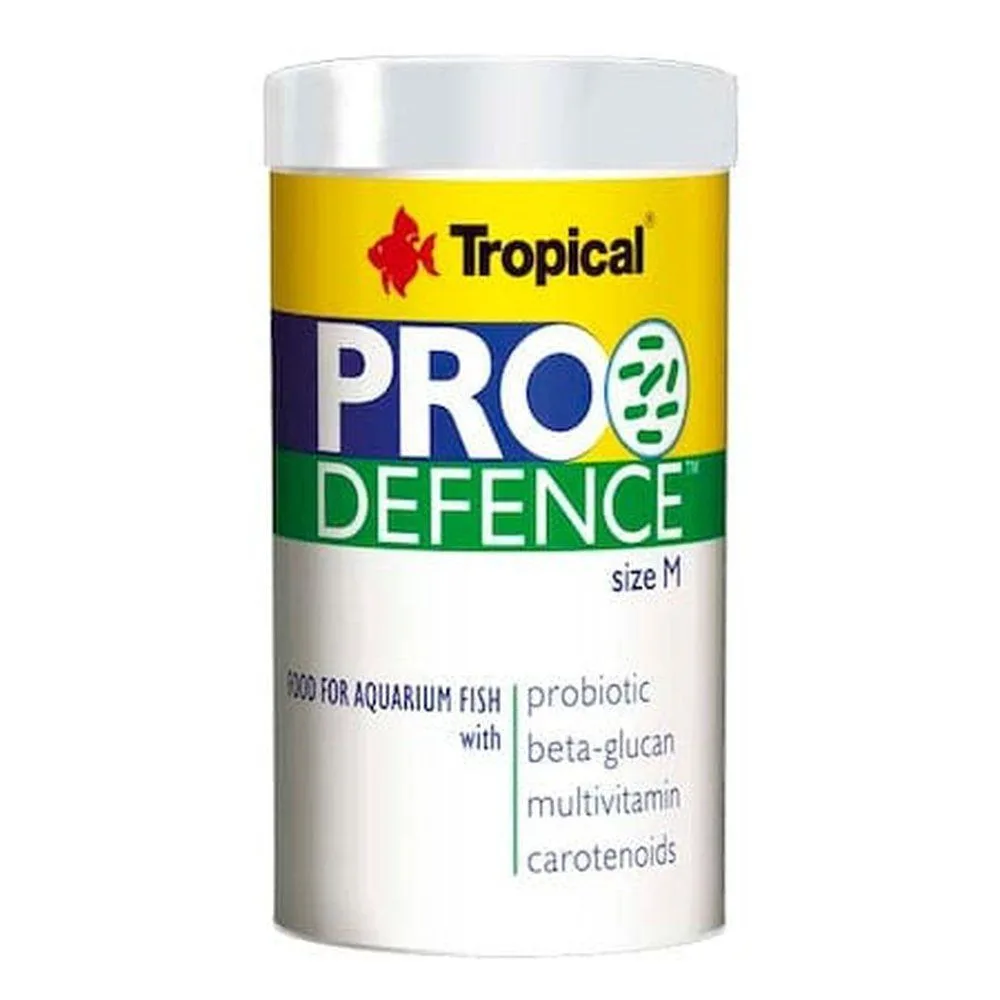
Granulated Probiotic Food for Freshwater Fish, Tropical ProDefence M, 44g/100 ml
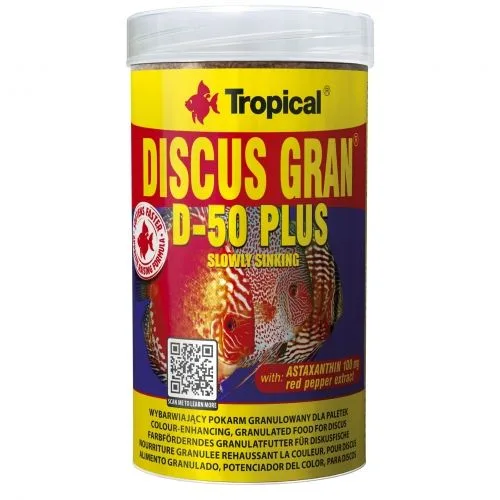
Granulated Food for Discus, Tropical, Discus Gran D-50 Plus, 44 g/100 ml
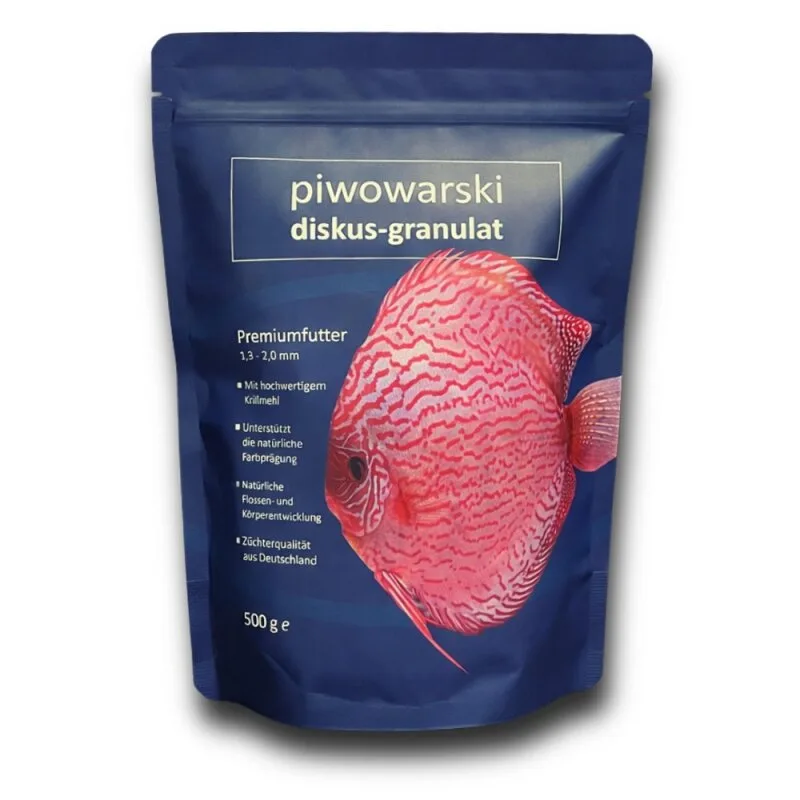
Discus Fish Granules - Piwo - granules 1.3–2 mm - 500g

Hikari Discus Bio Gold 80 g
Catappa Leaves, Sera Catappa Leaves - M

Bacteria Culture Additive, Seachem Stability, 1 L

Aqua Medic Premium Line Reverse Osmosis System

ARKA AQUATICS myAQUA 1900 Reverse Osmosis System

ARKA myAqua380 Reverse Osmosis System

Seachem Stability - Aquarium Biological Stabilizer 250 ml