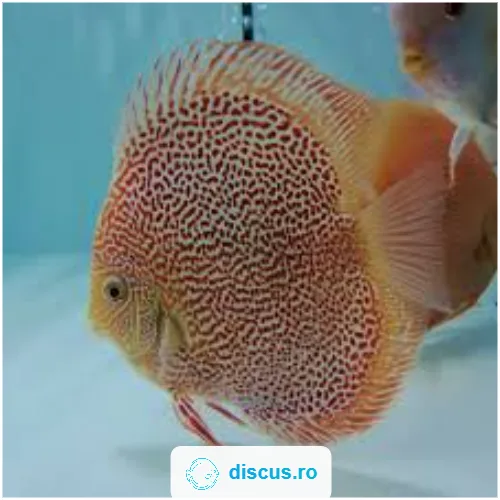
Albino Leopard Snake
Symphysodon sp.
Description
The Albino Leopard Snake represents one of the most spectacular discus varieties, combining complex genetic traits to offer a distinctive visual appearance. This variety displays a fascinating contrast between the light background, characteristic of albino specimens, and a dense pattern composed of spots and fine lines. It is a fish highly valued by collectors for its elegance and uniqueness, becoming a centerpiece in any large aquarium. Due to its visual complexity, each specimen becomes a rare and precious piece for any enthusiast of South American cichlids.
🌍 Origin & History
This variety is the result of a rigorous process of selection and controlled hybridization, considered a complex triple hybrid. Its provenance combines the genetic traits of Albino, Leopard, and Snakeskin varieties. This deliberate crossbreeding aimed to achieve a discus that brings together all three major aesthetic characteristics on a background lacking melanin. Its origin reflects the success of modern selective breeding techniques, where genetics are manipulated to create specimens with an extremely dense and sophisticated chromatic pattern.
Appearance
The Albino Leopard Snake is distinguished by a creamy-blue body, which serves as a background for a dense pattern of fine lines and distinct dots. The eyes are red, typical of albino varieties, offering a striking contrast. The pattern covers most of the body, with the density of leopard-like spots complemented by the fine network of snakeskin designs. The fins are often finely outlined, harmonizing with the rest of the body. Adult sizes reach 13–17 cm, displaying a round shape, characteristic of show-quality specimens, with an imposing presence and vibrant coloration.
🧬 Genetic background
Genetically, the variety is a complex hybrid between Albino, Leopard, and Snakeskin. The genotype determines the absence of black pigment (melanin) and the simultaneous expression of leopard spots along with the fine network of snakeskin lines. Fixing these traits into a single line is difficult, requiring stable inbred lines to ensure the maintenance of pattern clarity and the light base color in future generations.
Recommended water parameters
Care
Care requires strict conditions: water temperature between 28-30°C and a pH maintained between 6 and 7. The aquarium must be spacious, with strong biological filtration and weekly partial water changes of 30-50%. They are sensitive to water quality and stress, requiring a quiet environment. Compatibility is good with small tetra or corydoras species, as long as the temperature is appropriate. Food must be varied, rich in proteins and carotenoids to highlight colors, including high-quality beef heart mixes and premium dry food.
Breeding
Breeding is extremely difficult, requiring much experience to manage the complex genetics of this hybrid. The triple pattern is hard to fix, and the success rate in obtaining high-quality specimens is low. Maintaining a compatible pair and impeccable water parameters is crucial. Often, the fry can vary significantly regarding the pattern, making selection a continuous and demanding process for any breeder wishing to maintain the purity of the variety.
💡 Practical tips
- →Provide a varied diet for vibrant colors.
- →Monitor aquarium water quality daily.
- →Avoid stress by providing secluded areas.
- →Select only specimens with symmetric patterns.
- →Maintain constant temperature without large fluctuations.
- →The pattern is unique to each specimen.
Related guides
Articles relevant to you
Useful tools
Quick aquarium calculators
Other varieties in the Albino group
Products for this variety
Filters, food, tests and treatments for discus
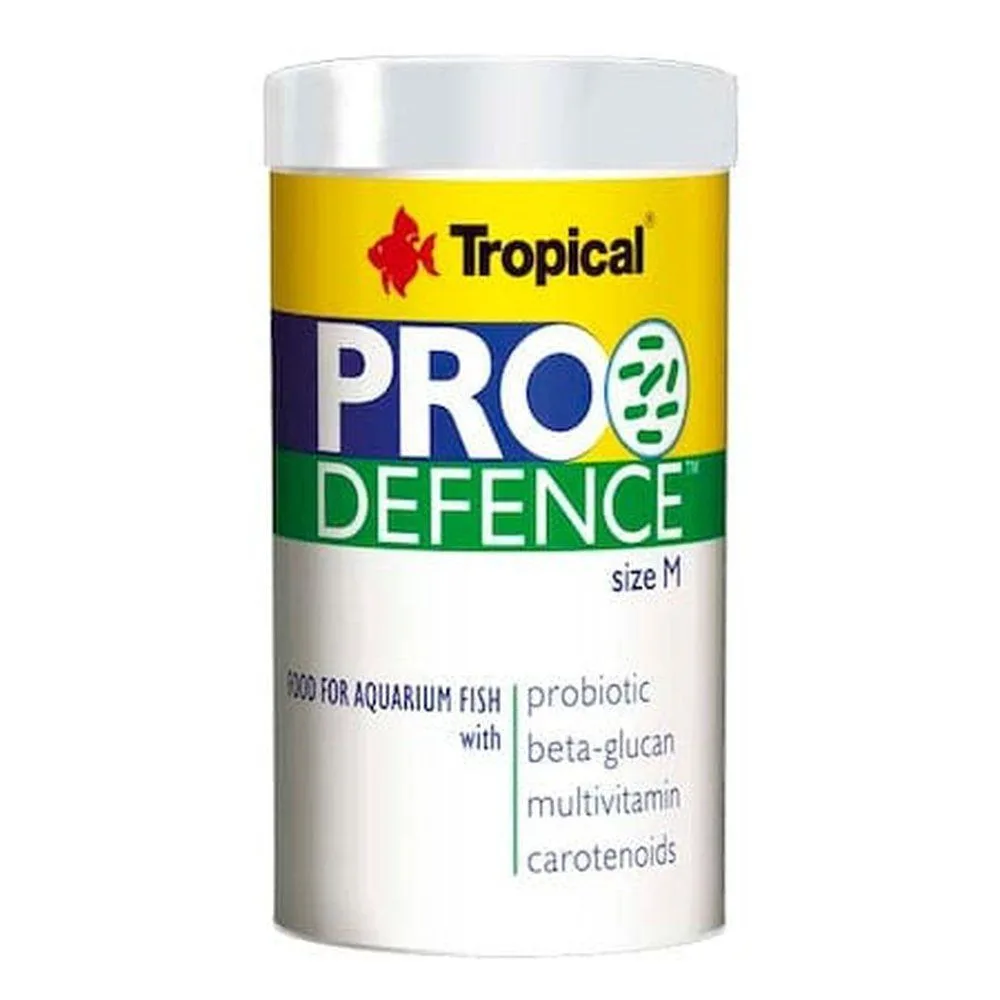
Granulated Probiotic Food for Freshwater Fish, Tropical ProDefence M, 44g/100 ml
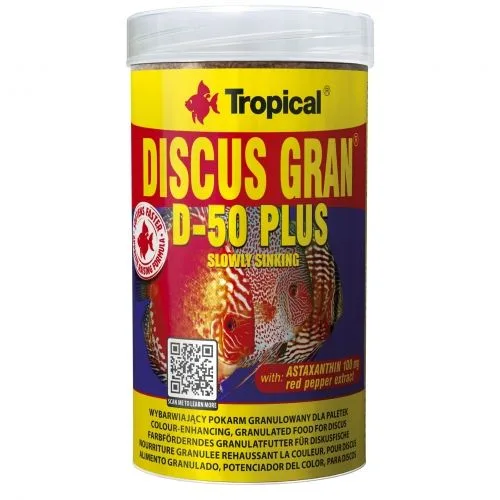
Granulated Food for Discus, Tropical, Discus Gran D-50 Plus, 44 g/100 ml
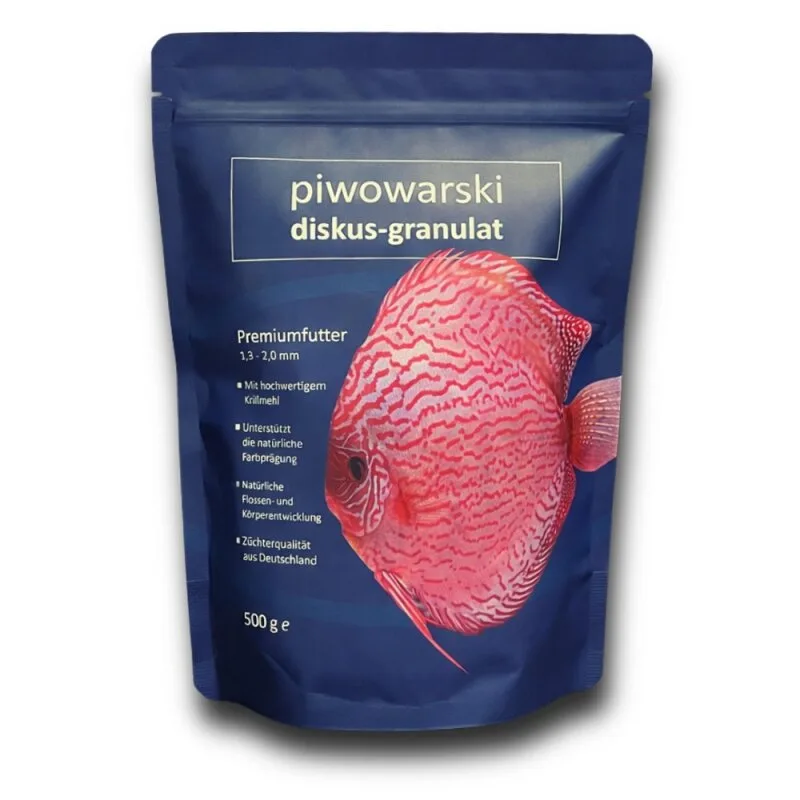
Discus Fish Granules - Piwo - granules 1.3–2 mm - 500g

Hikari Discus Bio Gold 80 g
Catappa Leaves, Sera Catappa Leaves - M

Bacteria Culture Additive, Seachem Stability, 1 L

Aqua Medic Premium Line Reverse Osmosis System

ARKA AQUATICS myAQUA 1900 Reverse Osmosis System

ARKA myAqua380 Reverse Osmosis System

Seachem Stability - Aquarium Biological Stabilizer 250 ml