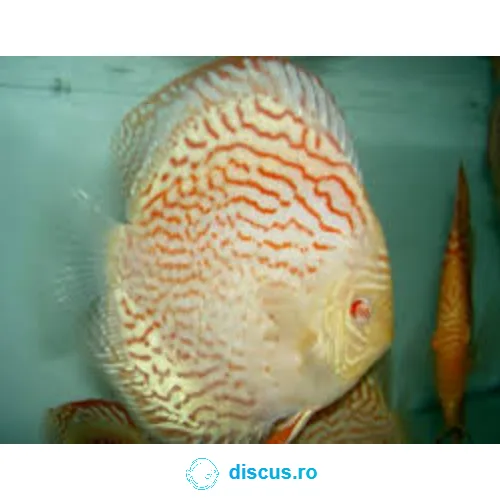
Albino Turquoise
Symphysodon sp.
Description
The Albino Turquoise is a remarkable discus variety, defined by vibrant electric turquoise stripes traversing a light cream or yellowish-white body. The red eyes, characteristic of the albino group, add a distinctive touch to this specimen. This color combination provides a spectacular visual contrast in any aquarium, making it an undeniable focal point. Although it requires increased attention compared to common varieties, its ethereal appearance and elegant movements make this fish a highly prized acquisition for enthusiasts passionate about rare discus breeds.
🌍 Origin & History
This variety is the result of genetic selection combining the albino gene with the complex striping pattern typical of Turquoise discus. The turquoise stripes remain visible due to iridophores, non-melanic cells unaffected by the albino mutation. Through successive breeding, breeders have stabilized the albino trait while maintaining the intensity of the turquoise pattern, resulting in a fish that perfectly balances the lack of melanin with the brilliant metallic reflections admired today in this exotic species.
Appearance
The Albino Turquoise features a body with light shades, ranging from cream to yellowish-white, serving as a backdrop for bright turquoise horizontal stripes. Red eyes, the hallmark of albinism, complete the contrasting look. The body structure follows the round shape specific to the Symphysodon species, with well-developed, contoured fins. The light background emphasizes active iridophores, creating an intense metallic glow under proper lighting. Unlike standard Turquoise, the lack of melanin eliminates dark vertical bars, giving the fish a much brighter and cleaner appearance, especially prized in aquaristic beauty contests.
🧬 Genetic background
The genetics of the Albino Turquoise variety stem from crosses between Red or Blue Turquoise and albino specimens. Because iridophores, responsible for metallic reflections, are not dependent on melanin, the turquoise pattern remains visible even in the absence of dark pigment. This specific genetic trait is recessively inherited, requiring both parents to carry the gene to produce offspring that clearly manifest these impressive visual characteristics in the aquarium.
Recommended water parameters
Care
Care requires maintaining a pH between 6 and 7 and temperatures between 28-30°C. Partial water changes of 25% weekly are essential for health. Because they are sensitive to bright light, moderate lighting and decor with plants for hiding spots are recommended. They are schooling fish, so they should be kept in groups of at least 6 individuals. Food should be varied, including quality flakes, discus pellets, and frozen food (artemia, bloodworms). They are compatible with peaceful, small-sized species, such as tetras or corydoras, avoiding aggressive fish that could cause them unnecessary stress.
Breeding
Breeding is considered difficult and requires vast experience. Pairs must be isolated in dedicated breeding tanks where water conditions must be rigorously controlled. Since the albino gene can influence vitality, the selection of healthy specimens is critical. The intensity of turquoise stripes in fry can vary significantly, with not all possessing the visual quality of the parents. Success depends on the parents' nutrition and impeccable hygiene of the rearing environment, as fry are extremely sensitive to water quality in their first weeks of life.
💡 Practical tips
- →Avoid strong direct light in the aquarium.
- →Feed the fish with artemia for vitality.
- →Monitor water quality daily.
- →Provide enough space for swimming.
- →Use light-colored substrate.
- →Group them with calm fish species.
Related guides
Articles relevant to you
Useful tools
Quick aquarium calculators
Other varieties in the Albino group
Products for this variety
Filters, food, tests and treatments for discus
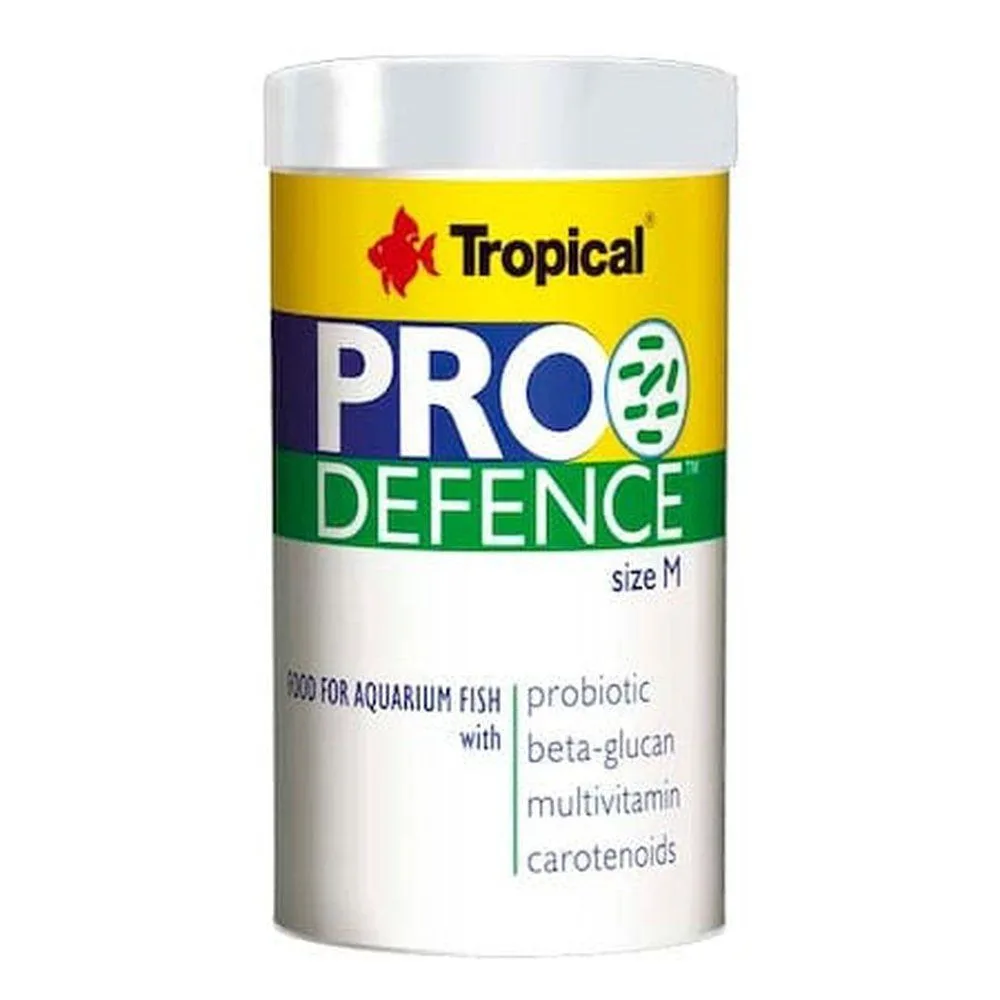
Granulated Probiotic Food for Freshwater Fish, Tropical ProDefence M, 44g/100 ml
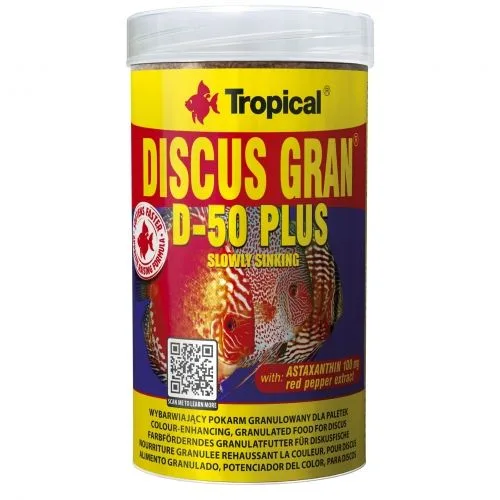
Granulated Food for Discus, Tropical, Discus Gran D-50 Plus, 44 g/100 ml
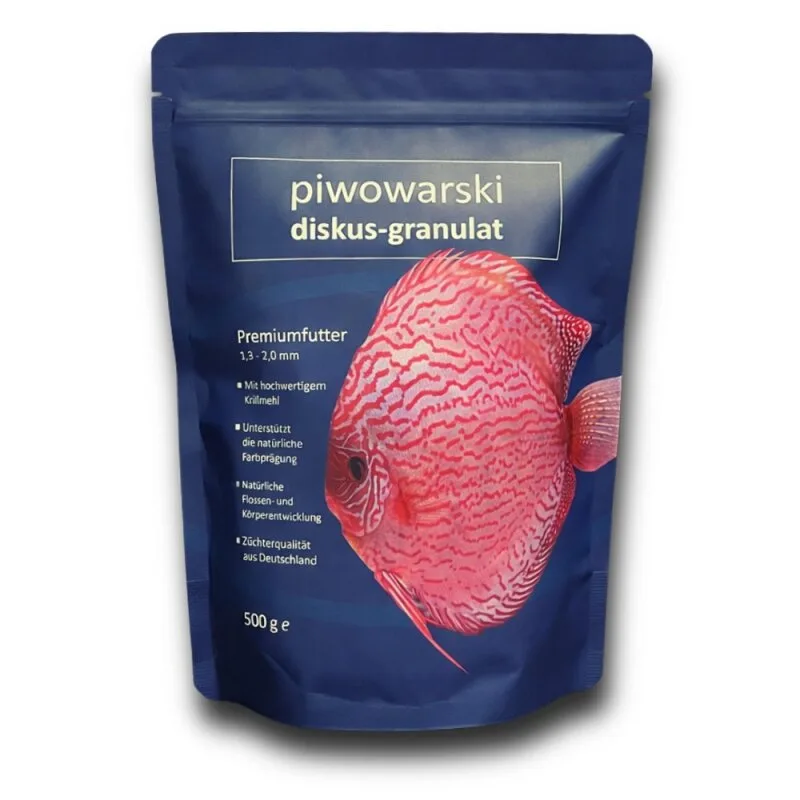
Discus Fish Granules - Piwo - granules 1.3–2 mm - 500g

Hikari Discus Bio Gold 80 g
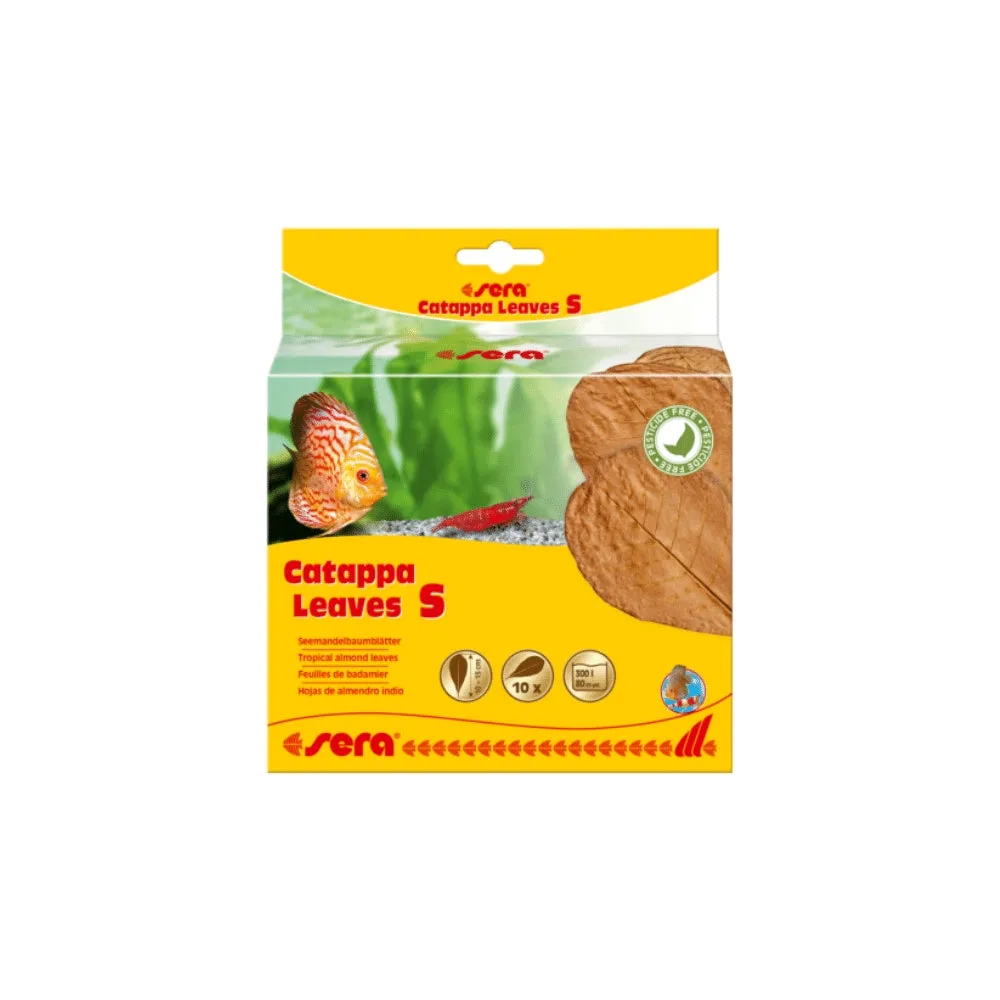
Catappa Leaves, Sera Catappa Leaves - M

Bacteria Culture Additive, Seachem Stability, 1 L

Aqua Medic Premium Line Reverse Osmosis System

ARKA AQUATICS myAQUA 1900 Reverse Osmosis System

ARKA myAqua380 Reverse Osmosis System

Seachem Stability - Aquarium Biological Stabilizer 250 ml