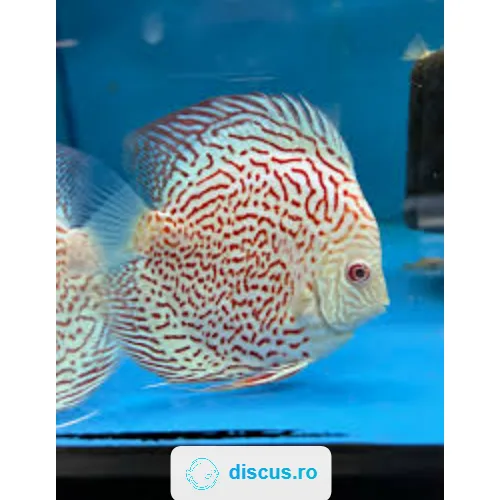
Albino Leopard
Symphysodon sp.
Description
The Albino Leopard is an exceptional discus variety, standing out through the combination of the typical leopard spotted pattern and the traits specific to albinism. Fish in this group attract attention due to the contrast between their light-colored bodies and decorative spots, being considered collector's items due to their rarity and spectacular visual appearance. This variety requires careful care, being ideal for experienced aquarists who wish to diversify their tank's aesthetics with a specimen that combines the natural elegance of form with an atypical coloration.
🌍 Origin & History
This variety emerged in specialized hatcheries through the rigorous selection of specimens exhibiting both the gene for albinism and the spotted pattern traits. Its origin is the result of controlled crossing between Leopard specimens and Albino varieties. The selection process aimed to stabilize specific spots on a clean chromatic background, characteristic of the absence of melanin, thus consolidating a distinct genetic line appreciated in the aquarium community for its unique aesthetic obtained through modern breeding and directed selection methods.
Appearance
The specimen features a body with cream or whitish shades, over which brown-reddish spots typical of the Leopard are distributed. The eyes are an intense red, a hallmark of albinism. Due to the absence of melanin, the contrast between the spots and the body background is softer compared to the standard Leopard variety, offering a diaphanous and elegant look. The body shape is round, typical of the species, and the fins are often translucent. The visual appearance becomes finalized upon maturation, when spots become more numerous and evident on the fish's lateral surface.
🧬 Genetic background
The genetics of this variety are based on the transmission of two recessive genes: the albino gene and the leopard gene. To obtain offspring with this phenotype, both parents must be at least carriers of these genes. Since both traits are recessive, the success rate in obtaining specimens with well-defined spots and complete albinism characteristics can be low, requiring pure bloodlines or established carriers to avoid degrading the quality of the pattern.
Recommended water parameters
Care
Maintenance requires stable parameters: temperature between 28-30°C and pH between 6-7. The water must be very clean, with weekly 30-40% changes to prevent nitrate accumulation. Because they are sensitive to bright light, moderate lighting and shaded areas in the aquarium are recommended. The diet must be varied, including frozen food, quality pellets, and brine shrimp. They are social fish but quite shy, being compatible with peaceful small or medium-sized species, such as tetras or corydoras, avoiding aggressive fish that could stress them.
Breeding
Breeding is considered difficult and requires advanced experience. Parents must be healthy and well-fed. It is crucial that the water in the breeding tank be very soft and acidic to ensure hatching success. After spawning, both parents guard the eggs, but the sensitivity of albino fry is increased. Rigorous hygiene of the breeding tank and immediate feeding of the fry with brine shrimp nauplii as soon as they start free-swimming is essential to ensure their optimal development.
💡 Practical tips
- →Avoid very bright direct light.
- →Monitor water quality weekly.
- →Feed the fish in small portions.
- →Maintain a constant temperature.
- →Add floating plants for shade.
- →Wait for maturity for full pattern.
Related guides
Articles relevant to you
Useful tools
Quick aquarium calculators
Other varieties in the Albino group
Products for this variety
Filters, food, tests and treatments for discus
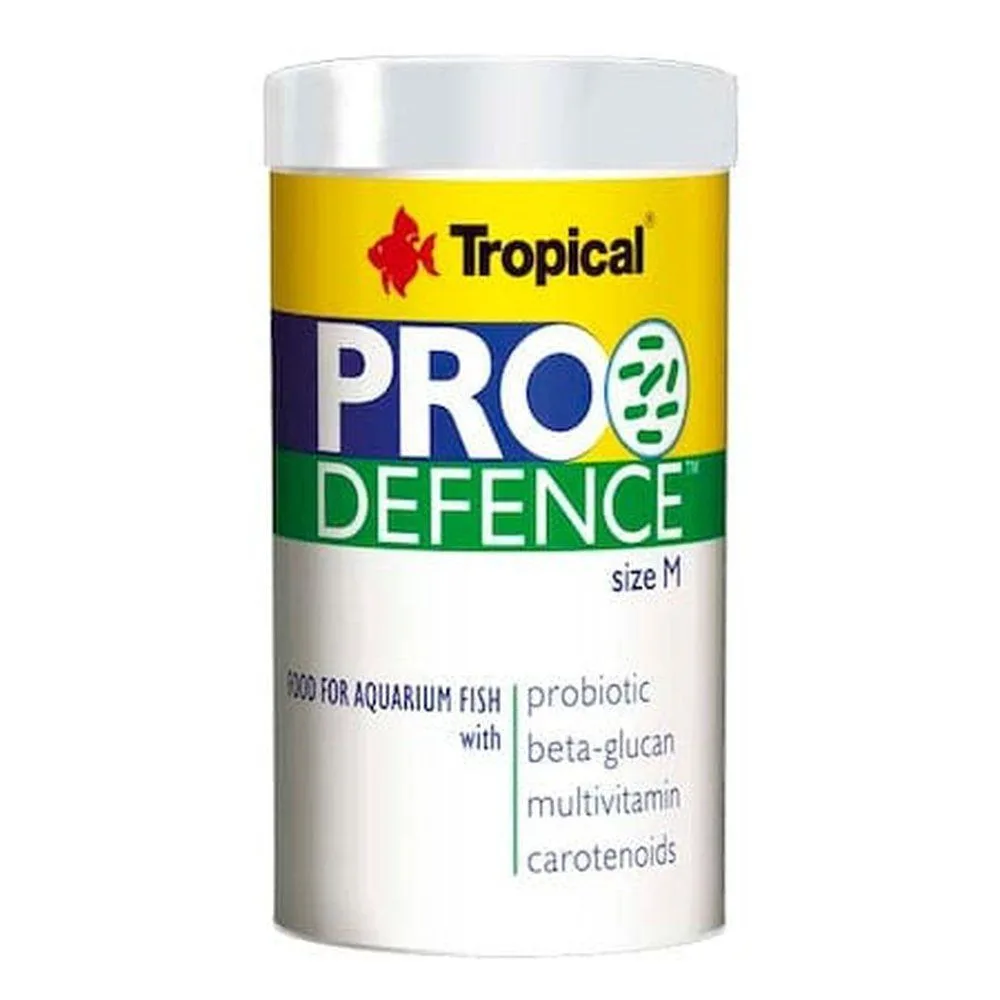
Granulated Probiotic Food for Freshwater Fish, Tropical ProDefence M, 44g/100 ml
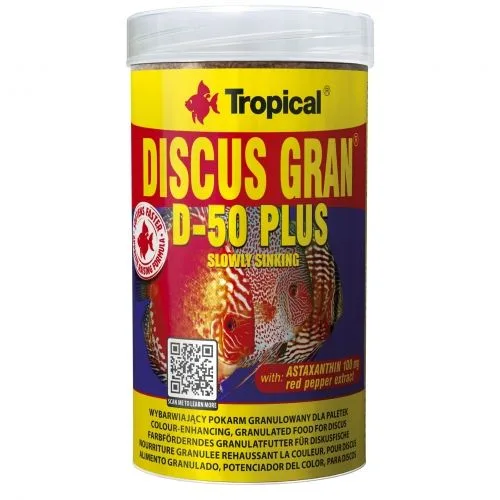
Granulated Food for Discus, Tropical, Discus Gran D-50 Plus, 44 g/100 ml
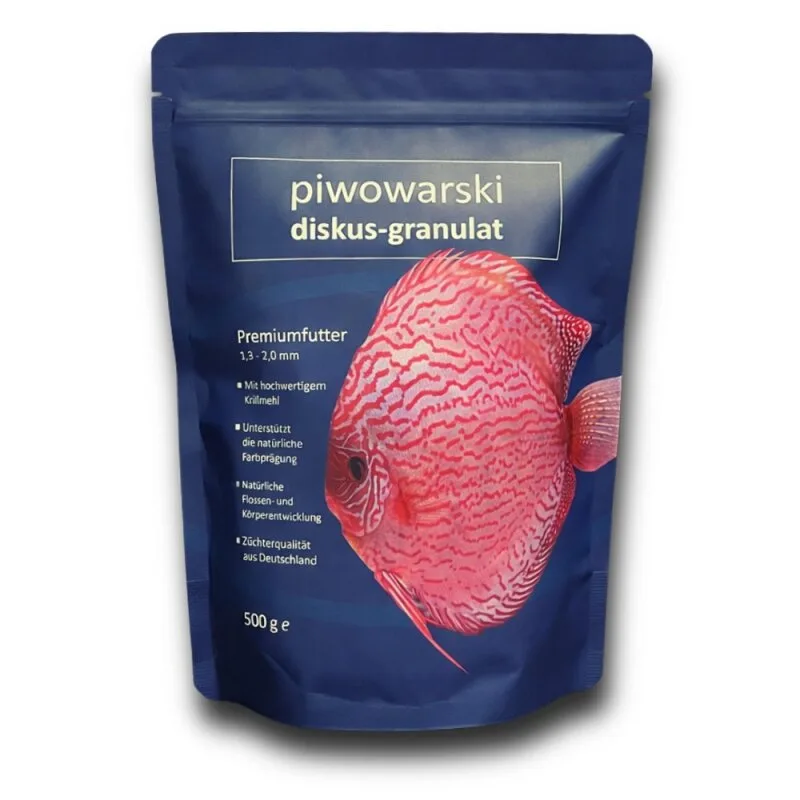
Discus Fish Granules - Piwo - granules 1.3–2 mm - 500g

Hikari Discus Bio Gold 80 g
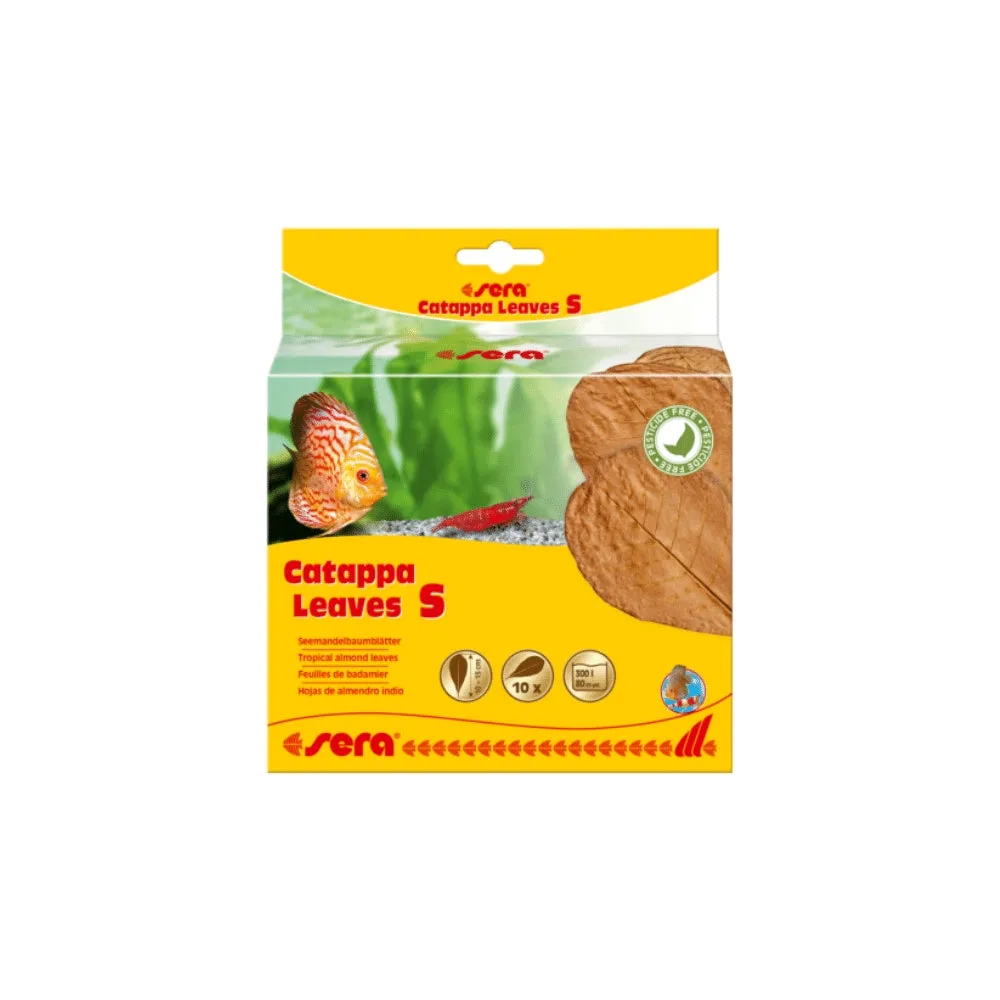
Catappa Leaves, Sera Catappa Leaves - M

Bacteria Culture Additive, Seachem Stability, 1 L

Aqua Medic Premium Line Reverse Osmosis System

ARKA AQUATICS myAQUA 1900 Reverse Osmosis System

ARKA myAqua380 Reverse Osmosis System

Seachem Stability - Aquarium Biological Stabilizer 250 ml