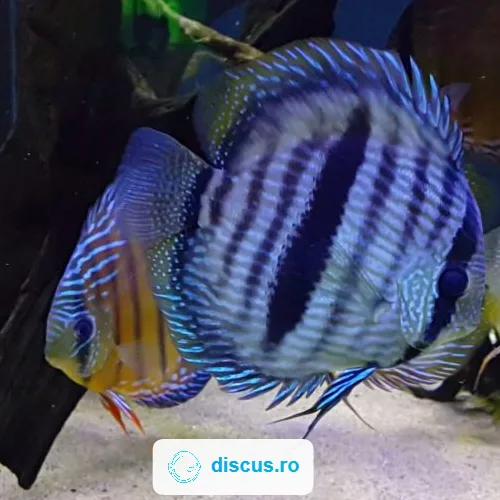
Blue Discus Wild
Symphysodon aequifasciatus haraldi
Description
Blue Discus Wild (Symphysodon aequifasciatus) represents the classic wild form, highly valued by enthusiasts for its natural and elegant appearance. This variety displays a superb visual contrast between its brownish or bluish body and intense turquoise iridescent lines. Considered a benchmark in specialized aquaristics, the wild blue discus retains the charm of Amazonian waters, being a captivating species that requires attention and a deep understanding of its biological needs to thrive in a controlled environment.
🌍 Origin & History
This variety originates primarily from the basins of the Rio Purus and Rio Madeira rivers, as well as various sectors of the central Amazon in Brazil. Their natural habitats consist of slow-moving water areas, often called blackwater or clearwater, rich in plant debris and submerged branches that provide protection from predators. This vast geographical distribution contributes to the subtle color variations observed between different local populations, reflecting the species' adaptability to the specific conditions of their wild environment.
Appearance
Specimens feature a brownish-bluish discoidal body marked by bright turquoise horizontal lines covering the flanks, forehead, and fins. The species displays nine vertical stress bars that become visible depending on their emotional state or health. Their eyes are a deep red, offering a striking contrast. As the fish mature, the intensity of the turquoise can significantly increase, providing a spectacular visual display. Adult sizes range between 14 and 18 cm, requiring sufficient space for free swimming and the harmonious development of their fins.
🧬 Genetic background
Blue Discus Wild is recognized as a subspecies of Symphysodon aequifasciatus. Its defining genetic characteristic is the pattern of vibrant turquoise-blue horizontal lines that cross the entire body, unlike Brown varieties where these are limited to the forehead and fins. This trait served as the genetic foundation for the subsequent development of numerous domestic Turquoise varieties, being an essential marker in discus genetics for color selection and line patterns.
Recommended water parameters
Care
Care requires a constant temperature between 28 and 30°C and a pH between 5.5 and 6.8. They are gregarious fish, so it is recommended to keep a group of at least 5-6 specimens. Partial water changes must be performed weekly to prevent nitrate buildup. The diet must be varied, including frozen food (artemia, bloodworms) and quality pellets. They are compatible with small and medium-sized fish that prefer the same temperature conditions, such as cardinals or corydoras, avoiding highly aggressive species or those that compete directly for food.
Breeding
Breeding is possible under controlled conditions, requiring a compatible pair and extremely soft, acidic water for hatching success. Parents demonstrate exemplary parental behavior, caring for the fry and feeding them with specific skin secretions. It is a challenge for experienced hobbyists but provides immense satisfaction. Dedicated breeding tanks are recommended to protect eggs and fry from other tank inhabitants while ensuring impeccable water hygiene.
💡 Practical tips
- →The most adaptable wild form for beginners
- →Always maintain a stable temperature at 28-30°C
- →Colored lines fully define after 8-12 months
- →Provide a varied diet for vibrant colors
- →Forms the genetic basis for Turquoise varieties
- →Social groups reduce stress and increase immunity
Related guides
Articles relevant to you
Useful tools
Quick aquarium calculators
Other varieties in the Wild group
Products for this variety
Filters, food, tests and treatments for discus
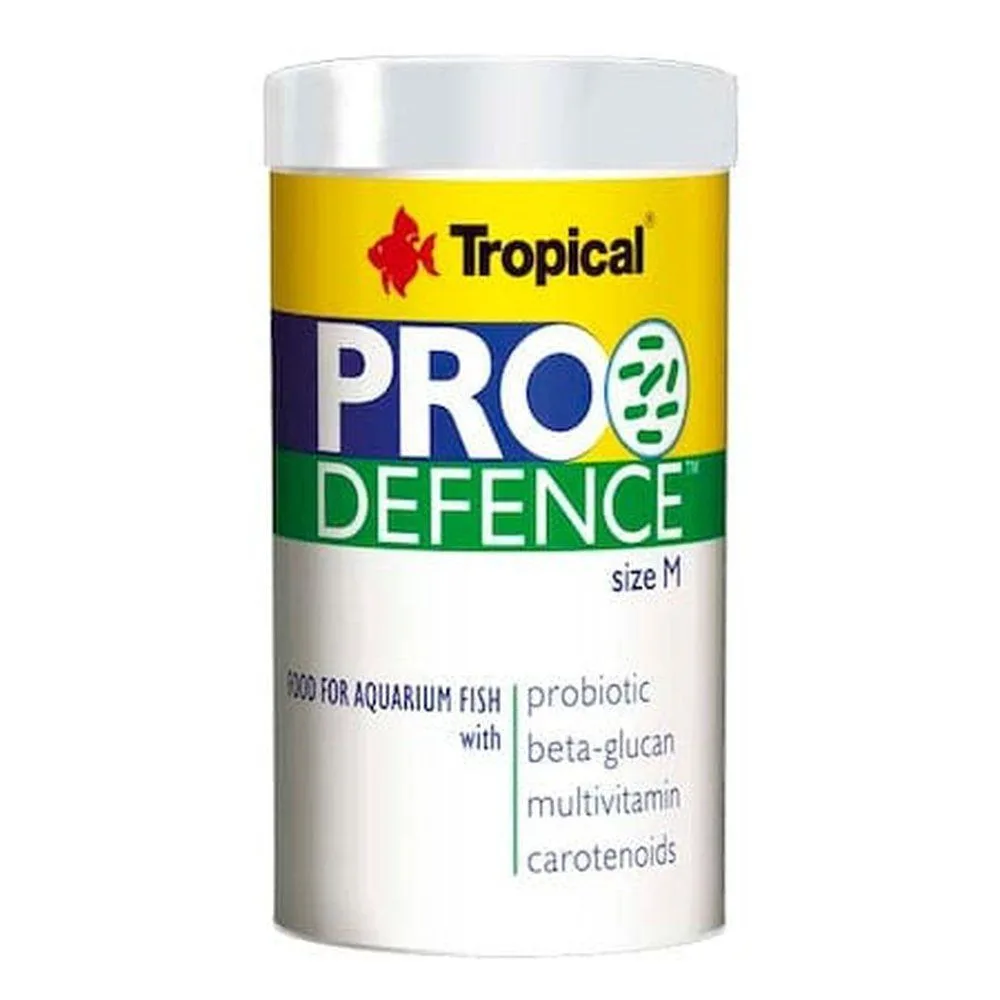
Granulated Probiotic Food for Freshwater Fish, Tropical ProDefence M, 44g/100 ml
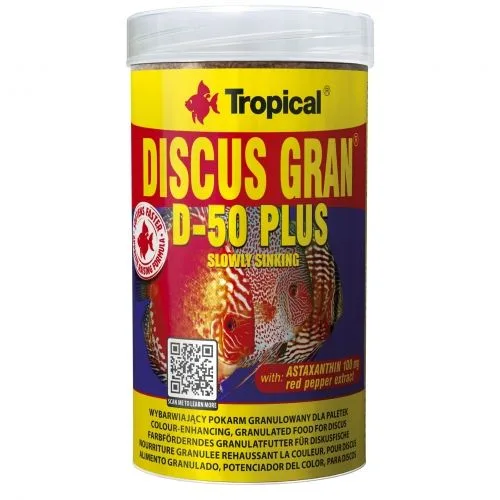
Granulated Food for Discus, Tropical, Discus Gran D-50 Plus, 44 g/100 ml
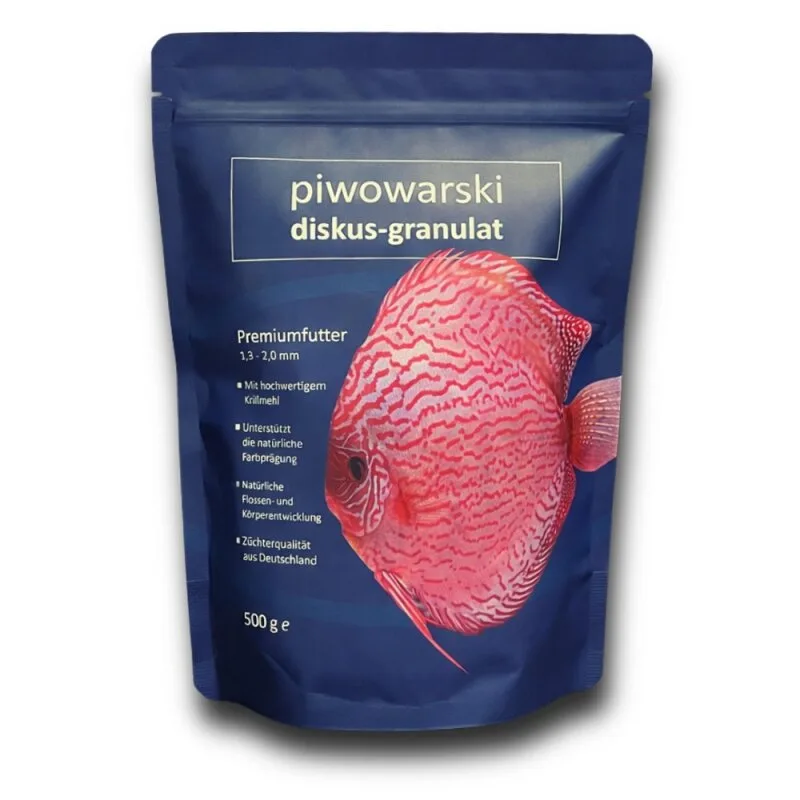
Discus Fish Granules - Piwo - granules 1.3–2 mm - 500g

Hikari Discus Bio Gold 80 g
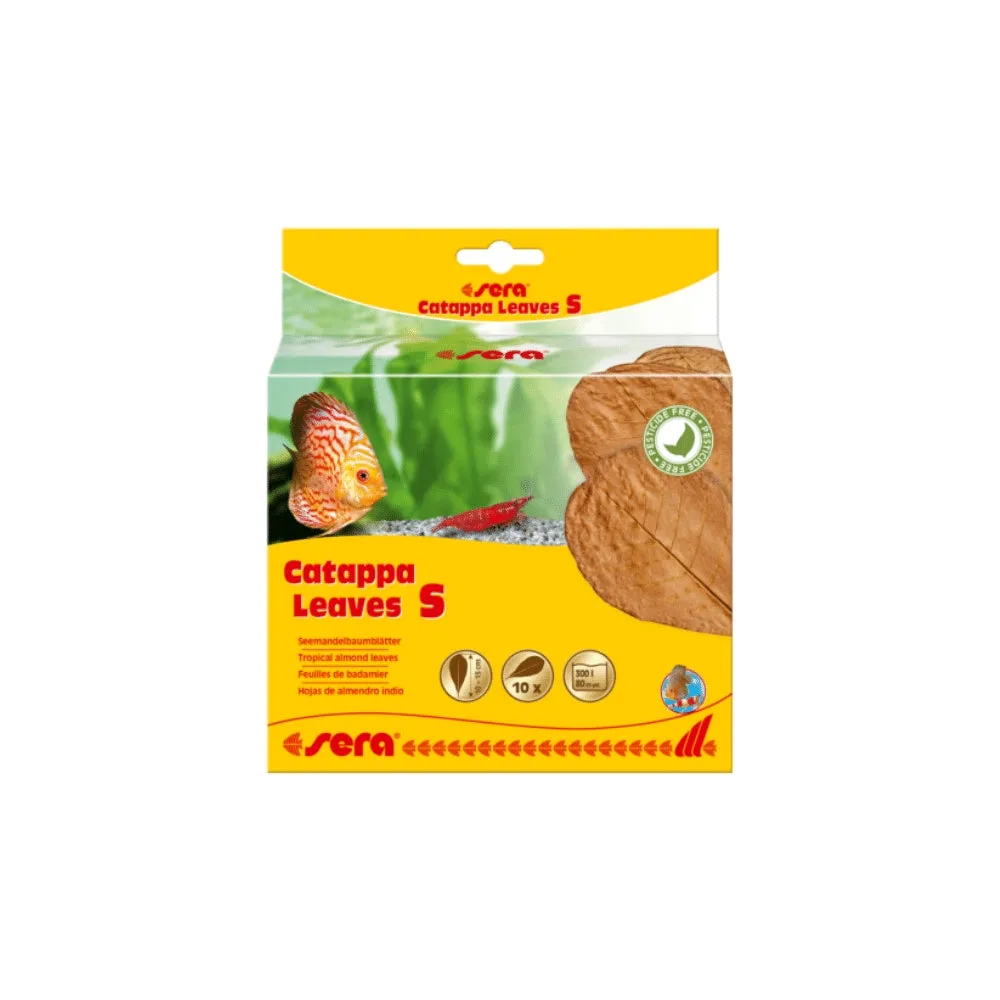
Catappa Leaves, Sera Catappa Leaves - M

Bacteria Culture Additive, Seachem Stability, 1 L

Aqua Medic Premium Line Reverse Osmosis System

ARKA AQUATICS myAQUA 1900 Reverse Osmosis System

ARKA myAqua380 Reverse Osmosis System

Seachem Stability - Aquarium Biological Stabilizer 250 ml