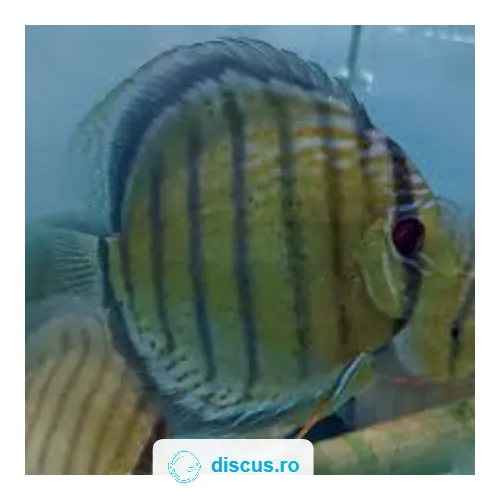
Royal Red Spotted Green
Symphysodon tarzoo
Description
Considered the king of wild varieties, the Royal Red Spotted Green represents the pinnacle of rarity in the discus world. These fish are highly prized for their intricate patterns and vibrant coloration, often serving as the centerpiece in elite collections. Due to the difficulty of collection and the rigorous selection of top specimens, their price reaches impressive levels. It is a variety aimed at experienced hobbyists who understand the necessity of maintaining a pristine environment to preserve the natural beauty and vitality of these exceptional discus directly from the Amazon basin.
🌍 Origin & History
These discus originate exclusively from the Tefé and Coari regions in Brazil. They represent a superior variant of the Green Discus (Symphysodon tarzoo). The Royal classification is assigned only to wild specimens that display an exceptional density of red spots on their natural green background. This specific population is protected by a complex habitat and is found in blackwater zones, being harvested only during specific periods, which drastically limits their availability in the global aquarium market.
Appearance
Specimens possess a robust body with shades of turquoise-green, crossed by numerous bright red spots that uniformly cover the flanks, as well as the dorsal, anal, and caudal fins. The Royal quality is dictated by the density and contrast of these spots, which must create a continuous visual effect. Mature fish display a distinct metallic luster, and the color intensity depends directly on water quality and nutritional intake, providing a spectacular look specific to wild specimens of high purity, without any artificial hybridization.
🧬 Genetic background
The result of natural genetic selection within the Symphysodon tarzoo species. Only a tiny fraction, between 1 and 5% of the Green Discus population, achieves the density and intensity of red spotting required for the Royal classification. This trait is genetically fixed in the Tefé basin populations, being an adaptation and camouflage feature in the specific environment, which has become a benchmark for aesthetic quality.
Recommended water parameters
Care
Requires blackwater conditions: remineralized RO water (pH 4.8–6.2, temperature 28–31°C). Using catappa leaves and peat is essential for tannins. They are shy fish, requiring a quiet, well-planted aquarium with regular water changes (20% weekly). Feeding must be varied: artemia, krill, and frozen mixes with astaxanthin for pigmentation. It is recommended to keep them in groups of at least 6, avoiding mixing with aggressive species or domestic discus that may introduce pathogens unknown to these fragile wild discus.
Breeding
Breeding in captivity is extremely difficult and rarely successful with wild specimens. The process requires strict soft, acidic water conditions and a very specific diet to induce spawning behavior. Due to the complexity and high risk of losing mature specimens, the vast majority of fish available in trade are caught directly from their natural habitats, thus maintaining the purity of the genetic line and the difficulty of the breeding process.
💡 Practical tips
- →Treat them as a long-term investment
- →Maintain water with tannins using catappa leaves
- →Use only food enriched with astaxanthin
- →Avoid incomplete quarantine before introduction
- →Strictly monitor water parameters daily
- →Do not mix them with farm-bred discus
Related guides
Articles relevant to you
Useful tools
Quick aquarium calculators
Other varieties in the Wild group
Products for this variety
Filters, food, tests and treatments for discus
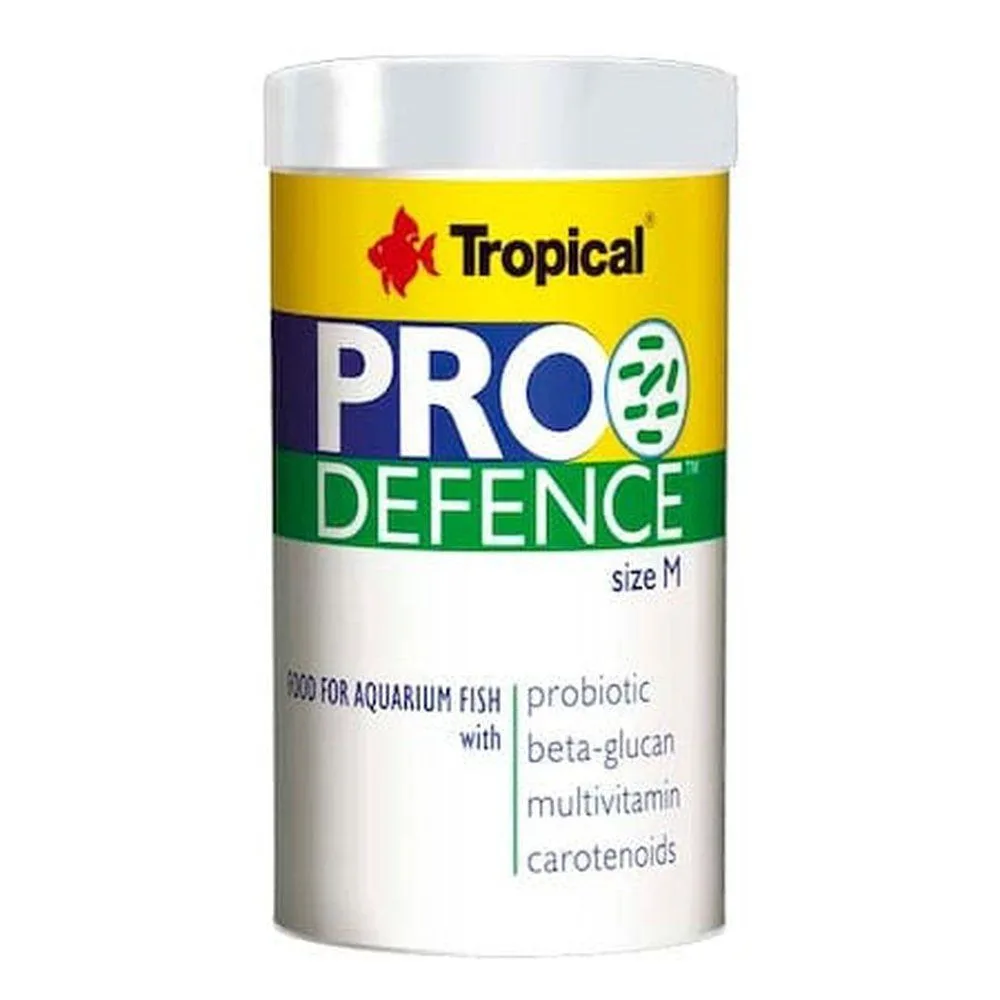
Granulated Probiotic Food for Freshwater Fish, Tropical ProDefence M, 44g/100 ml
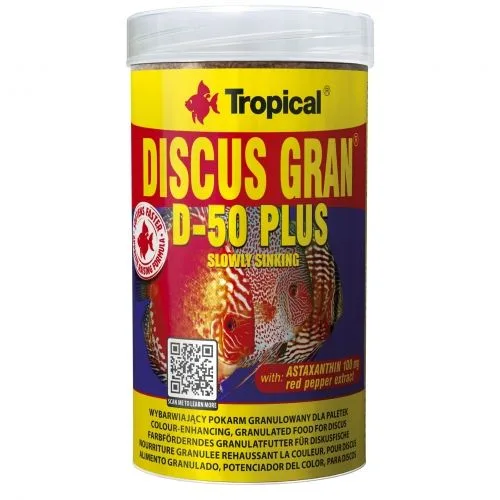
Granulated Food for Discus, Tropical, Discus Gran D-50 Plus, 44 g/100 ml
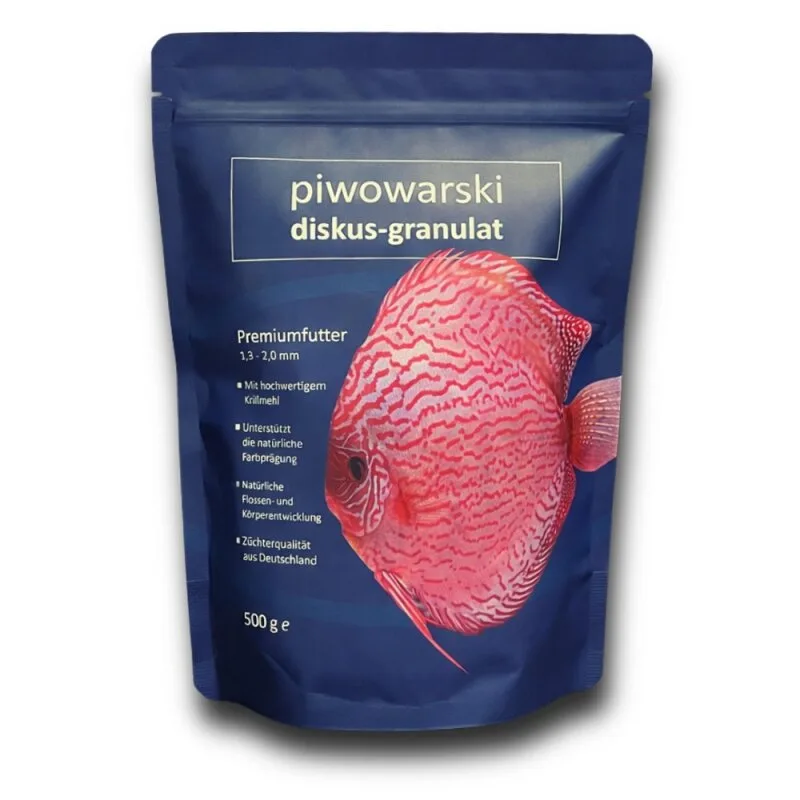
Discus Fish Granules - Piwo - granules 1.3–2 mm - 500g

Hikari Discus Bio Gold 80 g
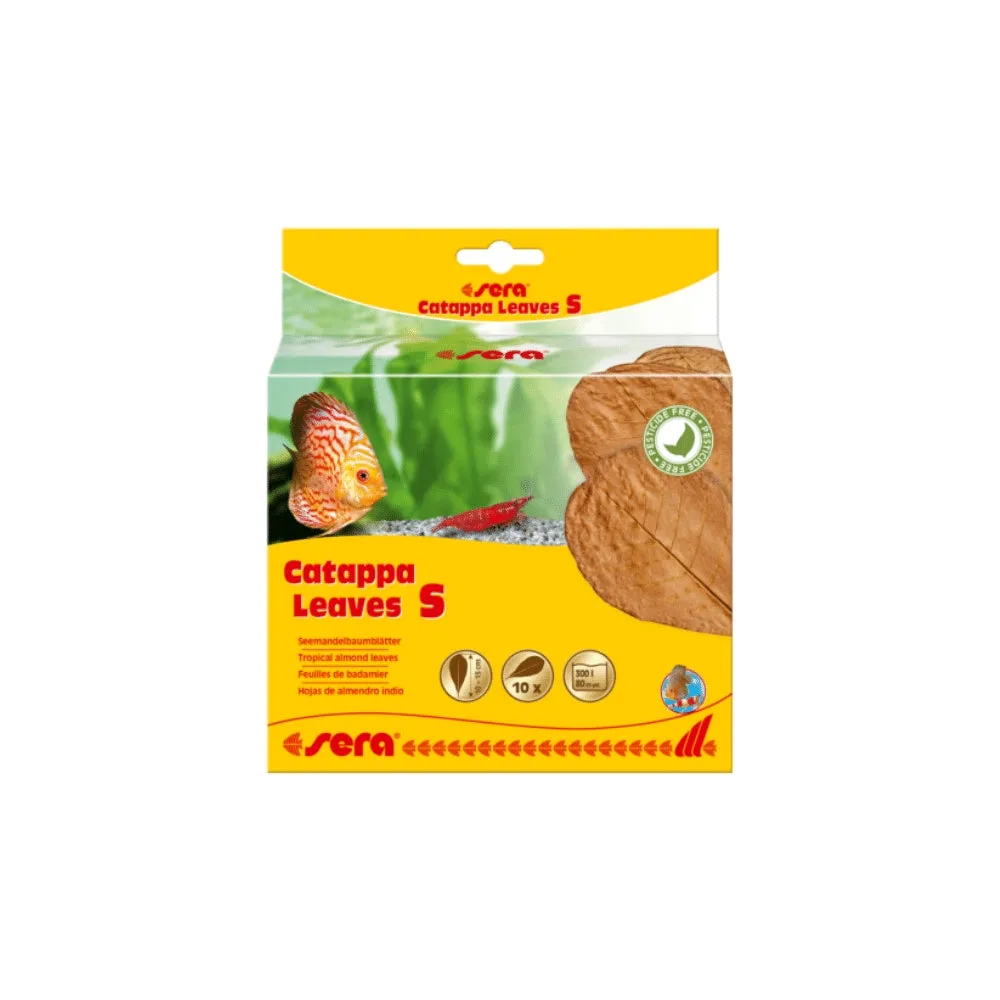
Catappa Leaves, Sera Catappa Leaves - M

Bacteria Culture Additive, Seachem Stability, 1 L

Aqua Medic Premium Line Reverse Osmosis System

ARKA AQUATICS myAQUA 1900 Reverse Osmosis System

ARKA myAqua380 Reverse Osmosis System

Seachem Stability - Aquarium Biological Stabilizer 250 ml