
Santarém Wild
Symphysodon aequifasciatus
Description
Santarém Wild represents one of the most captivating and variable wild discus populations, offering remarkable phenotypic diversity within the same group. Each specimen is unique, displaying a fascinating chromatic spectrum ranging from intense turquoise-blue hues to warm golden-green tones. These fish are recognized for their fine stippling and random color distribution, making them highly coveted by collectors passionate about natural varieties. Their imposing character and complex visual adaptability place them at the top of specialized aquaristics preferences, being iconic specimens for the complexity of the Amazonian ecosystem.
🌍 Origin & History
This variety originates from the Santarém area, located at the confluence of the Tapajós River with the Amazon River in Pará, Brazil. This geographical region is considered a critical transition zone, where local populations exhibit intermediate traits. The aquatic environment is rich in tannins and sediments, providing a specific habitat characterized by varied water flows, which directly influence the chromatic development and the formation of these distinct populations, renowned for their unique genetic and aesthetic combinations.
Appearance
Santarém Wild stands out with a robust body, featuring a typical discus silhouette, decorated with fine horizontal lines and small dots randomly distributed on the flanks. Colors range from vibrant turquoise-blue to greenish-golden shades, often combined on the same specimen. The distinctive trait is the presence of nine vertical bars, which become more visible during stress or communication, complemented by deep, bright red eyes. This morphology represents a rare visual combination, providing a refined and spectacular aesthetic appearance for any display tank.
🧬 Genetic background
From a genetic perspective, Santarém Wild is classified within the Symphysodon aequifasciatus species. The population displays a complex genetic pattern, considered a point of interference between Blue Discus and Green Discus lineages. This natural hybridization, occurring in their native habitat, explains the high variability of specimens collected from this area, where genes responsible for blue and green coloration intermingle harmoniously in each generation of wild fish.
Recommended water parameters
Care
Care requires strict conditions: soft water (GH 2-6) and slightly acidic (pH 5.5-6.8), maintained at a temperature of 28-30°C. Water changes must be constant (20-30% weekly) to prevent nitrate buildup. They are fish with hierarchical social behavior, which is why it is recommended to keep them in groups of at least 6-8 individuals. As tank mates, they can be kept with small-sized fish, such as tetras or corydoras, that tolerate high temperatures. Feeding must be varied, including quality frozen food like brine shrimp or bloodworms, and premium dry food.
Breeding
Breeding in captivity is possible if optimal environmental conditions, similar to the natural habitat, are provided. The process requires a dedicated tank and naturally formed pairs. The fry inherit the phenotypic variability of the parents, meaning no two generations are identical, with each batch having unique chromatic peculiarities. Careful monitoring of water quality during spawning and the fry development stage is essential for success, given their high sensitivity to dissolved organic substances.
💡 Practical tips
- →Each specimen is unique, with diversity being highly appreciated.
- →Acclimatization should take between 4 and 6 weeks.
- →Use only water with strictly controlled parameters.
- →Constantly observe the eyes for signs of health.
- →Do not mix with aggressive or territorial species.
- →This population is the base for many domestic hybrids.
Related guides
Articles relevant to you
Useful tools
Quick aquarium calculators
Other varieties in the Wild group
Products for this variety
Filters, food, tests and treatments for discus

Granulated Probiotic Food for Freshwater Fish, Tropical ProDefence M, 44g/100 ml
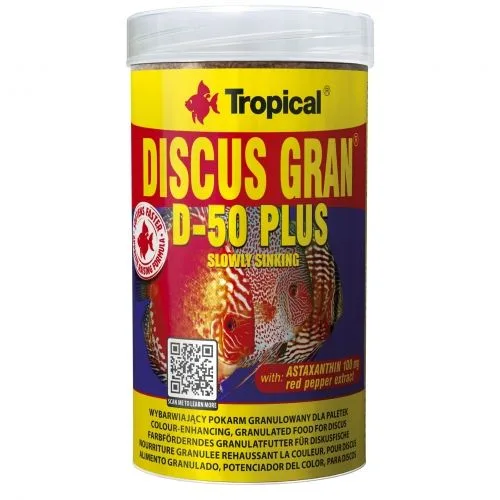
Granulated Food for Discus, Tropical, Discus Gran D-50 Plus, 44 g/100 ml
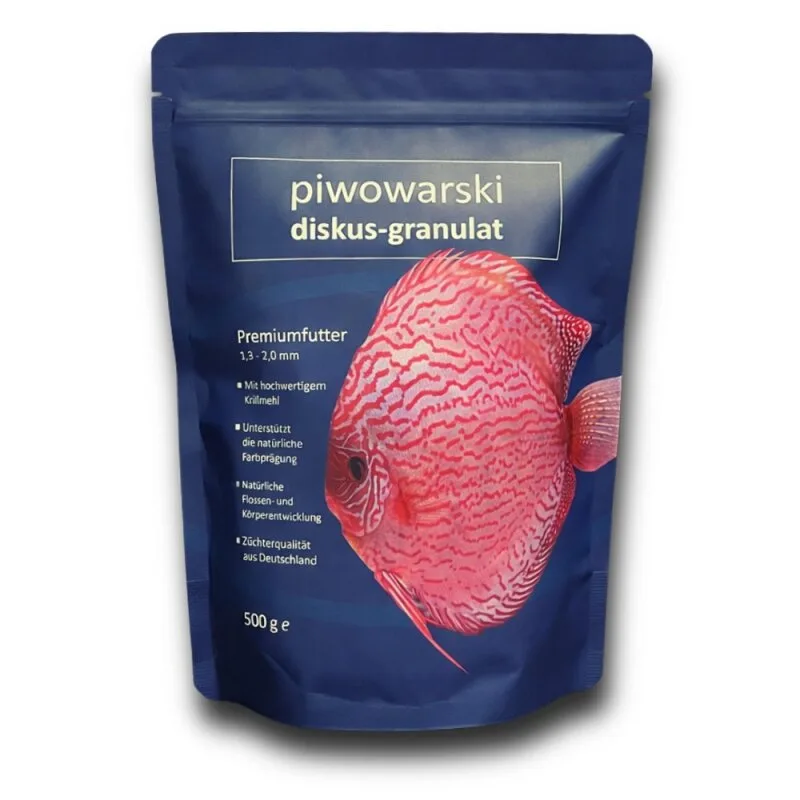
Discus Fish Granules - Piwo - granules 1.3–2 mm - 500g

Hikari Discus Bio Gold 80 g
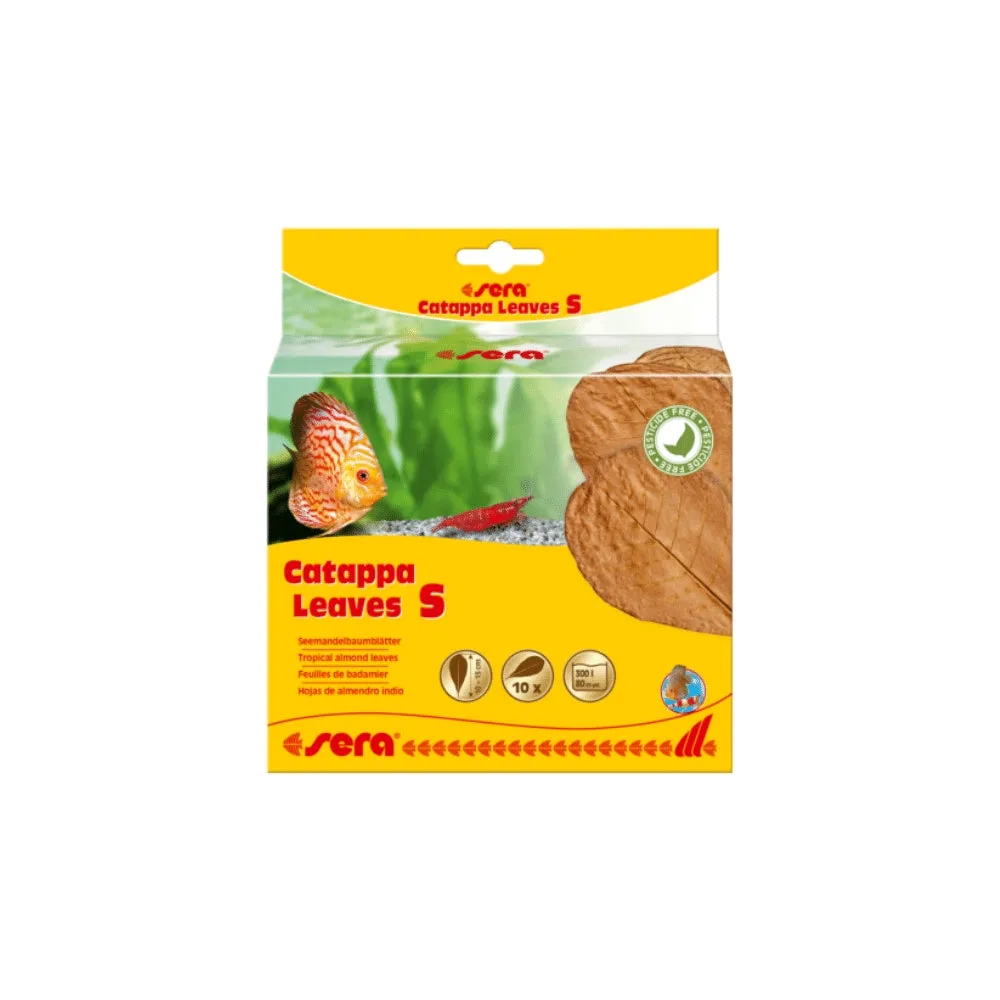
Catappa Leaves, Sera Catappa Leaves - M

Bacteria Culture Additive, Seachem Stability, 1 L

Aqua Medic Premium Line Reverse Osmosis System

ARKA AQUATICS myAQUA 1900 Reverse Osmosis System

ARKA myAqua380 Reverse Osmosis System

Seachem Stability - Aquarium Biological Stabilizer 250 ml