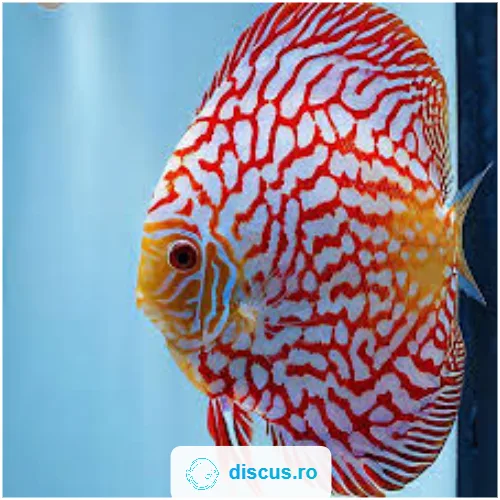
Pigeon Blood
Symphysodon sp.
Description
The Pigeon Blood variety marks a turning point in modern aquaristics, prized for its warm tones and total absence of vertical stress bars. The orange-yellow or cream background, combined with characteristic black spots, gives this fish an unmistakable appearance. This mutation became the foundation for many successful lines, such as Marlboro Red or Red Melon, influencing the color design of current discus. It is a robust fish, but one that requires rigorous selection of specimens to minimize the presence of unwanted pepper spots on the body.
🌍 Origin & History
Pigeon Blood appeared in Thailand in the early 90s, being the result of a spontaneous genetic mutation discovered by local breeders. This innovation radically changed the industry by introducing a phenotype devoid of vertical bars. Due to its instant popularity, the variety was rapidly exported globally. It quickly became the gold standard for breeders wishing to achieve intense shades of red and orange, solidifying its status as the foundation for most modern lines of Asian discus currently on the market.
Appearance
Pigeon Blood stands out with a well-rounded body shape and a uniform color background, ranging from cream-yellow to deep orange. The lack of vertical bars gives it a clean and bright appearance. Vivid red eyes provide an elegant contrast to the body. The defining feature is the presence of black spots on the nose, opercula, and fins, whose intensity fluctuates depending on health status. The edges of the dorsal and anal fins often feature a defined black border, highlighting the graceful silhouette of this special specimen.
🧬 Genetic background
The Pigeon Blood gene is dominant, meaning that the transmission of its characteristics to offspring is highly predictable. Any cross with another variety will produce 100% fry that inherit the absence of stress bars. Black spots, known as 'pepper', are inherent genetic markers. This trait can be diminished through careful selective breeding and optimal environmental conditions, reducing the density of these spots as the line is refined.
Recommended water parameters
Care
Care requires increased attention to water quality, keeping the pH between 5.8-6.8 and the temperature between 29-31°C. Frequent partial water changes are essential to prevent nitrate buildup. The diet must be varied, rich in proteins and carotenoids to support colors. These are fish with active social behavior, ideal in groups of at least 6 specimens. Compatible with peaceful, medium-sized species that tolerate high temperatures, such as Corydoras sterbai or tetras, always avoiding aggressive fish that can cause stress.
Breeding
Breeding requires specific conditions and a mature, well-fed pair. Although prolific, they require close monitoring of water parameters to ensure proper fry development. The dominant gene ensures all offspring will exhibit the characteristic look, facilitating visual selection of the fry. It is recommended to use low-conductivity water to stimulate spawning, while providing a suitable vertical substrate and privacy to the pair to prevent egg abandonment or unnecessary stress during the incubation period.
💡 Practical tips
- →Keep temperature constant above 29°C.
- →Feed variably for color intensity.
- →Perform frequent water changes.
- →Monitor spots for health signs.
- →Avoid external stress factors.
- →Choose only active, vigorous specimens.
Related guides
Articles relevant to you
Useful tools
Quick aquarium calculators
Other varieties in the Orange group
Products for this variety
Filters, food, tests and treatments for discus
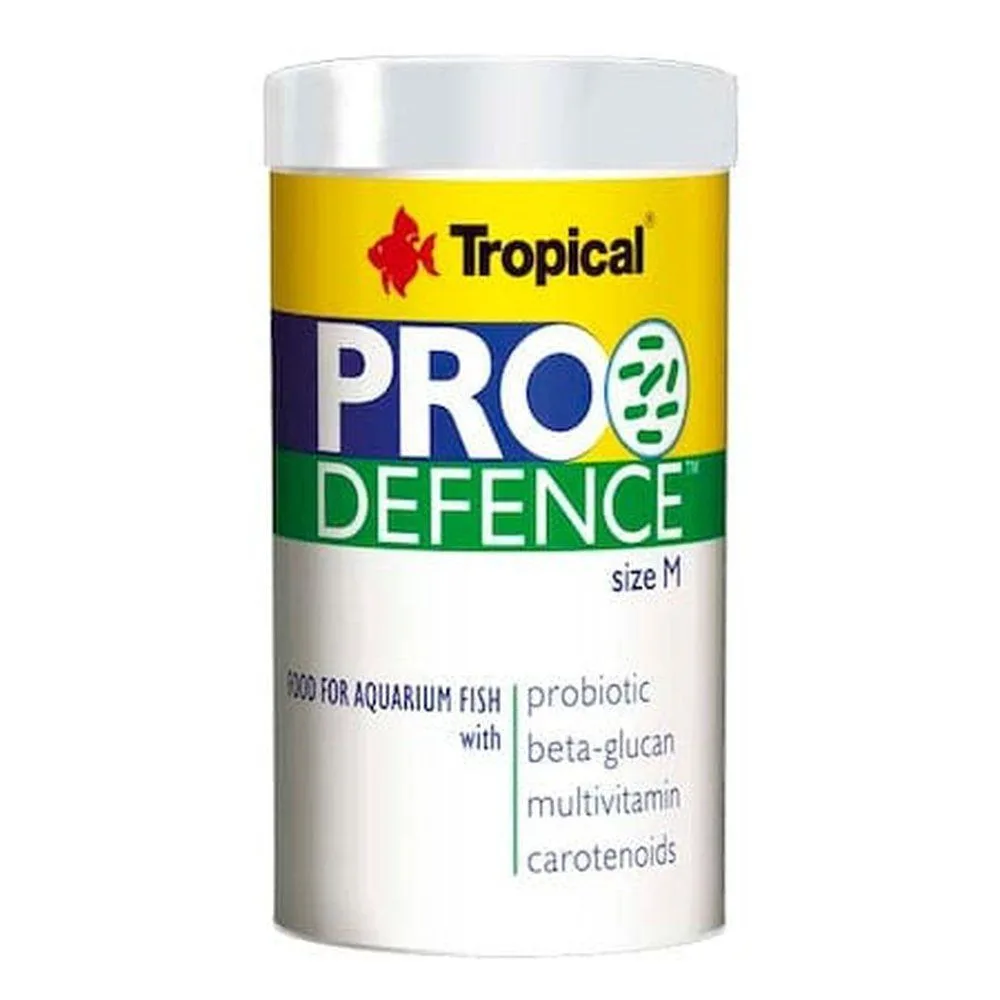
Granulated Probiotic Food for Freshwater Fish, Tropical ProDefence M, 44g/100 ml
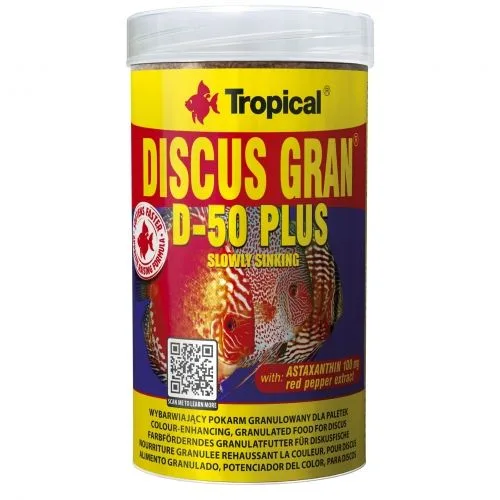
Granulated Food for Discus, Tropical, Discus Gran D-50 Plus, 44 g/100 ml
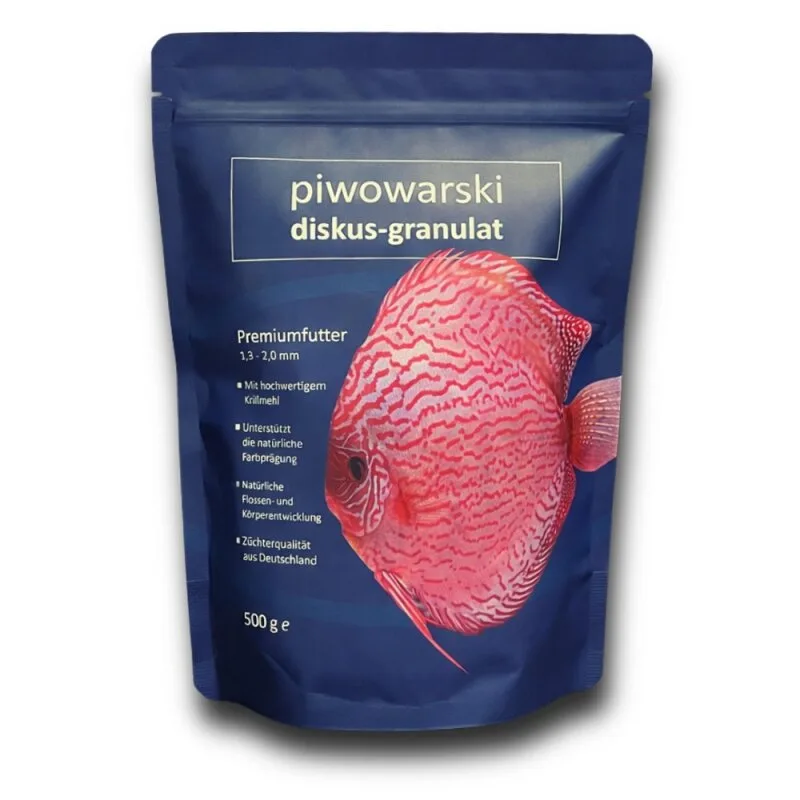
Discus Fish Granules - Piwo - granules 1.3–2 mm - 500g

Hikari Discus Bio Gold 80 g
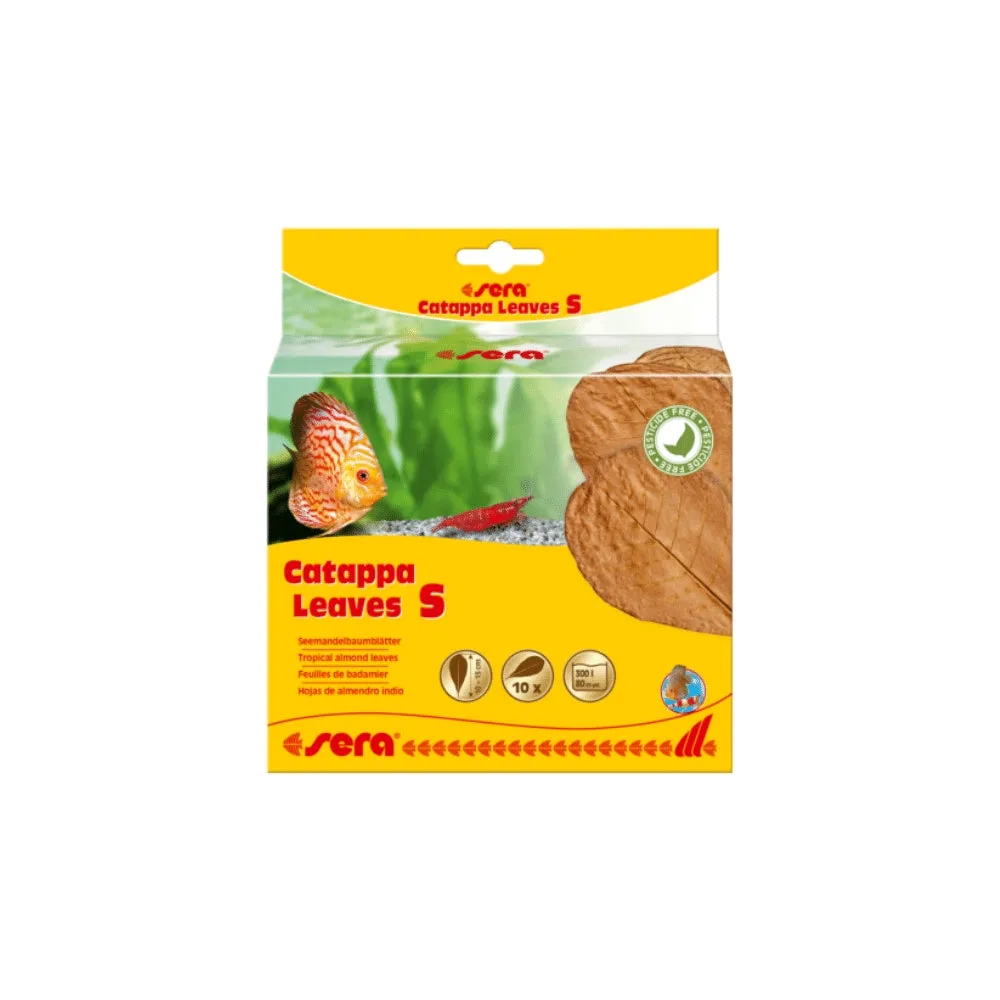
Catappa Leaves, Sera Catappa Leaves - M

Bacteria Culture Additive, Seachem Stability, 1 L

Aqua Medic Premium Line Reverse Osmosis System

ARKA AQUATICS myAQUA 1900 Reverse Osmosis System

ARKA myAqua380 Reverse Osmosis System

Seachem Stability - Aquarium Biological Stabilizer 250 ml