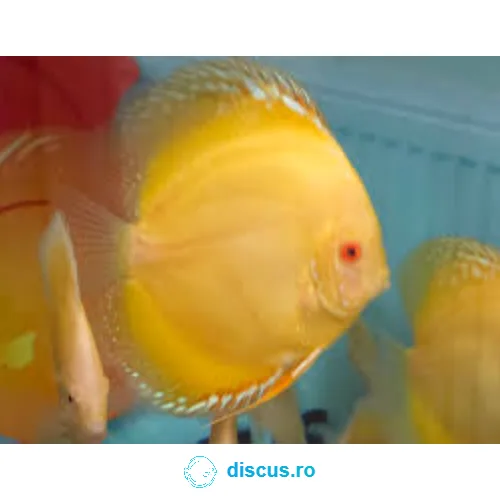
Yellow Crystal
Symphysodon sp.
Description
Yellow Crystal represents a distinct Discus variety, defined by the brilliance and chromatic purity of its body. These fish impress with the transparency of their golden-yellow shades, emanating a refined elegance free of any imperfections. Top-quality specimens stand out due to the total absence of black dots, known as 'pepper,' offering an extremely clean visual image. It is a variety appreciated by collectors seeking a vivid chromatic contrast and a luminous, crystalline appearance, which quickly turns this Discus into the highlight of any well-maintained community aquarium.
🌍 Origin & History
This variety descends from Pigeon Blood genetic lines, having been extensively refined in specialized Asian hatcheries. Its development was based on selective crosses between Pigeon Blood specimens and pure Golden lines, with the goal of eliminating unwanted melanic pigmentation. Through rigorous artificial selection, breeders managed to stabilize the specific golden-yellow background, turning the variety into a gold standard among light-colored discus, maintaining the impeccable crystal look that provides its current commercial name.
Appearance
Yellow Crystal features a laterally compressed body, characterized by a saturated golden-yellow color and a unique scale transparency that provides a crystalline visual appearance. Adult specimens show no vertical stress bars or black pepper spots on the body or fins. The eyes have an intense reddish-orange shade, creating a striking contrast with the rest of the body. The fins are translucent, having golden reflections that enhance the dynamism of movement. The robust body structure and glossy finish make these fish easily recognizable in any group.
🧬 Genetic background
The genetics of the Yellow Crystal variety are based on the interaction between the dominant Pigeon Blood gene and the recessive traits of Golden lines. This combination effectively suppresses the formation of vertical stress bars, ensuring a constant monochrome look. Successive selection aims at reducing the genes responsible for the development of black spots (pepper), thereby obtaining a pure phenotypic expression of yellow pigment, supported by a scale structure that allows for optimal light reflection.
Recommended water parameters
Care
Care requires maintaining water between pH 6-7 and a temperature of 28-30°C. Weekly partial water changes of 30% are recommended to ensure optimal parameters. The diet must be varied, rich in spirulina and natural carotenoids to intensify the yellow shade. These fish are peaceful, making them ideal for community aquariums with compatible species, such as tetras or corydoras. They require ample swimming space and efficient biological filtration, as they are sensitive to nitrate accumulation. Observing feeding behavior helps prevent stress and maintain optimal health in the long term.
Breeding
Breeding the Yellow Crystal variety is accessible, following the general patterns of the Symphysodon species. The pair lays eggs on vertical substrates, and both parents provide exemplary care for the fry. Maintaining very clean and oxygen-rich water during the hatching period is essential. Since the variety has been selected for chromatic purity, it is recommended to breed only between high-quality Yellow Crystal specimens to keep the genetic line stable and to avoid the reappearance of black dots in subsequent generations of fry.
💡 Practical tips
- →Use a black background to highlight the yellow.
- →Feed a varied diet with a focus on natural carotenoids.
- →Avoid stress through decor with natural plants.
- →Monitor nitrates to keep the scales shiny.
- →Maintain a constant temperature for maximum vitality.
- →Avoid pairing with lines that have black spots.
Related guides
Articles relevant to you
Useful tools
Quick aquarium calculators
Other varieties in the Orange group
Products for this variety
Filters, food, tests and treatments for discus
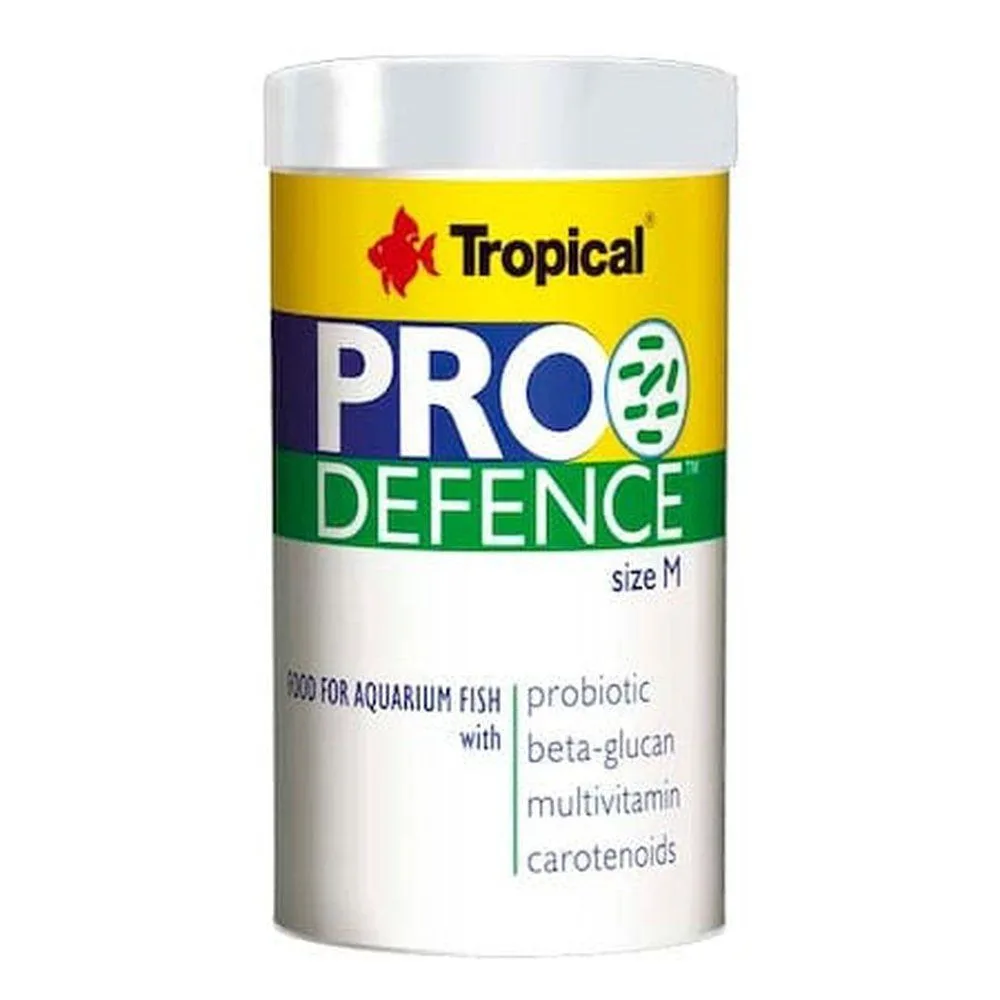
Granulated Probiotic Food for Freshwater Fish, Tropical ProDefence M, 44g/100 ml
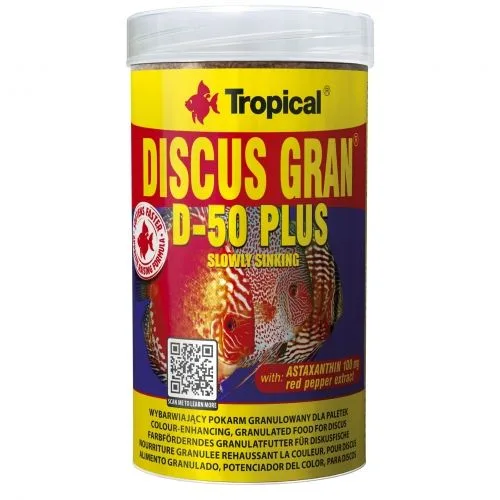
Granulated Food for Discus, Tropical, Discus Gran D-50 Plus, 44 g/100 ml
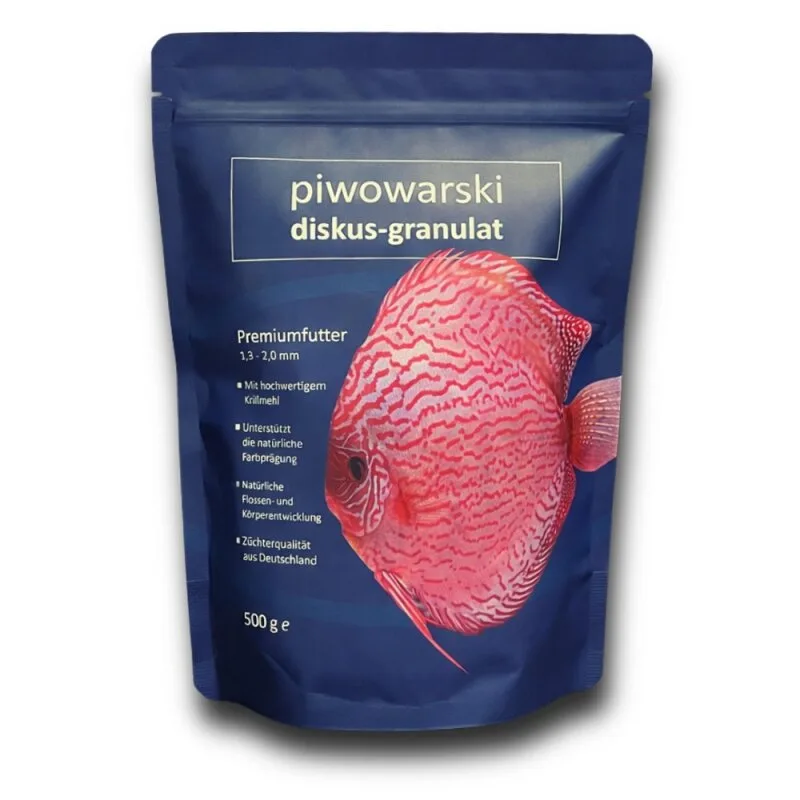
Discus Fish Granules - Piwo - granules 1.3–2 mm - 500g

Hikari Discus Bio Gold 80 g
Catappa Leaves, Sera Catappa Leaves - M

Bacteria Culture Additive, Seachem Stability, 1 L

Aqua Medic Premium Line Reverse Osmosis System

ARKA AQUATICS myAQUA 1900 Reverse Osmosis System

ARKA myAqua380 Reverse Osmosis System

Seachem Stability - Aquarium Biological Stabilizer 250 ml