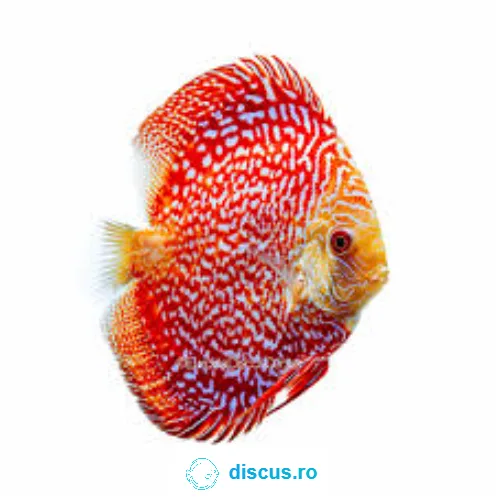
Pigeon Snakeskin
Symphysodon sp.
Description
Pigeon Snakeskin is a captivating discus variety that fuses the warm and vibrant base color specific to the Pigeon Blood line with the complex, fine wavy line network characteristic of Snakeskin. This hybrid stands out through remarkable visual contrast, where the orange-yellow background serves as a canvas for intricate streaks covering nearly the entire body. It is a popular choice for enthusiasts who appreciate fish with rich ornamental appeal, blending the delicacy of the snake-like pattern with the intense brilliance of PB pigmentation, resulting in a truly memorable specimen.
🌍 Origin & History
This discus was developed through a selective complex breeding program that crossed Pigeon Blood varieties with Snakeskin specimens. Intensively popularized in Asian hatcheries, this type spread rapidly across Europe and America, resulting from breeders' desire to combine the dominant gene for the absence of stress bars with the geometric beauty of fine streaks. It has no wild geographic origin, being exclusively a product of systematic human selection aimed at stabilizing unique aesthetic traits.
Appearance
The variety features an intense orange or golden-yellow body, decorated with fine, sinuous, and dense lines that extend onto the gill plates and fins. The eyes are bright red, offering a pleasant contrast with the warm body tones. Although it may exhibit fine black dots, popularly called 'pepper', these are a signature trait of the Pigeon Blood line. The absence of vertical stress bars gives it a clean and bright appearance, making this discus a striking focal point in any well-maintained community aquarium.
🧬 Genetic background
The genetics of this discus rely on the inheritance of the dominant Pigeon Blood gene, responsible for the absence of vertical stress bars and the presence of melanin dots, combined with the polygenic trait of the Snakeskin pattern. This combination results in a fish without major black bars, but with fine, irregular streaks. The outcome is a stabilized phenotype exhibiting warm color intensity, carrying the imprint of both parent lines in its final visual structure.
Recommended water parameters
Care
Care requires maintaining high-quality water, with a pH between 5.8 and 6.8 and a constant temperature between 29 and 31 degrees Celsius. They are active fish and require weekly partial water changes of 30-50% to prevent nitrate accumulation. They prefer varied food, including high-quality pellets, brine shrimp, and beef heart mixes. They are sociable, so it is recommended to keep them in groups of at least 6 individuals to reduce stress and maintain natural hierarchy, being compatible with small or medium-sized species.
Breeding
Breeding is considered moderately difficult, requiring optimal conditions and a mature pair. It is crucial that the water be soft and slightly acidic to ensure successful egg hatching. The distinctive Snakeskin pattern becomes visible and fully stabilizes only from the F2 generation onwards, the process being one of rigorous selection of parents with the best markings. Success rates depend on parent nutrition and maintaining impeccable hygiene during the fry development period.
💡 Practical tips
- →Feed fry a varied diet for intense colors
- →Avoid stress to reduce pepper appearance
- →Monitor water quality daily
- →Select specimens with the finest possible lines
- →Maintain high temperature for metabolism
- →Avoid crossing with pure PB to preserve pattern
Related guides
Articles relevant to you
Useful tools
Quick aquarium calculators
Other varieties in the Orange group
Products for this variety
Filters, food, tests and treatments for discus
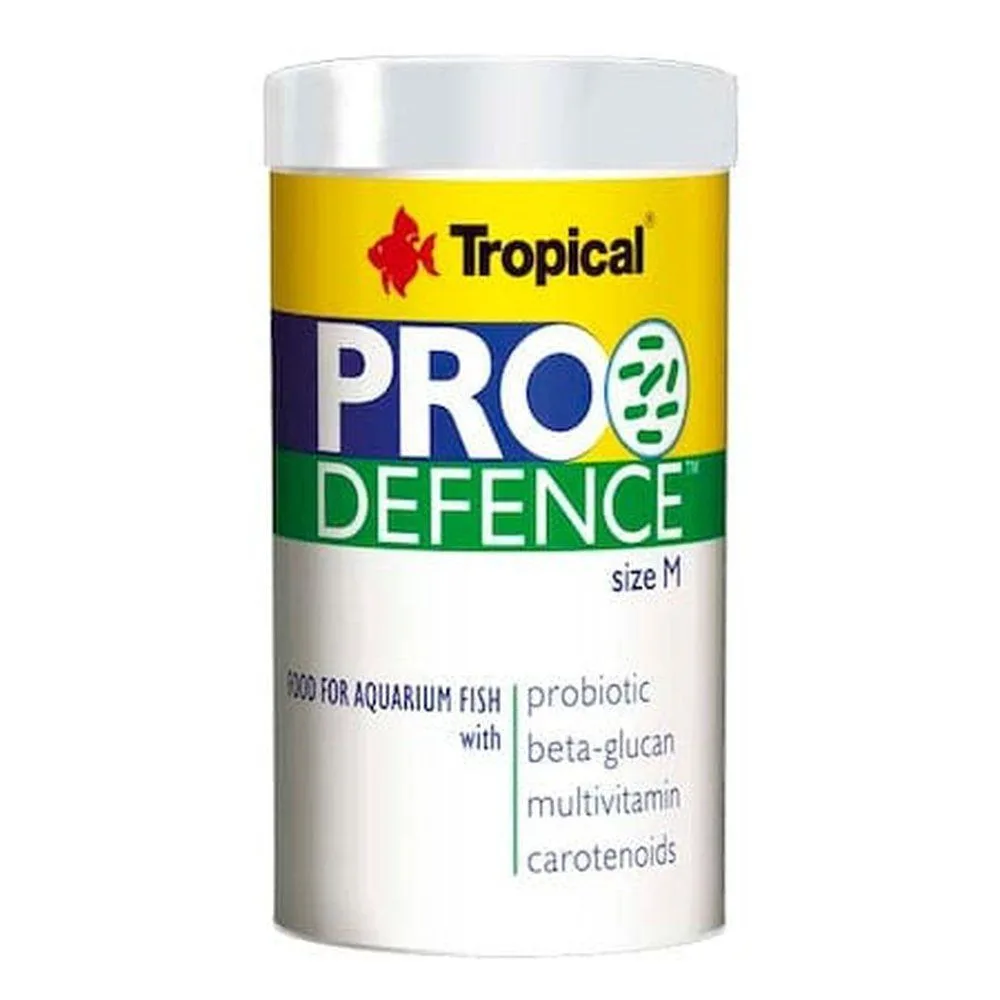
Granulated Probiotic Food for Freshwater Fish, Tropical ProDefence M, 44g/100 ml
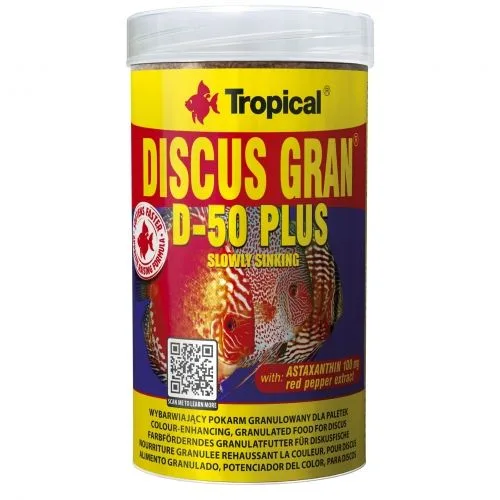
Granulated Food for Discus, Tropical, Discus Gran D-50 Plus, 44 g/100 ml
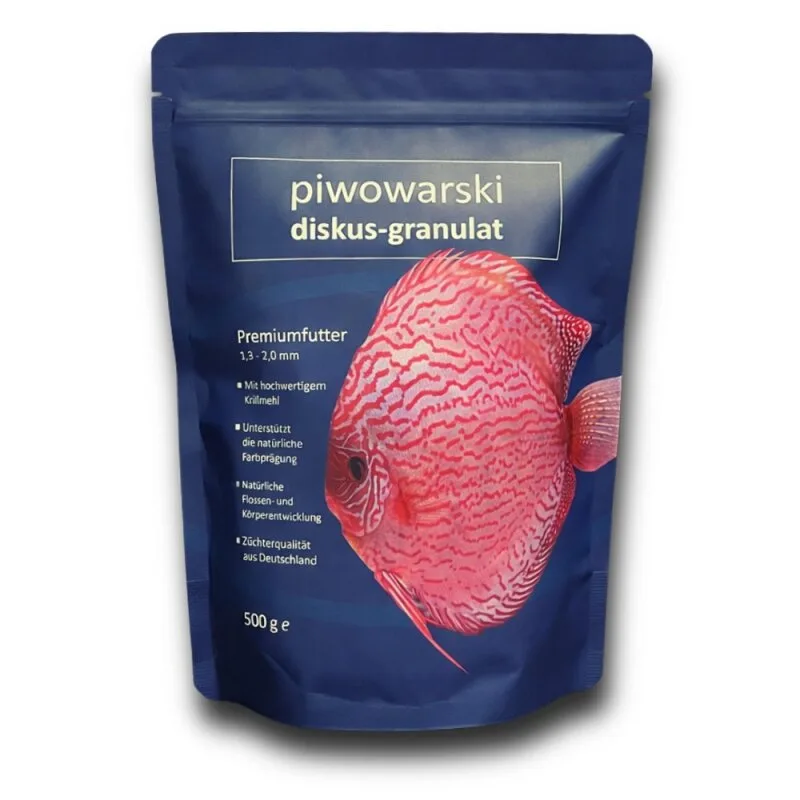
Discus Fish Granules - Piwo - granules 1.3–2 mm - 500g

Hikari Discus Bio Gold 80 g
Catappa Leaves, Sera Catappa Leaves - M

Bacteria Culture Additive, Seachem Stability, 1 L

Aqua Medic Premium Line Reverse Osmosis System

ARKA AQUATICS myAQUA 1900 Reverse Osmosis System

ARKA myAqua380 Reverse Osmosis System

Seachem Stability - Aquarium Biological Stabilizer 250 ml