
White Angel
Symphysodon sp.
Description
White Angel is an extremely refined and delicate discus variety, prized for its immaculate appearance. It features a body with an almost pure white background, being an advanced selection within the Pigeon Blood group. Although it retains the structural traits specific to its family, the near-total elimination of background pigment gives it remarkable visual elegance. It is a preferred choice for experienced aquarists who desire a specimen with distinct visual contrast and an aesthetic presence that dominates the center of any professional display tank.
🌍 Origin & History
This variety is a specialized form of Pigeon Blood, obtained through intense selection processes in Asian hatcheries. Its origin is based on the crossing between Pigeon Blood and Snow White specimens. The main goal of this breeding program was to maximize background depigmentation, transforming traditional warm colors into a bright, uniform white. The result is a genetically stabilized fish that retains the inherent sensitivity of white-type genes, requiring special attention from specialized breeders.
Appearance
White Angel is distinguished by an almost pure white body, possessing brightness superior to the White Butterfly variety. A slight black pepper can sometimes be seen on the snout and fin edges, specific to the PB gene. The intense red eyes provide a dramatic contrast to the immaculate white of the body. The body shape is round and elegant, typical of high-quality discus. The fins are transparent with white edges, and the dorsal and anal fins are well-developed, offering a majestic appearance during slow, graceful swimming.
🧬 Genetic background
White Angel genetics are based on combining Pigeon Blood genes with those of Snow White. This variant is similar to the White Butterfly, but it shows a much more aggressive suppression of melanin and background pigment. It inherits the dominant PB gene, but through rigorous selection, its expression is limited to the snout and fins, leaving the body completely free of dark iridescence, which creates a distinct and very pure visual appearance.
Recommended water parameters
Care
Maintenance requires rigor, with 30-50% water changes weekly to keep nitrates at minimal levels (0-10 ppm). Ideal parameters are pH between 6.0 and 6.8 and temperature of 29-31°C. They are fed with beef heart mixes and quality dry food. They are peaceful fish, ideal for community tanks with compatible species like tetras or corydoras. They require strong biological filtration and optimal oxygenation. Any deviation from water quality can quickly lead to bacterial infections or loss of the white color.
Breeding
Breeding is considered difficult and reserved for experts. Fry survival rates are often lower compared to colored varieties due to the need for sterile water and precise nutritional intake. Pairs must be mature and well-fed. Maintaining extremely clean water during the free-swimming stage is essential to prevent losses. Spawning occurs on vertical surfaces, and fry require live Artemia food immediately after absorbing the yolk sac.
💡 Practical tips
- →Use black background for contrast
- →Minimum daily water changes
- →Monitor pH constantly
- →Live food for fry
- →Avoid stress in the tank
- →Oversized biological filtration
Related guides
Articles relevant to you
Useful tools
Quick aquarium calculators
Other varieties in the Orange group
Products for this variety
Filters, food, tests and treatments for discus

Granulated Probiotic Food for Freshwater Fish, Tropical ProDefence M, 44g/100 ml

Granulated Food for Discus, Tropical, Discus Gran D-50 Plus, 44 g/100 ml
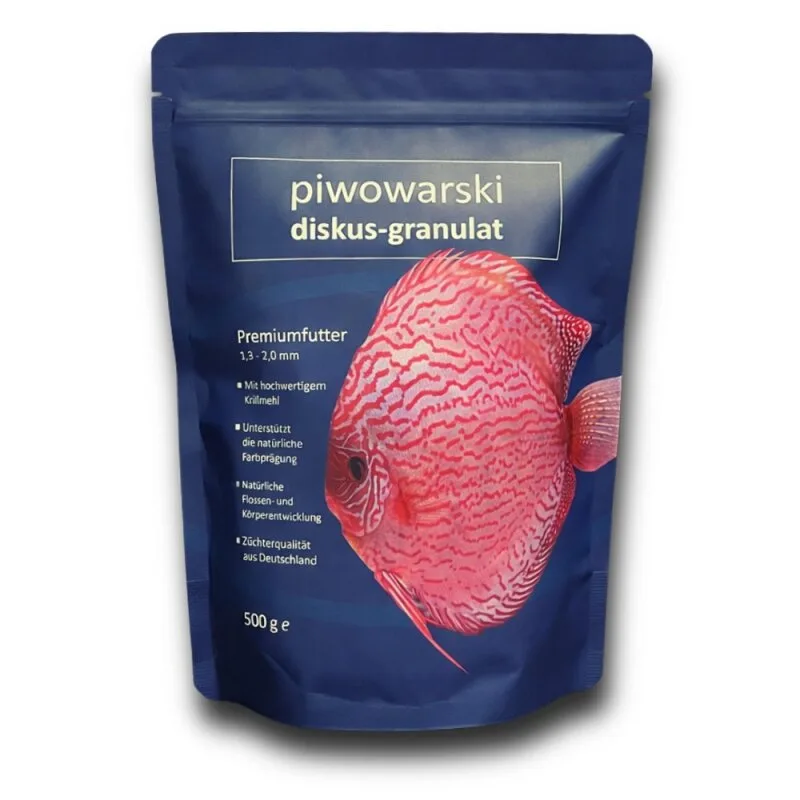
Discus Fish Granules - Piwo - granules 1.3–2 mm - 500g

Hikari Discus Bio Gold 80 g
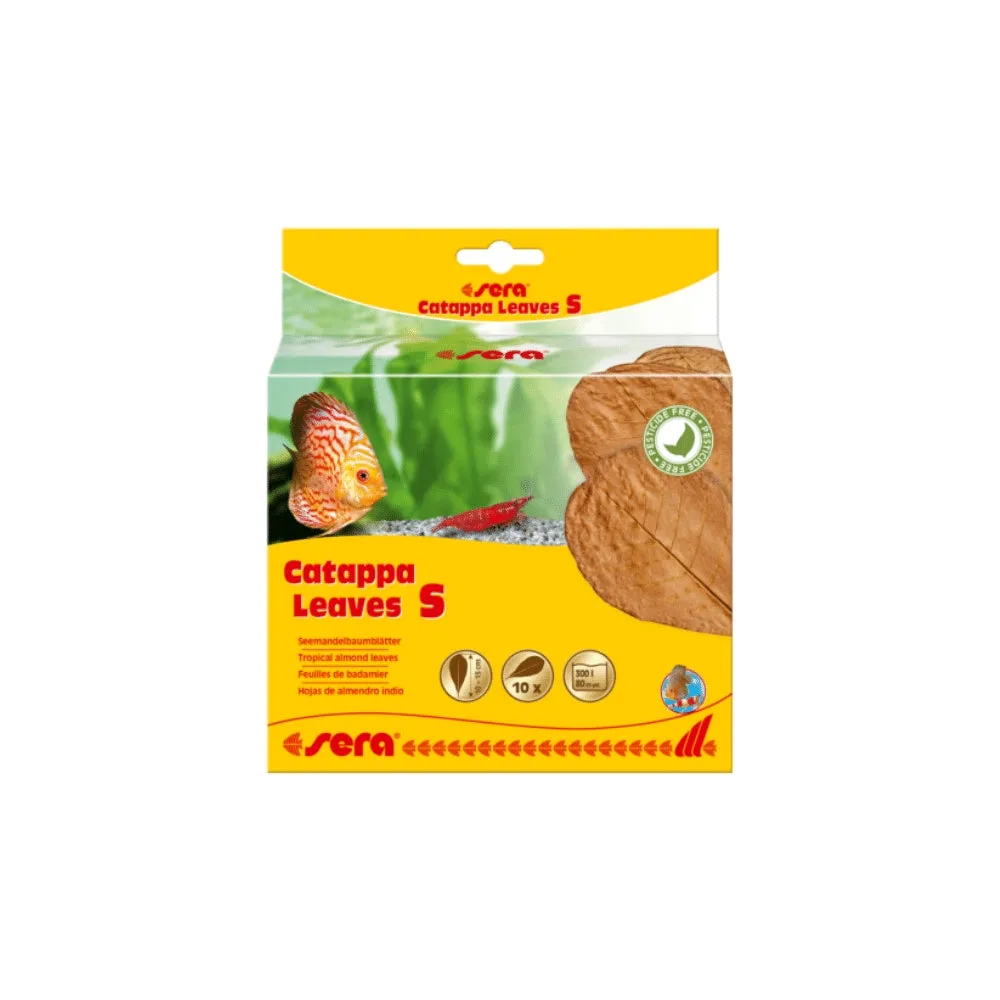
Catappa Leaves, Sera Catappa Leaves - M

Bacteria Culture Additive, Seachem Stability, 1 L

Aqua Medic Premium Line Reverse Osmosis System

ARKA AQUATICS myAQUA 1900 Reverse Osmosis System

ARKA myAqua380 Reverse Osmosis System

Seachem Stability - Aquarium Biological Stabilizer 250 ml