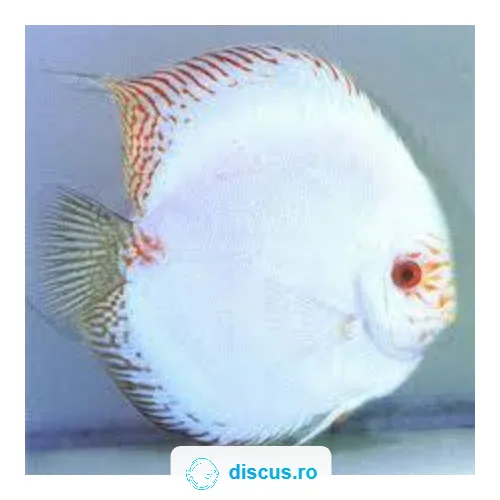
White Butterfly
Symphysodon sp.
Description
White Butterfly is one of the most refined and appreciated Discus varieties within the Pigeon Blood category. These fish impress with their immaculate white bodies, often with pearlescent or light yellowish hues, offering a spectacular visual contrast in any aquarium. Being a special genetic selection, the variety retains the elegance of the typical Discus shape, while being recognized for its rarity and prestige. It is an ideal choice for aquarists seeking a visually clean, bright, and fascinating specimen, capable of catching the eye through the unique contrast between the pure white body and intensely colored eyes.
🌍 Origin & History
This variety is a selective derivative of the Pigeon Blood group, obtained by crossing them with white Discus lines, such as Snow White. Its origin is closely linked to specialized hatcheries in Asia, where rigorous selection managed to eliminate the characteristic orange pigment, while maintaining the specific morphological traits of the PB line. The selection process was aimed at achieving the lightest possible body background, without vertical bars, resulting in a fish distinctive for its luminosity.
Appearance
The White Butterfly features a predominantly white body, ranging from matte shades to pearlescent or light yellowish iridescence, depending on nutrition and stress. The defining feature is the total absence of vertical bars, specific to PB genes, complemented by a discreet presence of black dots (pepper) on the muzzle and fins. The eyes, of a bright red or intense orange, create a dramatic chromatic contrast against the immaculate white of the body. The fins are mostly translucent with white edges, giving the fish a delicate and elegant appearance.
🧬 Genetic background
The genetics of the White Butterfly variety combines the dominant Pigeon Blood gene, responsible for the absence of vertical bars, with recessive partial depigmentation genes inherited from white lines. This combination inhibits melanin production but retains the predisposition for black dots (pepper) on the muzzle and fins. The result is a specimen with a white body background, lacking the intense red or orange pigmentation typical of its siblings in the PB family, while retaining the specific body shape.
Recommended water parameters
Care
Care requires increased attention to water quality, being a more sensitive variety than other types of colored Discus. Ideal parameters are pH 6.0-6.8 and temperature 29-31°C. Partial water changes of 20-30% twice a week are essential for health. It prefers varied high-quality food, including protein mixes and frozen live food. It is a peaceful but timid fish that requires groups of at least 6 specimens and calm aquarium tank mates, such as tetras, Corydoras, or other species that accept high temperatures.
Breeding
Breeding is possible under controlled conditions and requires a dedicated tank without substrate. The pair must be mature and well-fed to stimulate spawning on a ceramic cone or vertical surfaces. Parents may show a tendency to eat the eggs, which is why monitoring is essential. The fry, once hatched, are extremely sensitive to water quality and require fine live food, such as Artemia nauplii, to develop healthily and maintain their coloration.
💡 Practical tips
- →Use a dark background to highlight the white color.
- →Frequently monitor nitrogen levels in the water.
- →Avoid food containing excessive red pigments.
- →Ensure powerful biological filtration in the aquarium.
- →Use live plants to reduce fish stress.
- →Maintain a strict water change routine.
Related guides
Articles relevant to you
Useful tools
Quick aquarium calculators
Other varieties in the Orange group
Products for this variety
Filters, food, tests and treatments for discus
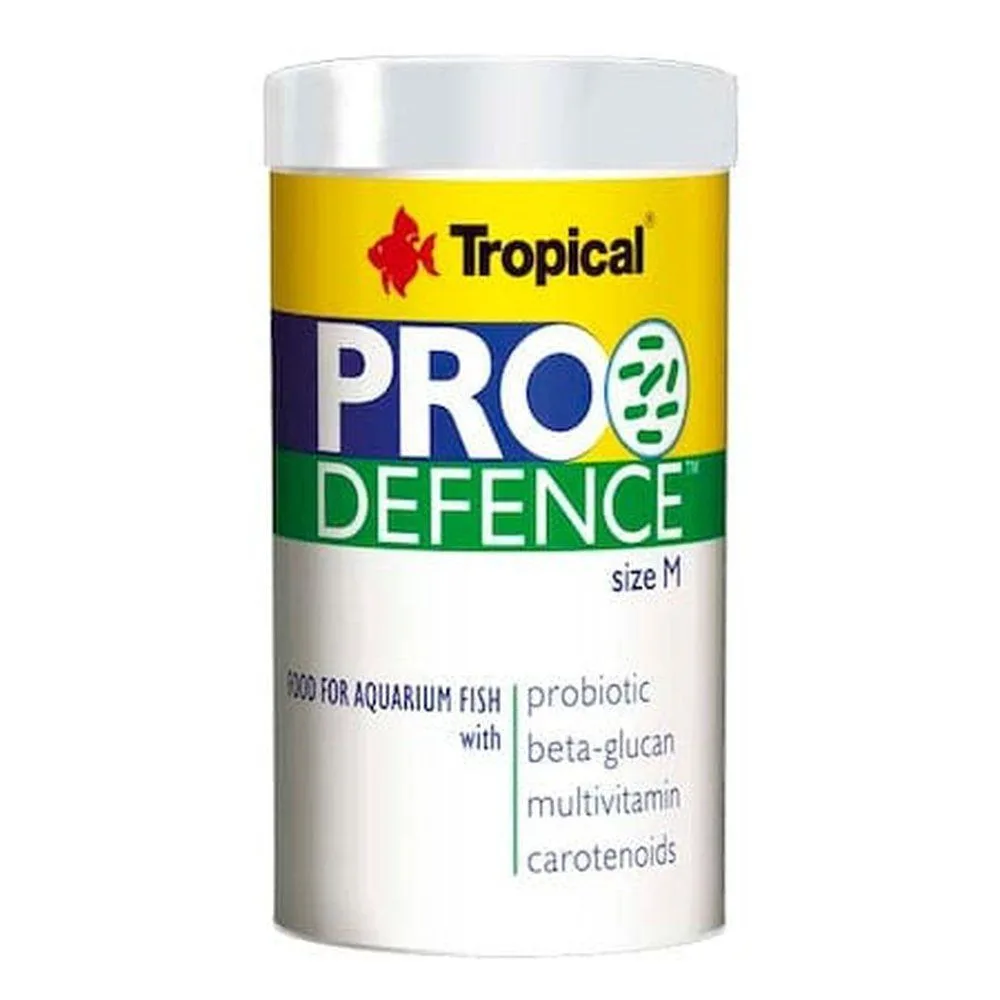
Granulated Probiotic Food for Freshwater Fish, Tropical ProDefence M, 44g/100 ml

Granulated Food for Discus, Tropical, Discus Gran D-50 Plus, 44 g/100 ml
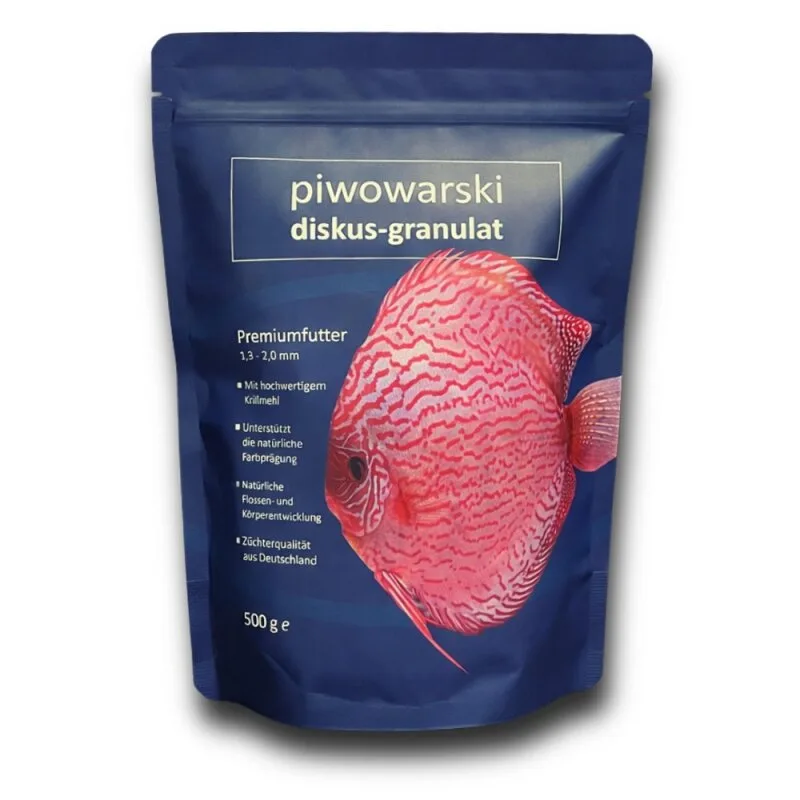
Discus Fish Granules - Piwo - granules 1.3–2 mm - 500g

Hikari Discus Bio Gold 80 g
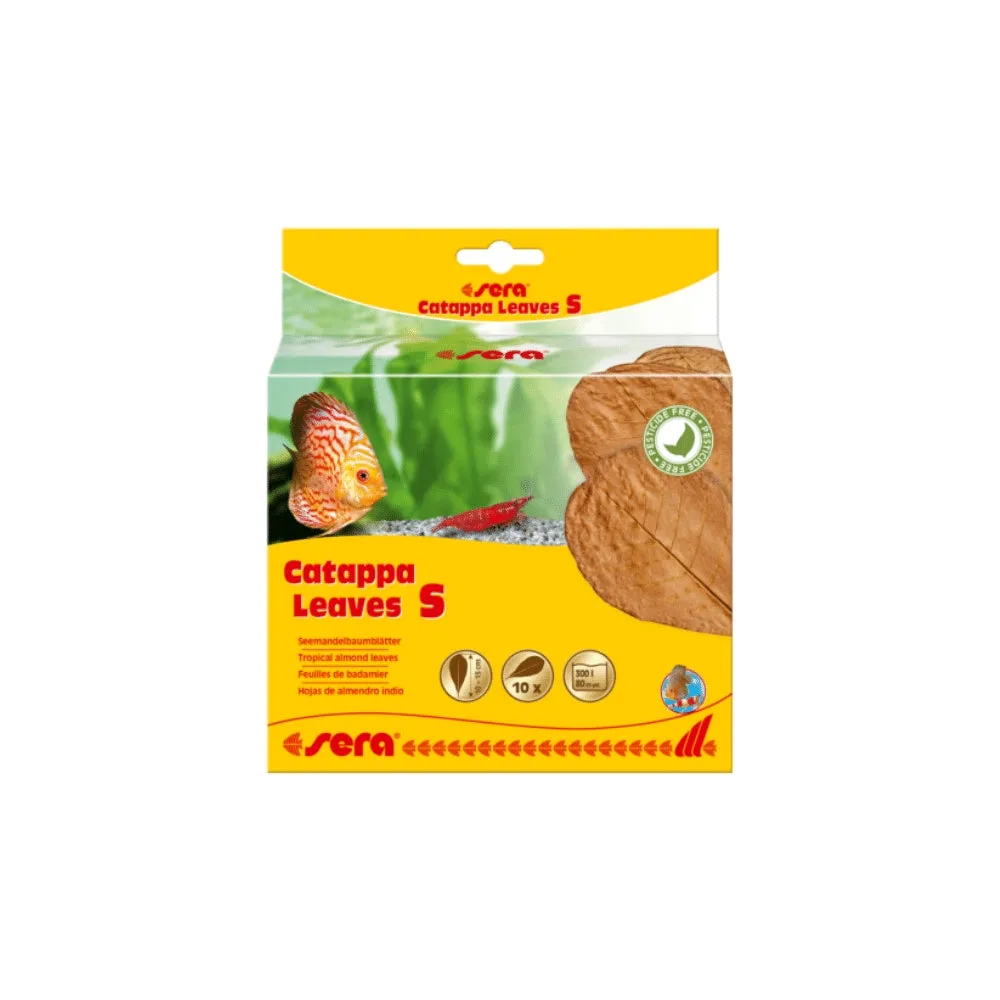
Catappa Leaves, Sera Catappa Leaves - M

Bacteria Culture Additive, Seachem Stability, 1 L

Aqua Medic Premium Line Reverse Osmosis System

ARKA AQUATICS myAQUA 1900 Reverse Osmosis System

ARKA myAqua380 Reverse Osmosis System

Seachem Stability - Aquarium Biological Stabilizer 250 ml