Fish to avoid with discus: 10 incompatible species
The blacklist — 10 fish that do NOT work with discus: tiger barb, African Mbuna cichlids, common pleco, guppy, angelfish, goldfish, Oscar. The reasons and safe alternatives.

Quick summary
- 10 species that do NOT work with discus, no matter the circumstances.
- Fin-nippers: tiger barb, serpae tetra — bite long fins.
- Alkaline water: guppy, molly, African cichlids — pH 7.5–8.5 (the opposite of discus).
- Cold water: goldfish — 18–22°C (64–72°F) (discus need 29°C / 84°F).
- Cross-transmitted diseases: angelfish (Hexamita), guppy (Camallanus).
- Predators: Oscar, Arowana, Red Devil — eat/stress the discus.
In short
- 10 species do NOT work with discus — whatever the shop says.
- Fin-nippers (bite fins): tiger barb, serpae tetra.
- Alkaline water (pH 7.5–8.5): guppy, molly, platy, African Mbuna cichlids.
- Cold water (18–22°C / 64–72°F): goldfish, koi.
- Cross-transmitted diseases: angelfish (Hexamita), guppy (Camallanus, Mycobacterium).
- Predators: Oscar, Arowana, Red Devil — the discus become prey or chronically stressed.
- Common pleco: reaches 50 cm (20 in), attacks the discus's slime coat at night.
What you'll learn
Most failures in a discus (Symphysodon) community tank come from choosing the wrong tank mates — fish that look "peaceful" in the shop but attack, transmit diseases or need the opposite parameters. This guide shows you the blacklist of 10 incompatible species, the exact reason for each and the corresponding safe alternative.
The blacklist — top 10 fish to avoid
1. Tiger barb (Puntigrus tetrazona) — fin-nipper #1
❌ Aggressively bites the discus's fins. One of the most destructive possible tank mates — even in large schools they remain fin-nippers.
✅ Alternative: harlequin rasbora (Trigonostigma heteromorpha) — a similar black marking, completely peaceful.
2. African cichlids (Mbuna, Peacocks — Lake Malawi/Tanganyika)
❌ Territorially aggressive + they need pH 7.8–8.5 + hard water. The complete opposite of discus — a lethal pH for both species if you try a compromise.
✅ Alternative: Apistogramma cacatuoides or Mikrogeophagus ramirezi (German blue ram) — South American dwarf cichlids, compatible pH, peaceful.
3. Common pleco (Pterygoplichthys pardalis / gibbiceps)
❌ Reaches 40–50 cm (16–20 in) + attaches itself at night to the discus's flanks and consumes the slime coat → lesions + secondary bacterial infections (Columnaris). A silent destroyer.
✅ Alternative: Ancistrus (bristlenose, max 15 cm / 6 in) or L134 Leopard Frog (Peckoltia compta) — peaceful, eat only algae.
4. Guppy (Poecilia reticulata)
❌ They need hard alkaline water (pH 7.5–8.5, GH 10+). On top of that, guppies are known carriers of Camallanus (intestinal worms) and Mycobacterium (fish TB — no cure). A major risk even after quarantine.
✅ Alternative: ember tetra or neon cardinal — bright colors, soft water.
5. Molly, Platy, Swordtail (Poecilia, Xiphophorus)
❌ All livebearers — they prefer hard water (GH 12+), some need salt. Totally incompatible with the soft water (GH 3–8) of discus.
✅ Alternative: rummynose tetra — a spectacular school, identical parameters to discus.
6. Serpae tetra (Hyphessobrycon eques)
❌ A fin-nipper even in large schools. A beautiful look (intense red) but a problematic temperament — it nips the discus's long fins.
✅ Alternative: lemon tetra or black neon tetra — similar colors, peaceful.
7. Goldfish / koi (Carassius / Cyprinus)
❌ Cold-water (18–22°C / 64–72°F) fish. At 29°C (84°F) the metabolism accelerates lethally and they develop kidney problems quickly. They're also very messy fish (high ammonia).
✅ Alternative: if you want large, colorful fish alongside discus — contrasting discus varieties (Red Turquoise + Pigeon Blood + Blue Diamond).
8. Oscar, Arowana, Red Devil, Flowerhorn
❌ Large predators (25–80 cm / 10–31 in). The discus become direct prey or are chronically stressed until they die.
✅ Alternative: a separate tank for each species — there's no compromise here.
9. Angelfish (Pterophyllum scalare) ⚠️ — a special case
⚠️ Controversial. They come from the same biotope but are asymptomatic carriers of Hexamita (Spironucleus), Capillaria, Tetrahymena and Mycobacterium — lethal for discus. Plus territorial aggression at maturity.
✅ Alternative: discus of different varieties for a similar vertical effect. See the full analysis: discus with angelfish.
10. Aggressive South American cichlids (Jack Dempsey, Convict, Green Terror, Astronotus)
❌ Territorially aggressive at maturity. They bite, chase and spawn aggressively. Total incompatibility.
✅ Alternative: peaceful dwarf cichlids: Apistogramma agassizii, cacatuoides, Mikrogeophagus ramirezi.
Summary table — fish to avoid and the reason
| Species | Main reason | Risk |
|---|---|---|
| Tiger barb | Fin-nipper | 🔴 |
| Mbuna cichlids | Alkaline pH + aggression | 🔴 |
| Common pleco | Attacks the slime coat at night | 🔴 |
| Guppy | Hard water + Camallanus/TB | 🟠 |
| Molly/Platy | Hard water + salt | 🟠 |
| Serpae tetra | Fin-nipper | 🟠 |
| Goldfish | Cold water | 🔴 |
| Oscar/Arowana | Predator | 🔴 |
| Angelfish | Asymptomatic Hexamita | 🟠 |
| Aggressive cichlids | Aggression | 🔴 |
Why many beginners make this mistake
In the aquarium shop, the fish are kept temporarily at medium temperatures (24–25°C / 75–77°F) in bare tanks with no established territoriality. A tiger barb looks peaceful there. A common pleco looks small. At home, at 29°C (84°F) in a calm tank with discus, they show their true behavior after 2–4 weeks.
A compatibility test before you buy
- ✅ Does the species' optimal temperature include 28–30°C (82–86°F)?
- ✅ Is the preferred pH 6.0–7.2?
- ✅ Search Google: "does X nip fins"
- ✅ Search: "X compatible with discus reddit" — the experienced community confirms/rejects
- ✅ Is the adult size under 10 cm (4 in)?
- ✅ Is a 4-week quarantine possible before introduction?
If you answer NO to any of these, do NOT buy.
General anti-failure rules
- Never cold-water fish (under 26°C / 79°F optimal)
- Never hard alkaline-water fish (pH 7.5+)
- Never known fin-nippers
- Never territorially aggressive cichlids
- Never predators larger than the discus
- Major caution with livebearers and "common" fish from generic shops
- A mandatory quarantine of 4 weeks for any new species
Checklist before you add a species
- ☐ The optimal temp includes 29°C (84°F)
- ☐ The preferred pH is 6.0–7.2
- ☐ The adult size is under 10 cm (4 in)
- ☐ It's not on the blacklist above
- ☐ A "nip fins" check on Google
- ☐ A quarantine tank ready for 4 weeks
- ☐ The discus are already settled (>4 weeks)
- ☐ The filtration can handle the extra load
What to do next
📚 Learn more:
- Best discus tank mates — the top 7 verified
- Discus with angelfish — a detailed analysis
- Bottom feeders for discus — Cory + Ancistrus + L-numbers
- Quarantine protocol for discus — 4 weeks
🧮 Calculate:
- Stocking calculator — check the load before buying
🛒 Buy:
- Fish verified by breeders — no disease risks
- Water tests for parameters
Betta – compatible or not?
Betta splendens theoretically tolerates 26–30°C, so people often ask whether it can live with discus. The answer: not recommended.
- Bettas have long, slow fins that attract nipping from other fish – and they can become aggressive themselves.
- Males are territorial and may harass discus at feeding time or near the surface.
- Large discus compete hard for food, leaving the betta hungry and stressed.
For a surface fish, choose warm-tolerant schooling species instead, such as Hatchetfish or Pencilfish.
Recommended products
Picked from the shop based on what you just read
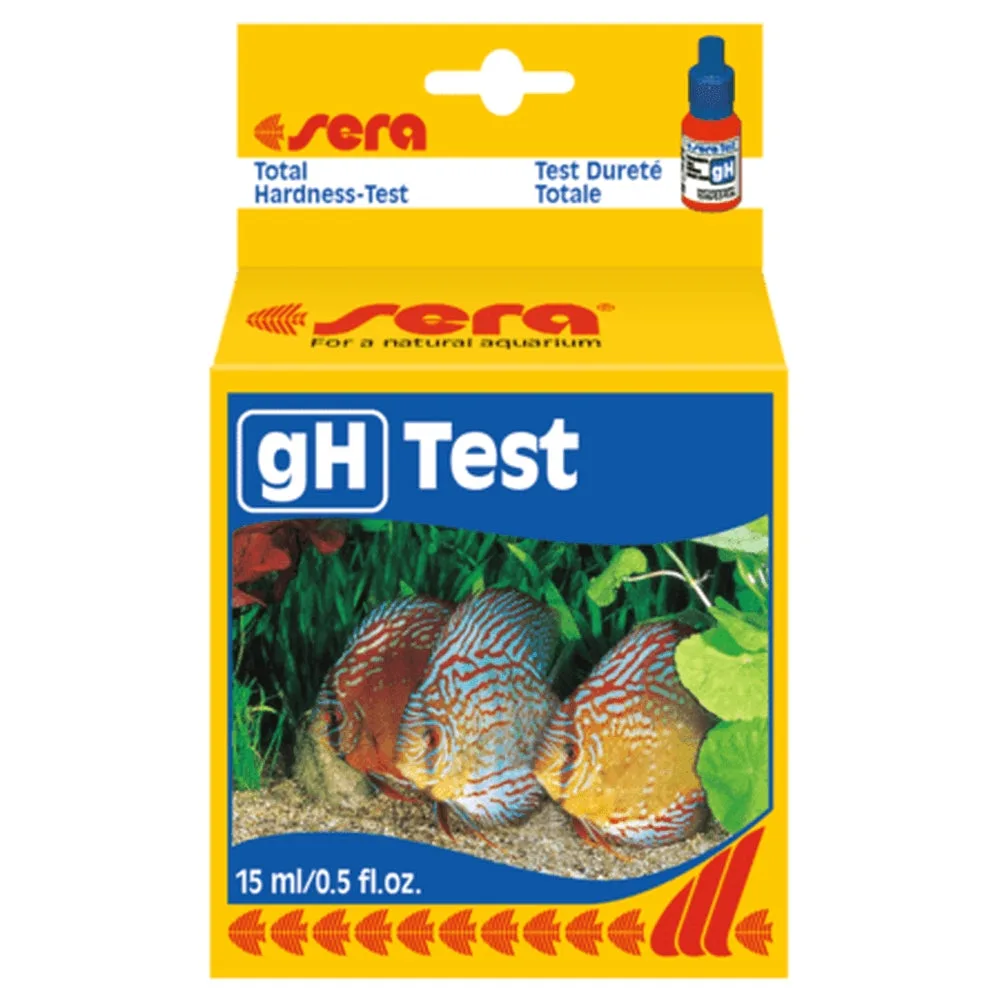
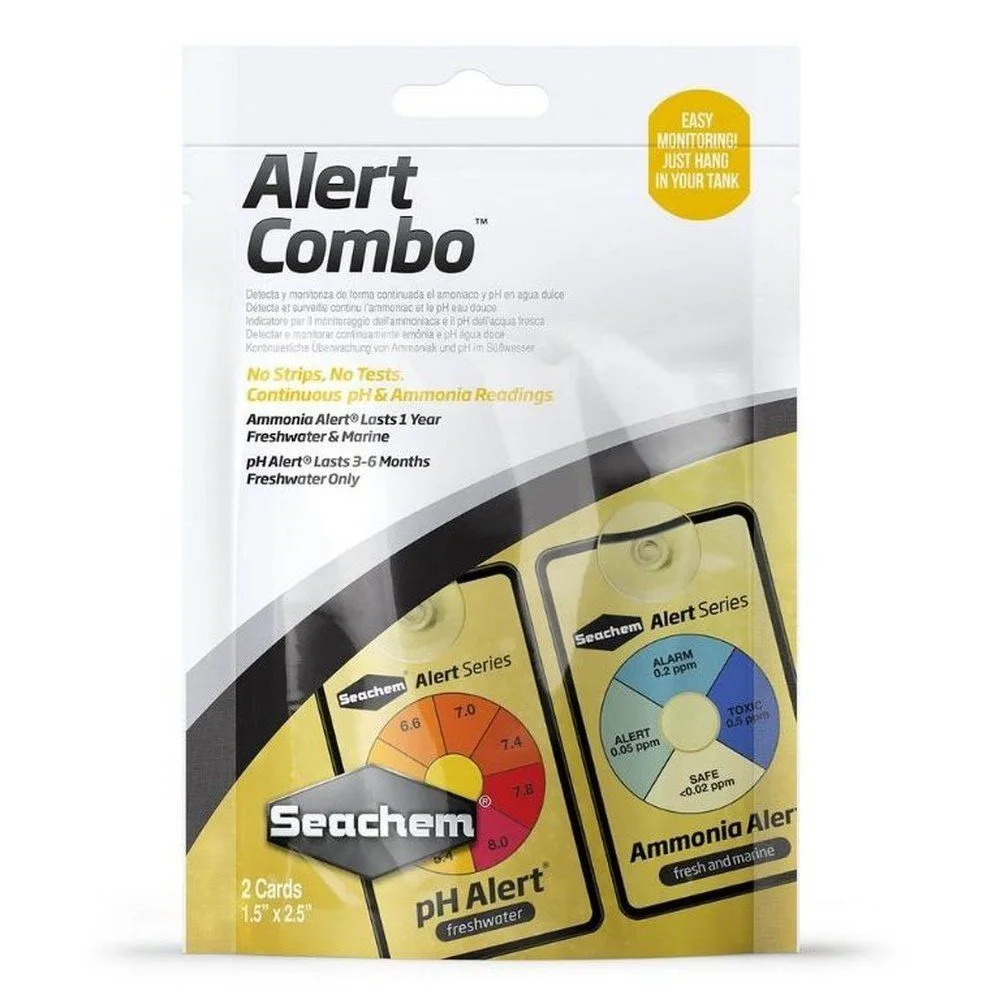
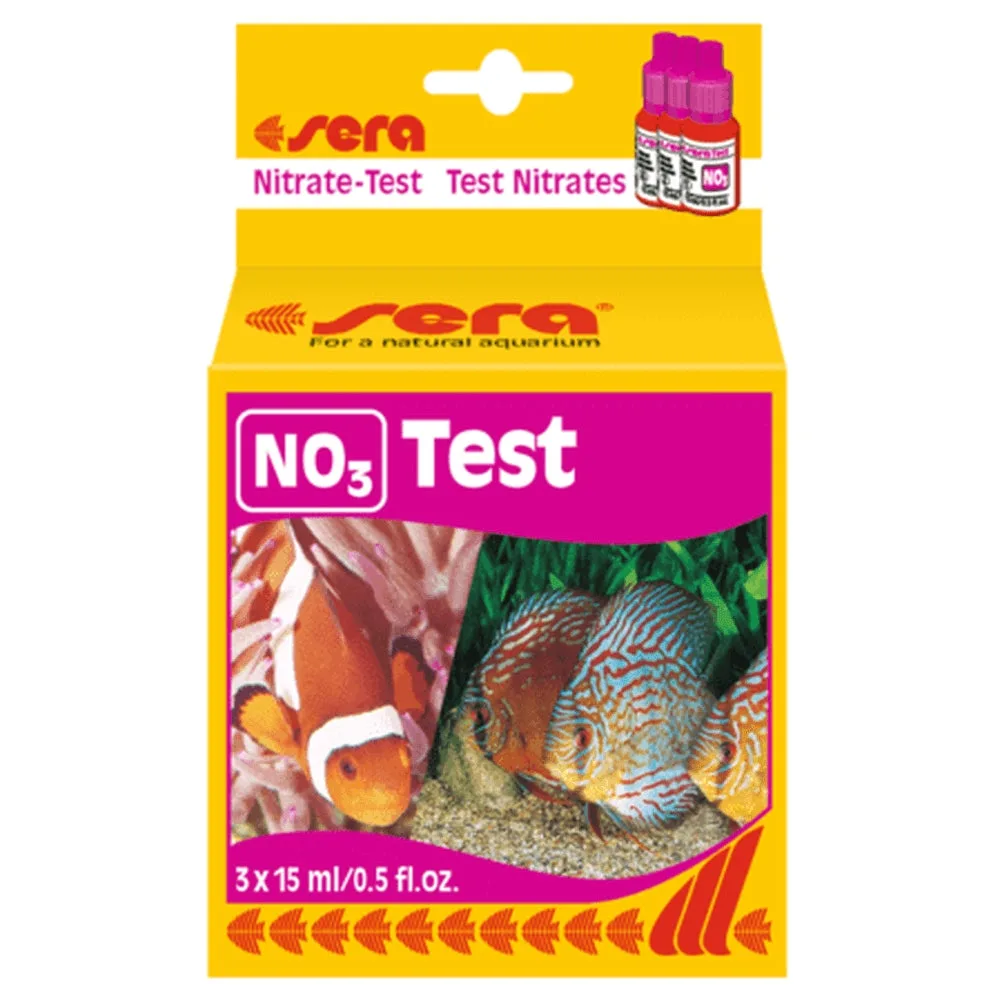
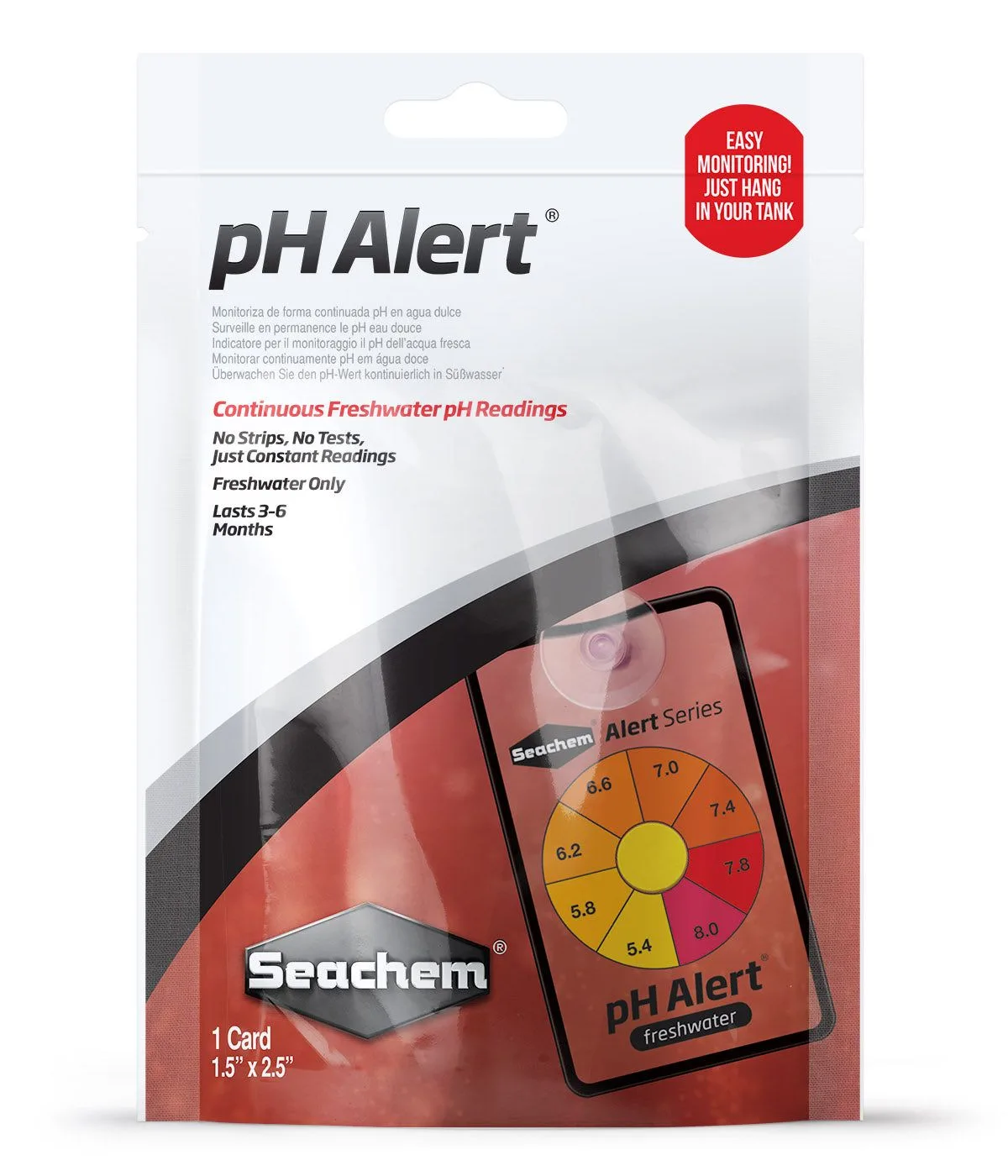
Recommendations are selected from the discus.ro shop based on this guide's topic. Availability and prices may vary.
Frequently asked questions
Put what you just read into practice
One account brings together everything you need to keep your tank on track:
Water parameters, inhabitants, photos and the full history of every change — our most used tool.
Water changes, cleaning and feeding, on your own dates.
See at a glance which values fall outside the safe discus range.
The guides, products and listings you follow, saved in one place.