Rio Negro biotope aquarium: an authentic community with discus
How to build an authentic Rio Negro biotope aquarium with discus — a verified community (cardinal tetra, Apistogramma, L-numbers), exact parameters (pH 5.5–6.5, TDS 50–100 ppm), a 400L+ (105+ US gal) setup.

Quick summary
- Authentic Rio Negro biotope: pH 4.5–6.5, TDS 10–80 ppm, blackwater
- Community: discus + cardinal tetra + Apistogramma + L-numbers
- Minimum 400L (105 US gal) tank, 150 cm (59 in) long for authenticity
- Driftwood + catappa leaves + white sand = mandatory hardscape
- Needs reverse osmosis + light remineralization for the parameters
- Low lighting (shade) — natural blackwater effect
In short
- Authentic Rio Negro biotope: pH 4.5–6.5, TDS 10–80 ppm, blackwater (tannins).
- Community: discus (Symphysodon) + cardinal tetra + Apistogramma + L-numbers + Corydoras.
- Minimum 400L (105 US gal) tank, 150 cm (59 in) long for authenticity.
- Mandatory hardscape: driftwood + catappa leaves + white sand + minimal plants.
- Needs RO (reverse osmosis) + light remineralization for the correct parameters.
- Low lighting (natural shade) — authentic blackwater effect.
What you'll learn
The Rio Negro is the Amazonian river where wild discus (Symphysodon discus, S. aequifasciatus) live in a unique ecosystem — blackwater stained by tannins, a very acidic pH (4.5–6.0), extremely low TDS (10–50 ppm) and diffuse light filtered through the rainforest. This guide shows you how to recreate that exact biotope in an aquarium — with the right species, authentic parameters, natural hardscape and the equipment you need.
What makes an authentic Rio Negro biotope
✅ Blackwater with tannins from catappa leaves, alder cones, driftwood ✅ Acidic pH 4.5–6.0 (3.8–5.5 in the wild — a 5.5–6.5 compromise in the aquarium) ✅ Very low TDS 10–80 ppm (RO mandatory) ✅ Fine white sand substrate (like the Rio Negro floor) ✅ Substantial driftwood + plenty of leaf litter ✅ Low, diffuse lighting (PAR 20–40) ✅ Native Rio Negro species — no compromises
The authentic Rio Negro species
Main fish — all coexist naturally in the Rio Negro
| Species | Latin | Role | Zone |
|---|---|---|---|
| Discus | Symphysodon discus | The centerpiece | Mid |
| Cardinal tetra | Paracheirodon axelrodi | Spectacular school | Mid-top |
| Apistogramma agassizii | Apistogramma agassizii | Dwarf cichlid | Bottom |
| Corydoras adolfoi or sterbai | Corydoras adolfoi | Bottom feeder | Bottom |
| Ancistrus dolichopterus | Ancistrus sp. L183 | Small pleco | Décor |
| Marbled hatchetfish | Carnegiella strigata | Surface | Surface |
| Rummynose tetra | Hemigrammus bleheri | Synchronized school | Mid |
Authentic Rio Negro L-number plecos (optional, premium)
- L046 Zebra pleco (Hypancistrus zebra) — Rio Xingu, but a close biotope
- L201 Inspector pleco (Hypancistrus inspector) — Rio Negro native
- L134 Leopard Frog (Peckoltia compta) — similar biotope
Exact Rio Negro biotope parameters
| Parameter | In the wild (Rio Negro) | In the aquarium (compromise) | Aquarium optimum |
|---|---|---|---|
| Temperature | 26–30°C (79–86°F) | 28–30°C (82–86°F) | 29°C (84°F) |
| pH | 3.8–5.5 | 5.5–6.5 | 6.0 |
| TDS | 5–25 ppm | 40–80 ppm | 60 ppm |
| KH | 0–1 dKH | 1–2 dKH | 1 dKH |
| GH | 0–2 dGH | 2–4 dGH | 3 dGH |
| Tannins | Very high | High | — |
| Light | Diffuse through the forest | LED 20–40 PAR | — |
Note: the wild parameters are EXTREME — wild discus live there, but farmed discus (Stendker, commercial Asian) are adapted to harder water. Use the compromise values to avoid stress.
Mandatory equipment
1. Aquarium
- Volume: minimum 400L (105 US gal), ideally 600L (158 US gal) for authenticity
- Dimensions: 150×60×60 cm (59×24×24 in) or 180×60×60 cm (71×24×24 in)
- Tight-fitting lid (hatchetfish jump)
- Black background or a tropical-shade backdrop
2. Mandatory RO system
Tap water in most regions is high-TDS and alkaline (often TDS 200–400 ppm + pH 7–8). It's impossible to reach TDS 60 ppm without RO.
- RO system 280 L/day (75 GPD) minimum
- Remineralizer (Sera, JBL or DIY)
- See Reverse osmosis for discus
3. Filtration
- External (canister) filter with a flow of 4–5× volume/h (a 400L / 105 US gal tank → 1600–2000 L/h)
- Spray bar below the surface (NO strong waves — for the hatchetfish)
- Sponge + ceramic (mechanical + biological filtration)
- NO activated carbon — it absorbs the tannins from the blackwater
4. Lighting
- Low-intensity LED (20–40 PAR)
- Timer: 8h per day
- Floating plants (Frogbit) to shade the area
Step-by-step setup — 6 stages
Stage 1: Hardscape (substrate + wood + leaves)
- Fine white sand (1–2 mm), a 2–3 cm (0.8–1.2 in) layer — mimics the Rio Negro floor
- Substantial driftwood (Malaysian or Manzanita) — 2–3 pieces, 30–40 cm (12–16 in) tall
- Caves/pots for the Apistogramma (under the wood)
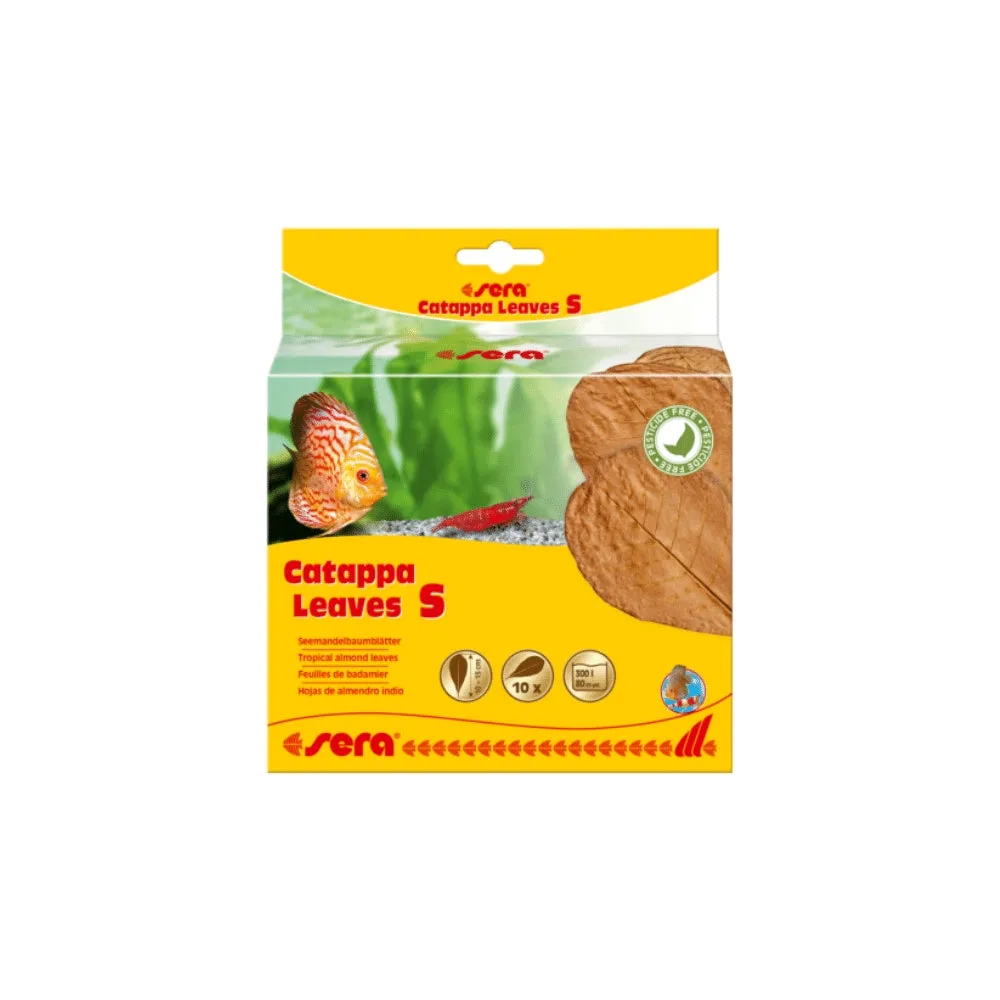
- Catappa leaves (3–5 leaves to start)
- Alder cones (5–10 cones) — release extra tannins
⚠️ Boil the wood for 30–60 min before installing (reduces the initial excess tannins) or soak it in cold water for 1–2 weeks.
Stage 2: Minimal planting
Plants are NOT essential in an authentic Rio Negro biotope, but they improve the look and filtration:
- Floating plants: Limnobium laevigatum (Frogbit) — essential for shade
- On the wood: Anubias barteri, Microsorum (Java fern), Bucephalandra
- NO dense substrate plants — they don't exist in the Rio Negro
Stage 3: Water preparation and cycling
- Fill with remineralized RO water (TDS 60–80 ppm, KH 1, pH 6.0)
- Add catappa leaves + alder cones — the water turns amber in 7–14 days
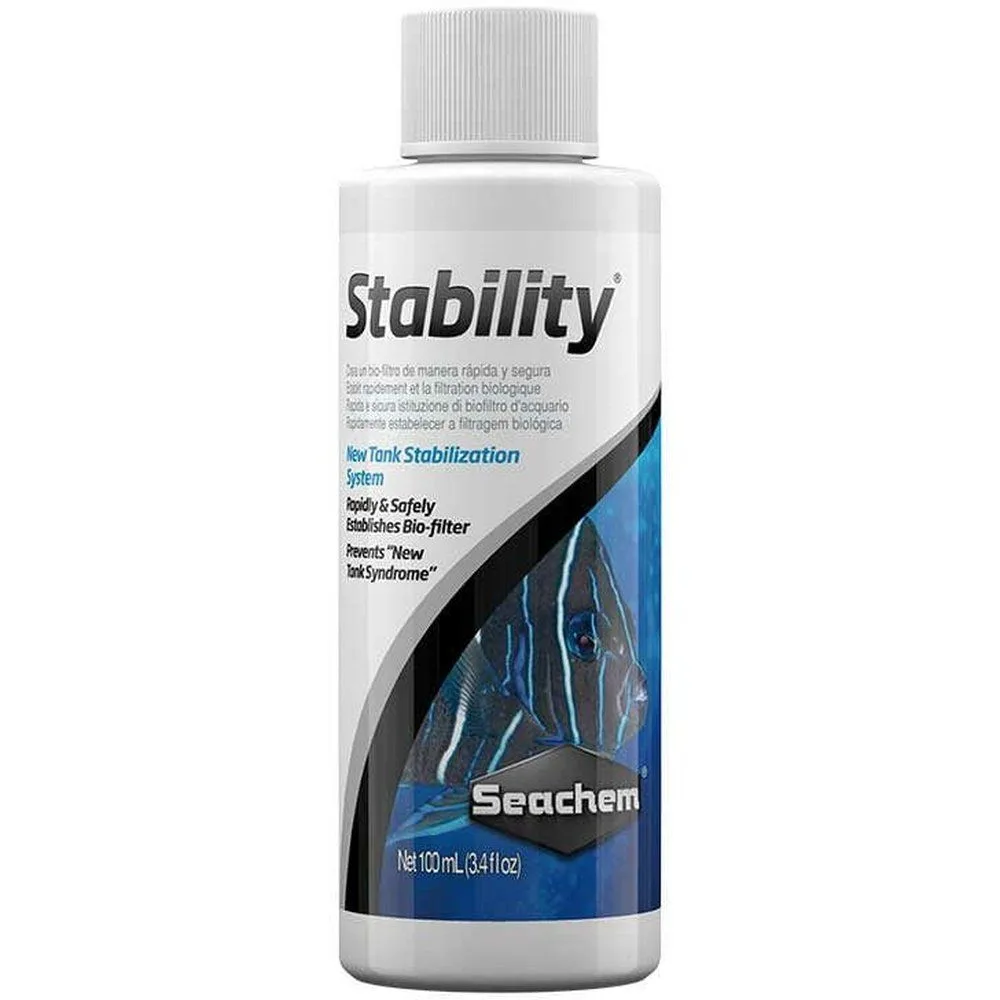
- Cycle for 4–6 weeks with a starter bacteria culture (e.g. Seachem Stability)
- Test daily: ammonia, nitrite, pH, TDS
Stage 4: Gradual introduction (8–10 weeks)
| Week | Species introduced | Quantity |
|---|---|---|
| 1–2 | Corydoras adolfoi/sterbai | 6 |
| 3 | Ancistrus | 1 |
| 4–5 | Cardinal tetra | 20 |
| 5–6 | Rummynose tetra | 10 |
| 6–7 | Hatchetfish | 8 |
| 7–8 | Apistogramma agassizii | 1M + 2F |
| 8–10 | Discus (LAST) | 6 |
| 10+ (optional) | L-numbers | 1–2 |
Stage 5: Stabilization and maintenance
- Water changes: 30% × 2/week with remineralized RO water
- Replace catappa leaves: every 2–3 weeks (when they break down)
- Test parameters weekly: pH, TDS, nitrate
- Feeding: a varied diet for all species
Stage 6: Details for authenticity
- Dry twigs on the substrate (mimic fallen branches)
- Dry oak leaves (an alternative to catappa)
- Lights only 8h/day at low intensity
- No noisy fans next to the aquarium (Rio Negro = quiet)
Final 400L (105 US gal) configuration
| Species | Number | Note |
|---|---|---|
| Discus | 6 | Stendker or Asian, adapted to soft water |
| Cardinal tetra | 20 | Main school |
| Rummynose tetra | 10 | Secondary school |
| Apistogramma agassizii | 3 (1M+2F) | Bottom zone |
| Corydoras sterbai | 6 | Bottom school |
| Marbled hatchetfish | 8 | Surface |
| Ancistrus | 1 | On the wood |
| L201 Inspector (optional) | 1 | Premium |
Total: ~55 fish in 400L (105 US gal) = a dense but authentic biotope.
Common mistakes
❌ "A Rio Negro biotope without reverse osmosis" — Impossible. Hard tap water sits at TDS 200–400 ppm. RO is mandatory.
❌ "I'll add a common pleco to clean up" — The common pleco (Pterygoplichthys) is NOT native to the Rio Negro and attacks the discus slime coat. Use an Ancistrus or L-numbers.
❌ "Dense Rotala, Limnophila plants for looks" — These plants do NOT exist in the Rio Negro and suffer in acidic/tannin water. Anubias + Java fern on wood = authentic and functional.
❌ "pH 4.5 like in the wild" — Farmed discus don't tolerate such a low pH. A 5.5–6.5 compromise is correct.
❌ "Activated carbon for clarity" — It absorbs the tannins and destroys the blackwater. Use it only for treatments (afterwards).
❌ "Black gravel substrate" — The Rio Negro has fine white sand. Sharp gravel stresses Cory and isn't authentic.
Did you know?
The Rio Negro gets its name — and its tea-black color — from humic and fulvic acids leached out of decomposing leaves in the flooded igapó forests, not from suspended mud. That same tannin-rich, nutrient-poor, acidic water is naturally very low in dissolved minerals and in mosquito larvae, and it's the exact environment wild discus evolved in. It's also why a faithful Rio Negro tank can't be built on hard tap water: the river's defining feature is what's missing from the water, which is why reverse osmosis does the heavy lifting here.
Advantages of an authentic Rio Negro biotope
✅ Discus thrive — a native biotope, maximum natural behavior ✅ Breeding stimulated — blackwater + correct parameters = frequent spawns ✅ Strong immune system — tannins have a natural antibacterial effect ✅ Spectacular aesthetics — vivid colors against an amber background ✅ A conversation piece — visitors are impressed
Disadvantages
❌ High setup cost (≈€840–1,500 for tank + RO + décor + fish — EU estimate; check your local market) ❌ RO maintenance (filters, membrane every 2–3 years) ❌ Replacing catappa leaves (every 2–3 weeks) ❌ Limited plants (if you want a densely planted tank, this isn't for you)
Rio Negro biotope setup checklist
- ☐ 400L+ (105+ US gal) tank available
- ☐ RO system installed + remineralizer
- ☐ Fine white sand + driftwood + catappa leaves + alder cones
- ☐ Filtration with a 4–5× volume/h flow (no carbon)
- ☐ Low LED lighting + 8h timer
- ☐ Gradual 8–10 week introduction plan
- ☐ Discus adapted to soft water (Stendker or local breeders)
- ☐ 4-week quarantine for each species
- ☐ Water test kit (API/Sera) for weekly monitoring
What to do next
📚 Learn more:
- Blackwater — catappa leaves + tannins
- Amazon biotope — complete design
- Reverse osmosis (RO) for discus
- Remineralizing RO water
- Apistogramma with discus
- Bottom feeders for discus
- Community tank stocking
- Driftwood and hardscape
🧮 Calculate:
- RO + tap water mixer — TDS parameters
- Stocking calculator — check the bioload
🛒 Buy:
Recommended products
Picked from the shop based on what you just read


Recommendations are selected from the discus.ro shop based on this guide's topic. Availability and prices may vary.
Frequently asked questions
Put what you just read into practice
One account brings together everything you need to keep your tank on track:
Water parameters, inhabitants, photos and the full history of every change — our most used tool.
Water changes, cleaning and feeding, on your own dates.
See at a glance which values fall outside the safe discus range.
The guides, products and listings you follow, saved in one place.