Discus aggression: hierarchy vs bullying and solutions
Aggression between discus — a natural (healthy) hierarchy vs pathological bullying (dangerous). 6 common causes, 6 warning signs and step-by-step solutions.

Quick summary
- Hierarchy is normal and healthy — do NOT stop it.
- Bullying = one fish driven off constantly, doesn't eat, wastes away.
- Cause #1: a group that's too small (under 5 discus).
- Cause #2: an undersized tank (under 200L / 53 US gal for 6 discus).
- Solutions: grow the group to 8+, rearrange decor, isolate the victim.
- If bullying persists: permanent separation in a second tank.
In short
- Hierarchy between discus is normal and healthy — do NOT stop it.
- Bullying = one fish driven off constantly, doesn't eat, wastes away, hides permanently.
- Cause #1: a group that's too small (under 5 discus).
- Cause #2: an undersized tank (under 200L / 53 US gal for 6 discus).
- Cause #3: a formed breeding pair — becomes aggressive toward the group.
- Solutions: grow the group to 8+, rearrange decor, feed from 3–4 points.
- Severe bullying: isolate for 2–4 weeks to recover.
What you'll learn
Many keepers confuse the natural hierarchy of discus (Symphysodon) — which is healthy and necessary for a stable group — with pathological bullying that can kill subordinate fish in 1–2 weeks through chronic stress, refusal to eat and injuries. This guide shows you exactly how to tell the two apart, the 6 causes of real bullying and the tested solutions for each scenario.
Natural hierarchy — what's normal
Discus are semi-territorial fish that form clear hierarchies in any group of 4+:
- 1 dominant alpha male — first to the food, the most intense colors
- 1 dominant female — the alpha's partner or independent
- The rest in descending order (β, γ, ...)
Signs the hierarchy is healthy
✅ The alpha comes first to the food — then the others feed too ✅ The alpha defends a preferred area (a corner, near the cone) — temporarily ✅ The alpha "shouts" through vibrations + intense colors — a visual signal, not an attack ✅ The subordinate fish retreat temporarily and return ✅ ALL of them eat, even if not at the same time ✅ No fish hides permanently ✅ All fish have good colors (not permanently darkened)
💡 Hierarchy is mandatory for a stable group. Discus without a hierarchy are confused and chaotically aggressive. Do NOT "fix" the hierarchy — only manage the excess.
Pathological bullying — warning signs
❌ One fish is driven off constantly from every zone of the tank ❌ The target fish stops eating for 5+ days ❌ It has torn fins or damaged slime coat on its body ❌ It hides permanently at the surface or in a corner ❌ Permanently dark colors (a sign of chronic stress) ❌ It loses weight visibly — sunken belly, sharp back ❌ It breathes rapidly all the time (stress + fear)
If you see 2+ signs → intervene. 3+ signs → an emergency, isolate the victim.
The 6 causes of bullying
1. A group that's too small ⚠️ (cause #1)
Under 5 discus, the natural aggression concentrates on 1–2 target fish instead of spreading across the group. The subordinates have "nowhere to hide in the crowd".
The solution: at least 6 discus, ideally 8–10.
2. A tank that's too small
Under 200L (53 US gal) for 6 discus = insufficient space for a healthy hierarchy. The subordinates have nowhere to retreat from the alpha's range.
The solution: at least 200L (53 US gal) for 6 discus, 250L+ (66+ US gal) for 8 discus. See "Aquarium size".
3. A formed breeding pair
When 2 discus form a stable pair, they become aggressive with the rest of the group — they defend the spawning territory even if they haven't spawned yet.
The solution: separate the pair into a breeding tank of 100L+ (26+ US gal). See "How pairs form".
4. An unbalanced sex ratio
| Ratio (M:F) | Risk |
|---|---|
| 4M : 2F | 🔴 Pressure on the females |
| 2M : 4F | 🟡 Males fighting over females |
| 3M : 3F | 🟢 Balance |
| Undetermined mix (juveniles) | 🟢 Normal — don't sex them |
Reliable sexing is only possible above 12 cm (5 in) — for juveniles, keep a large group (8+) and accept the proportions.
5. Disproportionate sizes
A 15 cm (6 in) discus + an 8 cm (3 in) discus = the small one inevitably becomes a victim.
The solution: keep the group with fish of similar size (max ±2 cm / 0.8 in difference). Never add 1 small discus to a group of adults.
6. Introducing a single new fish alone
A single new discus in a settled group is aggressively tested by every member. Acclimation stress + hierarchical pressure = frequent mortality.
The solution: add at least 2–3 new discus at once + rearrange the decor in the tank (reset the territories).
Solutions by severity
🟡 Moderate bullying (1–2 signs)
- Add 2–4 new discus — a group of 8–10 dilutes the aggression
- Rearrange the decor — reset the existing territories
- Add vertical hideouts — tall plants (Vallisneria, Echinodorus), wood, Anubias
- Feed from 3–4 points at once — everyone eats without direct competition
- Check the water parameters — poor water (nitrates >20 ppm) increases aggression
🔴 Severe bullying (3+ signs)
- Isolate the target fish in a second tank (at least 80L / 21 US gal, ideally 100L / 26 US gal)
- Recovery 2–4 weeks:
- Fresh water, perfect parameters (29°C / 84°F, pH 6.5, nitrates 0)
- Rich feeding (brine shrimp, beef heart) 3× a day
- Quiet — no aggressive fish around
- Reintroduce when it's healthy (colors return, eats well, no injuries)
- A major rearrangement of the main tank before reintroducing
- Add 1–2 new discus at the same time as the reintroduction to divert attention
💔 An aggressive pair (attacks the group)
If 2 discus have formed a pair and terrorize the rest:
- Option A: move the pair to a breeding tank (100L+ / 26+ US gal)
- Option B: move the rest of the group to a new tank
Anti-bullying configuration — setup checklist
| Aspect | Recommendation |
|---|---|
| Tank volume | at least 250L (66 US gal) for 6 discus |
| Number of discus | 6–10 (NEVER under 5) |
| Sizes | similar (max ±2 cm / 0.8 in difference) |
| Tall plants | Echinodorus, Vallisneria — vertical retreat |
| Vertical decor | wood, stone — blocks the line of sight |
| Feeding | 2–3 points at once, 2–3× a day |
| Parameters | 29°C / 84°F, pH 6.5, nitrates <10 ppm |
Common mistakes
❌ "I'll just remove the alpha discus, the problem is solved" — A new alpha appears within 24–72h. You only change the mask. ❌ "I'll feed more so they calm down" — Raises nitrates, lowers water quality, more stress. ❌ "I'll add 1 new discus to grow the group" — It will immediately be a target. Add at least 2–3 at once. ❌ "The hierarchy is bullying, I'll separate them all" — Discus isolated individually are even more stressed. The hierarchy is necessary. ❌ "I'll film it, post on a forum, see what others say" — For real bullying, intervention must happen within 24–48h — delay means death.
When to accept the loss
Sometimes a discus is genetically too weak or has a latent medical problem that makes it a permanent target. If after 4 weeks of isolation + recovery it's reintroduced and immediately harassed again, it's more humane to:
- Keep it separate permanently in a small tank (60L+ / 16+ US gal)
- OR give it to a dedicated keeper who can offer a stable environment
- DON'T force it to stay in a group that's killing it
Bullying diagnostic checklist
- ☐ Does the tank have at least 200L (53 US gal) for 6 discus?
- ☐ Are there at least 5 discus in the group?
- ☐ Are the sizes similar (max ±2 cm / 0.8 in)?
- ☐ Are there tall plants / vertical decor?
- ☐ Do you feed from 3+ points at once?
- ☐ Is there a formed pair defending territory?
- ☐ Did you recently introduce a new discus alone?
- ☐ Are the water parameters correct (nitrates <20 ppm)?
What to do next
📚 Learn more:
- Discus aquarium stocking — stocking formulas
- Discus body language — read the behavior
- The discus is hiding — diagnosis
- The discus won't eat — a primary bullying sign
- How pairs form
- Aquarium size
🧮 Calculate:
- Stocking calculator — check whether you have room for a larger group
🛒 Buy:
- Verified breeders — uniform groups
- Tall plants (Echinodorus, Vallisneria)
One discus terrorizes the others and tears their fins – what to do, step by step
Hierarchy is normal, but it becomes a problem when a dominant fish constantly chases one tankmate, tears its fins or keeps it pinned in a corner. Act in this order:
- Rearrange the decor. Move the wood, rocks and plants. Territories reset and every fish has to find its place again – this often ends the conflict.
- Add discus, don't remove. Counterintuitive, but in a group of 6+ aggression is spread out. Removing the victim simply lets the bully pick a new target. (Always quarantine new fish.)
- Add visual barriers – vertical wood, tall plants – so the victim can get out of the bully's line of sight.
- Isolate the bully for a few days (in quarantine or behind a divider). When it returns it has lost its territory and rank and is usually calmer.
- Check whether a pair has formed. Two discus guarding a spawning site are very aggressive – the solution is moving them to a separate tank.
Caring for the victim: torn fins regrow on their own in clean water (more frequent water changes). Watch the edges – if they turn white or fray, fin rot may be starting.
Recommended products
Picked from the shop based on what you just read
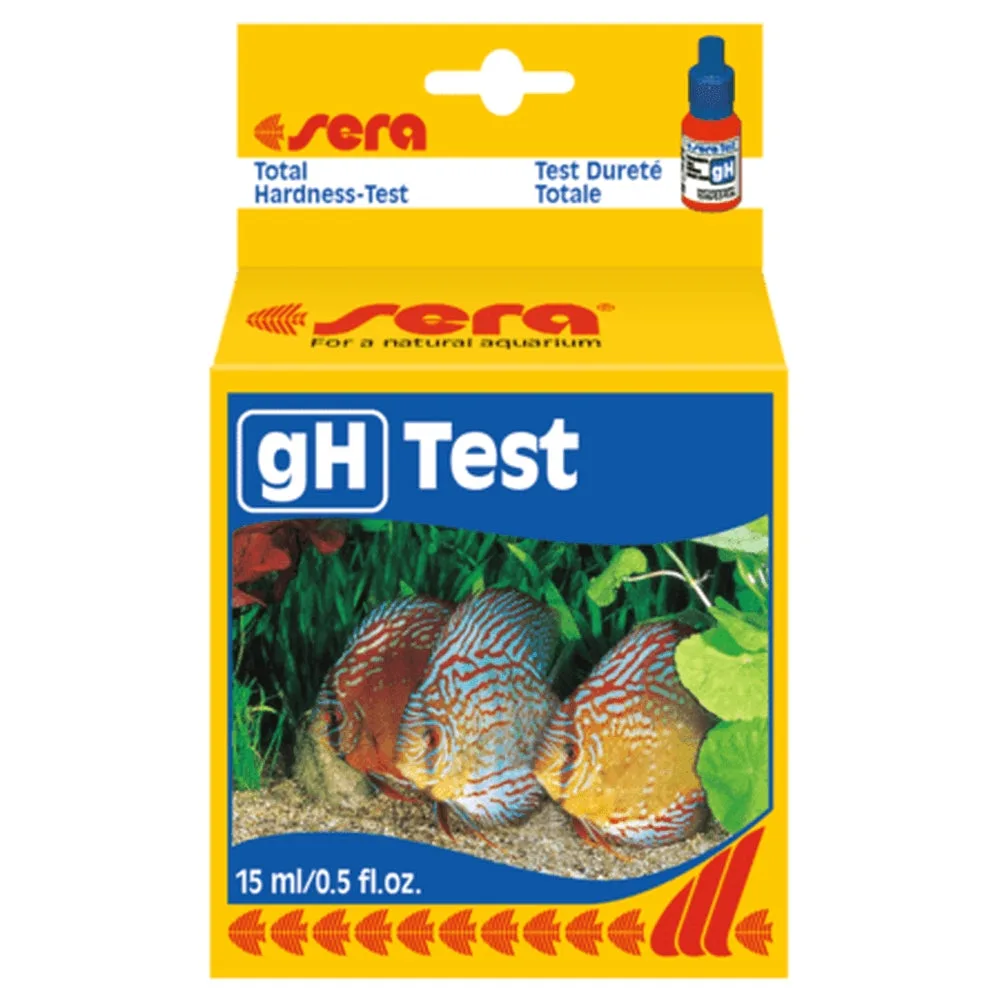
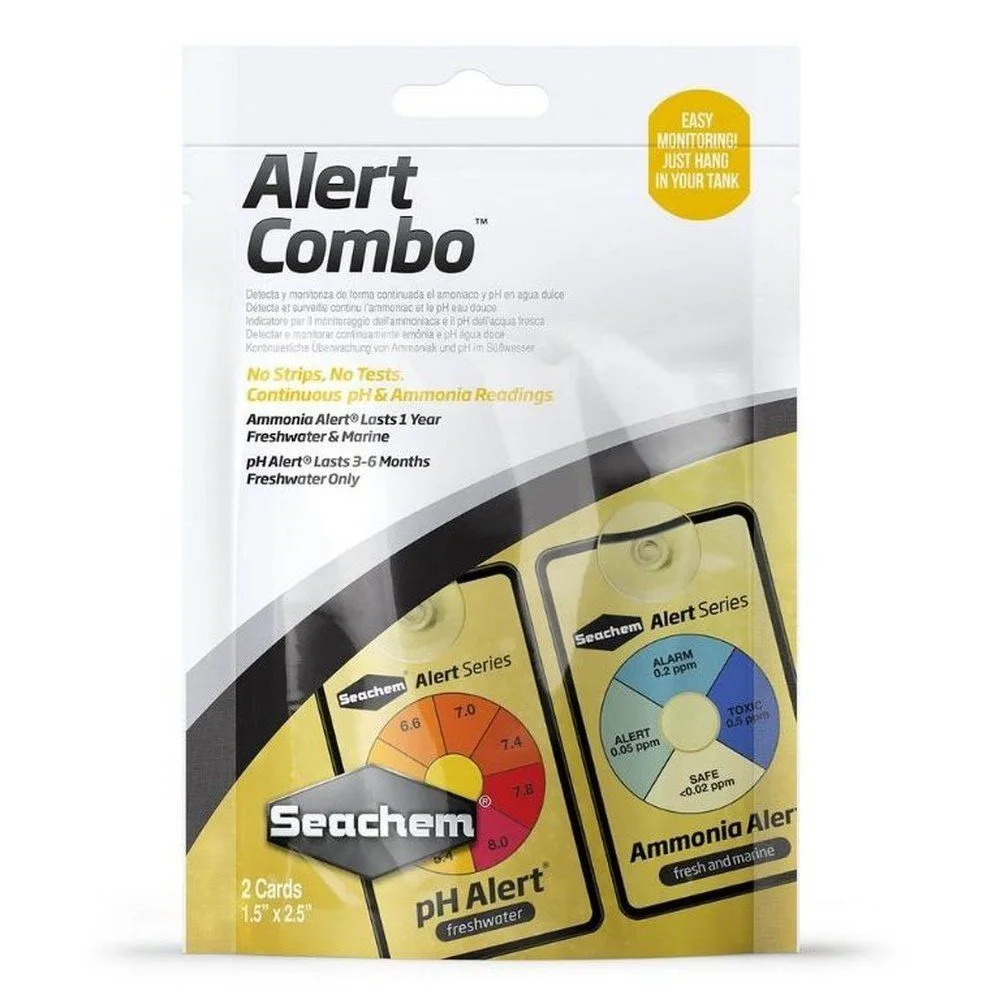
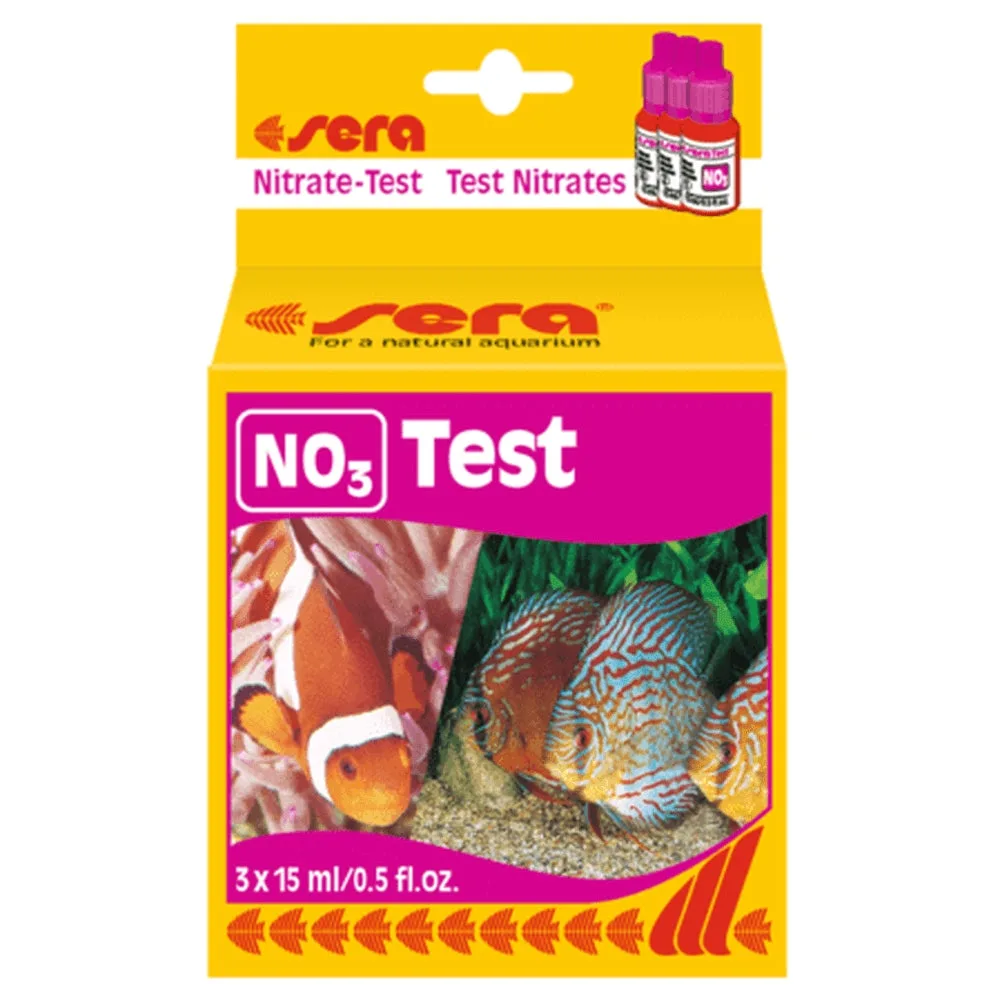
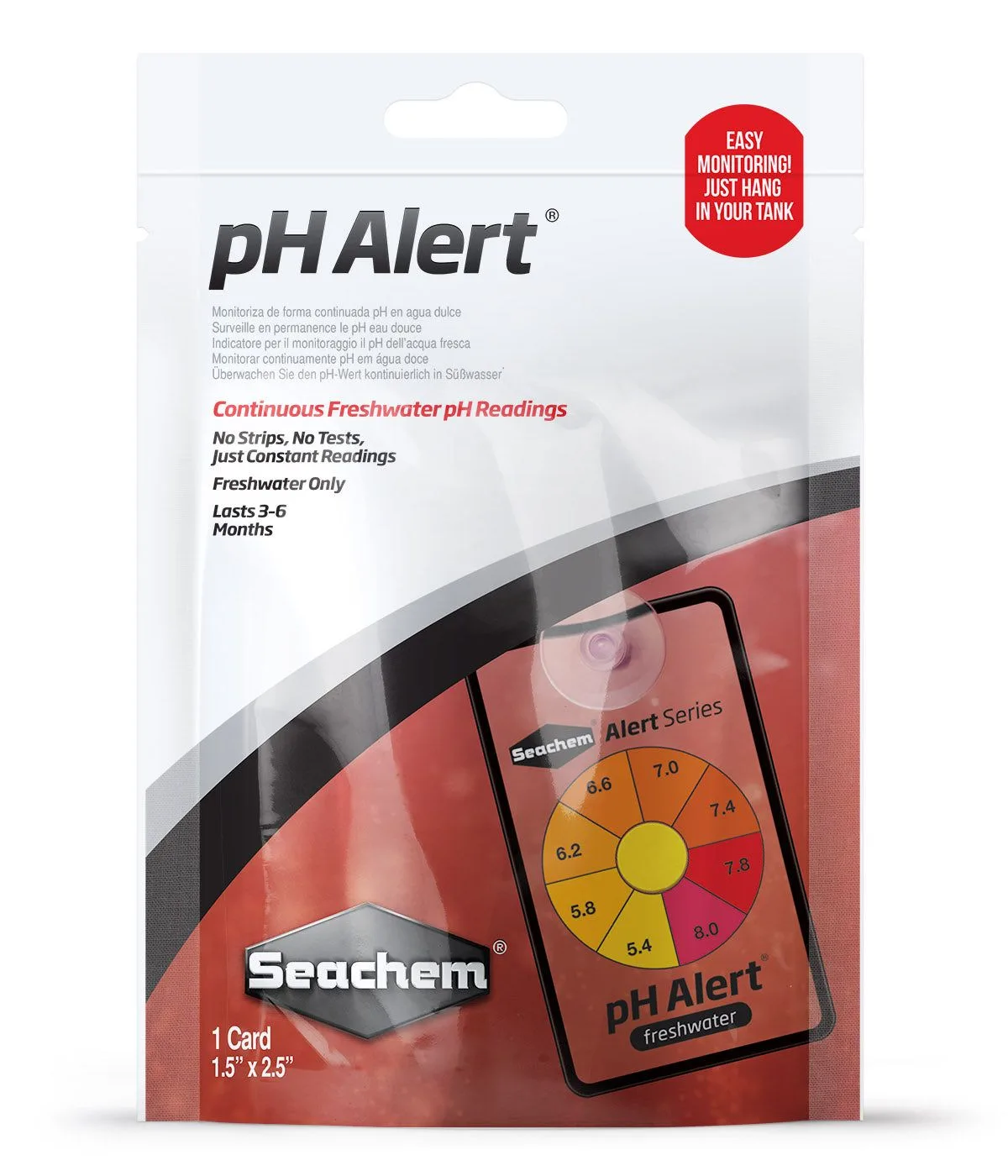
Recommendations are selected from the discus.ro shop based on this guide's topic. Availability and prices may vary.
Frequently asked questions
Put what you just read into practice
One account brings together everything you need to keep your tank on track:
Water parameters, inhabitants, photos and the full history of every change — our most used tool.
Water changes, cleaning and feeding, on your own dates.
See at a glance which values fall outside the safe discus range.
The guides, products and listings you follow, saved in one place.