Discus quarantine for beginners: a simple 30-day protocol
Simplified quarantine for beginners — a minimum 30-day protocol based on observation and light feeding, no complex treatments. When it's mandatory, when you can skip it, and what to watch for every day.

Quick summary
- Quarantine = a separate tank where you keep new discus for a minimum of 30 days (longer if signs appear or on veterinary advice) before adding them to your existing ones.
- Mandatory if you already have discus in the main tank — one sick fish can infect the whole group.
- You can skip it only if this is your very FIRST group of discus (your main tank is empty).
- Minimal setup: 60–100 L (16–26 US gal), a mature pre-seeded sponge filter, aeration, a heater at 29 °C (84 °F), bare-bottom, separate nets/siphon/bucket.
- No preventive medication — just observe. Treat ONLY based on clear signs and a probable diagnosis, ideally with a vet.
- Cost: a full kit is roughly €56–93 (EU estimate) and you reuse it for years.
In Brief
- Quarantine = a separate tank where you keep new discus for a minimum of 30 days (longer if signs appear or on veterinary advice) before introducing them to your existing fish.
- Mandatory if you already have discus — one sick fish can infect the entire group.
- You can skip it only if this is your FIRST group and the tank is empty.
- Minimum setup: 60–100L, mature sponge filter, air pump, heater at 29°C, bare-bottom, separate equipment.
- Cost: €56–93 for the kit (reusable indefinitely).
- No preventive medication — observe and treat ONLY when clear symptoms appear.
Do You Need to Quarantine?
| Your situation | Quarantine? |
|---|---|
| First group of discus — main tank is empty | ❌ NO |
| You already have discus and are buying new ones | ✅ YES, mandatory |
| Fish from different sources (even on the same day) | ✅ YES, separate per source |
| You recently lost a discus with no clear cause | ✅ YES, before adding new fish |
| Verified breeder, fish observed as healthy | 🟡 Recommended (minimum 30 days) |
⚠️ The golden rule: a single sick discus can wipe out an entire tank. Quarantine costs €56; a new discus setup costs €560+.
Minimum Setup — Quarantine Kit
Equipment Needed
| Product | Price (EUR) | Note |
|---|---|---|
| 60–100L tank (second-hand is fine) | €28–47 | Plastic or glass, simple |
| Sponge filter (run beforehand in a healthy, established tank) | €15–22 | Mature biological filtration |
| 100W heater with thermostat | €11–19 | Aquael or JBL |
| Digital thermometer | €6 | Mandatory |
| Air pump + airstone | €6–9 | Needed for aeration |
| Separate net, siphon, bucket | €6–11 | Only for quarantine |
| Lid or cover | €0–9 | Discus jump |
| TOTAL | €65–110 | Usable for years |
Step-by-Step Setup (Day -1)
- Fill with dechlorinated water (Seachem Prime or Tetra AquaSafe) at 29°C
- Move in the sponge filter that has been running in your established healthy tank (to seed nitrifying bacteria), then start heater + air pump
- Bare-bottom — more hygienic, waste is easy to spot
- 2–3 simple hides: PVC pipe, half a ceramic pot, catappa leaf
- Dim lighting or none — reduces stress
- No plants ever in quarantine — they can harbour parasites
💡 The quarantine tank needs mature biological filtration — water changes do not replace it. Use them only to correct ammonia or nitrite. Use separate nets, siphon and buckets, and handle the quarantine fish last.
Protocol — Minimum 30 Days of Observation
Week 1 — Acclimatisation
Day 1 — Arrival
- Acclimatise using the drip method (guide)
- Do not feed for the first 24h
- Lights off or dim, keep the room quiet
Days 2–3
- Minimal feeding: a small portion of frozen brine shrimp or a few pellets
- Observe whether they eat
- 30% water change at 29°C
Days 4–7
- Normal feeding 2×/day, small amounts
- Test ammonia and nitrite daily; change water if they rise
- Log in a notebook: appetite, faeces, behaviour, breathing
Weeks 2–5 — Confirmation
Days 8–30
- Feed 2×/day with variety (brine shrimp, pellets, beef heart)
- Regular water changes; extra changes if ammonia or nitrite rise
- Continue observation
Day 30 — Decision:
| Observation | Action |
|---|---|
| ✅ Eating normally, brown faeces, active behaviour, no symptoms | Move to the main tank |
| 🟡 1–2 days without appetite, no other signs | Extend quarantine |
| ❌ Signs of disease | Do NOT move; treat only based on a probable/confirmed diagnosis, ideally with a vet |
The first 30 days with discus calendar
One day per row: what to do, what to check and what to avoid in the first month. No theory, just the right order.
Daily Checklist — 60 Seconds
| Sign | ✅ Normal | ❌ Warning |
|---|---|---|
| Appetite | Eating eagerly | Refusing food for 2+ days |
| Faeces | Brown, compact | White, transparent, stringy |
| Fins | Open and spread | Clamped against the body |
| Colour | Vivid, even | Darkening, persistent vertical bars |
| Breathing | 60–80/min, calm | Over 100/min, gasping |
| Behaviour | Swimming actively | Hiding in corners, sitting on the bottom, hanging at the surface |
| Body surface | Clean | White spots, excess mucus, lesions |
🚩 Any warning sign persisting for over 48h → consult the problems guide.
Common Mistakes
❌ Preventive medication — without a clear diagnosis you destroy beneficial bacteria and poison the fish. Treat ONLY when symptoms are present.
❌ High doses of salt as a preventive — discus do not tolerate salt well. Use only when specifically indicated.
❌ Temperature at 32°C — causes stress and low oxygen levels. 29°C is correct.
❌ Using a new, unseeded filter — ammonia builds up quickly. Seed the sponge filter in a healthy tank first and test ammonia/nitrite daily.
❌ Skipping quarantine because the fish looks fine — internal parasites (Hexamita) are not visible at first. Quarantine is the only protection.
❌ Feeding heavily after transport — excess food means excess ammonia. Feed small amounts frequently.
Moving to the Main Tank — After Minimum 30 Days
- Check parameters in both tanks — keep differences in pH and temperature minimal
- 30-minute acclimatisation — float the bag with quarantine water in the main tank
- Turn off the lights in the main tank for 24h
- Feed the existing group to distract them, then introduce the new fish
- Observe for 48h — some hierarchy conflicts are normal
- Regular water changes in the following days
Cleaning the Tank After Use
- Drain completely
- Rinse with hot water (no detergent)
- 10% bleach solution — leave on hides and equipment for 15 minutes
- Rinse thoroughly and leave to dry for 48h in sunlight
- Filter media — discard (it can carry pathogens)
Final Checklist
- ☐ Quarantine setup 60–100L, separate from the main tank
- ☐ Dechlorinated water, 29°C, mature (pre-seeded) sponge filter, aeration
- ☐ Separate net, siphon, bucket; handle quarantine fish last
- ☐ Bare-bottom + 2–3 simple hides
- ☐ Drip acclimatisation on arrival
- ☐ Daily ammonia/nitrite tests for minimum 30 days; water changes if they rise
- ☐ Moderate feeding 2×/day
- ☐ Daily 60-second observation — log in a notebook
- ☐ Decision on Day 30: move OR extend OR treat (on diagnosis)
- ☐ Full clean-down after use
What to Do Next
📚 Advanced version: Full quarantine protocol — for when you have more experience.
📖 Follow-up guide: Acclimating new discus — drip method step by step.
🛒 Spot problems early: How to choose a healthy discus — prevent buying a sick fish in the first place.
Save your tank, log water parameters and get email reminders for care tasks — for free.
Products for quarantine
Picked from the shop based on what you just read
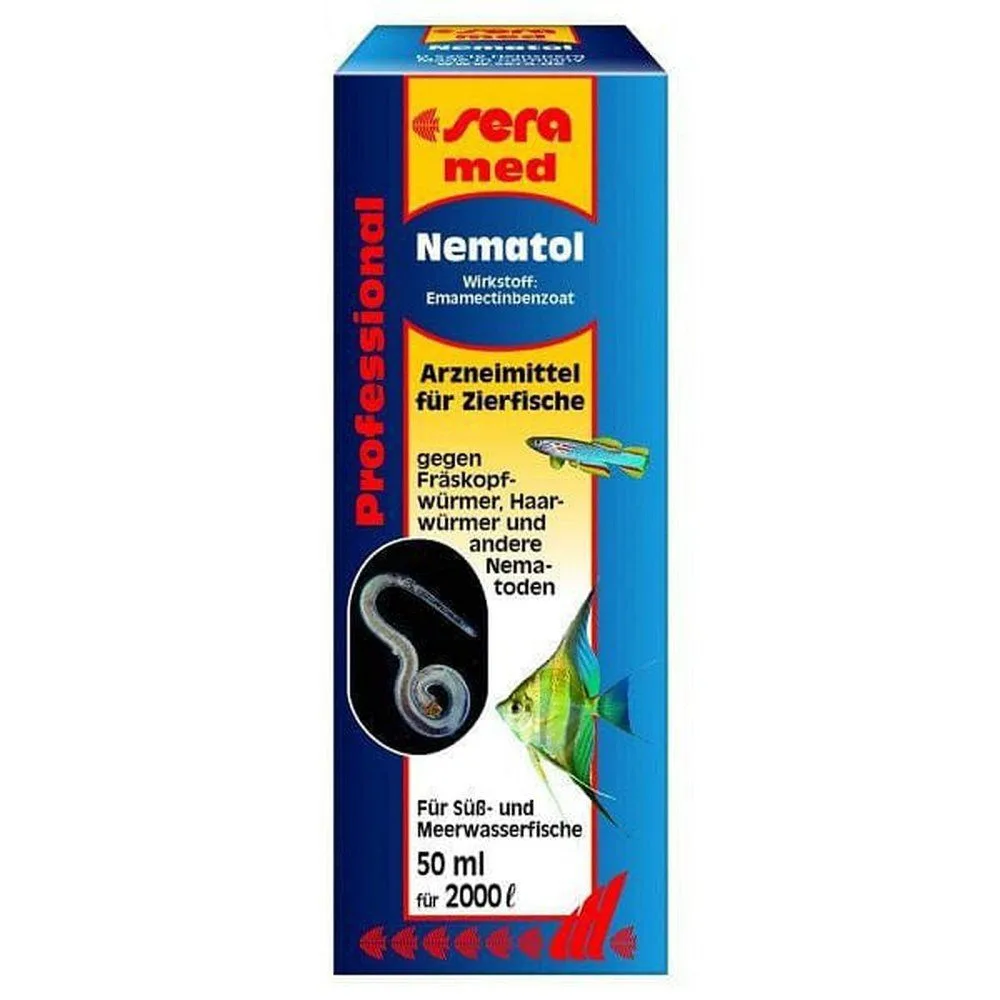
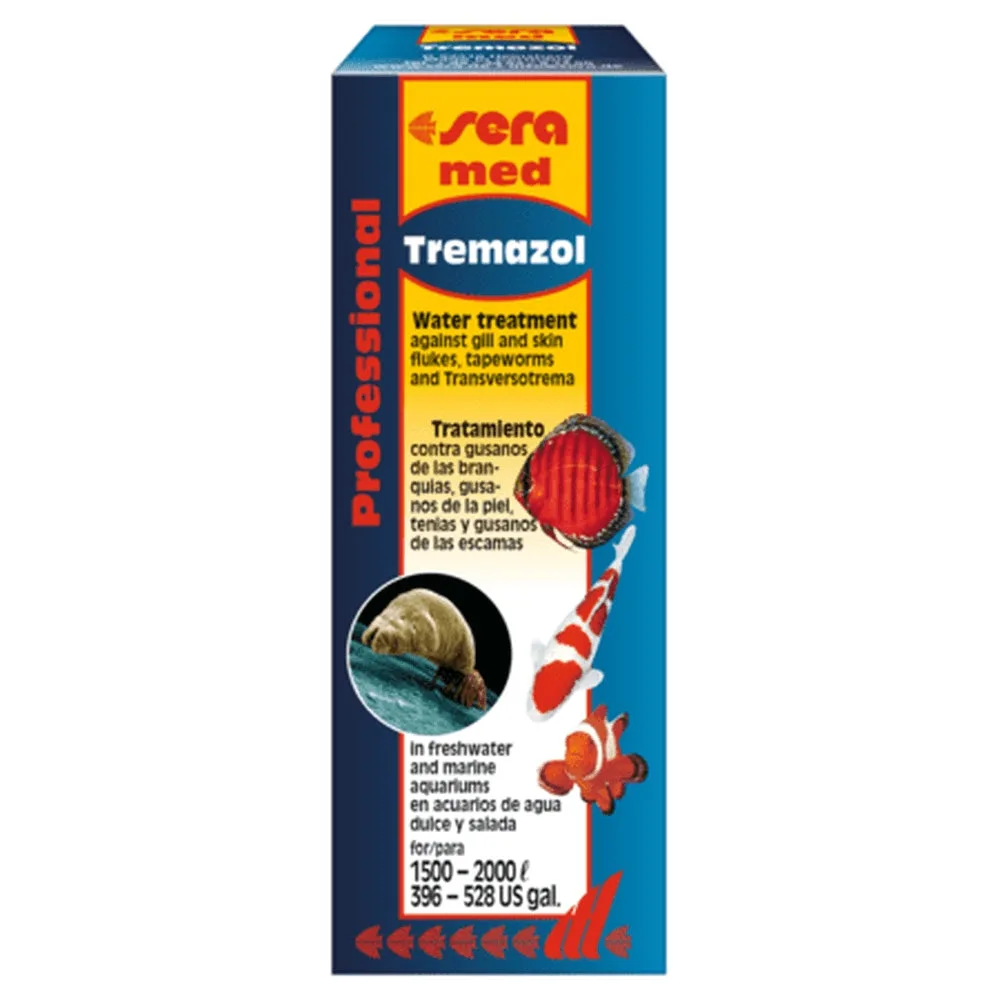
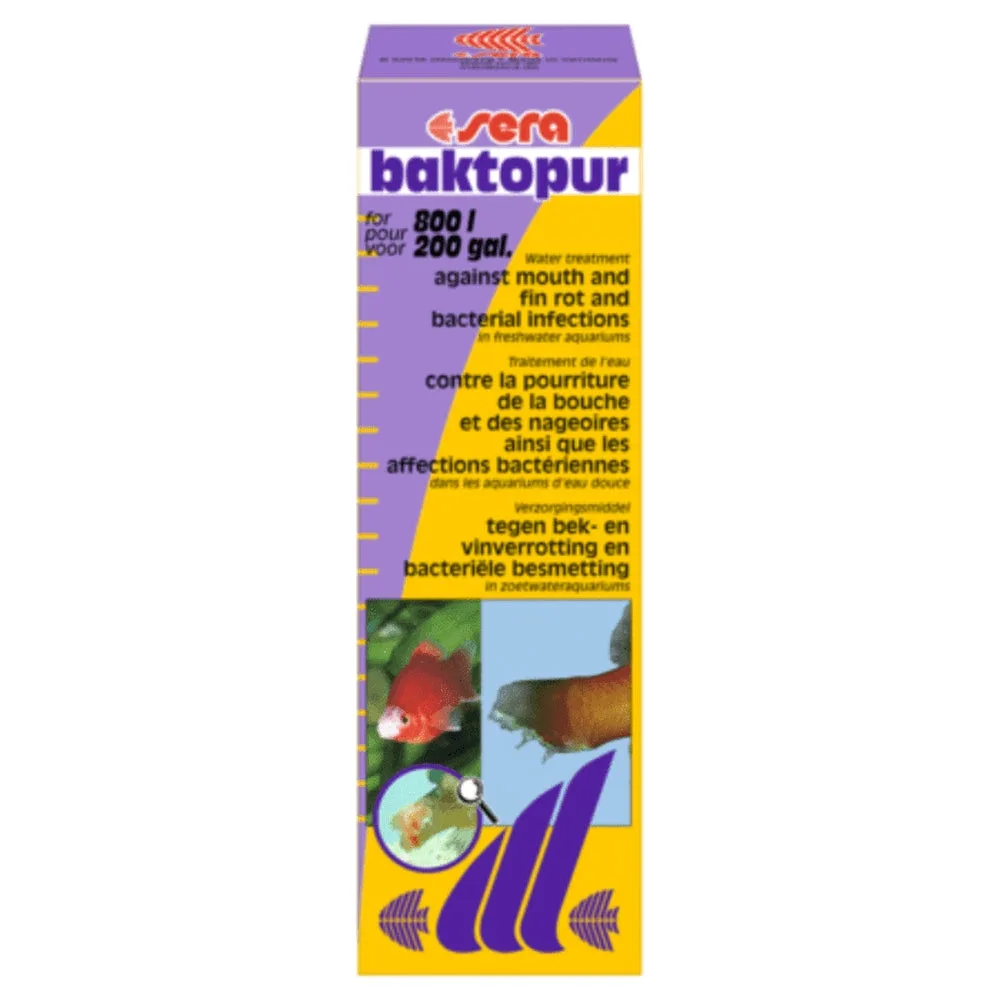

Recommendations are selected from the discus.ro shop based on this guide's topic. Availability and prices may vary.
Frequently asked questions
Put what you just read into practice
One account brings together everything you need to keep your tank on track:
Water parameters, inhabitants, photos and the full history of every change — our most used tool.
Water changes, cleaning and feeding, on your own dates.
See at a glance which values fall outside the safe discus range.
The guides, products and listings you follow, saved in one place.