Post-transport stress in discus: quarantine, observation and when to treat
Transport stress and pathogens carried in by new fish can both lead to problems after purchase. How to set up a 30-day quarantine, what to watch daily and why treatment should follow a diagnosis, not the calendar.

In short
- Transport is a real stressor for discus: handling, temperature swings, low oxygen, and ammonia and CO₂ building up in the bag. Stress and poor water can predispose fish to disease, but they are not the only cause.
- After arrival you may see parasitic, bacterial or oomycete problems. Both stress and pathogens carried in by the new fish play a role.
- Observed sign → suspicion → confirmed diagnosis. Many signs are nonspecific. Confirmation needs microscopy of mucus, gills and feces, and where needed a necropsy or a fish vet.
- Quarantine lasts at least 30 days, and longer if signs or suspicion appear. Use a separate tank with mature biological filtration and dedicated equipment.
- No automatic preventive treatments. Antibiotics are prescription veterinary medicines and must not be used routinely for prophylaxis.
What this guide covers
Apparently healthy new discus may, days or weeks after arrival, show white feces, white spots, patches, frayed fins or fluffy growth on wounds. This guide covers prevention, observation, telling causes apart and justified treatment. Typical problems include Hexamita, Ich, Columnaris, Saprolegnia and Fin rot. For practical acclimation, see the first-72-hours guide.
Why stress favours disease
Prolonged stress, handling and poor water can damage the slime coat and weaken defences. Bacterial outbreaks usually follow a predisposing background: organic load, transport, temperature swings or hypoxia. There is no published data on what share of post-transport disease is "latent" versus arriving with new fish; quarantine and observation matter in both cases.
| Problem | What favours it | Notes |
|---|---|---|
| Hexamita / Spironucleus | Stress, poor condition | Cichlids highly susceptible; severity correlates with flagellate numbers. |
| Ich | Carrier fish | Obligate parasite; can affect gills only, with no visible spots. |
| Columnaris | Poor water, live food, infected fish | Can be acute. |
| Fin rot | Trauma, poor water | Often secondary bacterial; correct predisposing factors first. |
| Saprolegnia | Wounds, organic debris, excessive treatment | Oomycete, not a true fungus; usually secondary. |
| Oodinium | Carrier fish | May affect gills only; guarded prognosis. |
| Internal worms (Capillaria, Camallanus, cestodes) | Imported fish, live food | Capillaria is common in discus. |
Transport and arrival stressors: bag movement and handling (damaged slime coat); sudden temperature change; low oxygen (gill strain, rapid breathing); accumulated CO₂ (bag pH drops); ammonia from feces (more toxic when pH rises as the bag is opened); bright light at opening (panic, collisions); new hierarchy (aggression, injuries, food refusal); different pH, GH, KH, TDS or food; tanks without mature filtration (fluctuating ammonia and nitrite).
Practical protocol
Before transport (if you have control)
- Choose a trusted source, e.g. from the Discus.ro directory, and ask for their water parameters to match the quarantine tank.
- Keep the trip short. Use an insulated (polystyrene) box and large bags with plenty of air or oxygen above the water; keep fish dark en route.
- Many keepers don't feed the day before shipping (hobby observation), meaning fewer feces in the bag.
Quarantine tank, set up in advance
| Parameter | Target |
|---|---|
| Volume | 80–150 L (21–40 US gal) |
| Filter | Sponge pre-seeded in a healthy, established tank |
| Temperature | 28–30 °C, stable |
| pH / TDS | Close to the source |
| Aeration | Good (airstone, sponge) |
| Light / decor | Dim; simple, one hiding spot |
| Equipment | Dedicated net, siphon and bucket; service this tank last |
Arrival
- Float the bag 15–20 min to equalize temperature.
- Drip-acclimate slowly (see the first-72-hours guide).
- Net the fish across; don't add bag water.
- Don't feed on day one. Keep lights dim for 24–48 h and don't handle the fish.
- Watch from a distance: breathing, posture, colour.
First 2 weeks
- Water: Test ammonia and nitrite daily; change water if either appears. Water changes don't replace mature biofiltration.
- Feeding: Once settled, offer small portions of an accepted food (e.g. frozen bloodworm), then broaden gradually: beef heart, artemia, quality granules. 2 meals a day; siphon leftovers. Avoid heavy feeding on day one: leftovers add organic load, favouring bacterial problems.
- Vitamins: optional support only.
- Temperature: constant, no "preventive" raising or lowering; swings are a stressor.
- Daily log: appetite, feces, breathing, photos or video. Early signs are easy to miss.
Week 3 to the end (minimum 30 days)
- Regular changes, e.g. 30% twice weekly, with matching parameters.
- Move fish only after at least 30 days without signs, aligning parameters gradually with the main tank. Never put new fish straight into the main tank or into an already stressed tank.
- Extend quarantine if signs, suspicion or treatment occur, or if a vet advises it.
- Any dead fish should be examined (necropsy), ideally by a specialist.
Note: quarantine cannot detect mycobacteriosis, many viruses or microsporidia. The source of your fish matters.
Signs to watch daily
Normal early stress: faded or darkened colours, partly clamped fins, low activity, hiding, reduced appetite. These usually improve within days if the water is good (hobby observation).
| Observed sign | May suggest | Confirmation |
|---|---|---|
| Stringy white feces, weight loss, food refusal | Hexamita / Spironucleus, worms, Cryptobia, bacteria | Microscopy of feces or intestinal contents |
| White spots, flashing | Ich, monogeneans | Skin scrape, gill biopsy |
| Gold/rust sheen (oblique torch), fast breathing | Oodinium, flukes, poor water | Skin and gill microscopy |
| Yellow-white patches on mouth/head, rapid spread | Columnaris | Wet mount showing filamentous bacteria |
| Ragged fins, red edges | Fin rot, injury | Check water and aggression; culture if it progresses |
| Fluffy white filaments on wounds | Saprolegnia | Microscopy: large nonseptate filaments |
Treat only after a probable or confirmed diagnosis. Product and dose depend on that diagnosis and the label of the product you actually buy; the dedicated guides describe the options.
Why not "prophylactic" treatment
Hobby protocols give metronidazole or praziquantel to all new fish, e.g. for "unknown sources" or batches of "more than 4 fish". Our sources don't support this as a standard for discus, and quoted mortality-reduction figures are undocumented. No universal mandatory deworming or metronidazole protocol exists; treatment follows signs and diagnosis, not source or fish count. Routine acriflavine baths and preventive deworming, often recommended on forums, are not supported as standard practice.
- Metronidazole is indicated for probable or confirmed spironucleosis. Treatment is recommended when fish lose condition or a wet mount shows more than 15 organisms per low-power field. It is not effective against Cryptobia iubilans, an important cause of wasting in discus. Weight loss, prolonged food refusal and white feces raise suspicion of intestinal flagellates; confirm by microscopy of feces or intestinal contents first. Details: Hexamita guide.
- Praziquantel targets flatworms (monogeneans, cestodes), not nematodes. Use only when signs or a diagnosis justify it.
- Antibiotics only on veterinary prescription, ideally after culture and sensitivity testing, and after correcting predisposing factors. Never routine prophylaxis.
- Unnecessary treatment adds stress, can be toxic to weakened fish, can harm the filter and masks signs needed for diagnosis.
New fish in quarantine
        ↓
Any clinical signs?
   NO               YES
    ↓                ↓
No medication     Observe and record the sign
Good water, food, ↓
monitoring        Suspect a cause
                  ↓
                  Confirm: microscopy of mucus/
                  gills/feces, necropsy,
                  fish vet
                  ↓
                  Targeted treatment by diagnosis
Quarantine support — what actually makes sense
The foundation is good water, correct nutrition, hygiene and quarantine, not products.
| Item | Role | Notes |
|---|---|---|
| Mature sponge filter | Stable biofiltration | Seed beforehand in a healthy, established tank. |
| Aeration, heater, thermometer | Oxygen, stable temperature | Essential after shipping. |
| NH₃/NH₄⁺ and NO₂⁻ test kits | Catch water problems early | Test daily at first. |
| Seachem Prime (or similar) | Dechlorination, temporary ammonia binding | Label dose. Does not replace water changes. |
| Catappa leaves | Tannins, comfort | Hobby observation. Not a treatment. |
| Vitamin supplement (e.g. Atvitol) | Nutritional support | Label dose. Does not cure disease. |
| Varied food (bloodworms, artemia, granules, spirulina, white worms, beef heart) | Rebuilding condition | Small portions. |
| Garlic | Appetite stimulant | Hobby observation. Not a proven antiparasitic. |
| Nitrifying bacteria (optional, e.g. Sero Bio Nitrivec, API Quick Start) | Helps cycling | Does not replace a mature filter. |
Do not add methylene blue, salt or other chemicals "preventively". Use them only for a concrete reason, at the label dose or as advised by a vet. Methylene blue also stains silicone and can harm filter bacteria.
A new discus that doesn't eat for a few days is common. Hobby observation: patience, calm and clean water help more than medication.
Discus lying on the bottom after shipping – is it normal?
For the first hours, sometimes until the next day, this is common in exhausted fish. Check that gill covers move steadily. Very fast breathing or hanging at the surface points to a water problem (oxygen, ammonia, nitrite): test right away, then correct with aeration and a water change (with matched water, even in the first 72 h). If breathing is steady, turn lights off, keep the room quiet, aerate well, offer little or no food on day one and avoid netting.
Hobby observation: many discus recover within 12–48 hours. Red flag: if the fish is still lying down after 48 hours, breathes hard, or shows patches, mucus or lesions, check parameters and work toward a diagnosis, involving a vet when needed.
When you need a vet
- Deaths in quarantine. A necropsy can help save the remaining fish.
- Several signs at once or rapid worsening.
- Persistent fast breathing, or pale or swollen gills.
- Progressive wasting with poor appetite (flagellates, Cryptobia, worms or mycobacteria).
- No improvement after correcting the water.
- Diagnostic uncertainty, or possible need for antibiotics.
If you can't find a fish vet, record the full history: source, transport duration, temperature, water parameters, photos/video and symptoms. You can ask breeders in the Discus.ro directory, but treat only after the firmest confirmation you can get.
Final checklist
- Before: ☐ trusted source (verified breeders) ☐ source water parameters ☐ quarantine tank with mature sponge filter ☐ test kits, conditioner, heater, aeration
- At arrival: ☐ slow acclimation, net transfer without bag water ☐ stable temperature, dim lights for 24–48 h ☐ no food, or very little, on day one
- Weeks 1–2: ☐ daily observation and tests ☐ correct feeding, siphon leftovers ☐ no medication without a diagnosis
- Weeks 3–4 and beyond: ☐ regular water changes (e.g. 30% twice weekly) ☐ normal behaviour ☐ minimum 30 days before moving, parameters matched gradually ☐ clean, disinfect and dry quarantine equipment at the end
What to do next
📚 Continue learning:
- The first 72 hours with discus — practical acclimation
- Discus quarantine for beginners — quarantine setup
- Acclimating new discus — the drip procedure
- How to choose a healthy discus — selection at the source
- The aquarist's pharmacy for discus — what to keep on hand
🔧 Practical resources:
- Treatment dosage calculator — volume calculations; the dose comes from the label or a vet
- Visual diagnosis — orientation at first signs, not a final diagnosis
- Verified breeders — trusted sources
🐠 Final tip: a mature filter, stable water, good food, daily observation and patience matter more than any product kit. Medication comes after a diagnosis, not before.
Sources
- Merck Veterinary Manual — Management of Aquarium Fish
- Merck Veterinary Manual — Routine Health Care of Fish
- Merck Veterinary Manual — Bacterial Diseases of Fish
- Merck Veterinary Manual — Parasitic Diseases of Fish
- Merck Veterinary Manual — Mycotic Diseases of Fish
- Francis-Floyd R., Yanong R., Pouder D. — Ichthyophthirius multifiliis (White Spot) Infections in Fish, UF/IFAS EDIS FA006
- Regulation (EU) 2019/6 on veterinary medicinal products
Want a clear schedule for your tank?
Generate a personalized plan for water changes, feeding, testing and maintenance — in just 2-3 minutes.
Generate care planSave your tank, log water parameters and get email reminders for care tasks — for free.
Recommended products
Picked from the shop based on what you just read
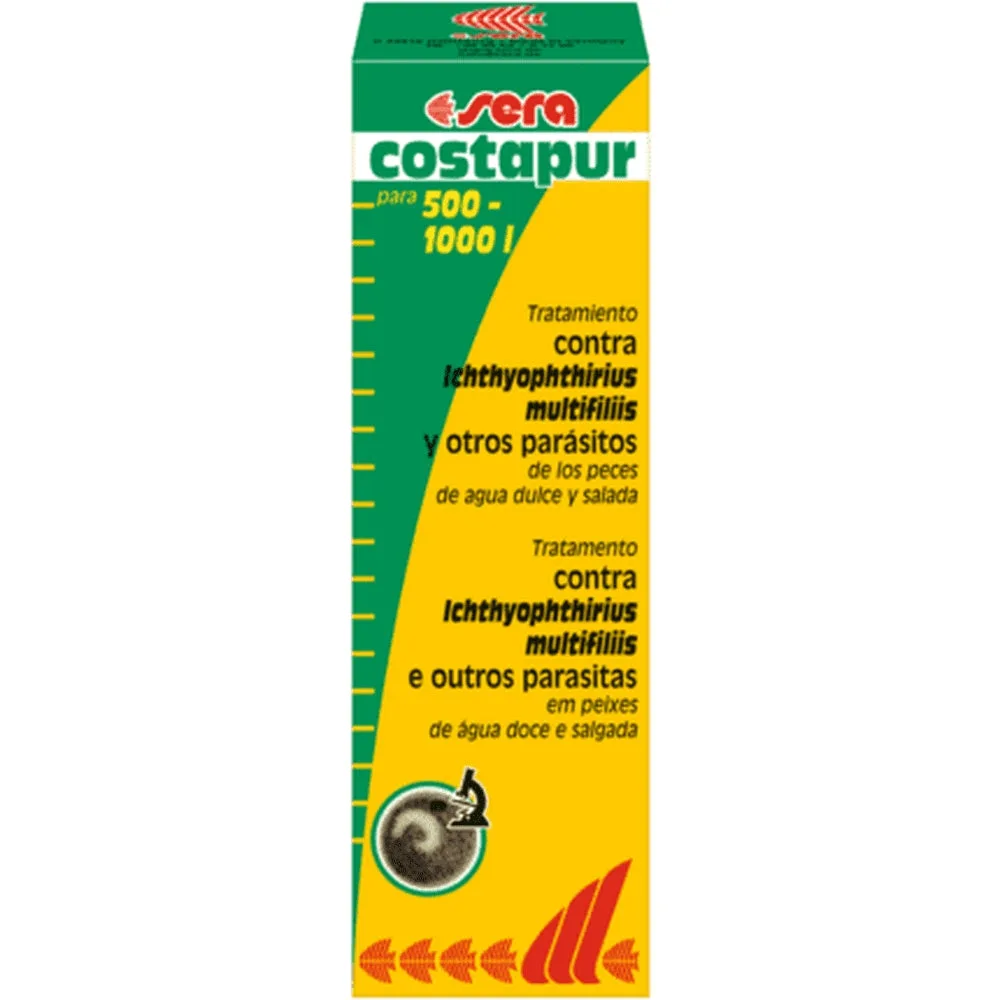
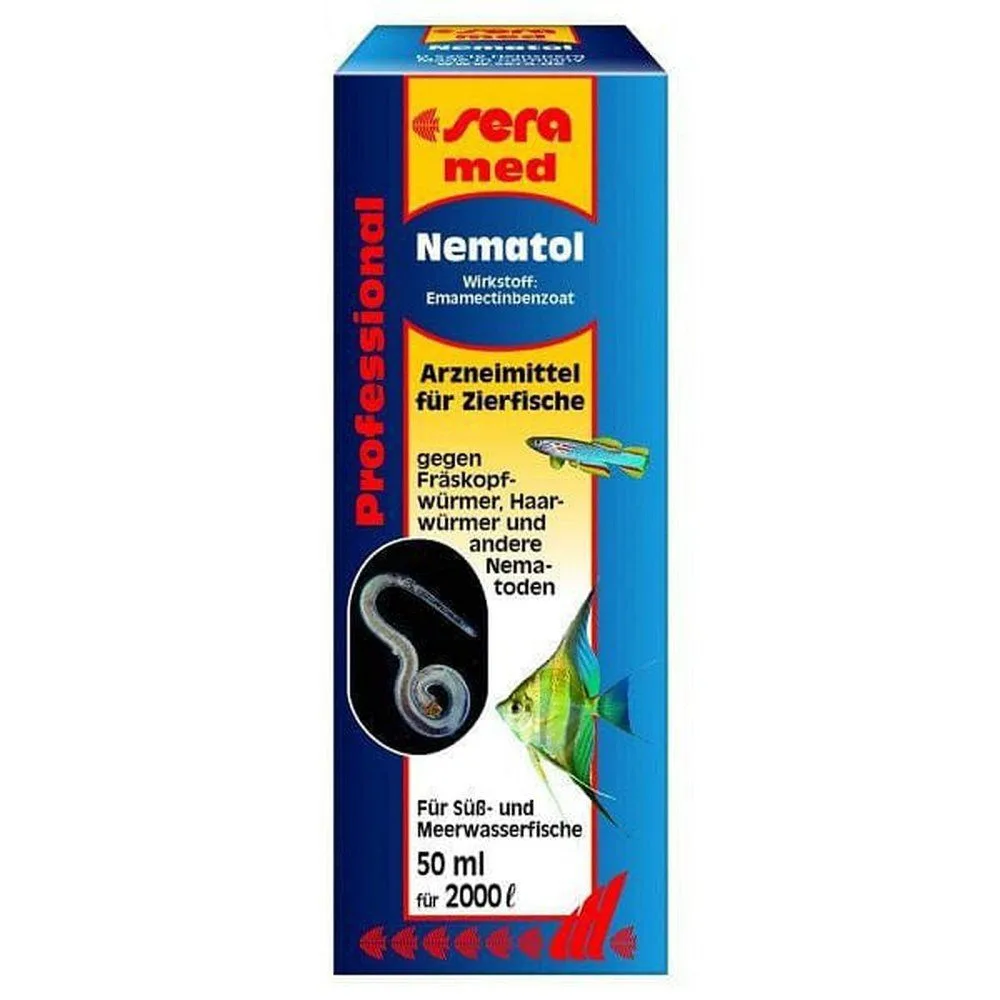
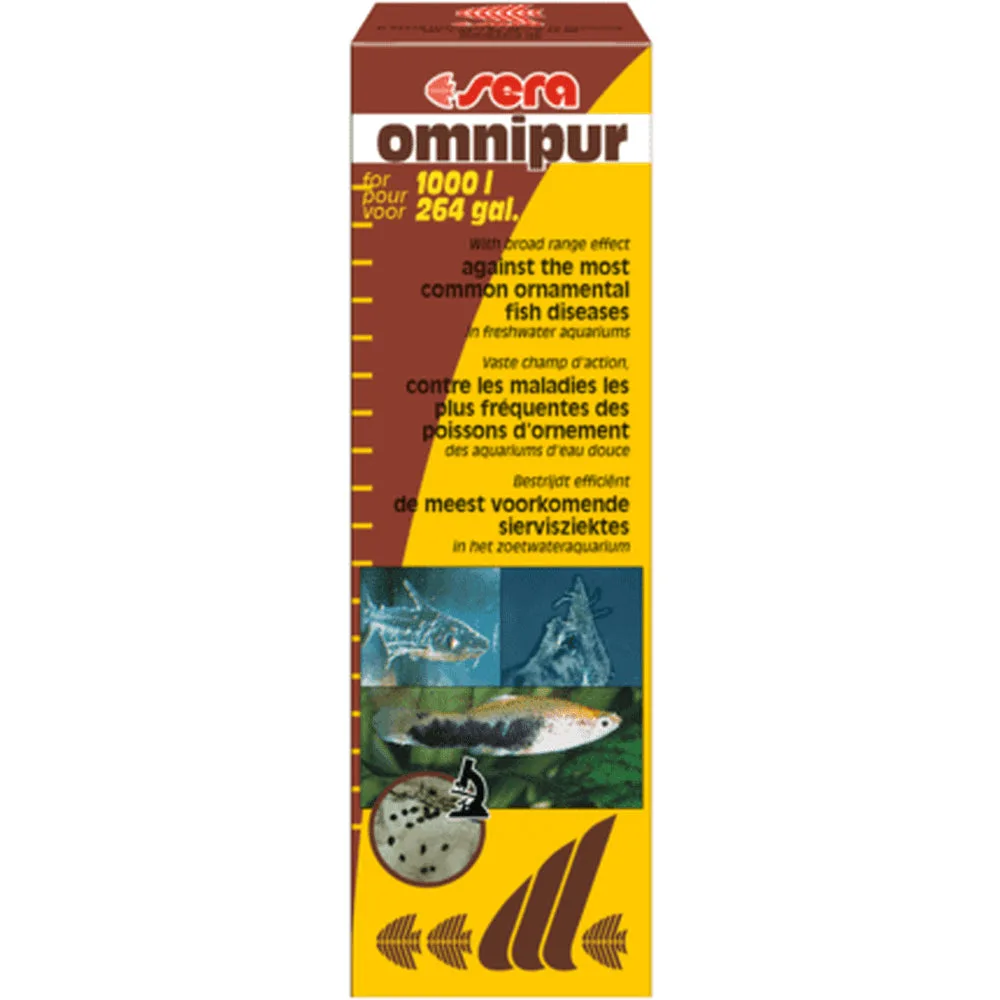
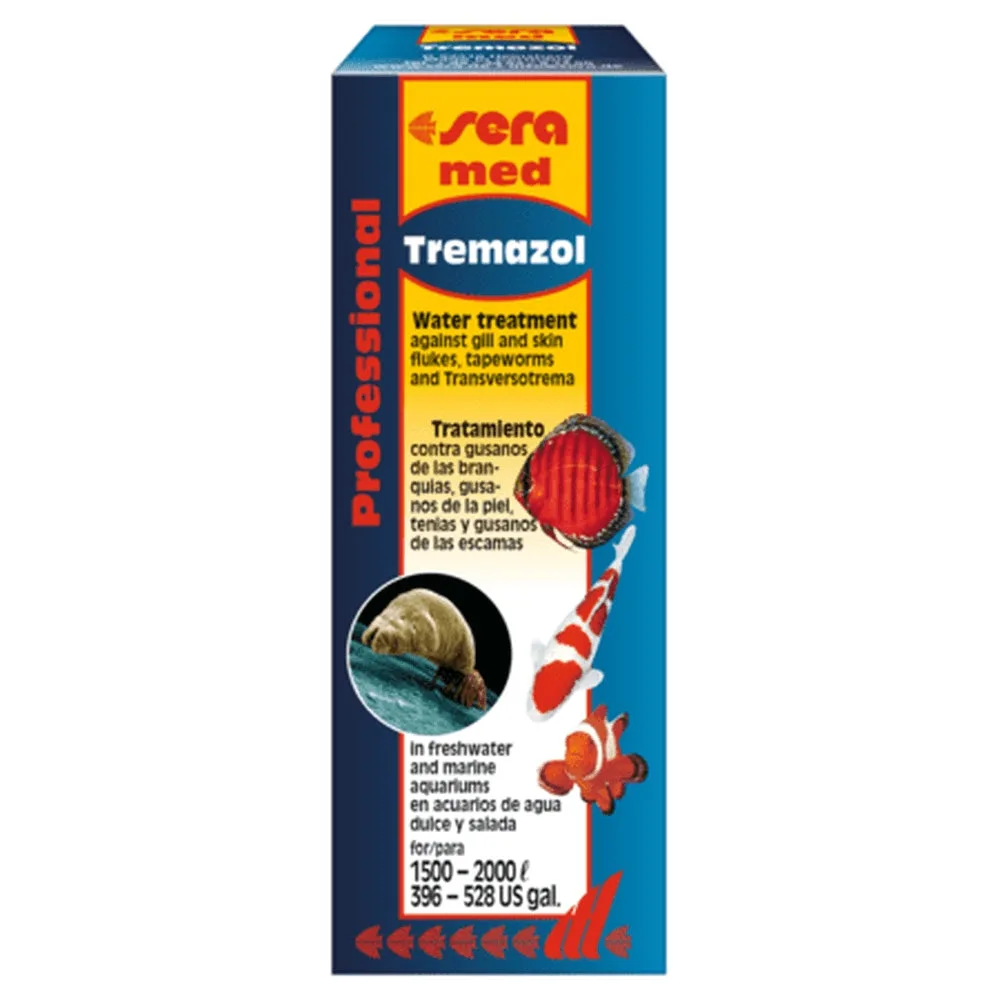
Recommendations are selected from the discus.ro shop based on this guide's topic. Availability and prices may vary.
Frequently asked questions
Put what you just read into practice
One account brings together everything you need to keep your tank on track:
Water parameters, inhabitants, photos and the full history of every change — our most used tool.
Water changes, cleaning and feeding, on your own dates.
See at a glance which values fall outside the safe discus range.
The guides, products and listings you follow, saved in one place.