How to get discus to accept pellets (a real problem with imports/Stendker)
How to get discus (Stendker, imports, recent purchases) to accept pellets — a gradual 4-week protocol, premium brands, proven tricks and common mistakes.

Quick summary
- The problem: imported discus (Stendker, Asia, live-food-only sources) initially refuse pellets — they can hold out 2–4 weeks without touching them.
- The cause: strictly used to live food + smell + texture; pellets are unfamiliar.
- The solution: a gradual 4-week protocol — progressively reduce live food + introduce pellets + tricks (soaking in garlic juice, mixing with beef heart).
- Stendker discus are the hardest to convert — they're farm-fed on the brand's own granules + beef heart mix.
- The #1 mistake: 'cold turkey' — total refusal + weight loss + stress = disease relapse.
- With a correct protocol, most discus accept premium pellets after 3–4 weeks.
In short
- The problem: imported discus (Stendker, Asia, sources feeding exclusively live food/beef heart) initially refuse pellets — they can hold out 2–4 weeks without touching them.
- The cause: strictly used to live food + smell + texture; pellets are unfamiliar.
- The solution: a gradual 4-week protocol — progressively reduce live food + introduce pellets + tricks (soaking in garlic juice, mixing with beef heart).
- Stendker discus are the hardest to convert — they're farm-fed on the brand's own granules + a beef heart mix.
- The #1 mistake: "cold turkey" — total refusal + weight loss + stress = disease relapse.
- With a correct protocol, most discus accept premium pellets after 3–4 weeks.
💱 Prices vary a lot by country. Where figures appear, they're labelled as a RO estimate (2026) in approximate EUR — use your local market and the products available where you live.
What you'll learn
Getting discus (Symphysodon) to accept pellets is one of the most frustrating experiences for a keeper — you invest in expensive premium pellets and the discus IGNORE THEM COMPLETELY, even while hungry. It commonly happens with: 1) Stendker discus (farm-fed on the brand's own granules + a specific beef heart), 2) discus imported from Asia (Malaysia, Thailand — strictly used to live tubifex/beef heart/brine shrimp), 3) discus from hobbyist breeders (fed only on cheap-store live food). This guide shows you the gradual 4-week protocol that gets most discus to accept pellets, plus proven tricks, ideal transition brands and the common mistakes that derail the process.
Why discus refuse pellets
Biological/behavioral causes
- Food imprinting — discus memorize the smell, texture, movement and look of "their" food. Pellets are completely different.
- No hunting cue — pellets don't move. Wild and domestic discus instinctively attack mobile prey.
- A difference in smell — live food releases volatile amino acids and nucleotides that attract instinctively. Pellets have a much weaker smell.
- Texture — homemade beef heart mix is "soft-meaty," brine shrimp "elastic-live," bloodworms "thin." Pellets are "hard-dry" — they feel foreign.
- Food conservatism — discus are among the most conservative tropical fish. They can hold out 7–21 days before accepting new food.
The 3 most problematic categories
1. Stendker discus (Germany) — the hardest to convert
Why: at the Stendker farm they're fed 5–10 meals/day on the brand's own granules (no beef heart) + the brand's specific frozen beef heart. After arrival, they refuse anything else for 2–4 weeks.
The solution: ideally — order the original brand granules from the start, then transition slowly to another premium pellet.
2. Discus imported from Asia (Malaysia, Thailand)
Why: Asian breeders use strictly: live tubifex (harmful), a specific beef heart mix, live brine shrimp. Pellets = totally unknown.
The solution: an intensive 4–6 week protocol + possibly soaking pellets in beef heart juice for the smell.
3. "Second-hand" discus (hobbyist resales)
Why: raised on cheap-store live food + live tubifex = used to a live texture. Plus they may have parasite outbreaks that weaken their appetite.
The solution: a health check (quarantine + fecal analysis) BEFORE the pellet transition. Discus often need to be healthy to "experiment" with new food.
The gradual 4-week protocol
Week 1: Acclimation + parallel introduction
Goal: the discus observe the pellets, don't eat them yet.
Daily schedule:
- Morning: Usual food 100% (beef heart, live food) — a normal portion.
- Evening: Usual food 100% + 5–10 pellets scattered on the surface "as decoration."
- DON'T force them to eat pellets — just expose them visually and by smell.
Starter pellet brand: choose a premium discus pellet (examples: Tropical D-50 Plus, Hikari Discus Bio-Gold, Sera Discus Granules) — BUT only at the right diameter.
Important: choose the CORRECT DIAMETER for the age. Pellets too large = physical refusal.
Week 2: Gradual reduction + a familiar smell
Goal: associate pellets with the favorite food via smell.
The magic trick: SOAK the pellets for 30 seconds before feeding in:
- Fresh beef heart juice (crush a small piece in 1 tablespoon of water)
- Or thawed brine shrimp water (the pink aromatic liquid)
- Or garlic juice (2 cloves crushed in 2 tablespoons of water) — strongly stimulates appetite
Daily schedule:
- Morning: 80% usual food + 20% pellets (soaked)
- Evening: 70% usual food + 30% pellets (soaked)
Watch for: the first pellets taken into the mouth = a win! The discus probably spitting them out = NORMAL. Repeat without frustration.
Week 3: Reverse the ratio
Goal: pellets become the majority, live food secondary.
Daily schedule:
- Morning: 50% pellets + 50% usual food
- Evening: 60% pellets + 40% usual food
Key trick: give the pellets FIRST, when the discus are hungriest (in the 3–5 min window after the "bell"). Then the usual food.
Note: some more difficult discus (Stendker, Asia) accept the pellets but SPIT them out. NORMAL — they re-experiment the next day.
Week 4: Consolidation + strategic fasting
Goal: pellets = a major part of the diet (40%+).
Daily schedule:
- Morning: 80% pellets + 20% usual food
- Evening: 60–70% pellets + 30–40% usual food (beef heart, brine shrimp)
Strategic fasting: 1 day/week with NO food (Sunday). The next day (Monday morning) feed ONLY pellets + still tank water. Appetite after a fast rises sharply, and the pellets become "acceptable."
Week 5+: The final target diet:
- 40% premium pellets
- 30% homemade beef heart mix
- 20% frozen food (brine shrimp, krill, mysis)
- 10% live food occasionally (home-hatched brine shrimp)
Proven tricks that work
1. Garlic juice (the strongest stimulant)
Procedure:
- Crush 2–3 fresh garlic cloves + 1–2 tablespoons of tank water.
- Strain through cheesecloth.
- Soak the pellets 30 sec in this juice before feeding.
- Feed directly.
Effect: garlic contains allicin — it triggers appetite and is often used as a natural anti-parasite aid. Many picky eaters become "aggressive" with garlic-soaked pellets.
Frequency: 3–4 days with garlic, then 2–3 days without (avoid saturation).
2. Beef heart juice (familiar-smell association)
Procedure:
- Thaw a small 1 g piece of beef heart.
- Mash it in 1 tablespoon of tank water (it becomes a pinkish paste).
- Soak the pellets 1–2 min in this paste.
- Feed.
Effect: the pellets "smell of beef heart" = discus accept them instantly as familiar food. The best method for Stendker.
3. Pre-hydrating the pellets
Procedure:
- Put the pellets in a spoon.
- Add 2–3 drops of tank water.
- Wait 30 seconds — the pellets soften slightly.
- Feed.
Effect: the "soft-moist" texture is more similar to live food/beef heart. Discus that refuse dry pellets often accept soaked ones.
4. Hand feeding (bonding)
Procedure:
- Wash your hands with clean water (NO soap = toxic).
- Stay still for 5 min beside the tank, hand with pellets under the water.
- Curious discus come to explore.
- Let them "touch" the pellets with their snout.
Effect: discus are extremely intelligent and curious. This human contact + pellets = a positive association. It can take 1–2 weeks.
5. Mimicking group feeding
Procedure:
- Temporarily add 1–2 discus that ALREADY eat pellets (from a friend/breeder).
- Feed the group pellets.
- The "beginner" discus observe the behavior and imitate it.
Effect: a "social mimicry" effect. Many discus adopt pellets within 1–2 weeks when they see others eating.
6. Water temperature
Procedure:
- Raise the temperature to 30–31 °C (86–88 °F) (from the standard 28–29 °C / 82–84 °F) for 2–3 days.
- Higher metabolism = higher appetite = more willing to experiment.
Effect: works especially for apathetic discus or those with low appetite.
7. Temporarily reducing lighting
Procedure:
- Dim the light intensity to 30% for feeding.
- Shyer discus (Stendker stressed after transport) feel safer.
Effect: lower stress = higher appetite = more willing to try new food.
Common mistakes that FAIL the transition
❌ "Cold turkey" — cutting live food overnight — discus refuse pellets for 7–21 days, lose weight, the immune system buckles, Hexamita outbreaks.
❌ Frustration + giving up after 3–4 days without success — pellets need 2–4 weeks of a gradual protocol. Patience is key.
❌ Wrong pellet diameter — 3 mm pellets for 5 cm (2 in) fry = impossible to eat. 1 mm pellets for a 12 cm (4.7 in) adult = "dust," not interesting.
❌ A poor-quality brand "so I don't spend much until they accept" — cheap pellets smell and feel less attractive. Invest in a quality brand from the start.
❌ Expired or old pellets >6 months after opening — the essential oils have oxidized, the smell drops = lower attractiveness.
❌ Feeding in a dirty tank — water with high nitrates, algae, mold = stress + low appetite. Clean + optimal parameters before the transition.
❌ Changing other factors at the same time — changing the food + temperature + pH simultaneously = multiple stress. Transition one at a time.
❌ Sick discus — fish with Hexamita, Camallanus, gill inflammation will NOT accept pellets. Treat and recover BEFORE the transition.
For DIFFICULT cases — an intensive protocol
Stendker discus imported directly from Germany
- Weeks 0–1: the original brand granules.
- Weeks 2–3: Mix 50% original + 50% another premium pellet (a slow transition).
- Weeks 4–6: 100% the new premium pellet.
🇷🇴 RO estimate (2026): the original Stendker granules ~€8/45 g or ~€17/140 g (a 140 g pack lasts 5–6 weeks for 6 adults).
Discus from Asian imports (Malaysia, Thailand)
- Weeks 1–2: Their favorite live food (brine shrimp, frozen daphnia) + pellets "as decoration" (5–10 pcs/meal).
- Weeks 3–4: Soaking-pellets protocol in beef heart juice + garlic daily.
- Weeks 5–6: Mixed feeding 60/40 pellets/live, weekly strategic fasting.
- Weeks 7–8: Pellets 70%, live food/beef heart 30%.
- Total transition: 6–8 weeks vs. 4 weeks for European discus.
Discus with total refusal after 4 weeks
- Check health — microscope fecal analysis (Hexamita, parasites).
- Check water parameters — ammonia, nitrites (0), pH (6.0–6.8), TDS (100–200).
- Switch pellet brand — try another brand.
- Add supplements — a fish vitamin supplement in the pellets for appetite + vitamins.
- Pre-emptive treatment — 1 cycle of metronidazole 250 mg/100 L for 5 days (if you suspect hidden Hexamita).
- Consult the community — post on a discus forum or groups for specific advice.
The benefits of a pellet diet (why to persist)
| Aspect | Advantage of premium pellets |
|---|---|
| Vitamins + minerals | Included in the formula (A, C, D3, E, B-complex, Ca, P) |
| Sterilization | Zero parasite risk (vs. tubifex/suspect live food) |
| Convenient | Stores 12–18 months, precise dosing |
| Constant quality | A premium brand = batch-to-batch identical |
| Doesn't foul the water | Vs. beef heart, which needs 30% changes every 2–3 days |
| Nutritional balance | Protein + fat + carbs + fiber = a complete formula |
🇷🇴 RO estimate (2026): a pellet diet runs ~€6–9/month vs. ~€9–28/month for live food.
Recommended premium brands (final choice)
| Tier | Typical diameter | Note |
|---|---|---|
| Best price/quality (e.g. Tropical D-50 Plus) | 1–3 mm | ⭐⭐⭐⭐⭐ |
| With garlic (e.g. Tropical D-Allio Plus) | 1–3 mm | ⭐⭐⭐⭐⭐ Extra appetite |
| Absolute premium (e.g. Hikari Discus Bio-Gold) | 1 mm | ⭐⭐⭐⭐⭐ |
| Premium German (e.g. Sera Discus Granules) | 2–3 mm | ⭐⭐⭐⭐⭐ |
| For Stendker initially (Stendker Original Granulat) | 1–2 mm | ⭐⭐⭐⭐ |
| Accessible, good quality (e.g. JBL NovoDiscus) | 1–2 mm | ⭐⭐⭐⭐ |
| Accessible, beginners (e.g. Tetra Discus Granules) | 2–3 mm | ⭐⭐⭐ |
| Premium (high-protein formula) (e.g. NLS Discus Formula) | 1 mm | ⭐⭐⭐⭐⭐ |
🇷🇴 RO estimate (2026): premium discus pellets ~€6–28 depending on brand and pack size.
Successful-transition checklist
- ☐ Reduced stress (discus acclimated at least 2 weeks in your tank)
- ☐ Health checked (no disease symptoms, optimal water parameters)
- ☐ Premium pellet brand + correct diameter for the age
- ☐ A gradual 4-week protocol (NOT cold turkey)
- ☐ Tricks applied (soaking in beef heart/garlic juice)
- ☐ Feed pellets first, then the usual food
- ☐ Weekly strategic fasting (Sunday)
- ☐ Patience for 3–4 weeks without frustration
- ☐ Daily progress observation (pellets eaten vs. refused)
- ☐ Adjust the brand if total refusal after 4 weeks
- ☐ Consolidate at 5+ weeks with an optimal mixed diet
What to do next
🥘 The best food: Top 5 types and the ideal diet for discus.
⚖️ Pellets vs beef heart: A detailed comparison.
📅 Feeding schedule: How many meals per day for each age.
🐠 Stendker vs other discus: A comparison of buying sources.
💊 Supplements: Vitamins to stimulate appetite.
Save your tank, log water parameters and get email reminders for care tasks — for free.
Recommended products
Picked from the shop based on what you just read
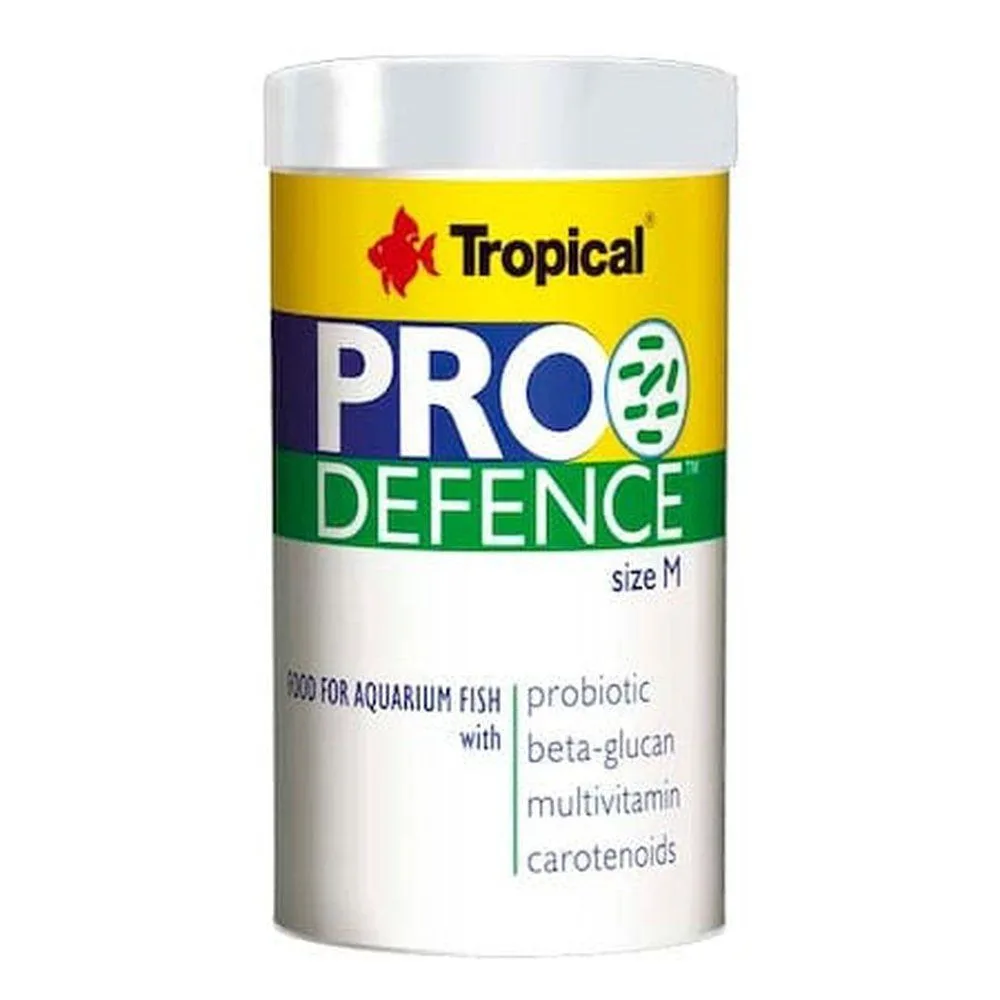
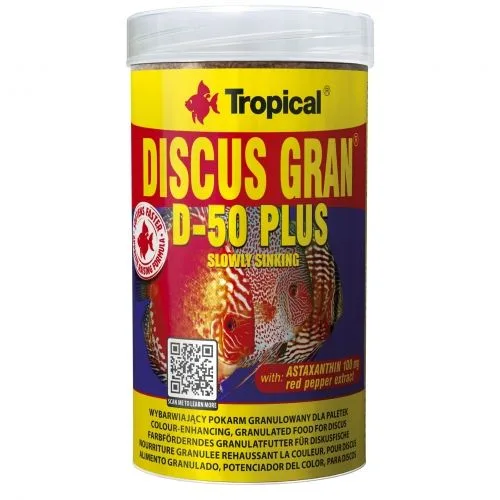
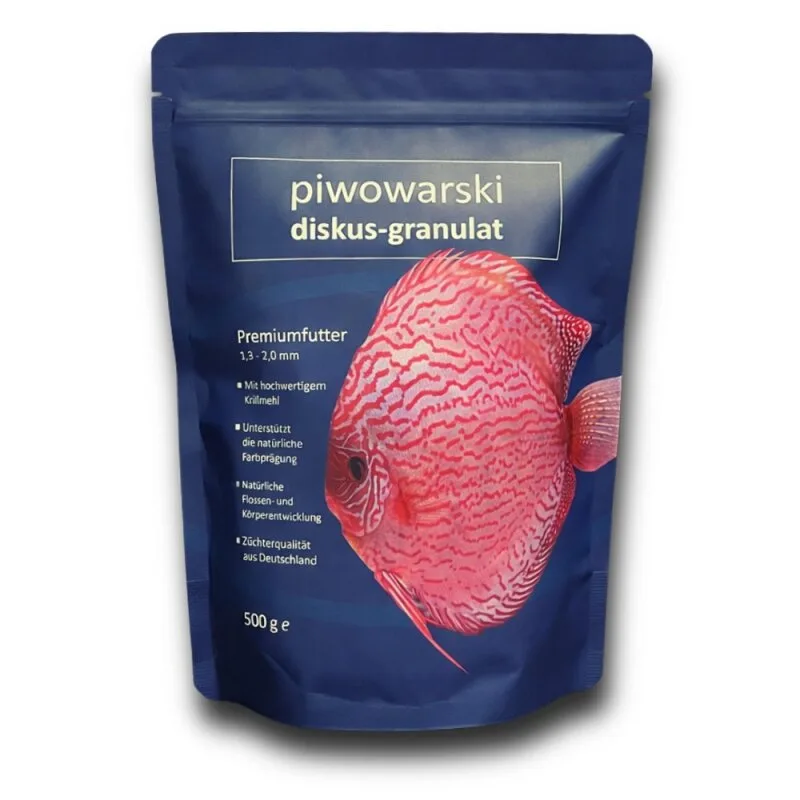

Recommendations are selected from the discus.ro shop based on this guide's topic. Availability and prices may vary.
Frequently asked questions
Put what you just read into practice
One account brings together everything you need to keep your tank on track:
Water parameters, inhabitants, photos and the full history of every change — our most used tool.
Water changes, cleaning and feeding, on your own dates.
See at a glance which values fall outside the safe discus range.
The guides, products and listings you follow, saved in one place.