Vitamins and supplements for discus — a practical guide
Vitamins and supplements for discus — liquid multivitamins, fresh garlic, spirulina, astaxanthin. Exact dosing, frequency and common mistakes.

Quick summary
- Vitamins OXIDIZE in food → supplements are ESSENTIAL with homemade beef heart.
- Top commercial: liquid fish multivitamins (e.g. JBL Atvitol, Sera Fishtamin, Seachem Vitality).
- Natural: fresh garlic (appetite stimulant + anti-parasite aid), spirulina (colors).
- Astaxanthin (krill) = the #1 RED pigment — 1 g powder/kg beef heart mix.
- NEVER human vitamins (Centrum etc.) — ingredients toxic to fish.
- A basic supplement kit is inexpensive and lasts a year for 6 discus.
In short
- Vitamins OXIDIZE quickly in food → supplements are ESSENTIAL with homemade beef heart.
- Top commercial supplements: liquid fish multivitamins (examples: JBL Atvitol, Sera Fishtamin, Seachem Vitality).
- Effective natural ones: fresh garlic (appetite stimulant + anti-parasite aid), spirulina (colors + antioxidants).
- Astaxanthin (from krill or powder) = the #1 RED pigment — 1 g powder/kg beef heart mix.
- ❌ NEVER human vitamins (Centrum, multivitamins, etc.) — they contain copper/zinc at doses toxic to fish.
- A basic supplement kit is inexpensive and lasts about a year for 6 discus (multivitamin + spirulina + garlic).
💱 Prices vary a lot by country. Where figures appear, they're labelled as a RO estimate (2026) in approximate EUR — use your local market and the products available where you live.
What you'll learn
Vitamins and supplements for discus (Symphysodon) are essential, not optional — especially if you feed homemade beef heart (a lean protein with no native vitamins). Premium commercial food contains vitamins, but they oxidize after opening (6 months → about 40–60% of the vitamins lost). This guide shows you the essential vitamins, the top commercial supplements, the natural alternatives (garlic, spirulina, astaxanthin) and the exact dosing for each situation.
Why discus need supplements
| Reason | Detail |
|---|---|
| Homemade beef heart | No native vitamins — they MUST be added (a multivitamin is mandatory) |
| Oxidized pellets | 6 months after opening, vitamins A/C/E down ~40–60% |
| Stress | Needs extra vitamins (transport, illness, new environment) |
| Breeders | Conditioning with vit. E + fatty acids = fertility ↑ |
| Growing fry | Double the vitamin requirement for development |
| Disease recovery | Immunity rebuilt with a multivitamin + garlic |
| Color enhancement | Carotenoids (astaxanthin) impossible for fish to synthesize |
Essential vitamins for discus
| Vitamin | Role | Natural source |
|---|---|---|
| A (retinol) | Colors, skin, vision | Carrot, spinach, brine shrimp, yolk |
| C (ascorbic) | Immunity, healing | Spinach, boiled broccoli |
| D3 (cholecalciferol) | Calcium absorption, bones | Animal food + light |
| E (tocopherol) | Antioxidant, fertility | Wheat germ oil, nuts |
| B-complex | Metabolism, nervous system | Liver, brewer's yeast |
| Biotin (H) | Growth, healthy skin | Liver, yolk, yeast |
| K | Blood clotting | Spinach, cabbage |
Top commercial supplements
These come as liquid multivitamins for ornamental fish. Pick by composition rather than name:
1. Standard fish multivitamin (e.g. JBL Atvitol) ⭐⭐⭐⭐⭐
The most popular liquid multivitamin in Europe.
| Aspect | Detail |
|---|---|
| Composition | Vit. A, C, D3, E, B1, B2, B6, B12, biotin |
| Duration | 6–12 months for 6 discus |
| Use | 3–5 drops on beef heart OR ~5 ml/100 L (26 US gal) of water |
| Frequency | 2×/week |
Perfect for:
- Homemade beef heart (mandatory)
- Discus after illness (recovery)
- Growing fry
🇷🇴 RO estimate (2026): ~€7–9/50 ml.
2. Premium multivitamin absorbed via gills + skin (e.g. Sera Fishtamin) ⭐⭐⭐⭐⭐
A German premium product for ornamental fish.
| Aspect | Detail |
|---|---|
| Composition | A full spectrum + trace elements |
| Use | 1 ml/20 L (5 US gal) of water OR directly on food |
| Advantage | Absorbed through gills + skin (not just digestive) |
Perfect for: a tank with stressed discus, after transport, in quarantine.
🇷🇴 RO estimate (2026): ~€9–11/50 ml.
3. Multivitamin with amino acids (e.g. Seachem Vitality) ⭐⭐⭐⭐
An American multivitamin, available in the EU.
| Aspect | Detail |
|---|---|
| Composition | Vitamins + essential amino acids |
| Advantage | Concentrated, lasts 6–12 months |
🇷🇴 RO estimate (2026): ~€11–15/100 ml.
4. Budget multivitamin (e.g. Tropical D-3 Plus) ⭐⭐⭐⭐
Good price/quality ratio.
| Aspect | Detail |
|---|---|
| Use | Similar to a standard multivitamin |
🇷🇴 RO estimate (2026): ~€5–8/100 ml.
Natural supplements (DIY)
1. Fresh garlic (the strongest stimulant)
Benefits:
✅ A natural anti-parasite aid — often used against internal worms (allicin from garlic) ✅ Stimulates appetite — a lifesaver for discus that refuse food ✅ Supports the immune system ✅ Discus LOVE it — they reliably come for garlic-treated food
How to use — Method 1: garlic juice on food
- Crush 2–3 fresh garlic cloves
- Mix with 1 teaspoon of tank water
- Strain through cheesecloth
- Soak the food (pellets, beef heart) for 5 minutes
- Feed normally
How to use — Method 2: a commercial garlic supplement (e.g. Seachem Garlic Guard)
A garlic-based commercial supplement:
- Dose: 5–10 ml/100 g of food
- Frequency: 2–3×/week for maintenance, DAILY during parasite treatments
🇷🇴 RO estimate (2026): ~€7–9/100 ml.
2. Spirulina (blue-green alga)
A natural pigment + antioxidant + plant protein.
Benefits:
✅ ~60% plant protein ✅ Phycobiliproteins → strongly intensify colors (reds, yellows, blues) ✅ Vitamins B, E, natural beta-carotene ✅ Strong antioxidants (cell protection)
How to use:
- Food-grade spirulina powder — 1 tablespoon/kg beef heart mix
- Directly in moistened pellets — ½ teaspoon/100 g pellets + 1 tablespoon water
- Pellets with integrated spirulina — spirulina tabs/pellets
🇷🇴 RO estimate (2026): ~€9–23/250 g food-grade powder (lasts ~1 year).
⚠️ Caution: choose "food grade" spirulina (human-edible) or aquarium-specific — NOT human supplements with additives.
3. Astaxanthin (a carotenoid for RED)
The strongest pigment for enhancing red.
Sources:
- Frozen krill — a natural source
- Pure Haematococcus astaxanthin powder — concentrated
- Red-fish supplements — specific to red fish
- Pellets with astaxanthin
Beef heart mix dose: 1 g powder/kg or 200 g frozen krill/kg.
See the detailed guide: Color-enhancing food.
4. Vitamin E (wheat germ oil)
For fertility and longevity.
- 2–3 drops/kg beef heart mix
- Cold-pressed oil from a health-food store
- Specifically for breeders in conditioning
🇷🇴 RO estimate (2026): wheat germ oil ~€6–9/100 ml.
5. Egg yolk (for fry)
For very small fry (after the yolk sac is consumed).
- Hard-boiled yolk, finely mashed
- A temporary alternative to brine shrimp nauplii in the first week
- ⚠️ Fouls the water fast — tiny portions
General dosing — quick table
| Supplement | Dose | Frequency |
|---|---|---|
| Liquid multivitamin | 3–5 drops/food | 2×/week |
| Gill-absorbed multivitamin | 1 ml/20 L (5 US gal) | 1–2×/week |
| Garlic juice | 2–3 cloves/100 g food | 2–3×/week |
| Spirulina powder | 1 tablespoon/kg beef heart | In every mix batch |
| Astaxanthin powder | 1 g/kg beef heart | In every mix batch |
| Garlic supplement | 5–10 ml/100 g food | 2–3×/week |
Supplements for specific situations
After medication
- A liquid multivitamin ~5 ml/100 L (26 US gal), 3 consecutive days (gut flora recovery)
- Food with garlic to stimulate appetite
For enhanced colors
- Spirulina + astaxanthin in beef heart (see color enhancement)
- Krill frozen 2–3×/week
- A red-enhancing color formula
For food refusal
- Fresh garlic on food (the #1 stimulant)
- A multivitamin straight on pellets (soaking)
- Temperature 30 °C (86 °F) + water with brine shrimp juice
For fast-growing fry
- A multivitamin when thawing brine shrimp
- Extra vitamin C (ascorbic acid 0.5 g/kg mix)
- Vitamin D3 for bone development
For breeders (conditioning)
- Wheat germ oil 5 ml/kg beef heart (vit. E for fertility)
- Bee pollen 5 g/kg (rare amino acids)
- A multivitamin ~5 drops daily
- See breeding pair conditioning
Common mistakes
❌ "The more vitamins, the better" — False. Vitamin A and D3 hypervitaminosis is TOXIC. Respect the manufacturer's dose.
❌ Human vitamins (Centrum, multivitamins, etc.) — They contain copper, zinc and other minerals at doses toxic to fish.
❌ Old supplements — Liquid vitamins oxidize fast after opening. Buy small amounts, use within 6 months.
❌ Wrong storage — Liquid vitamins in the fridge AFTER OPENING + in the dark. NOT on the windowsill.
❌ Permanently dosing into the water — Vitamins straight into the water = lower absorption (vs. via food). On food is more efficient.
❌ Spirulina from human supplements — Contains additives (fillers, binders). Use only pure "food grade."
❌ Beef heart without spirulina or vitamins — Deficiencies within 2–3 months. A multivitamin + spirulina are MANDATORY.
❌ RAW astaxanthin powder straight into the water — Not absorbed without fats. Always integrated into beef heart or pellets.
Storing supplements correctly
| Type | How to store | Duration |
|---|---|---|
| Open liquid vitamins | Fridge 4 °C (39 °F), dark, sealed cap | 6 months |
| Unopened liquid vitamins | Room temp, cool, dark | 24 months |
| Powders (spirulina, astaxanthin) | Airtight container, dark, dry | 12–18 months |
| Fresh garlic | Market → room temp | 3–4 weeks |
See the full guide: Food storage and freshness.
Supplement checklist
- ☐ A liquid multivitamin in stock — use 2×/week in beef heart
- ☐ Food-grade spirulina powder — 1 tablespoon/kg mix
- ☐ Fresh garlic — weekly
- ☐ Natural astaxanthin (frozen krill or powder) for red
- ☐ NEVER human vitamins (Centrum etc.)
- ☐ Liquid vitamins in the fridge after opening
- ☐ Powders in an airtight container, dark, dry
- ☐ Buy small amounts (use within 6 months)
- ☐ Vary by goal (growth, color, breeding, recovery)
🇷🇴 RO estimate (2026): a basic kit (multivitamin + spirulina + garlic + a garlic supplement) runs
€32/year (€2.7/month) for 6 discus; a premium kit (adding astaxanthin powder + wheat germ oil for color/breeding) ~€77–96/year.
What to do next
🍽️ Pillar: The best food for discus.
📖 Beef heart recipe: Full recipe with integrated supplements.
🎨 Color enhancement: Carotenoids, krill, astaxanthin.
❤️ Breeder conditioning: Specific supplements for breeding.
📦 Storing supplements: How to keep vitamins active.
🩺 Disease recovery: The essential aquarium medicine cabinet.
Save your tank, log water parameters and get email reminders for care tasks — for free.
Recommended products
Picked from the shop based on what you just read
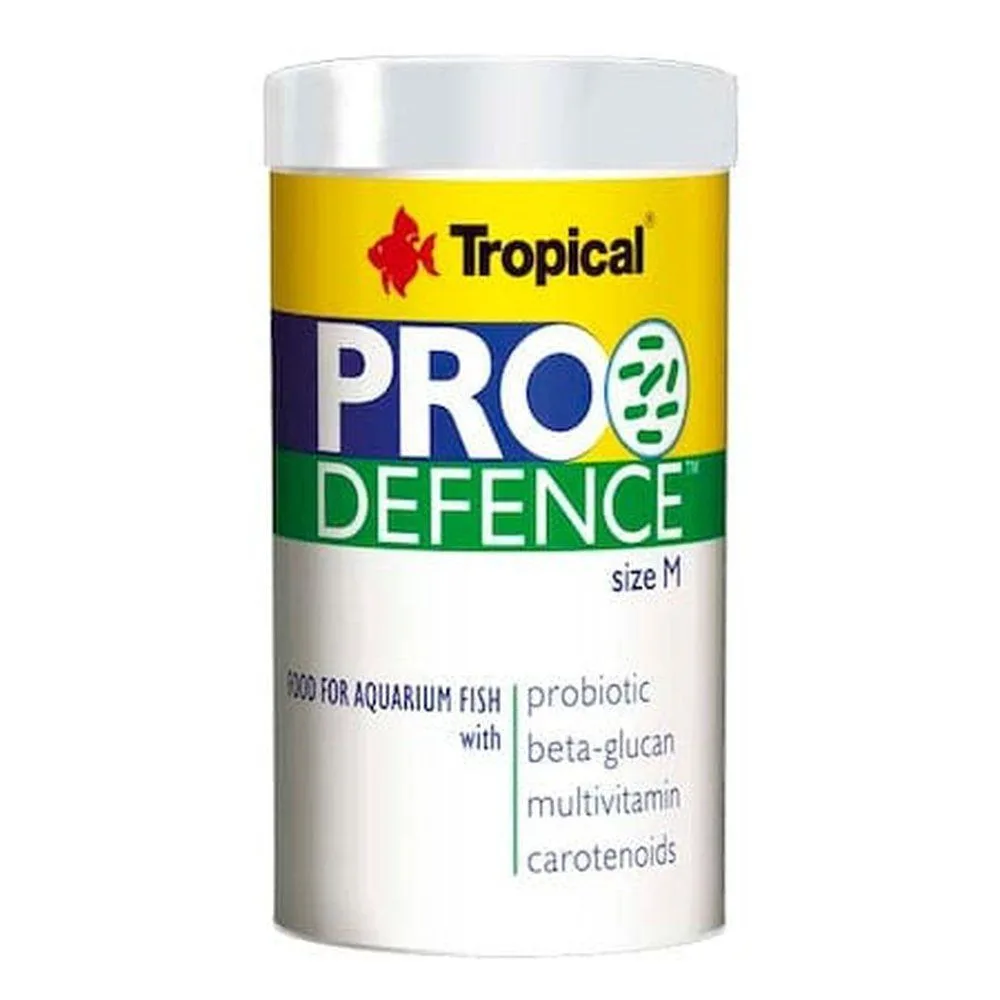
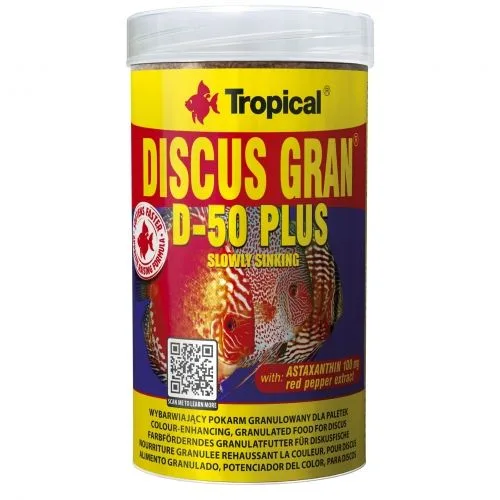
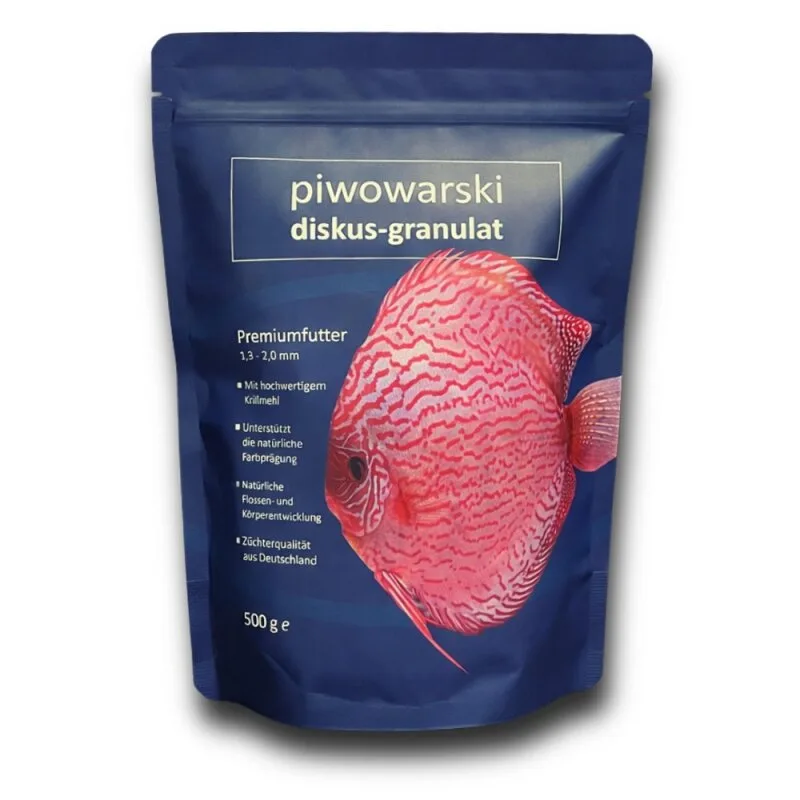

Recommendations are selected from the discus.ro shop based on this guide's topic. Availability and prices may vary.
Frequently asked questions
Put what you just read into practice
One account brings together everything you need to keep your tank on track:
Water parameters, inhabitants, photos and the full history of every change — our most used tool.
Water changes, cleaning and feeding, on your own dates.
See at a glance which values fall outside the safe discus range.
The guides, products and listings you follow, saved in one place.