How discus pairs form: the complete guide
Discus can't be forced to pair — they choose each other. A guide to the group-of-8–12 method, 4 sure pairing signs, sexing and moving the pair to a breeding tank.
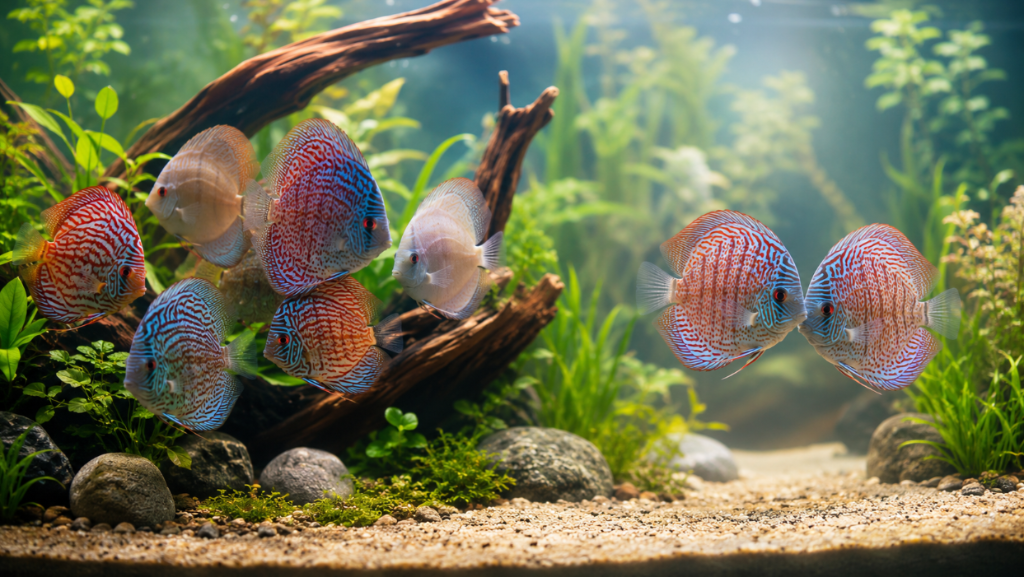
Quick summary
- Discus CANNOT be forced to pair — they choose each other through natural affinity
- The guaranteed method: a group of 8–12 juveniles (3–5 cm / 1.2–2 in) raised together for 12–18 months
- Sexual maturity: 12–18 months, when they reach 12–15 cm (4.7–6 in)
- 4 sure pairing signs: surface cleaning, belly-rubbing, isolating from the group, courtship dance
- Natural-method success rate: ~95% you get at least one pair in a group of 8
- The 'bought pair' rate: only ~60% are truly a pair (40% = 2 males / 2 females)
In short
- Discus CANNOT be forced to pair — they choose each other through natural affinity.
- The guaranteed method: a group of 8–12 juveniles (3–5 cm / 1.2–2 in) raised together for 12–18 months.
- Sexual maturity: 12–18 months, when they reach 12–15 cm (4.7–6 in).
- 4 sure pairing signs: surface cleaning, belly-rubbing, isolating from the group, the courtship dance.
- Natural-method success rate: ~95% you get at least one pair in a group of 8.
- The "bought pair" rate: only ~60% are truly a pair (40% = 2 males / 2 females).
- Once identified: move the pair to a dedicated breeding tank (minimum 180L / 48 US gal).
What you'll learn
The formation of discus pairs (Symphysodon) is a fascinating process, completely different from other cichlids: discus cannot be forced to pair by arbitrarily combining 2 "sexed" fish. They need mutual natural affinity — like with people, personal chemistry matters. The method with a guaranteed success rate is simple: raise a group of 8–12 juveniles (3–5 cm / 1.2–2 in) from the same generation together, and at sexual maturity (12–18 months, 12–15 cm / 4.7–6 in) pairs form spontaneously through mutual selection. You recognize a real pair by 4 clear signs: cleaning a vertical surface (a ceramic cone, a large leaf, the aquarium glass), belly-rubbing in a "dance", aggressively isolating from the rest of the group, and the genital papilla appearing before the first spawning. This guide walks through the whole process step by step — from buying the juveniles to separating the formed pair.
Why the natural method is the only sure one
Discus are NOT like other cichlids
With Pterophyllum scalare (angelfish) or Apistogramma, you can buy 1 sexed male + 1 sexed female and, in 70–80% of cases, they'll form a productive pair. With discus, this approach often fails:
- 40% of the "pairs" sold turn out to be 2 males or 2 females (mis-sexed) — see our guide on sexing discus.
- 30% of genuine male+female pairs refuse to mate for lack of affinity.
- Only ~30% of "bought pairs" will actually lay viable eggs.
The natural method — 95% success
By comparison, from a group of 8–12 juveniles raised together from 3–5 cm (1.2–2 in), 95% of cases will produce at least one stable pair by 18 months. Many breeders get 2–3 pairs from the same group. The upfront cost is similar, but the result is far more certain.
How to buy the group correctly
The optimal number of fry
| Number of juveniles | Odds of an M+F pair | Recommendation |
|---|---|---|
| 4 fry | ~88% | The absolute minimum |
| 6 fry | ~94% | Moderate |
| 8 fry | ~99% | Recommended |
| 10–12 fry | ~99.9% + 2–3 pairs | Optimal for breeders |
Selection criteria
- The same generation (same spawn, identical age)
- The same variety (Red Turquoise, Blue Diamond, etc.)
- Similar size: 3–5 cm (1.2–2 in)
- From a verified breeder — see the breeders directory
- Healthy: vivid colors, swims actively, eats well — see how to choose healthy discus
Cost estimate (EU estimate, 2026)
Prices vary widely by country and supplier — the figures below are a EU estimate (2026), for orientation only:
- Stendker 5 cm (2 in):
€38–55 each → a group of 8 = **€300–450** - Local breeders 5 cm (2 in):
€28–47 each → a group of 8 = **€225–375** - Asian import: ~€19–34 each but a higher risk of disease + transport stress
Grow-out tank setup
Minimum sizes
| Number of fry | Minimum volume | Recommended |
|---|---|---|
| 4–6 juveniles | 200L (53 US gal) | 250L (66 US gal) |
| 8 juveniles | 250L (66 US gal) | 300L (80 US gal) (90×50×60 cm / 35×20×24 in) |
| 10–12 juveniles | 300L (80 US gal) | 400L+ (106 US gal+) |
Optimal parameters
- Temperature: 29–30°C (84–86°F) (accelerated growth)
- pH: 6.0–6.8
- TDS: 100–200 ppm — see TDS values for discus
- Water changes: 30–50%, 2–3 times/week — essential for fast growth
- Filtration: 4–6× the volume per hour — see discus filtration
Feeding for sexual maturation
- 4–5 meals/day until 6 months
- 3 meals/day after 6 months
- Beef heart + brine shrimp + premium pellets — see the feeding schedule
- Intensive protein conditioning at 12+ months — see conditioning the pair
The 4 sure pairing signs
Sign #1: Cleaning a vertical surface
The clearest indicator. The pair chooses a spot (a ceramic cone, a large Anubias leaf, a flat stone, the aquarium glass) and starts to clean it obsessively with their mouths, rubbing it constantly.
- It starts 3–7 days before spawning
- Both members take turns participating
- The activity intensifies as ovulation approaches
Sign #2: Belly-rubbing ("the dance")
The two fish swim in parallel, come body to body and rub their bellies against each other in synchronized movements. A specific courtship behavior.
Sign #3: Aggressively isolating from the group
The pair becomes territorial:
- They attack other discus that approach their chosen area
- They defend a perimeter of 30–60 cm (12–24 in)
- The rest of the group retreats to the other end of the aquarium
- Important: if the aggression is excessive (injuries, constant chasing), separate the pair into a dedicated tank
Sign #4: A visible genital papilla
24–48h before spawning the genital papilla appears:
- Female: a short, thick tube (3–5 mm), rounded
- Male: a long, pointed tube (2–3 mm)
Full details in the guide on sexing discus.
When and how to separate the pair
The right moment
Move them to the breeding tank when you see at least 3 of the 4 signs above, especially:
- ✅ Constant cleaning of a surface
- ✅ Clear territorial behavior
- ✅ Belly-rubbing
Don't rush. If you only see aggression with no cleaning, it isn't a pair yet — it may just be dominance.
The transfer procedure
- Prepare the breeding tank 2 weeks ahead — see the breeding tank setup
- Identical parameters to the grow-out tank (temp, pH, TDS)
- Transfer the pair together in a large container with water from the old tank
- Drip acclimation for 30–45 minutes — see acclimating new discus
- Quiet for 24–48h — no feeding, no disturbances
- Resume feeding at 48h with a protein ration
What to do with the rest of the group
- If you see pairing signs in another 2 fish → keep observing them
- If there are no more signs → you can sell the rest as juveniles or keep them as a reserve
- Don't add other mature discus to the old tank — the risk of aggression
Special cases and problems
A pair that doesn't spawn after 3–4 weeks
Possible causes:
- Wrong water parameters (check TDS, pH, KH)
- A lack of protein conditioning — see conditioning, 28 days
- External stress (lights, disturbances, other visible fish)
- Immaturity (under 14 months)
Two females identified as a "pair"
A clear symptom: they spawn consistently, but ALL the eggs turn white within 24h. Details in the guide "Discus eggs turning white".
Solution: replace one with a breeder-confirmed male.
A pair that splits up
Rare, but possible. Causes:
- Major stress (transport, disease, a sudden parameter change)
- An aggressive male injuring the female
- An immature pair forced together
Common mistakes
❌ Buying a "pair" from an unknown source → a 40% chance of 2M or 2F.
❌ Separating a pair too early (under 12 months) → failed breeding.
❌ Forcing 2 "sexed" fish together → discus don't work that way.
❌ A tank too small for the group of 8–12 → stress, aggression, slow growth.
❌ A monotonous diet (pellets only) → without animal protein, sexual maturation is delayed.
❌ Infrequent water changes for juveniles → slowed growth and delayed maturity.
Full cost estimate (the natural method) — EU estimate
The figures below are a EU estimate (2026); costs vary widely by country.
| Item | Cost (approx. EUR, RO estimate) |
|---|---|
| 8 Stendker juveniles, 5 cm (2 in) | €300–450 |
| 300L (80 US gal) tank + stand | €285–470 |
| External filter + heaters | €115–190 |
| Food for 12 months (beef heart + pellets + brine shrimp) | €150–225 |
| Electricity for 12 months | €115–170 |
| Water tests + supplements | €38–75 |
| TOTAL 12 months → 1 productive pair | €1,000–1,585 |
Return on investment: a good pair produces 200–400 fry/month — even at a modest local selling price, that recovers the setup cost within months once the pair starts producing (from month 8–10 after the pair forms). Actual fry prices vary widely by market.
Final checklist — forming a pair
- ☐ Bought 8–12 healthy juveniles from the same generation
- ☐ A 250L+ (66 US gal+) tank with stable parameters (30°C / 86°F, pH 6.5, TDS 150)
- ☐ Water changes 30–50% × 2–3/week
- ☐ Intensive protein feeding (beef heart, brine shrimp, pellets)
- ☐ Waited 12–18 months for maturity
- ☐ Observed at least 3/4 pairing signs
- ☐ Prepared a breeding tank
- ☐ Transferred the pair via gradual acclimation
What to do next
📚 Continue learning:
- Sexing discus — 5 methods — checking male vs female
- Selecting the breeding pair — 7 quality criteria
- The breeding tank setup — a dedicated 180L (48 US gal) tank
- Conditioning the pair, 28 days — biological preparation
- The breeding process — 6 phases step by step
- Eggs turning white — causes — troubleshooting
🔧 Practical resources:
- Juvenile discus in the shop — to start the group
- Verified breeders — trusted sources for juveniles
- Aquarium volume calculator — check how many fry fit
🐠 Final tip: Don't rush. The natural method seems slow (18 months), but it's the only one that produces real, stable and productive pairs. A naturally-formed pair spawns monthly for 3–5 years — an investment that pays back over time.
Recommended products
Picked from the shop based on what you just read
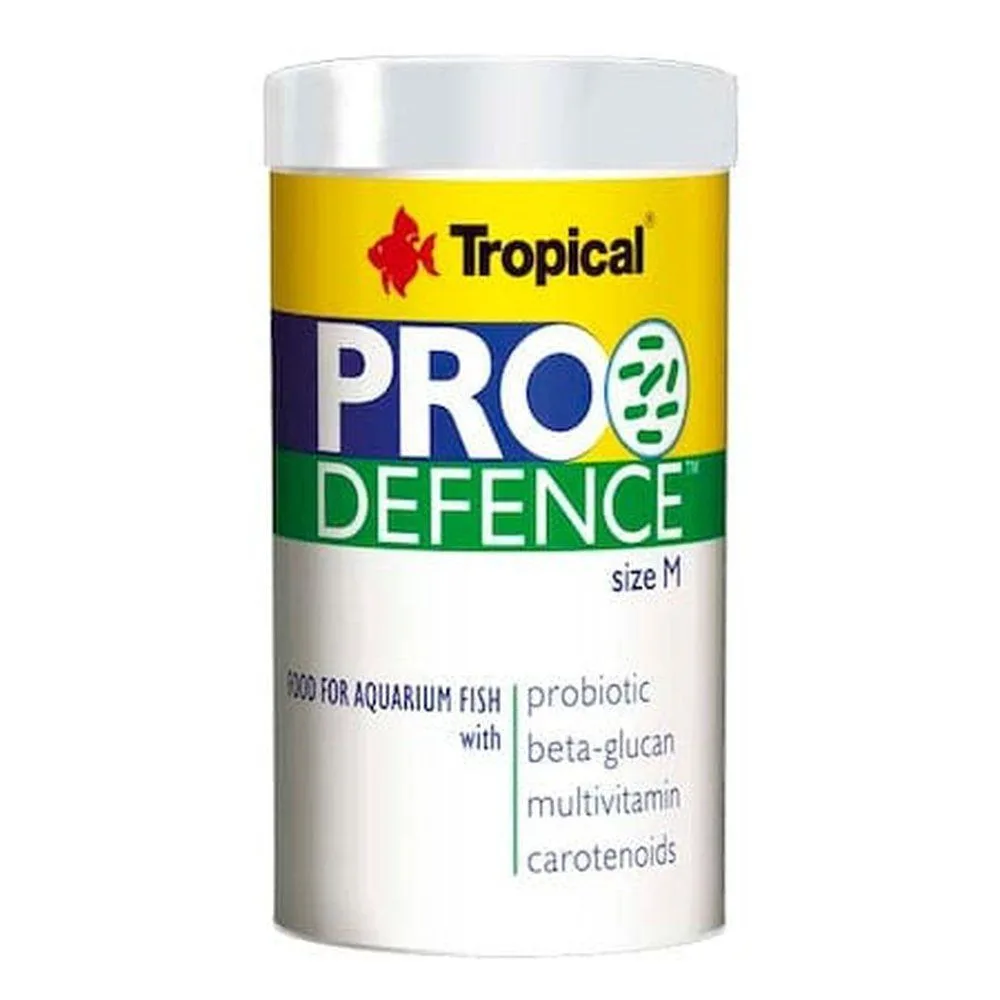
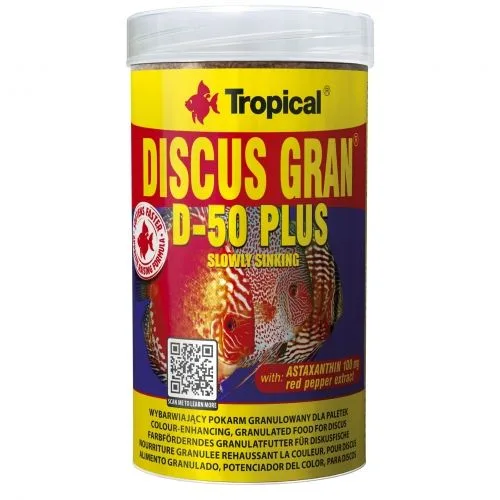
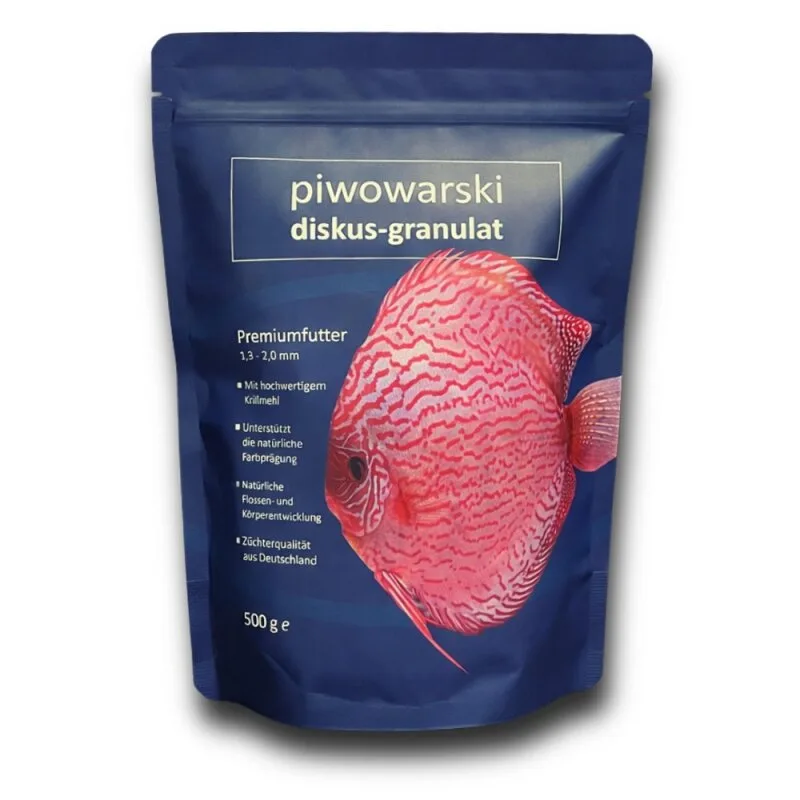

Recommendations are selected from the discus.ro shop based on this guide's topic. Availability and prices may vary.
Frequently asked questions
Put what you just read into practice
One account brings together everything you need to keep your tank on track:
Water parameters, inhabitants, photos and the full history of every change — our most used tool.
Water changes, cleaning and feeding, on your own dates.
See at a glance which values fall outside the safe discus range.
The guides, products and listings you follow, saved in one place.