
Blue Diamond
Symphysodon sp.
Description
The Blue Diamond is one of the most iconic discus varieties, admired for its solid, vibrant color devoid of any stripes or vertical bars. This variety captivates with its uniform electric blue hue covering the entire body. It is a symbol of elegance in the hobby, highly valued by beginners and experienced collectors alike. Due to its metallic and clean appearance, the Blue Diamond visually dominates any aquarium it inhabits, becoming the focal point of the entire setup.
🌍 Origin & History
The variety was developed through rigorous selection in specialized hatcheries in Southeast Asia, where breeders aimed to fix the solid blue color. Derived from advanced selection lines of Turquoise discus, this form quickly became a global standard. Its introduction to the international market marked an important milestone in genetic selection history, demonstrating the success of selective breeding techniques aimed at eliminating natural patterns on the fish's body for a refined aesthetic look.
Appearance
The Blue Diamond features a body fully covered in scales with metallic reflections, displaying shades ranging from deep cobalt to bright electric turquoise. The total absence of vertical bars or striated patterns gives the fish distinct visual clarity. Contrasting red eyes are a highly desired trait that accentuates the specimen's vitality. The fins are also colored in shades of blue, becoming slightly transparent towards the edges. The body shape is round, symmetrical, and compact, reflecting the health and quality of the selective breeding of this spectacular variety.
🧬 Genetic background
The gene responsible for the Blue Diamond appearance is recessive. Originating from Turquoise-type specimens, the selection process successfully eliminated vertical bars and unified the color. Crossing two Blue Diamond parents guarantees 100% Blue Diamond offspring. Conversely, hybridization with varieties possessing vertical bars can lead to the loss of solid color in the first generation, with offspring becoming carriers of the trait.
Recommended water parameters
Care
Care requires maintaining stable parameters: pH between 6.2 and 7.0 and temperatures of 28-30°C. Frequent partial water changes are essential for maintaining health. They prefer a varied, protein-rich diet, including frozen foods and high-quality pellets. Although more resilient than other varieties, they require spacious aquariums of at least 200-300 liters. They are schooling fish that need the company of other discus, being compatible with peaceful small to medium-sized species, such as tetras or corydoras, in warm water conditions.
Breeding
Breeding is a complex but achievable process under optimal conditions. Pairs form stable bonds, laying eggs on smooth vertical surfaces. Maintaining impeccable water quality and a rich diet during the spawning period is essential. Two Blue Diamond parents will produce exclusively offspring of the same variety. Parents carefully tend to their fry, providing the necessary mucus for the early stages of development, making the observation of the entire breeding cycle a fascinating experience for the hobbyist.
💡 Practical tips
- →Use black backgrounds to intensify the blue hue.
- →Choose a dark substrate for better contrast.
- →Blue spectrum lighting enhances metallic iridescence.
- →Avoid crossbreeding with striped varieties for purity.
- →Feed with astaxanthin-rich food to boost color.
- →Constantly monitor water quality through weekly tests.
Related guides
Articles relevant to you
Useful tools
Quick aquarium calculators
Other varieties in the Turquoise / Blue group
Products for this variety
Filters, food, tests and treatments for discus
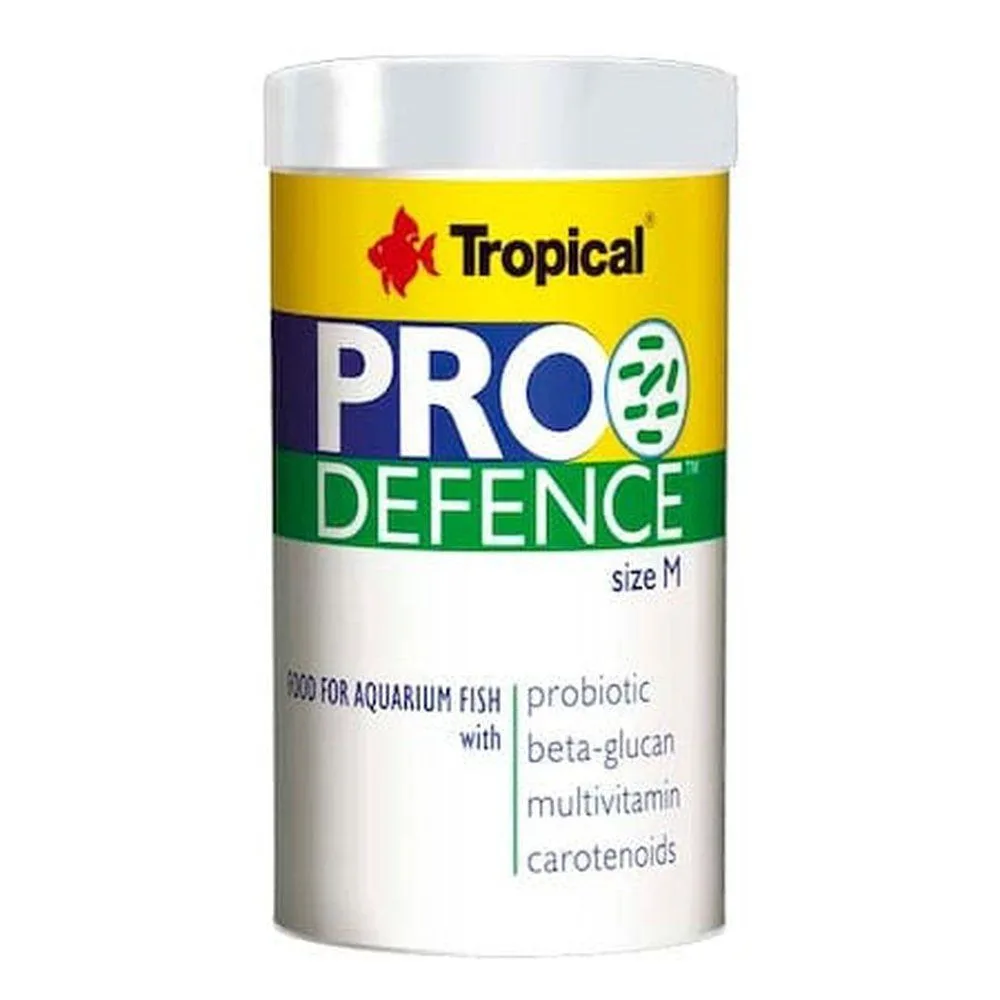
Granulated Probiotic Food for Freshwater Fish, Tropical ProDefence M, 44g/100 ml
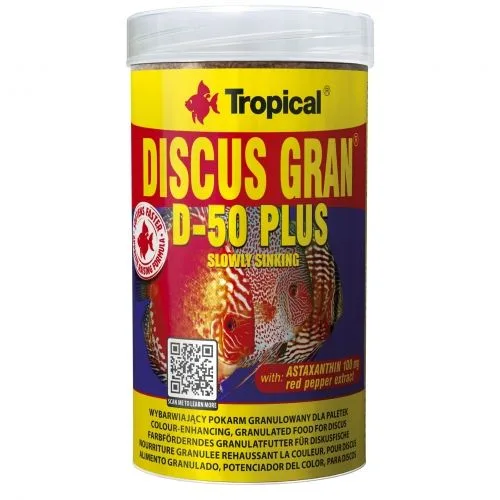
Granulated Food for Discus, Tropical, Discus Gran D-50 Plus, 44 g/100 ml
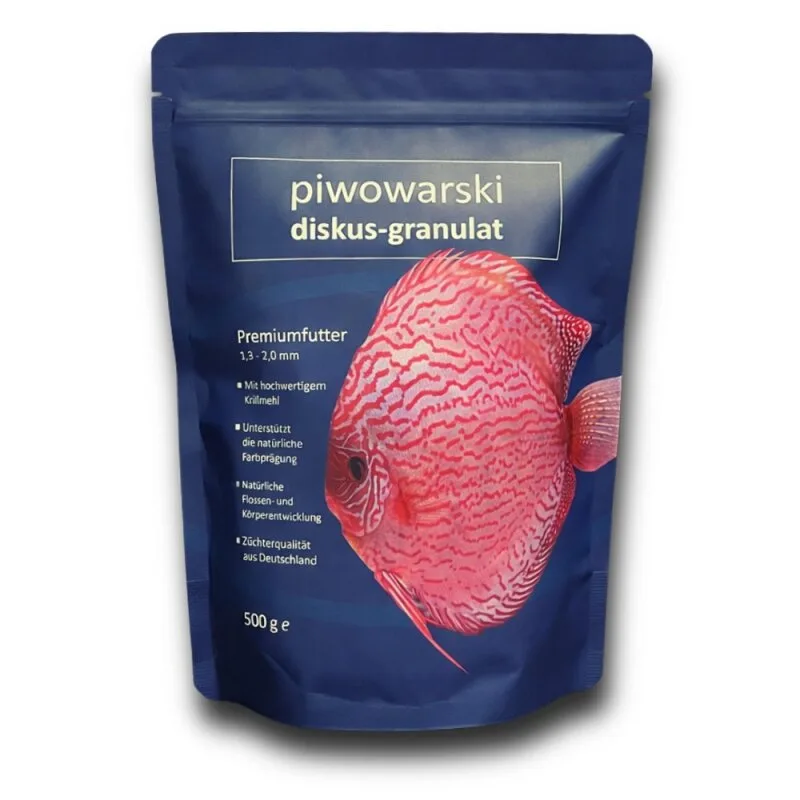
Discus Fish Granules - Piwo - granules 1.3–2 mm - 500g

Hikari Discus Bio Gold 80 g
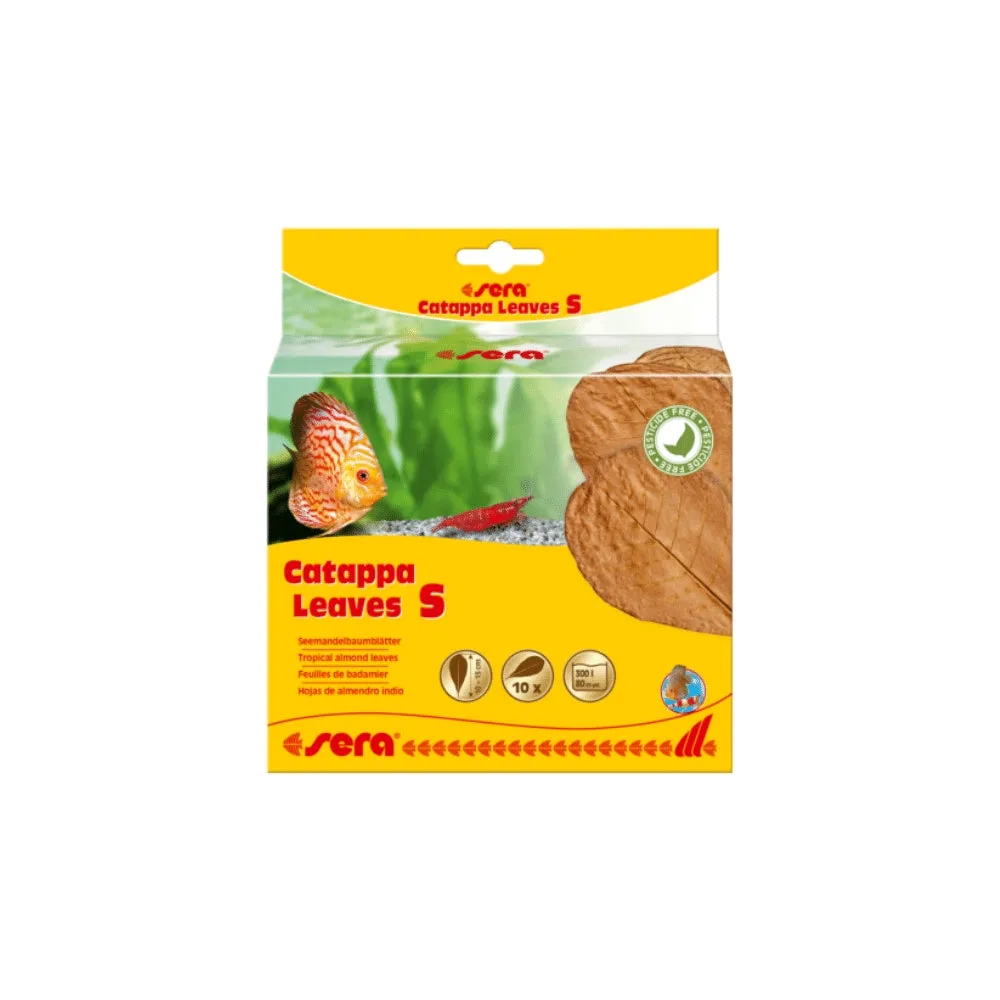
Catappa Leaves, Sera Catappa Leaves - M

Bacteria Culture Additive, Seachem Stability, 1 L

Aqua Medic Premium Line Reverse Osmosis System

ARKA AQUATICS myAQUA 1900 Reverse Osmosis System

ARKA myAqua380 Reverse Osmosis System

Seachem Stability - Aquarium Biological Stabilizer 250 ml