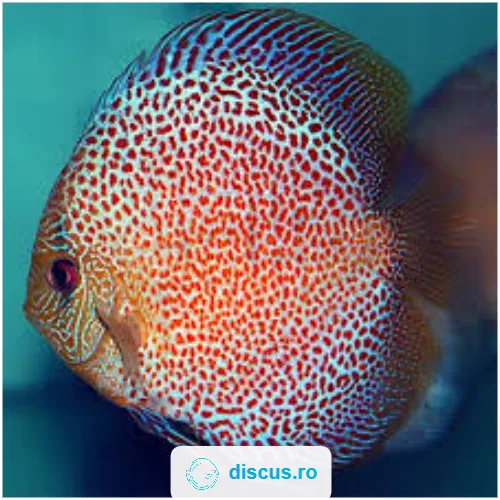
Eruption Snake
Symphysodon sp.
Description
The Eruption Snake is a turquoise-blue discus variety renowned for its incredibly complex visual pattern. These fish display a dense pattern of fine lines, resembling snakeskin, which are chaotically and fragmentedly distributed across the entire body. This fragmentation of lines creates a dynamic visual effect, evoking the image of a vibrant chromatic eruption. Due to their spectacular and energetic appearance, these discus are highly prized in modern aquaristics, often becoming the centerpiece in any tank set up with careful attention to aesthetic details.
🌍 Origin & History
The Eruption Snake variety originates from the rigorous selection of specimens with Snakeskin genes, aiming to emphasize the irregular and fragmented nature of the lines. Through successive crossings, breeders succeeded in stabilizing this phenotype where the classic linear aspect is replaced by an explosive pattern. This form emerged as a result of controlled genetic improvement, with the goal of obtaining a discus that distinctly stands out through the density and artistic chaos of its pattern, transforming the uniform linear design into something much more abstract and imposing.
Appearance
The Eruption Snake stands out with a shimmering body in intense shades of turquoise and blue, almost entirely covered by a dense network of fine lines. Unlike other varieties, the lines do not follow a uniform direction; instead, they intersect and break irregularly, offering a three-dimensional and highly vibrant appearance. The eyes are usually red and clear, providing a strong contrast to the metallic coloration of the body. The discus has a round, balanced shape, and the fins maintain the same complex pattern, completing the overall image of this impressive fish.
🧬 Genetic background
The genetics of this variety are based on the Snakeskin gene, which has been selected and modified to induce a chaotic distribution of pigment. Through artificial selection, the continuous fragmentation of fine lines was favored, preventing the formation of regular horizontal stripes. The result is a genetic combination that allows the expression of a turquoise and blue eruption across the entire body, maintaining the core traits of the Snakeskin line, but with a completely different and far more complex visual aesthetic.
Recommended water parameters
Care
Caring for these discus requires maintaining water with a pH between 6 and 7 and a temperature of 28-30°C. They are sensitive fish that require regular water changes (20-30% weekly) to prevent nitrate accumulation. A varied diet is recommended, composed of frozen food, brine shrimp, beef heart mixes, and high-quality pellets. Although they are peaceful, they need a spacious aquarium of at least 250-300 liters and can live harmoniously with small or medium-sized species that tolerate high temperatures, such as tetras or corydoras.
Breeding
Breeding the Eruption Snake variety is considered accessible to those with experience with other discus varieties. The pair requires a private and quiet environment, with low water hardness to promote egg hatching. After spawning on a vertical surface, both parents participate in caring for the fry, providing them with the skin secretions necessary for initial development. It is essential to monitor water quality during this period to ensure a high survival rate of the fry, which must then be fed with brine shrimp nauplii.
💡 Practical tips
- →Maintain impeccable water quality to highlight the colors.
- →Feed the fish 3-4 times a day in small portions.
- →Use a dark background to make the turquoise pop.
- →Avoid stress with decor that offers hiding spots.
- →Monitor behavior to detect early signs of illness.
- →Choose a group of at least 6 specimens for social comfort.
Related guides
Articles relevant to you
Useful tools
Quick aquarium calculators
Other varieties in the Turquoise / Blue group
Products for this variety
Filters, food, tests and treatments for discus

Granulated Probiotic Food for Freshwater Fish, Tropical ProDefence M, 44g/100 ml
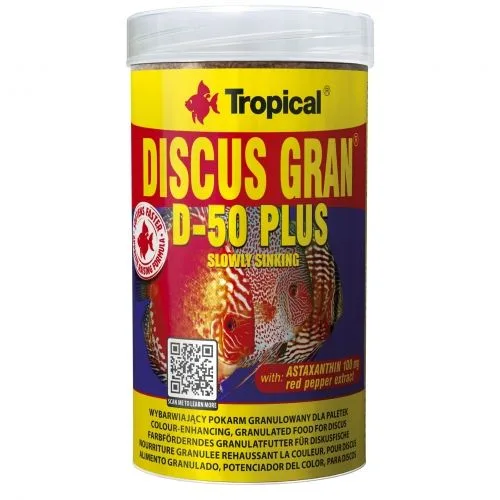
Granulated Food for Discus, Tropical, Discus Gran D-50 Plus, 44 g/100 ml
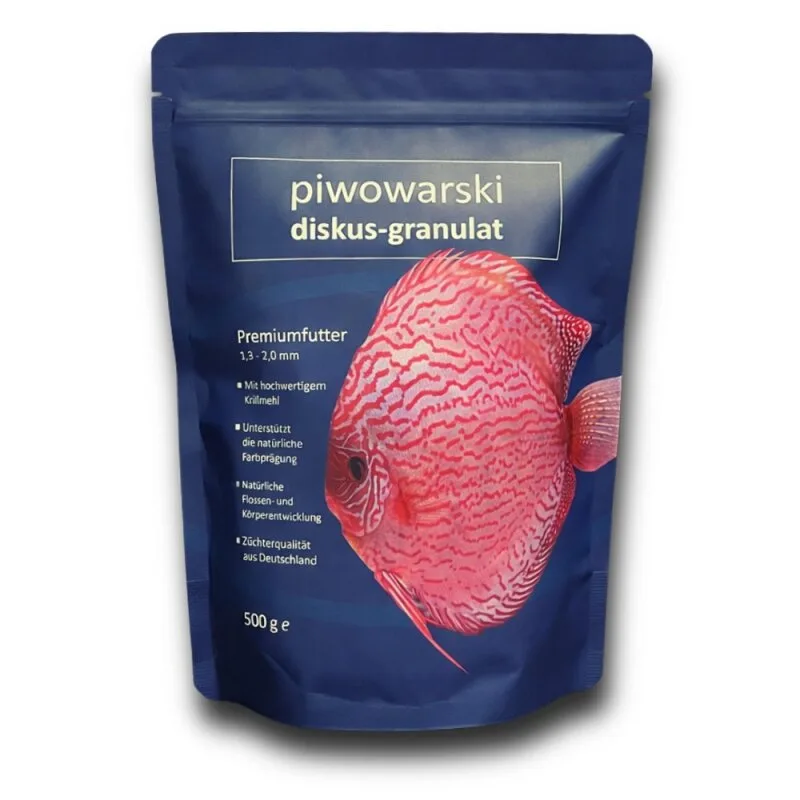
Discus Fish Granules - Piwo - granules 1.3–2 mm - 500g

Hikari Discus Bio Gold 80 g
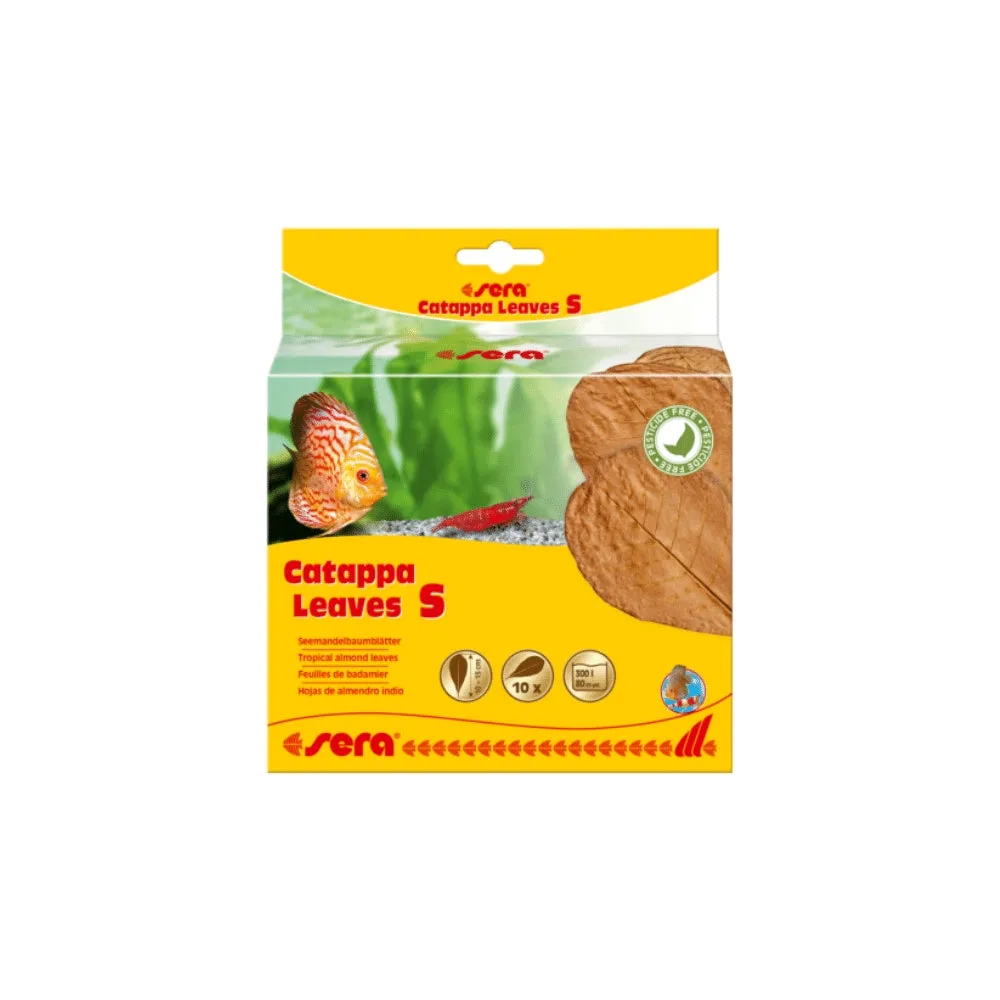
Catappa Leaves, Sera Catappa Leaves - M

Bacteria Culture Additive, Seachem Stability, 1 L

Aqua Medic Premium Line Reverse Osmosis System

ARKA AQUATICS myAQUA 1900 Reverse Osmosis System

ARKA myAqua380 Reverse Osmosis System

Seachem Stability - Aquarium Biological Stabilizer 250 ml