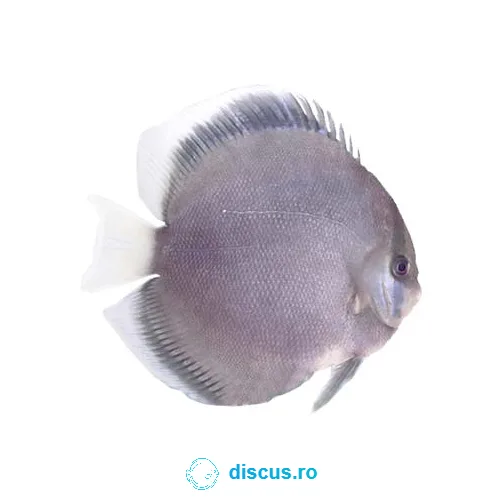
Ghost
Symphysodon sp.
Description
Ghost Discus are prized for their ethereal and unmistakable appearance, characterized by a body that appears almost transparent or pale gray. This variety results from a depigmentation mutation that blurs the fish's natural pigment, leaving behind a subtle and fascinating visual pattern. While retaining the classic body shape of a Discus, the lack of intense coloration gives it a spectral elegance. They are specimens highly valued by collectors for their visual refinement and the unique way they reflect light within the aquatic environment of a modern aquarium.
🌍 Origin & History
The Ghost variety originally appeared as a spontaneous mutation of Brown Discus lines. It represents one of the first documented mutations involving a reduction in body pigmentation. Since their first appearance, these discus have been selected and isolated by breeders due to their unique spectral traits, stabilizing the genetic character that determines their pale appearance. Their origin is strictly linked to the selective manipulation of color genes present in wild and domestic brown discus populations, providing an interesting perspective on the genetic diversity of the species.
Appearance
The body of a Ghost Discus exhibits shades of light gray or pale bluish, providing a unique semi-transparent look. Vertical stripes, although genetically present, appear only as diffuse, 'ghostly' shadows, which give the variety its name. Eyes can be gray or slightly tinted toward red, adding a subtle contrast. The fins are generally transparent with fine edges, completing the ethereal aesthetic. Adult size usually reaches 13–17 cm, maintaining the round shape specific to the Symphysodon genus, which becomes even more impressive due to the absence of the vibrant colors common in other varieties.
🧬 Genetic background
Genetically, the Ghost variety stems from a recessive gene that partially suppresses melanin production. This biological mechanism differs significantly from albinism or Snow White varieties. The Ghost gene acts by diminishing the base color intensity while retaining the vertical stripe structure in an extremely faded form, nearly invisible under certain lighting conditions. It is a stable mutation, but one that requires attention in breeding programs to maintain the desired spectral appearance.
Recommended water parameters
Care
Care for Ghost Discus requires optimal environmental conditions, as they are sensitive to water quality. Ideal parameters include a temperature of 28–30°C and a pH between 6.0 and 7.0. Weekly partial water changes are mandatory to keep nitrate levels low. Feeding should be varied, including quality frozen food and premium granules. Behaviorally, they are peaceful fish, ideal for community aquariums with compatible species like tetras, provided they are kept in groups of at least 5-6 individuals to reduce stress and stimulate adaptation to the captive environment.
Breeding
Breeding these discus is considered difficult, requiring a high level of expertise from the aquarist. Being a recessive mutation, success depends on selecting healthy parents that carry Ghost traits. It is essential to ensure extremely clean water and minimal stress conditions during egg laying. Pairs must be constantly monitored to observe parental behavior and prevent them from consuming the eggs. Results can vary, often requiring rigorous selection of the fry to maintain the pure spectral appearance.
💡 Practical tips
- →Maintain a constant temperature between 28 and 30°C.
- →Perform regular water changes for optimal health.
- →Feed the fish a varied and nutritious diet.
- →Frequently observe the condition of the eyes.
- →Provide a calm environment without strong currents.
- →Group at least 6 specimens to reduce stress.
Related guides
Articles relevant to you
Useful tools
Quick aquarium calculators
Other varieties in the Turquoise / Blue group
Products for this variety
Filters, food, tests and treatments for discus
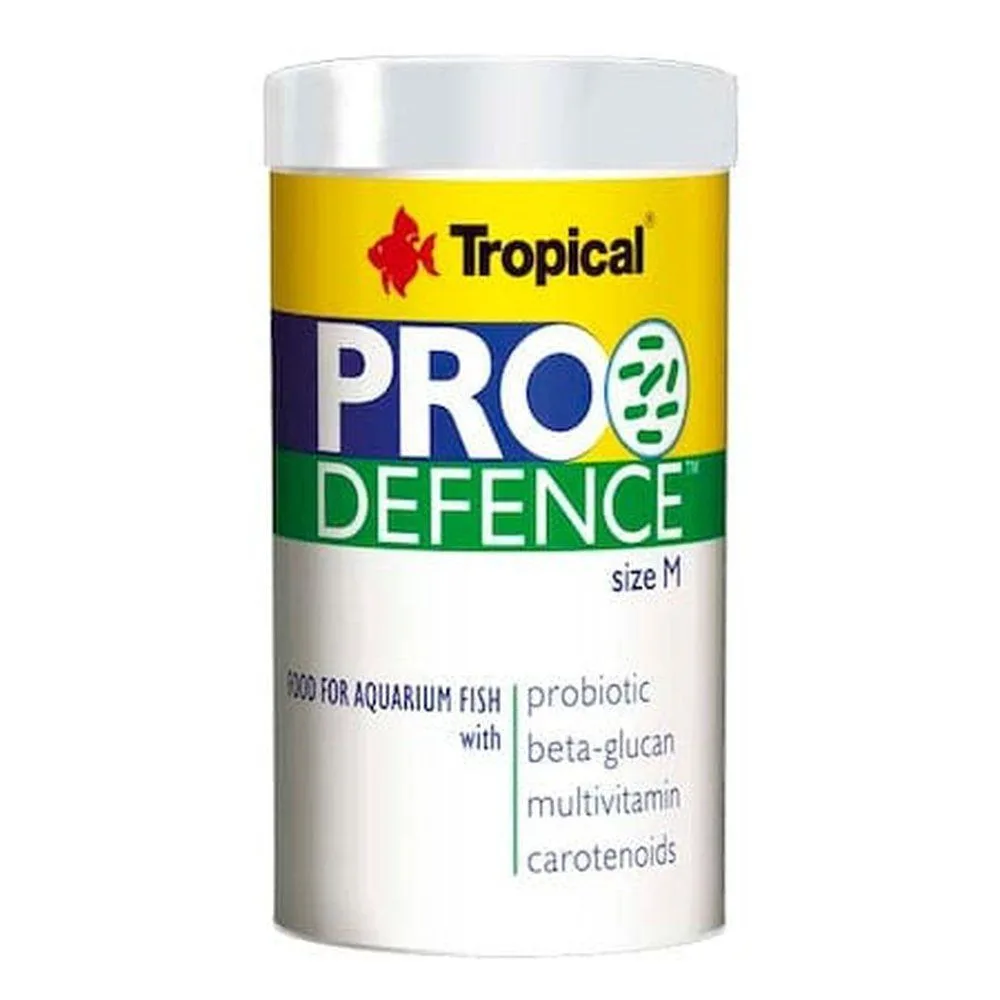
Granulated Probiotic Food for Freshwater Fish, Tropical ProDefence M, 44g/100 ml
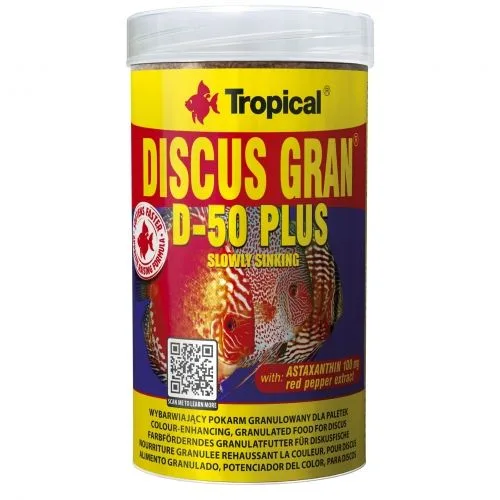
Granulated Food for Discus, Tropical, Discus Gran D-50 Plus, 44 g/100 ml
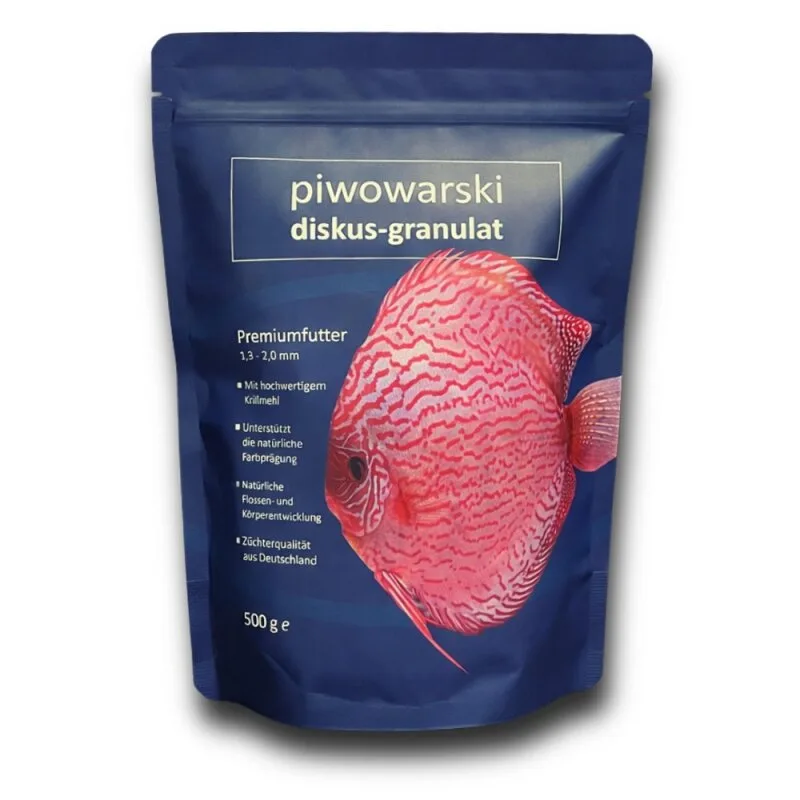
Discus Fish Granules - Piwo - granules 1.3–2 mm - 500g

Hikari Discus Bio Gold 80 g
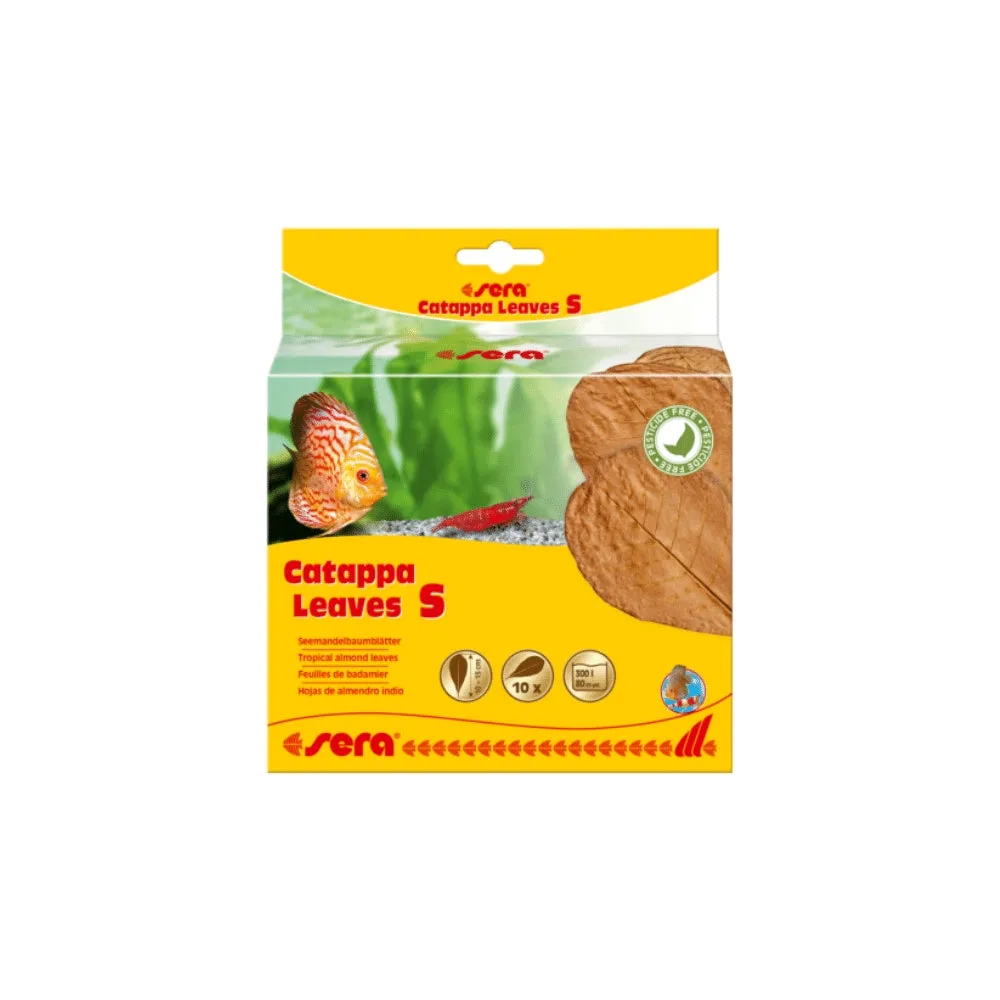
Catappa Leaves, Sera Catappa Leaves - M

Bacteria Culture Additive, Seachem Stability, 1 L

Aqua Medic Premium Line Reverse Osmosis System

ARKA AQUATICS myAQUA 1900 Reverse Osmosis System

ARKA myAqua380 Reverse Osmosis System

Seachem Stability - Aquarium Biological Stabilizer 250 ml