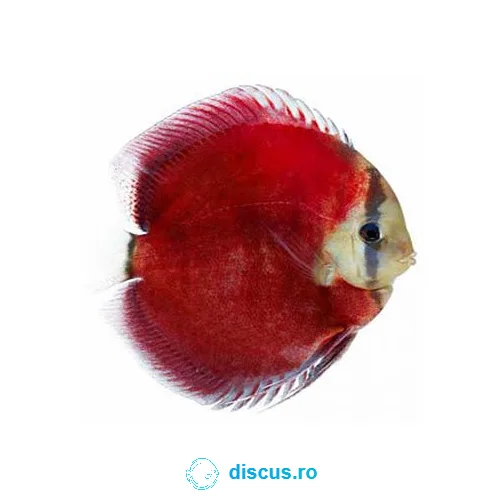
Red Cover
Symphysodon sp.
Description
The Red Cover variety is a spectacular selection of turquoise-blue discus, recognized for its fins fully pigmented in intense red-orange shades. These fish display a strong visual contrast between the metallic turquoise stripes crossing the body on a reddish-brown base and the chromatic extension of the dorsal, anal, and caudal fins. Due to their vibrant appearance and scenic presence, they have become highly valued by aquarists who seek specimens with rich coloration, capable of aesthetically dominating any well-maintained community aquarium.
🌍 Origin & History
This variety emerged as a result of rigorous selection programs for Turquoise-type discus, aiming to extend red pigment from the body to the entire fin surface. Through controlled breeding between specimens with similar traits, breeders managed to stabilize the Red Cover line, defined by the complete red coverage of the dorsal and anal fins. It is a hybrid created to maximize visual aesthetics in display aquariums, being the product of successive generations of phenotypic selection to achieve a perfect chromatic contrast.
Appearance
The body of Red Cover discus features a geometric design with horizontal turquoise stripes radiating on a reddish-brown background, providing a metallic look. The defining trait is the bright red color of the fins, which show no black spots, but a uniform pigmentation. As the fish reach maturity, the contrast between the turquoise-striped body and the red fins becomes more pronounced. Adult size varies between 14 and 18 cm, offering an imposing presence, and the intense coloration is directly influenced by the diet and environmental quality.
🧬 Genetic background
Red Cover genetics derive from crossing Red Turquoise lines with varieties like Pigeon Blood, followed by intense selection to maintain the red on the fins. The hallmark of this variety is the gene responsible for intense pigmentation, which must be kept stable through parent selection. These fish may show intensity variations depending on the specific bloodline.
Recommended water parameters
Care
Care requires maintaining temperatures between 28 and 30°C and a pH between 6.0 and 7.0. Weekly water changes are mandatory to prevent disease. The diet must include foods rich in astaxanthin to support the red coloration. They are schooling fish, preferring groups of at least 6 to reduce stress. Compatible with small, peaceful species like tetras or corydoras. Monitoring water quality is vital as they are sensitive to nitrates. Provide a spacious tank, at least 300 liters, with open swimming areas and perimeter decor for security.
Breeding
Breeding is considered relatively easy for experienced aquarists, requiring very stable water conditions and a compatible pair. Spawning occurs on vertical surfaces, and both parents actively participate in caring for the eggs and fry. Maintaining hygiene in the breeding tank is critical. After hatching, fry initially feed on the mucus secreted by the parents, which makes their presence essential. Provide quality live food as soon as the fry can consume Artemia nauplii for fast and healthy growth.
💡 Practical tips
- →Use food with astaxanthin.
- →Maintain high constant temperature.
- →Perform frequent water changes.
- →Avoid stress in small groups.
- →Strictly monitor pH levels.
- →Feed varied diet for immunity.
Related guides
Articles relevant to you
Useful tools
Quick aquarium calculators
Other varieties in the Turquoise / Blue group
Products for this variety
Filters, food, tests and treatments for discus

Granulated Probiotic Food for Freshwater Fish, Tropical ProDefence M, 44g/100 ml
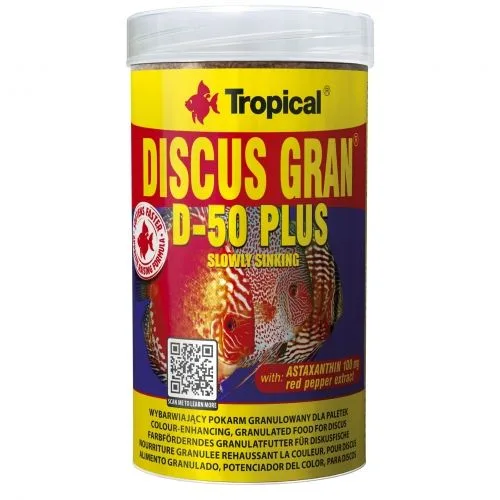
Granulated Food for Discus, Tropical, Discus Gran D-50 Plus, 44 g/100 ml
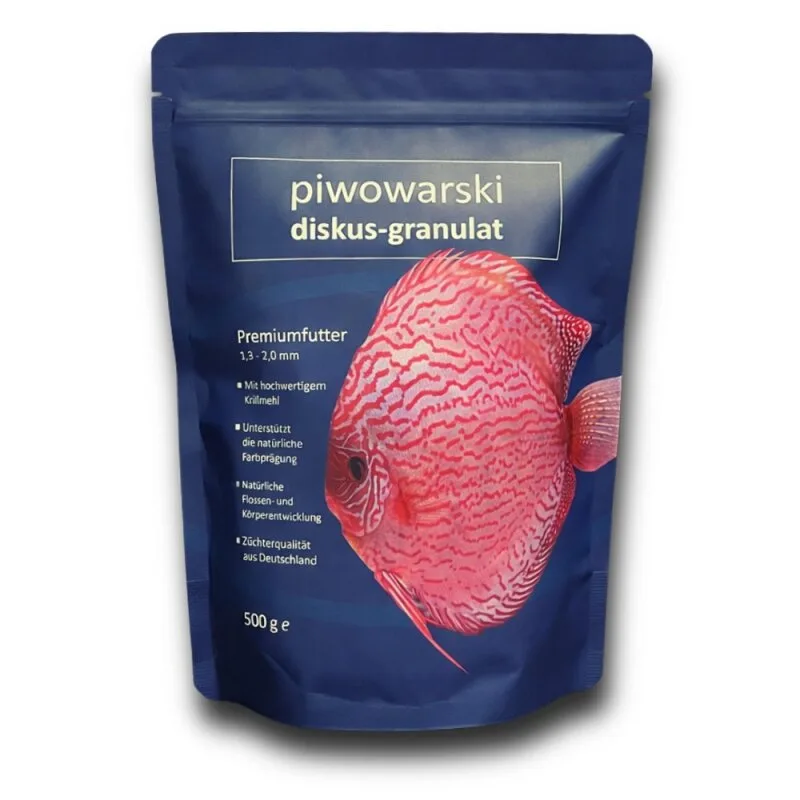
Discus Fish Granules - Piwo - granules 1.3–2 mm - 500g

Hikari Discus Bio Gold 80 g
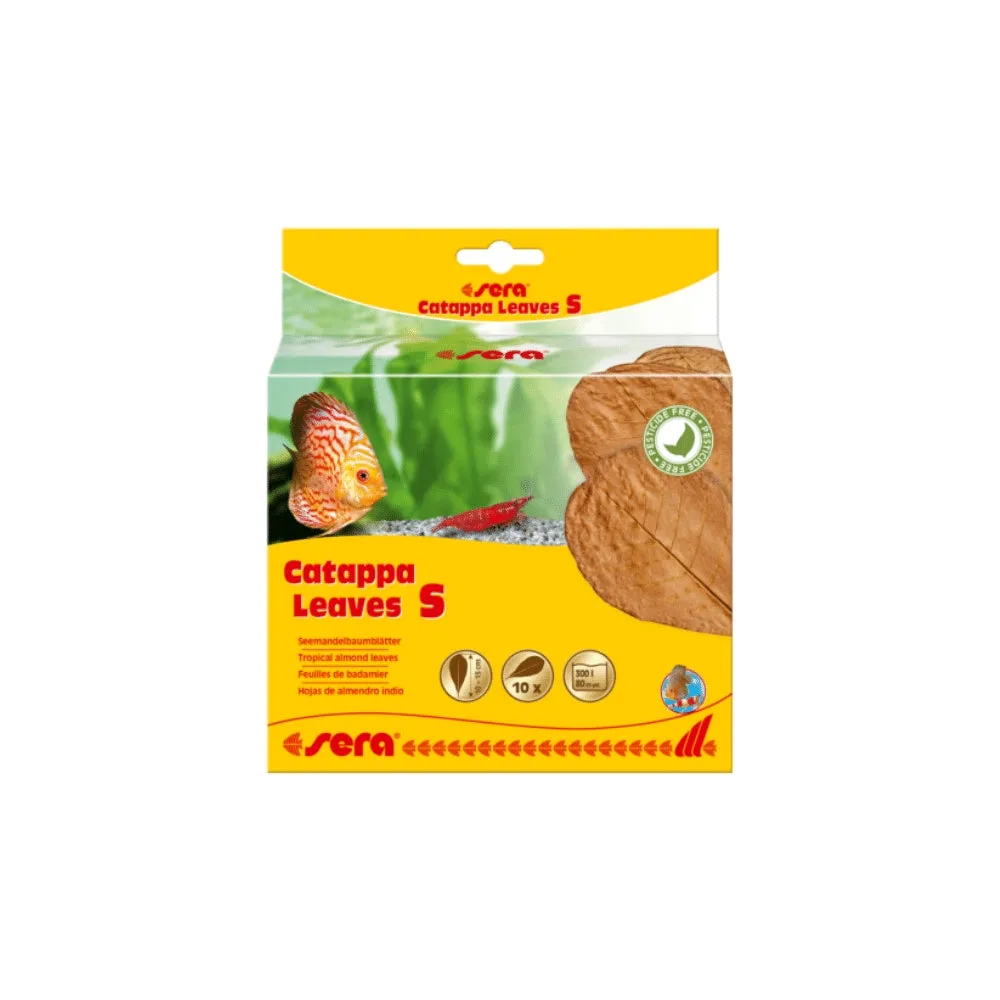
Catappa Leaves, Sera Catappa Leaves - M

Bacteria Culture Additive, Seachem Stability, 1 L

Aqua Medic Premium Line Reverse Osmosis System

ARKA AQUATICS myAQUA 1900 Reverse Osmosis System

ARKA myAqua380 Reverse Osmosis System

Seachem Stability - Aquarium Biological Stabilizer 250 ml