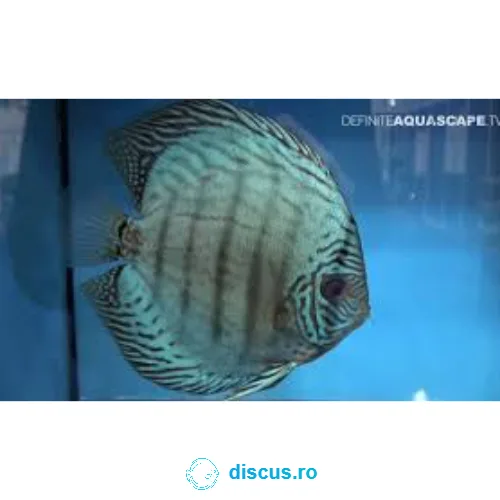
Blue Turquoise
Symphysodon aequifasciatus haraldi
Description
Blue Turquoise is the benchmark variety for the turquoise group, distinguished by vibrant blue stripes set against an elegant brownish-blue background. As one of the oldest hybrid lines in the hobby, this discus has formed the foundation for many modern varieties, standing out due to the consistency of its aesthetic traits. Adult specimens display a spectacular contrast between the metallic turquoise patterns and the base coloration, offering an imposing look to any large aquarium. It is a classic choice for collectors, combining a rich history with remarkable vitality.
🌍 Origin & History
This variety has its roots in early selections of wild blue discus, being the result of systematic breeding programs carried out in the last century. The goal was to fix intense color and body-wide striping, transforming wild forms into more visually spectacular fish. It represents the transition from wild-caught specimens to robust, colorful aquarium lines, eventually becoming a global standard in hatcheries due to its exceptional genetic stability.
Appearance
Blue Turquoise features an oval body, decorated with thick horizontal stripes of an intense turquoise-blue that shimmer under proper lighting. The pattern covers 60% to 100% of the body surface, complemented by red eyes and fins finely streaked with metallic reflections. In moments of stress, vertical bars of varying intensity may become visible, but the base color remains dominant. Reaching 14-18 cm at maturity, these fish command respect through the elegance of their shape and the chromatic intensity that defines this historic variety.
🧬 Genetic background
The genetics of this discus are based on controlled crosses between Symphysodon aequifasciatus haraldi phenotypes, selected primarily for the expansion of turquoise stripes. The thick lines pattern is dominant, covering a large surface of the body. Through selective breeding, the goal was to minimize the brown base color in favor of blue iridescence, stabilizing a genetic pattern that is consistently passed on to offspring, making it one of the most reliable varieties for breeding programs aimed at the classic look.
Recommended water parameters
Care
They are robust fish, adaptable to a wide range of parameters, preferring a pH between 6 and 7 and temperatures of 28-30°C. They require spacious aquariums of at least 250 liters, well-filtered, with weekly partial water changes of 30-50%. They feed on protein-rich diets, brine shrimp, beef heart mixes, and premium pellets. They have a social temperament, recommended for community tanks with compatible fish such as tetras or corydoras, maintaining peaceful behavior in groups of at least 6 specimens.
Breeding
Breeding is relatively easy compared to other, more sensitive varieties, as Blue Turquoise is one of the most prolific and productive lines. Naturally formed pairs show a strong parental instinct, carefully tending to the fry on their body surface in the early stages. They require clean water conditions and a varied diet to stimulate spawning, being ideal for aquarists who wish to experience raising discus fry in a controlled environment, with high success rates in maturing subsequent generations.
💡 Practical tips
- →Ideal for beginners due to high resilience.
- →LED lighting enhances metallic blue reflections.
- →Maintain a group of at least 6 specimens.
- →Perform regular, small water changes.
- →Monitor stress bars for health indicators.
- →Provide a varied diet for intense coloration.
Related guides
Articles relevant to you
Useful tools
Quick aquarium calculators
Other varieties in the Turquoise / Blue group
Products for this variety
Filters, food, tests and treatments for discus

Granulated Probiotic Food for Freshwater Fish, Tropical ProDefence M, 44g/100 ml
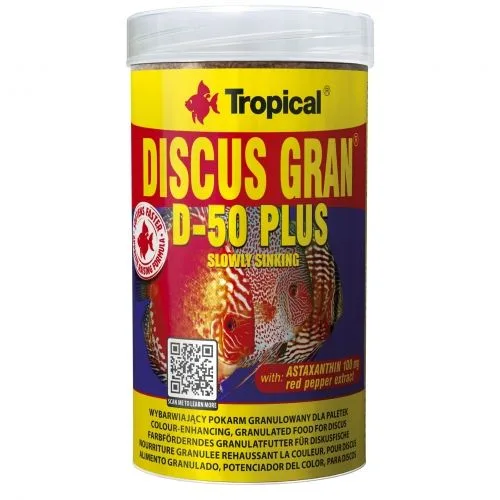
Granulated Food for Discus, Tropical, Discus Gran D-50 Plus, 44 g/100 ml
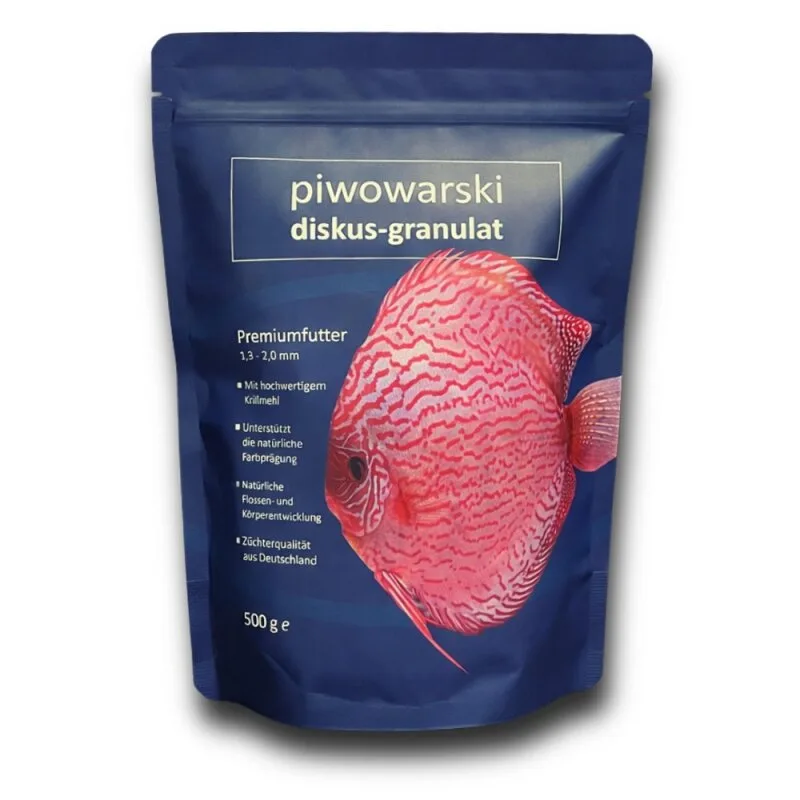
Discus Fish Granules - Piwo - granules 1.3–2 mm - 500g

Hikari Discus Bio Gold 80 g
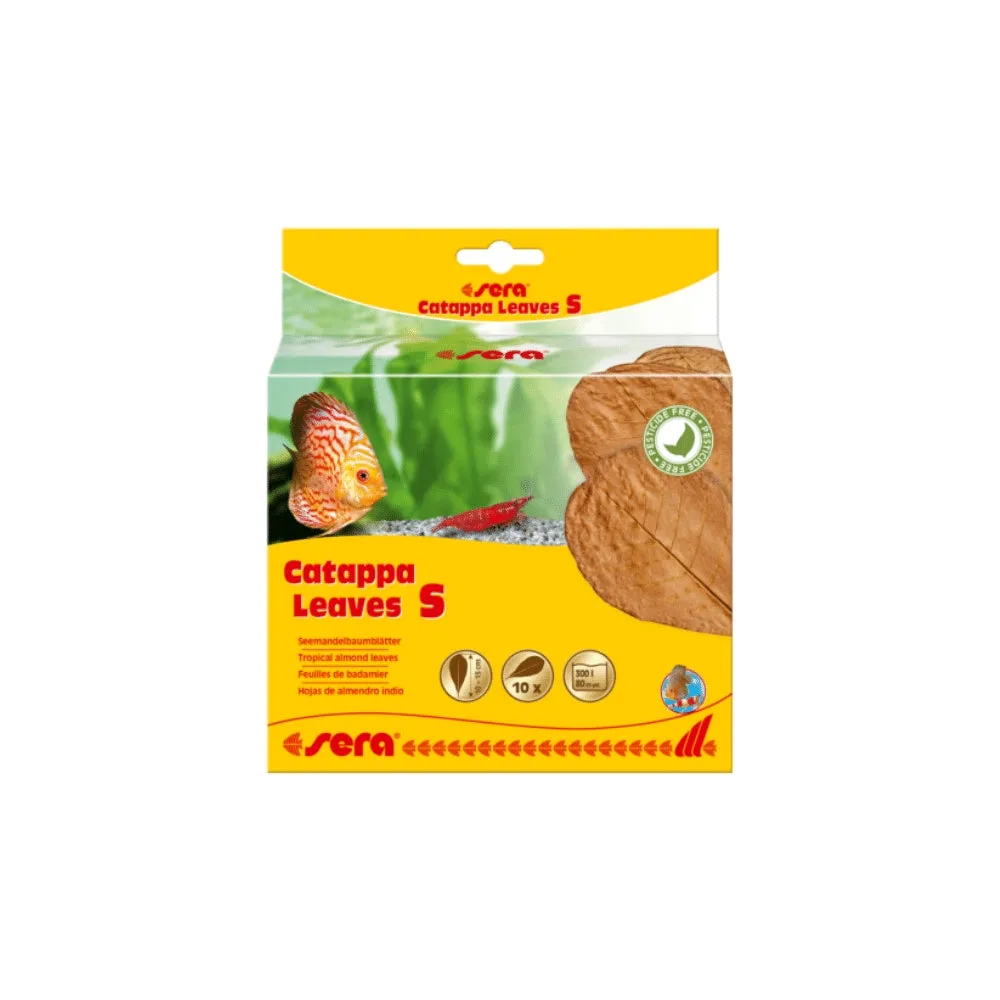
Catappa Leaves, Sera Catappa Leaves - M

Bacteria Culture Additive, Seachem Stability, 1 L

Aqua Medic Premium Line Reverse Osmosis System

ARKA AQUATICS myAQUA 1900 Reverse Osmosis System

ARKA myAqua380 Reverse Osmosis System

Seachem Stability - Aquarium Biological Stabilizer 250 ml