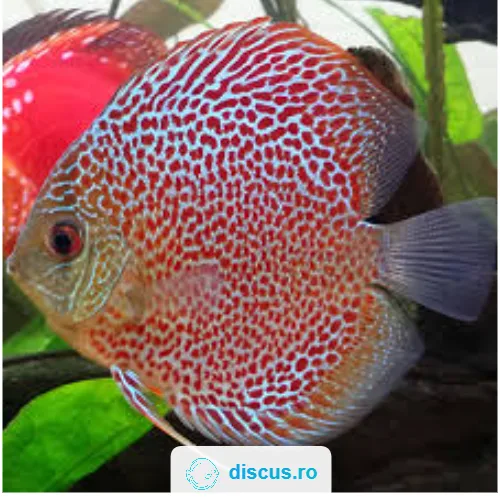
Leopard
Symphysodon sp.
Description
The Leopard variety is one of the most highly regarded discus within the turquoise-blue group, recognized by its distinctive spotted pattern, distributed uniformly across the body. It features vibrant coloration, where red-brown spots contrast harmoniously with an orange, yellow, or bluish background. Due to its unique aesthetic and the originality of the pattern covering even the gill plates, the Leopard discus remains a benchmark in modern aquaristics, favored by breeders for selection and by enthusiasts seeking a fish with a spectacular visual impact and an imposing presence in the aquarium.
🌍 Origin & History
The Leopard variety was developed through rigorous selective breeding programs conducted by Asian breeders, using specimens originating from populations of Symphysodon aequifasciatus with red spots. This variety is the direct result of constant efforts to stabilize and intensify the genes responsible for the presence of red dots on a turquoise-type body. Its genetic evolution has been consolidated over time through controlled crossbreeding, with the aim of obtaining a discus that retains the robust traits of its wild ancestors, but with a much denser, more uniform, and spectacular spotted pattern than the natural one.
Appearance
The Leopard is distinguished by dense red-brown spots, distributed uniformly across the body, on an orange, yellow, or blue chromatic background. The eyes are intense red, and the typical vertical bars are subtly visible, appearing more pronounced during moments of stress. The spotted pattern extends spectacularly onto the fins and gill plates, giving the fish a rare aesthetic uniformity. Adult sizes often reach between 13 and 17 cm, depending on the quality of the environment and food. The general appearance is that of an imposing fish, with a round shape, highly valued in beauty contests.
🧬 Genetic background
The genetic basis of the Leopard discus comes from crossing wild Red Spotted Green specimens with domestic varieties from the Turquoise group. Through artificial selection, the genes controlling the distribution of red pigment have been isolated and amplified. The result is a stable combination where turquoise traits, such as vertical stripes and background coloration, interact with dense red spots, creating a spotted look specific to the Leopard variety, which is hereditarily transmitted at a high rate in well-stabilized selection lines.
Recommended water parameters
Care
Care for the Leopard variety is standard for the Symphysodon species, requiring a water temperature between 28-30°C and a pH kept constant between 6 and 7. The aquarium must be spacious, with efficient biological filtration and weekly partial water changes of at least 30%. Varied food, rich in proteins and carotenoids, is essential for maintaining color intensity. They are schooling fish, and it is recommended to keep them in groups of at least 6 specimens. Compatibility is good with peaceful tetras or corydoras, while avoiding aggressive fish or those that require drastically different water conditions.
Breeding
Breeding the Leopard discus is relatively easy if the pair is well-formed and mature. It requires a dedicated breeding aquarium with very clean, slightly acidic water and stable temperatures of 29°C. After spawning on a vertical surface, both parents actively participate in caring for the fry, protecting them in the early stages of development. It is crucial to subsequently feed the fry with high-quality Artemia nauplii to ensure rapid growth and correct development of body shape, as well as the specific pattern of the Leopard variety.
💡 Practical tips
- →The pattern clarifies at the age of 6–8 months
- →Astaxanthin intensifies orange colors
- →Keep water clean for more intense spots
- →Provide a diet rich in natural carotenoids
- →Avoid sudden pH changes
- →Observe gill plates for pigmentation health
Community aquariums with Leopard


Related guides
Articles relevant to you
Useful tools
Quick aquarium calculators
Other varieties in the Turquoise / Blue group
Products for this variety
Filters, food, tests and treatments for discus
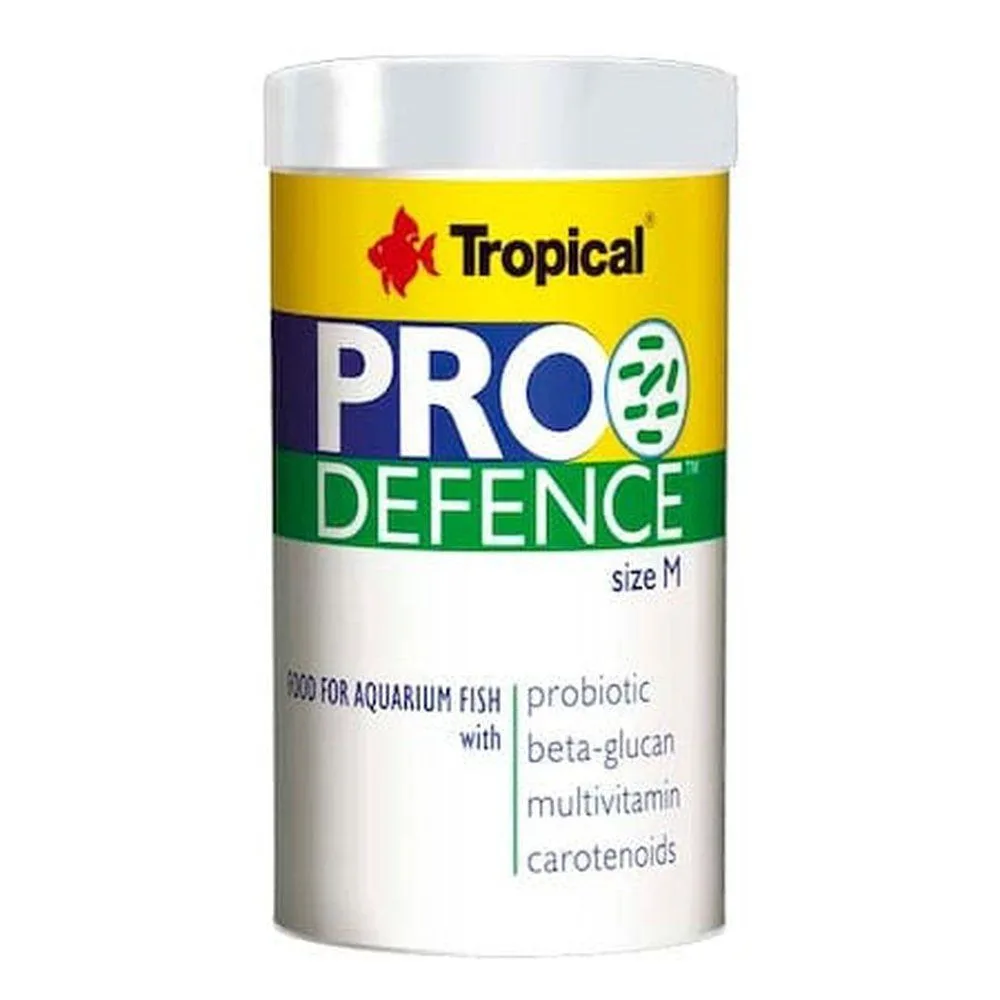
Granulated Probiotic Food for Freshwater Fish, Tropical ProDefence M, 44g/100 ml
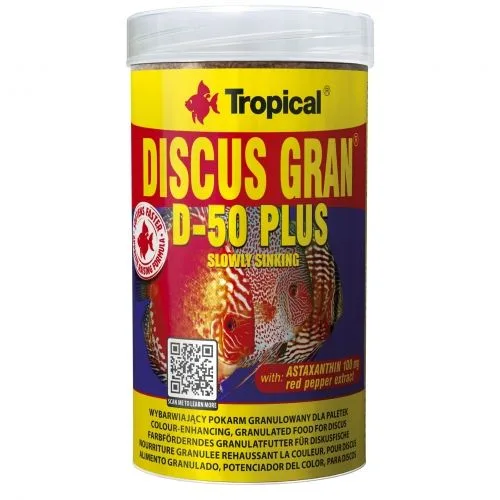
Granulated Food for Discus, Tropical, Discus Gran D-50 Plus, 44 g/100 ml
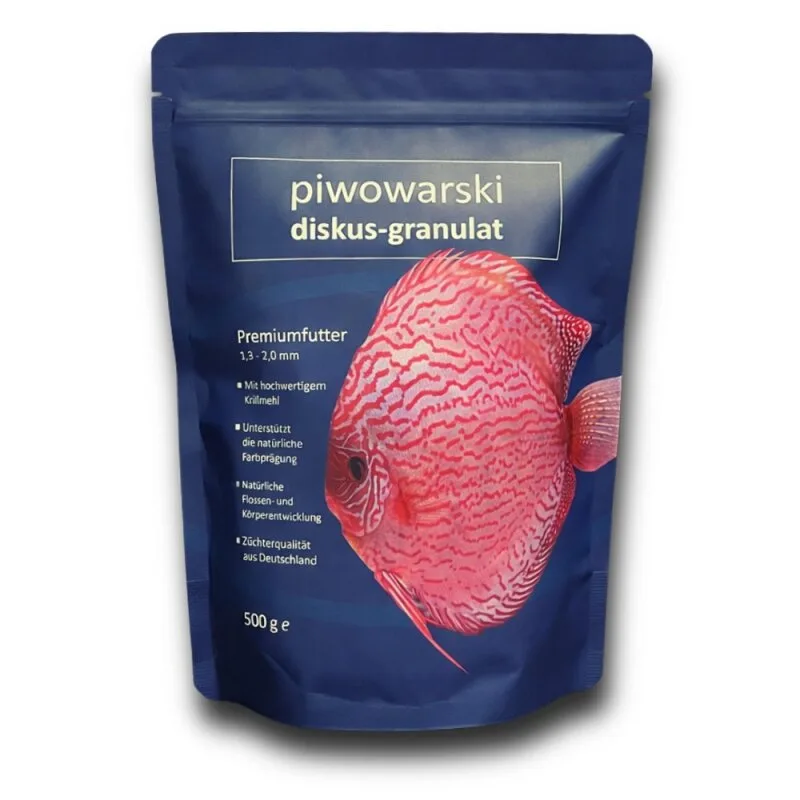
Discus Fish Granules - Piwo - granules 1.3–2 mm - 500g

Hikari Discus Bio Gold 80 g
Catappa Leaves, Sera Catappa Leaves - M

Bacteria Culture Additive, Seachem Stability, 1 L

Aqua Medic Premium Line Reverse Osmosis System

ARKA AQUATICS myAQUA 1900 Reverse Osmosis System

ARKA myAqua380 Reverse Osmosis System

Seachem Stability - Aquarium Biological Stabilizer 250 ml