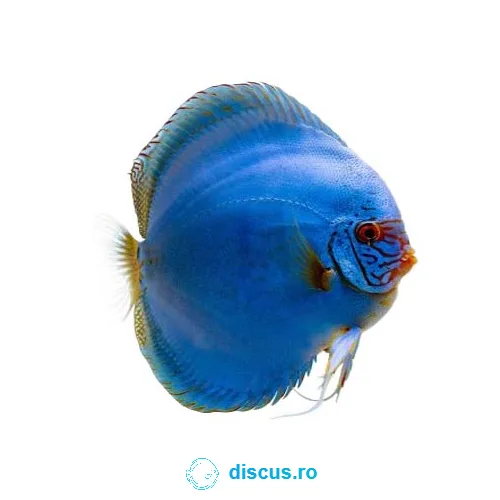
Cobalt
Symphysodon sp.
Description
The Cobalt variety is a discus fish with an intense and uniform cobalt-blue coloration, positioned in appearance between Blue Turquoise and Blue Diamond varieties. These fish exhibit an extremely high density of blue lines covering most of their lateral surface, giving the body an almost solid and vibrant look. Although it retains ancestral traits, it is considered one of the most prized fish in the turquoise-blue group, admired for the depth of its metallic color, which becomes increasingly spectacular as the specimen reaches full maturity under optimal environmental conditions.
🌍 Origin & History
The origin of the Cobalt variety is closely tied to the efforts of American breeders to refine Blue Turquoise lines. They rigorously selected specimens with the most intense blue pigment and the most uniform distribution on the flanks. Through constant selective breeding, they succeeded in minimizing the presence of contrasting lines, gradually transforming the traditional pattern into a dominant blue. This variety quickly became a benchmark for the quality of American discus, as it is the result of meticulous phenotypic selection, focused on intensifying the metallic iridescence of the body.
Appearance
Cobalt specimens are noted for their robust body, covered in a brilliant and uniform cobalt-blue. The specific stripes of turquoise varieties are very dense here, often fused, giving the fish an almost solid look. Vertical bars may still be subtly visible, especially during stress, but tend to fade. The contrasting red eyes emphasize the intensity of the body color, while the fins are completely blue, completing the circular shape typical of the species. It is an imposing fish with a metallic sheen that reflects light very well in a planted aquarium.
🧬 Genetic background
Cobalt genetics derive from Blue Turquoise lines, where selection focused on maximizing blue pigment and reducing vertical bars. Through successive breeding processes, the turquoise lines visually merged with the background, gradually eliminating the contrast between the stripes and the skin base. It is a genetically stable variety, but maintaining color quality requires rigorous specimen selection to avoid diluting blue intensity or the reappearance of unwanted dark spots.
Recommended water parameters
Care
Caring for Cobalt discus requires maintaining water with a pH between 6 and 7 and a constant temperature of 28-30°C. They are sociable fish that prefer spacious aquariums, at least 250 liters, with regular water changes of 20-30% weekly. Regarding diet, they need varied food: beef heart mixtures, brine shrimp, bloodworms, and quality dry food. They are peaceful fish, compatible with species like Corydoras or Tetras, but can be reluctant to aggressive competition for food, so attention to tank mate selection is necessary.
Breeding
Breeding is relatively easy, as these fish are prolific if the pair is compatible and the water has the right parameters. A dedicated spawning tank with a ceramic cone is recommended. Parents are usually attentive to their fry. Maintaining impeccable water quality during the incubation period and properly feeding the fry are essential for the harmonious development of the blue color from the juvenile stage, ensuring a high survival rate of the offspring.
💡 Practical tips
- →Regular water changes for shine.
- →Constant temperature prevents color stress.
- →Provide a diet rich in carotenoids.
- →Monitor aggression in large groups.
- →Pay attention to the quality of purchased fry.
- →Avoid oversaturation with dry food.
Community aquariums with Cobalt

Related guides
Articles relevant to you
Useful tools
Quick aquarium calculators
Other varieties in the Turquoise / Blue group
Products for this variety
Filters, food, tests and treatments for discus
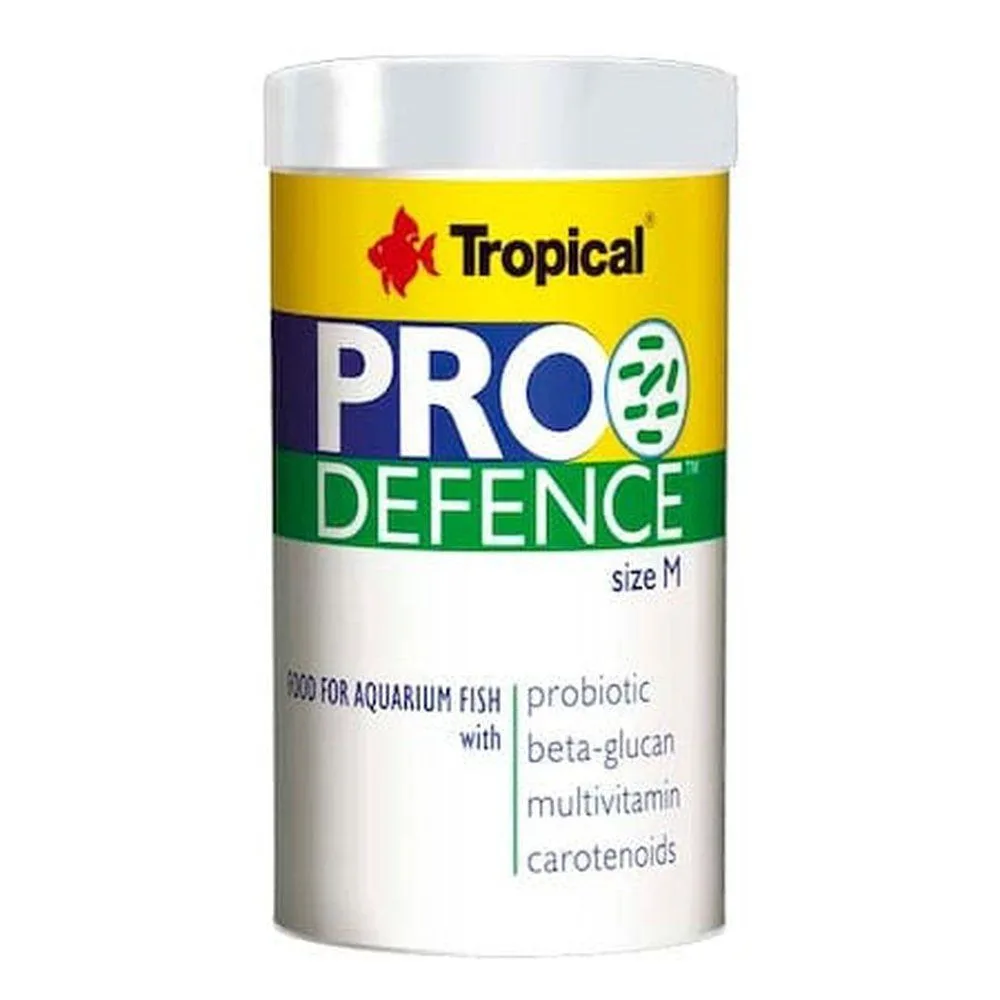
Granulated Probiotic Food for Freshwater Fish, Tropical ProDefence M, 44g/100 ml
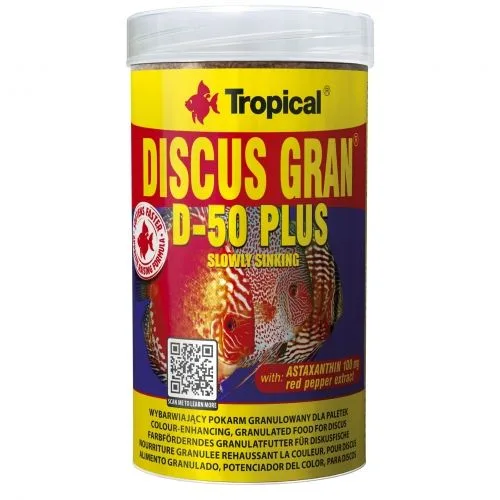
Granulated Food for Discus, Tropical, Discus Gran D-50 Plus, 44 g/100 ml
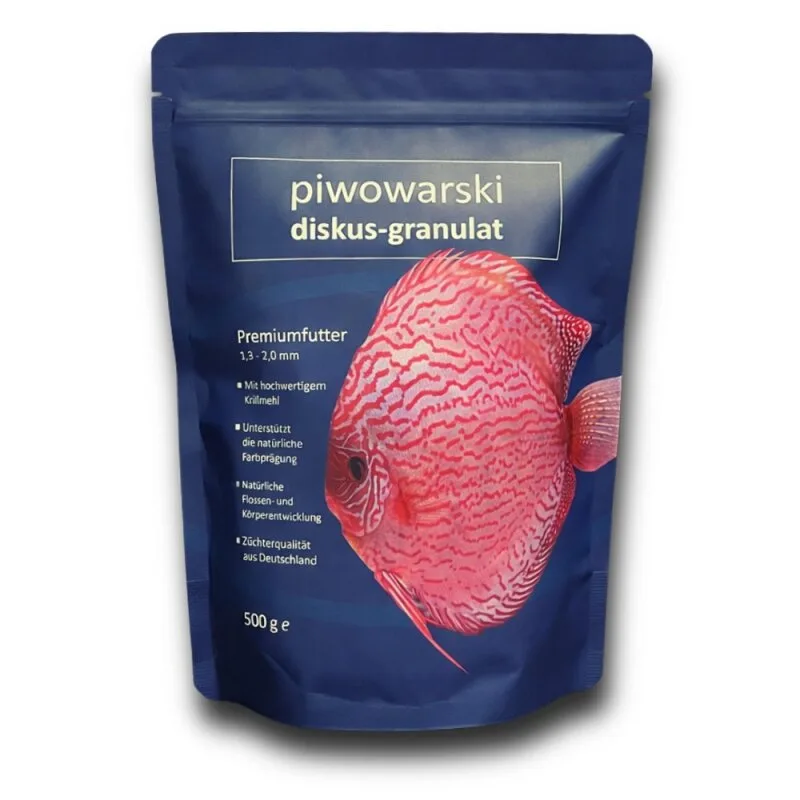
Discus Fish Granules - Piwo - granules 1.3–2 mm - 500g

Hikari Discus Bio Gold 80 g
Catappa Leaves, Sera Catappa Leaves - M

Bacteria Culture Additive, Seachem Stability, 1 L

Aqua Medic Premium Line Reverse Osmosis System

ARKA AQUATICS myAQUA 1900 Reverse Osmosis System

ARKA myAqua380 Reverse Osmosis System

Seachem Stability - Aquarium Biological Stabilizer 250 ml