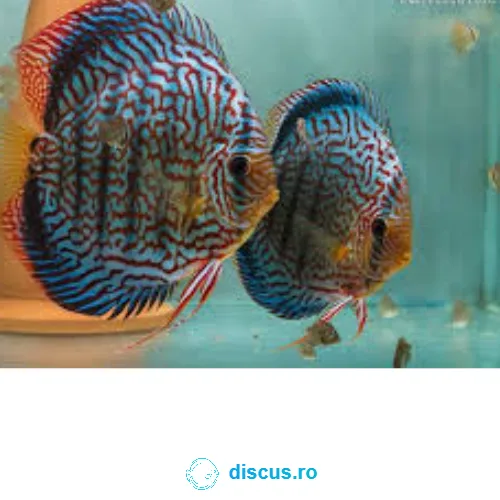
Maze Turquoise
Symphysodon sp.
Description
The Maze Turquoise variety is a captivating selection of the Symphysodon genus, noted for its intense coloration and unique pattern. These fish are distinguished by turquoise stripes that form a complex, labyrinth-like design extending across the entire body. Each specimen is unique, presenting a pattern that evolves as the fish reaches maturity. They offer a spectacular visual appeal in planted or display aquariums, being highly prized by discus enthusiasts worldwide for their striking and intricate appearance.
🌍 Origin & History
Maze Turquoise was developed through rigorous selective breeding applied to classic Red and Blue Turquoise lines. This variety does not originate from the wild but is the result of breeders' efforts to isolate and enhance irregular striping traits. Through successive crosses, the labyrinthine look was stabilized, where turquoise stripes branch and connect in an unpredictable manner, providing a distinct identity compared to traditional turquoise varieties that exhibit straighter, more uniform horizontal lines.
Appearance
Maze Turquoise specimens possess a robust, brownish-red body overlaid with a bright turquoise labyrinth-like pattern. The stripes are not straight but branch, connect, and create a complex network, unique to each fish. The eyes are a vibrant red, providing a strong visual contrast. The fins are often decorated with turquoise dots or lines, harmonizing with the pattern on the flanks. The adult size reaches 14–18 cm, and health status is reflected in color saturation and the intense clarity of the turquoise design.
🧬 Genetic background
Genetically, Maze Turquoise derives from the Turquoise gene but displays a specific phenotypic expression of the stripes. The labyrinth pattern results from selection for irregular pigment layout, where genes responsible for horizontal stripes are modified. This trait is polygenic, which explains why offspring can show considerable variations in pattern complexity. Careful selection of breeding pairs is necessary to maintain the quality and clarity of the labyrinth design in subsequent generations.
Recommended water parameters
Care
Care requires maintaining temperatures between 28–30 °C and a pH between 6–7. They are schooling fish, needing groups of at least 6 to reduce stress. Water changes should be performed weekly at 25-30% to prevent nitrate buildup. Diet must be varied, including frozen food, beef heart mixes, and high-quality pellets. They are compatible with calm, small-sized fish, such as tetras, avoiding aggressive species that could damage their delicate fins or cause unnecessary stress.
Breeding
Breeding is relatively easy but requires a mature pair and a dedicated spawning tank. The key factor is water quality and protein-rich food to stimulate spawning. Since the labyrinth trait is variable, offspring may show different patterns, requiring rigorous selection to perpetuate aesthetic quality. Parents are responsible for caring for the fry, secreting a nourishing mucus necessary in the first weeks of life, which facilitates spawning success and the harmonious growth of the new generation of discus.
💡 Practical tips
- →The pattern is unique per specimen.
- →Stable temperature prevents diseases.
- →Water quality determines color.
- →Varied food supports growth.
- →Maintain groups of at least 6.
- →Observe behavior for signs.
Related guides
Articles relevant to you
Useful tools
Quick aquarium calculators
Other varieties in the Turquoise / Blue group
Products for this variety
Filters, food, tests and treatments for discus
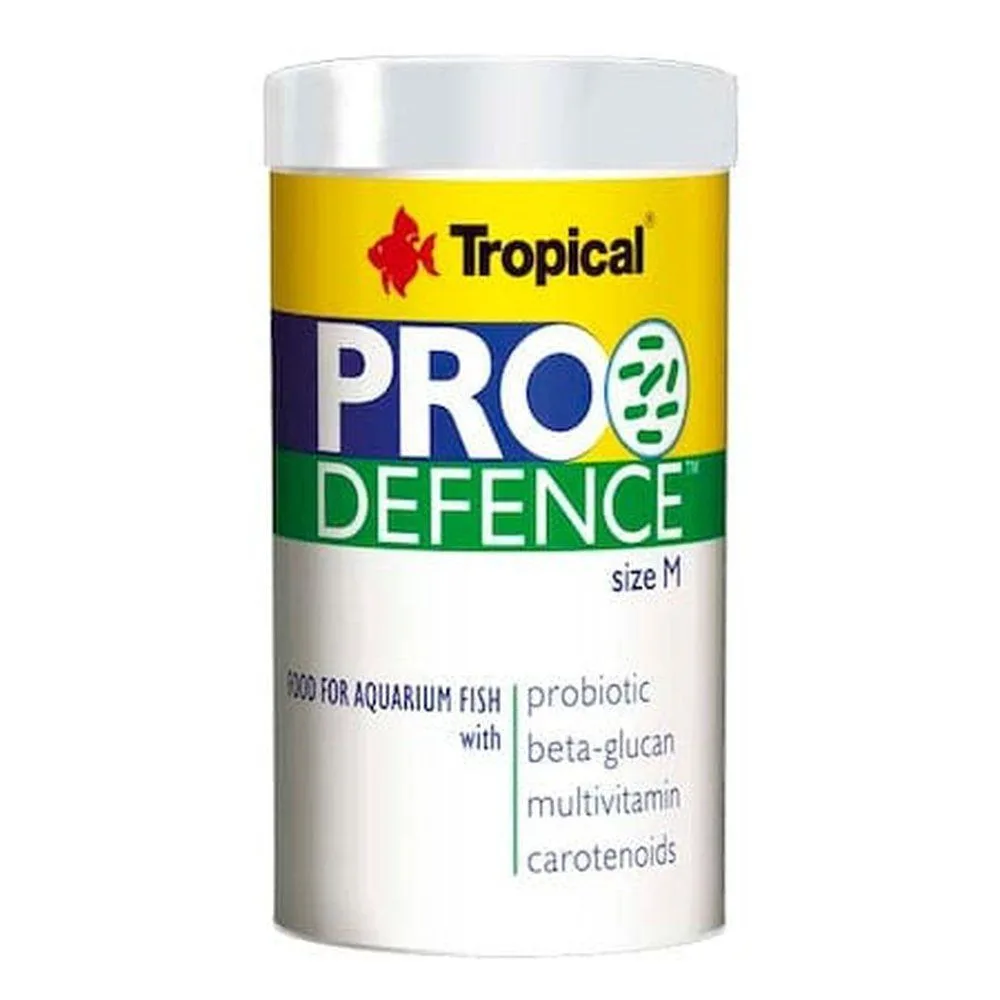
Granulated Probiotic Food for Freshwater Fish, Tropical ProDefence M, 44g/100 ml
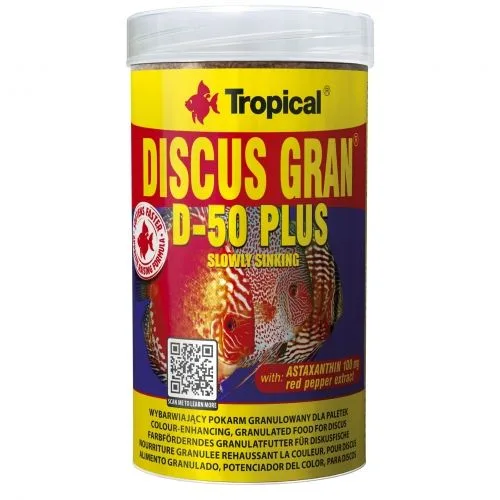
Granulated Food for Discus, Tropical, Discus Gran D-50 Plus, 44 g/100 ml
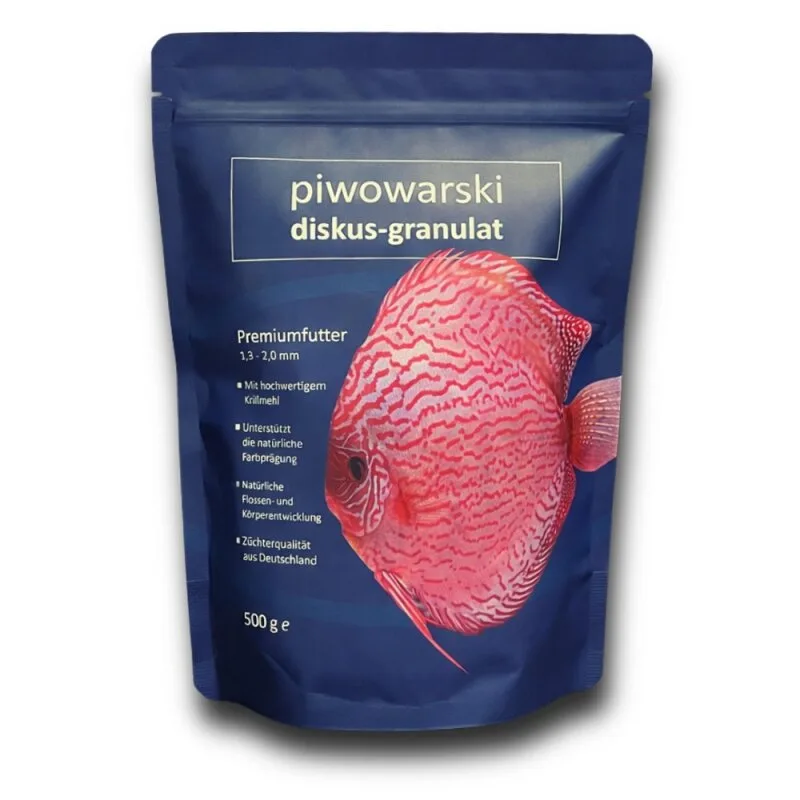
Discus Fish Granules - Piwo - granules 1.3–2 mm - 500g

Hikari Discus Bio Gold 80 g
Catappa Leaves, Sera Catappa Leaves - M

Bacteria Culture Additive, Seachem Stability, 1 L

Aqua Medic Premium Line Reverse Osmosis System

ARKA AQUATICS myAQUA 1900 Reverse Osmosis System

ARKA myAqua380 Reverse Osmosis System

Seachem Stability - Aquarium Biological Stabilizer 250 ml