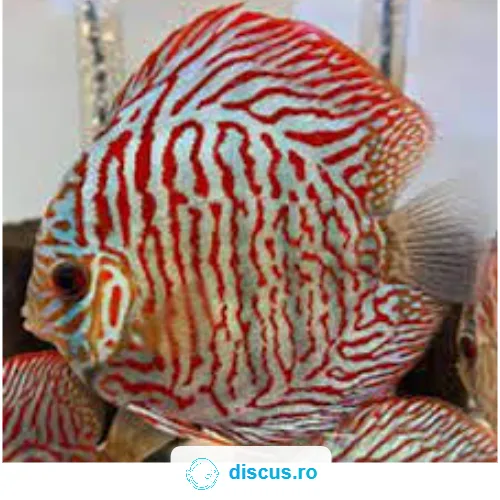
Red Tiger Turquoise
Symphysodon sp.
Description
The Red Tiger Turquoise variety represents an impressive selection within the Turquoise group, distinguished by wide, well-defined turquoise vertical stripes set against a deep red background. This fish offers a dramatic visual contrast, being one of the most appreciated discus for exhibition tanks. Due to its vibrant coloration and complex pattern, the Red Tiger Turquoise catches the eye in any setting, being a robust and healthy specimen that reflects the success of rigorous genetic selection among breeders dedicated to perfecting this fascinating species of Amazonian cichlid.
🌍 Origin & History
The Red Tiger Turquoise originates from the careful selection of classic Red Turquoise specimens, aiming to amplify the width of the turquoise stripes. This line was developed through successive crossings to highlight 'tiger' traits, meaning wide, interrupted or continuous stripes that traverse the body. It does not stem from a single geographical source but is the result of sustained efforts by breeders in Asia and Europe to diversify the aesthetic appearance of these spectacular cichlids through the manipulation of natural phenotypic traits.
Appearance
The Red Tiger Turquoise features a round body, typical of the species, covered in a bright red coloration that serves as a canvas for the thick turquoise stripes. These stripes, often called 'tiger' due to their striking appearance, create a powerful visual contrast. The eyes are red, adding a touch of elegance. The dorsal and anal fins are richly colored, continuing the pattern of turquoise stripes or spots, giving the fish a royal appearance. Adult sizes range between 14 and 18 centimeters, becoming the centerpiece of any community-type aquarium.
🧬 Genetic background
The genetics of this fish are based on the Red Turquoise line, improved through phenotypic selection to fix the wide stripe pattern. The transmission of these characteristics is stable, but requires rigorous selection to maintain the intensity of the red background and the contrast with the turquoise stripes. Although it does not involve radical mutations, the genetic heritage implies a careful dosage of red pigmentation and the metallic sheen of the turquoise to achieve the desired uniformity in successive generations.
Recommended water parameters
Care
Care requires an aquarium of at least 250 liters, maintaining a temperature between 28–30°C and a pH of 6–7. Water changes are vital, with 20-30% weekly recommended to keep nitrates at minimum levels. The diet must be varied: frozen food, quality pellets, and brine shrimp. They are calm but hierarchical fish, being happier in groups of at least 6 individuals. Compatible with peaceful small or medium-sized species, such as tetras or corydoras, that can withstand the same water parameters. Avoid overcrowding.
Breeding
Breeding is considered relatively easy for an experienced aquarist. The pair lays eggs on a flat surface or a breeding cone. After hatching, the fry are cared for by both parents, feeding initially on the mucus secreted from their skin. Water quality is critical during the fry growth period. It is recommended to carefully monitor the parents' behavior to avoid excessive stress during the spawning period, providing privacy and optimal conditions for hatching success.
💡 Practical tips
- →Keep the temperature constant at 29 degrees
- →Ensure very strong biological filtration
- →Feed the fish 3-4 times per day
- →Avoid stress with rich plant decor
- →Monitor water pH constantly on a weekly basis
- →Social groups reduce intra-specific aggression
Related guides
Articles relevant to you
Useful tools
Quick aquarium calculators
Other varieties in the Turquoise / Blue group
Products for this variety
Filters, food, tests and treatments for discus
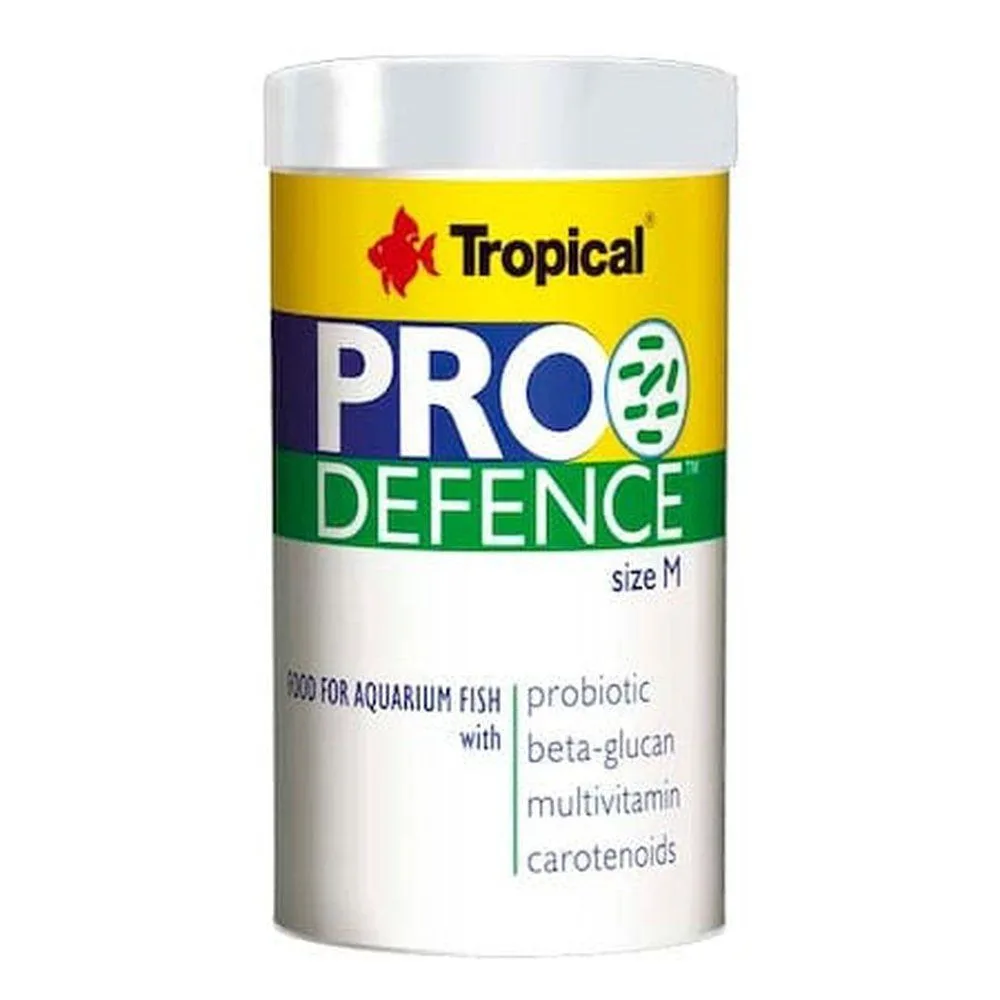
Granulated Probiotic Food for Freshwater Fish, Tropical ProDefence M, 44g/100 ml
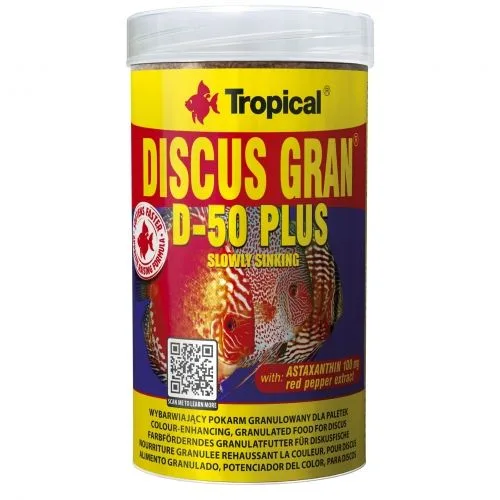
Granulated Food for Discus, Tropical, Discus Gran D-50 Plus, 44 g/100 ml
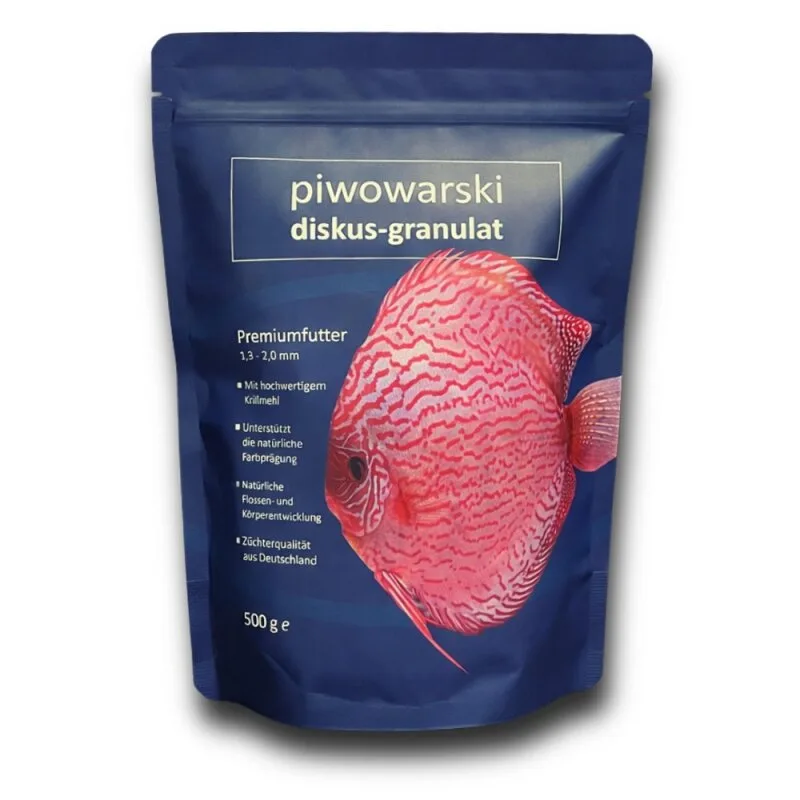
Discus Fish Granules - Piwo - granules 1.3–2 mm - 500g

Hikari Discus Bio Gold 80 g
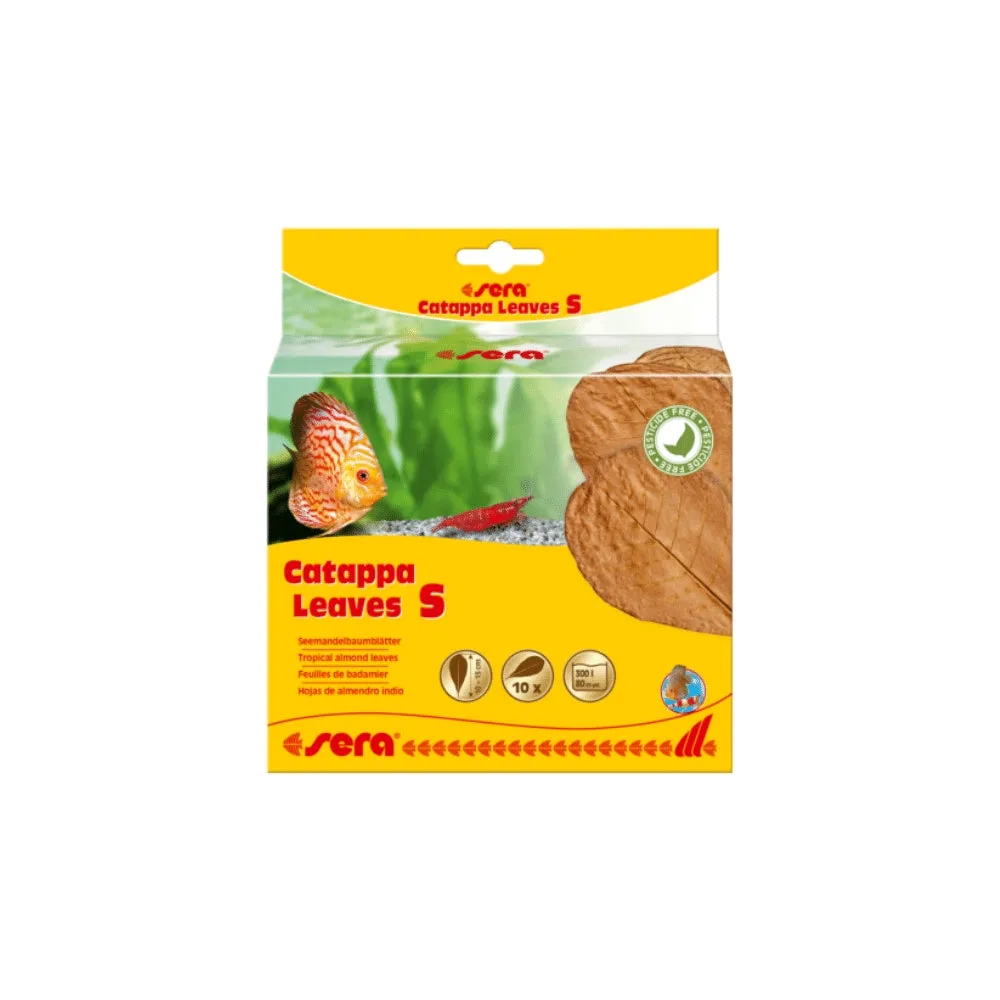
Catappa Leaves, Sera Catappa Leaves - M

Bacteria Culture Additive, Seachem Stability, 1 L

Aqua Medic Premium Line Reverse Osmosis System

ARKA AQUATICS myAQUA 1900 Reverse Osmosis System

ARKA myAqua380 Reverse Osmosis System

Seachem Stability - Aquarium Biological Stabilizer 250 ml