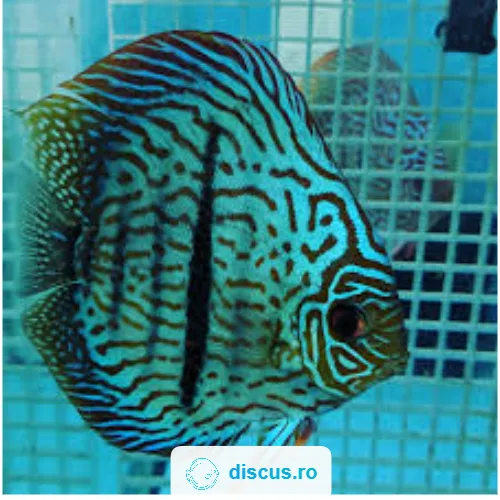
Heckle Turquoise
Symphysodon discus × S. aequifasciatus
Description
Heckel Turquoise is a fascinating hybrid variety that combines the distinctive look of the wild Symphysodon discus with the intense brilliance of domestic turquoise lines. This variety is highly valued by breeders for the strong visual contrast between the vertical central bar, inherited from the Heckel progenitor, and the vibrant, complex turquoise chromatic pattern typical of domestic forms. It is a complex fish that captivates the eye by blending primitive jungle traits with the aesthetic elegance of modern aquarium selections, providing an imposing presence in any well-maintained aquarium collection.
🌍 Origin & History
This variety originates from the selective crossing of the wild Heckel discus (Symphysodon discus), native to the Rio Negro basin, with domestic Turquoise lines. The goal of this genetic endeavor was to integrate the hardiness and wild appearance, characterized by the presence of the fifth central bar, into the morphological and color framework of captive-bred varieties, while preserving the visual integrity of the original specimens from the natural Amazonian environment.
Appearance
Heckel Turquoise stands out with a slightly more oval and slender body than pure domestic varieties. The main feature is the pronounced vertical central bar, which crosses the body at the eye, being constantly visible. On this background, metallic and bright horizontal turquoise lines develop, which can cover a large part of the body. The eyes are usually red, contrasting with the blue and brownish-gray hues of the body. The fins are often bordered with bluish edges, completing the noble and unusual look of this spectacular hybrid.
🧬 Genetic background
The genetics of this hybrid are based on combining the Symphysodon discus genome with domestic Turquoise varieties. The dominant and defining trait is the transmission of the gene for the 5th bar, which remains visible and pronounced regardless of stress levels or environment, unlike other domestic varieties where stress bars are less obvious or absent.
Recommended water parameters
Care
Care requires very stable water conditions: pH between 5.5 and 6.5 and temperatures between 29-31°C. Soft water (TDS below 150) is necessary to avoid health issues. Water changes must be regular, 20-30% weekly. A varied diet with live, frozen, and high-quality pellet food is recommended. The species is peaceful but shy, requiring calm tank mates such as tetras or corydoras. Providing an environment with many hiding places is essential for reducing stress and maintaining vibrant coloration.
Breeding
Breeding is considered difficult, being a challenge even for experienced breeders. Because they are hybrids, fertility can be partially affected, and spawning requires extremely precise environmental conditions, similar to those in the Rio Negro. The success rate is significantly influenced by water quality and pair compatibility. Patience and close monitoring of spawning behavior are necessary to ensure the survival of fry, which need specific food in the early stages of development.
💡 Practical tips
- →Keep the temperature between 29-31°C constant
- →Use soft water with TDS below 150
- →The central bar indicates general status
- →Feed a varied diet for intense colors
- →Provide hiding spots to reduce shyness
- →Monitor pH between 5.5 and 6.5
Related guides
Articles relevant to you
Useful tools
Quick aquarium calculators
Other varieties in the Turquoise / Blue group
Products for this variety
Filters, food, tests and treatments for discus
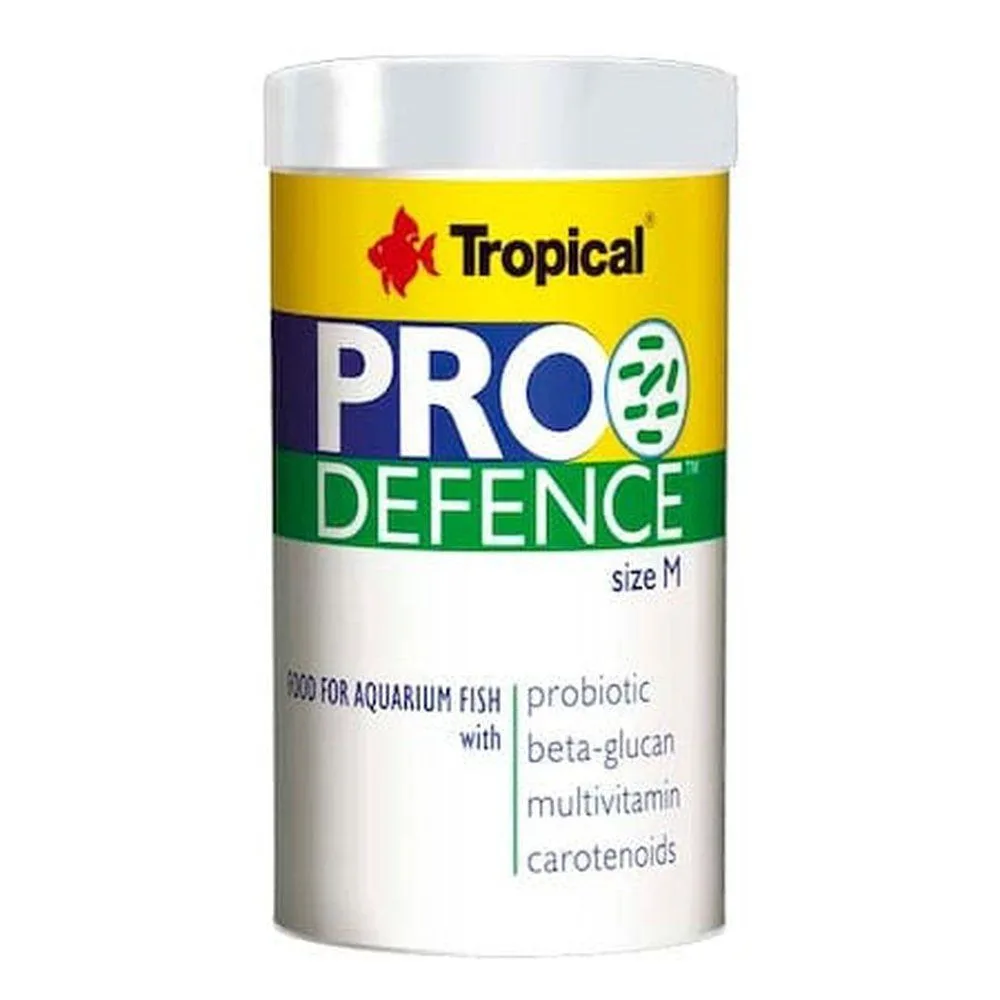
Granulated Probiotic Food for Freshwater Fish, Tropical ProDefence M, 44g/100 ml
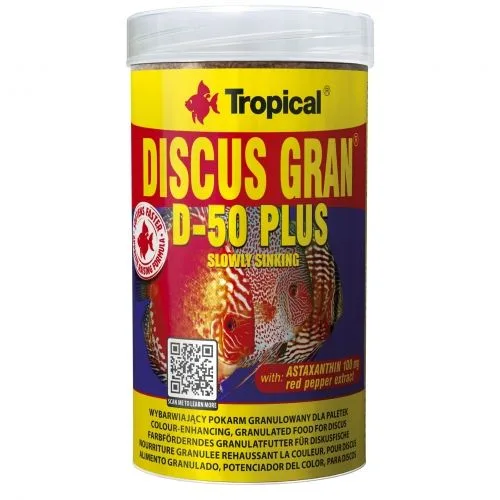
Granulated Food for Discus, Tropical, Discus Gran D-50 Plus, 44 g/100 ml
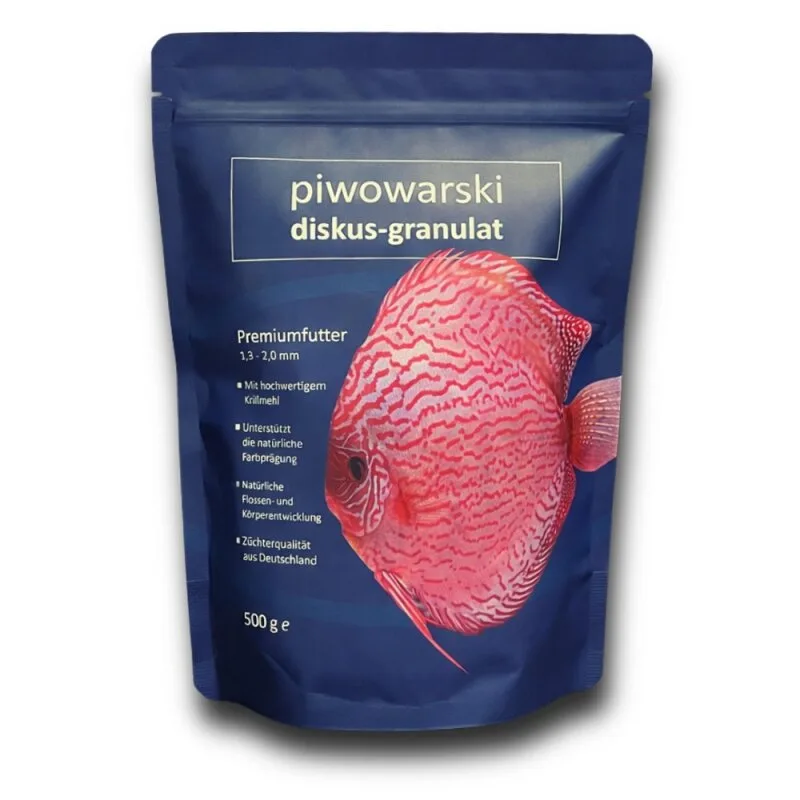
Discus Fish Granules - Piwo - granules 1.3–2 mm - 500g

Hikari Discus Bio Gold 80 g
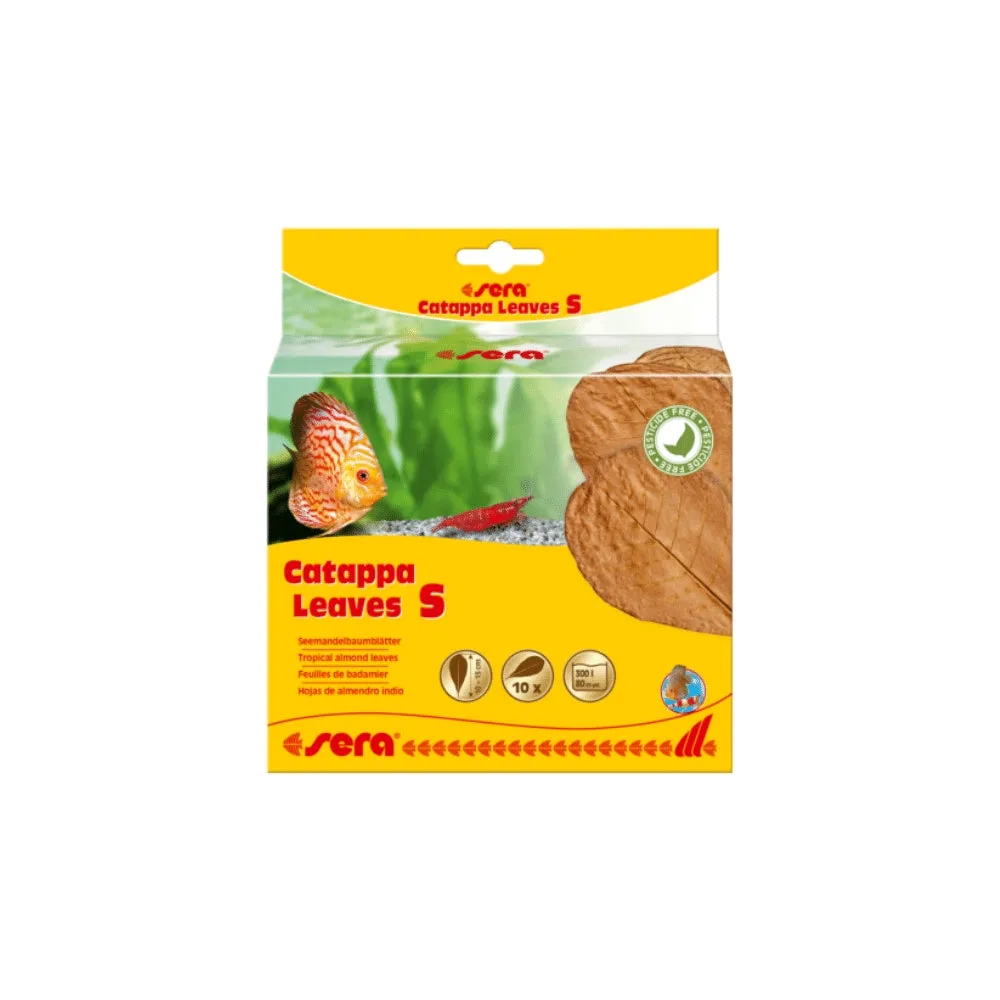
Catappa Leaves, Sera Catappa Leaves - M

Bacteria Culture Additive, Seachem Stability, 1 L

Aqua Medic Premium Line Reverse Osmosis System

ARKA AQUATICS myAQUA 1900 Reverse Osmosis System

ARKA myAqua380 Reverse Osmosis System

Seachem Stability - Aquarium Biological Stabilizer 250 ml