Why Discus Won't Grow: Inhibiting Hormones and 5 Other Growth Stunting Causes
Large discus inhibit the growth of smaller ones through hormones released into the water. Here are 6 causes of stunted growth and how to fix them.
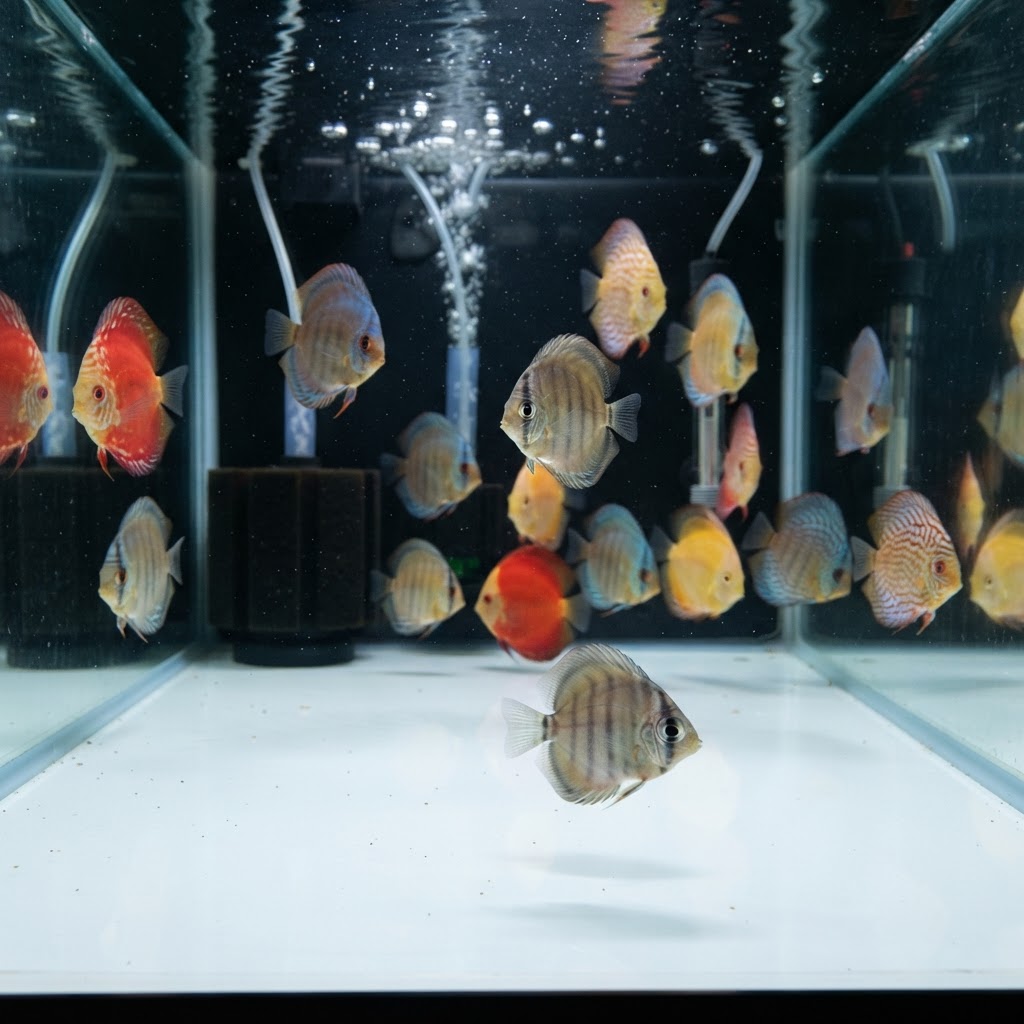
Quick summary
- Large discus release hormones into the water that inhibit the growth of smaller individuals, often through a shared central system.
- Do not mix sizes with a difference greater than 4–5 cm; separate juveniles from adults.
- Juveniles require 30–50% daily water changes, 4–6 high-protein meals per day, and a temperature of 30–31°C.
- White feces and weight loss indicate internal parasites that stop growth.
- Growth is determined in the first year; a stunted 'owl' discus will not recover its size.
In short
- The #1, often ignored cause: large discus release substances into the water that inhibit the growth of smaller ones. Small + large in the same tank (or on the same central system) = the small ones get stunted.
- Golden rule: do not mix sizes with a difference of more than 4–5 cm (1.5–2 inches) and buy discus of the same size.
- Juveniles grow from water and food: 30–50% daily water changes, 4–6 protein-rich meals per day, temperature of 30–31°C (86–88°F).
- The window matters: growth is decided in the first year. A stunted discus ("owl": small body, large eyes) never regains its lost size.
How much should a discus grow?
The benchmark is the Stendker farm table for discus raised in optimal conditions, measured with the tail. Discus are fully grown at 2–2.5 years. At home the values are usually a little lower, and variety and genetic line matter; the warning sign is the last column (about 80% of the benchmark).
| Age | Optimal benchmark (total length, with tail) | Delayed growth signal |
|---|---|---|
| 3 months | 6 cm (2.4 in) | under 5 cm (2 in) |
| 4 months | 8 cm (3.1 in) | under 6.5 cm (2.6 in) |
| 6 months | 10 cm (3.9 in) | under 8 cm (3.1 in) |
| 9 months | 12 cm (4.7 in) | under 9.5 cm (3.7 in) |
| 12 months | 14 cm (5.5 in) | under 11 cm (4.3 in) |
| 18 months | 15 cm (5.9 in) | under 12 cm (4.7 in) |
| 24 months | 17 cm (6.7 in) | under 13.5 cm (5.3 in) |
If your discus are below the threshold in the last column or have stopped growing for 4–6 weeks, one of the causes below is almost certainly active. After 2 years growth is practically over: extra food no longer recovers size, it only fattens the fish and fouls the water.
In My Aquarium you can enter the estimated age of each discus group: the app compares their size with this table and warns you when the fish have fallen behind.
Cause #1: growth-inhibiting hormones
This is the most underestimated cause. From the experience of the Jack Wattley hatchery (explained by Gabe Posada): large discus secrete growth-inhibiting hormones into the water. It is a natural mechanism by which dominant fish maintain their status and suppress their rivals.
Practical consequences:
- Do not put small discus with adults, even if the smaller ones are cheaper. The small ones will not grow normally.
- Common central systems have the same problem: hormones circulate through the water, so tanks connected to the same filtration affect each other.
- Want small fry? Keep them in a separate tank until they reach near-adult size.
- For large batches of fry, sort by size monthly. The larger ones hold back the others. See sorting and selecting fry.
⚠️ Fry that stay on the parents' flanks in the first weeks are not affected. But if you keep them too long with the parents after they are eating on their own, they will get stunted too.
Cause #2: too few water changes
The same inhibitory substances and nitrates accumulate in the water. The only real way to remove them is dilution.
- Juveniles: 30–50% daily water changes (serious breeders do even more).
- Adults: 30–50% per week, 1–2 times.
- Keep nitrates below 20 mg/L. Above this value, growth noticeably slows down.
Details in the guide how often to change discus water.
Cause #3: insufficient feeding
A juvenile has a small stomach and a fast metabolism. Two meals a day are not enough.
- 4–6 small meals per day for juveniles, 2–3 for adults.
- High protein: beef heart, brine shrimp, quality growth pellets.
- Siphon leftovers 30 minutes after feeding. Forgotten food pollutes the exact water they need to grow.
You can find a concrete model in the feeding schedule.
Cause #4: temperature too low
At 27–28°C (80–82°F), juveniles eat less and grow slower. For grow-out, breeders use 30–31°C (86–88°F): faster metabolism, greater appetite. See also the grow-out guide for juveniles.
Cause #5: internal parasites
A discus that eats well but doesn't grow may be "feeding" parasites. Signs:
- white, stringy feces;
- weight loss, forehead that becomes "pinched," dark colors;
- refusal of food.
Read internal worms in discus and Hexamita. If you feed with frozen bloodworms, breeders recommend periodic preventive deworming.
Cause #6: too little space or overcrowding
Too many fish in too few liters (gallons) means more inhibitors, more nitrates, and more stress. Check the density with the stocking calculator.
Quick Diagnosis
| Observation | Probable cause | Action |
|---|---|---|
| Small ones stagnate near large ones | Inhibiting hormones | Sort by size |
| Everyone grows slowly, eats well | Water (nitrates, rare changes) | Large daily changes |
| Eats little, is sluggish | Low temperature / poor food | 30–31°C, 4–6 protein meals |
| White feces, weight loss | Internal parasites | Diagnosis + treatment |
| Large eyes, small body | Old stunting | Prevention for next batch |
Can a stunted discus recover?
Only partially. If the problem is caught early (first few months) and corrected, the discus resumes growth. However, a specimen that has become an "owl" (body stopped, eyes continued to grow) has lost its potential forever. Even if it "catches up" by a few centimeters, it will never reach the size it could have achieved. That is why prevention in the first year matters more than any supplement.
Growth Checklist
- ☐ All discus in the tank are the same size (difference below 4–5 cm / 1.5–2 inches)
- ☐ Juveniles do not share water (or central systems) with adults
- ☐ 30–50% daily changes for juveniles
- ☐ Nitrates below 20 mg/L
- ☐ 4–6 meals per day, rich in protein
- ☐ 30–31°C (86–88°F) temperature during the growth period
- ☐ No signs of white feces
- ☐ Monthly size sorting for large batches
Keep reading
Recommended products
Picked from the shop based on what you just read
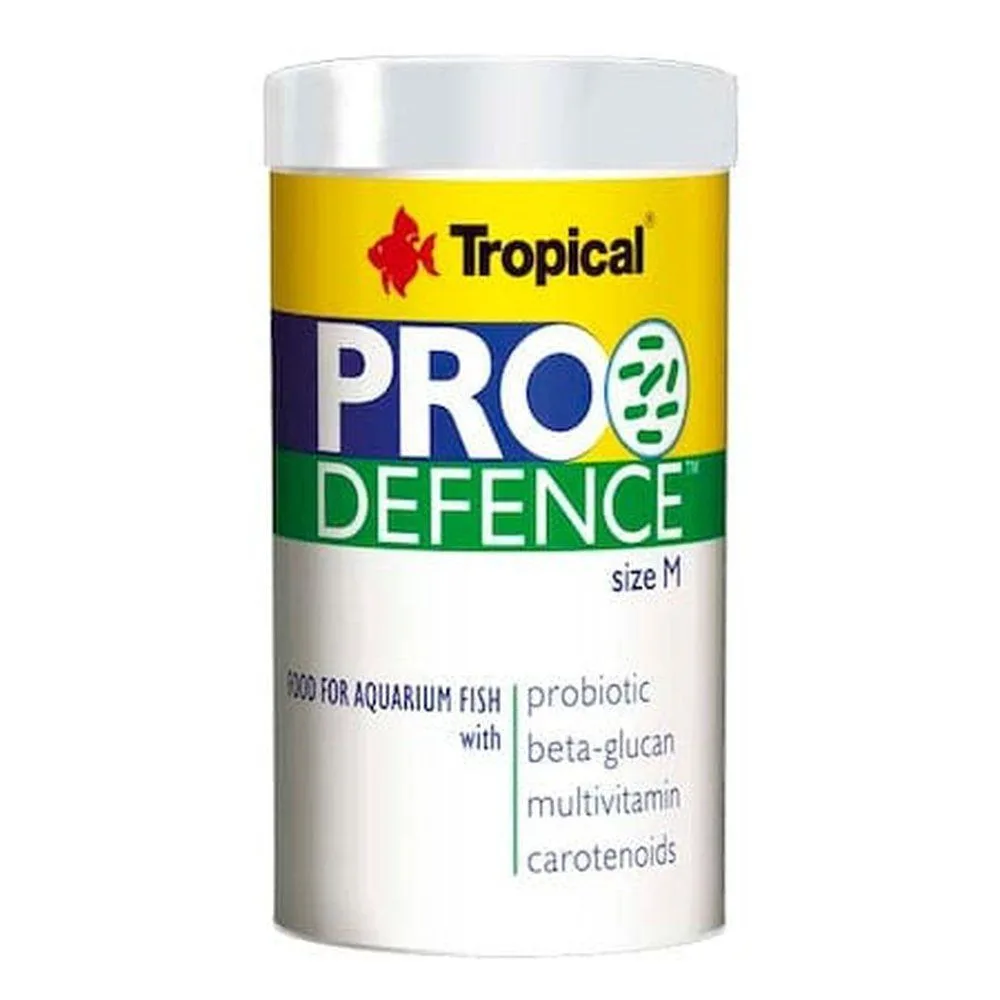
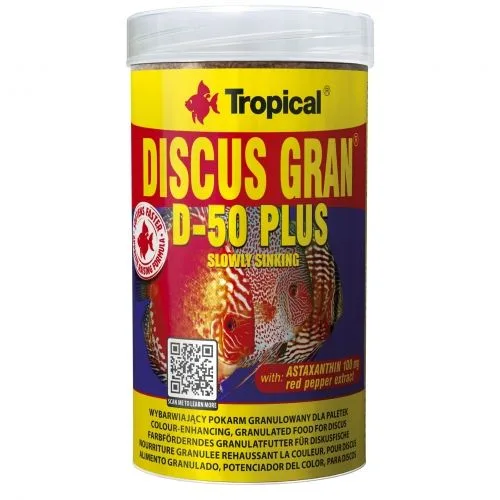
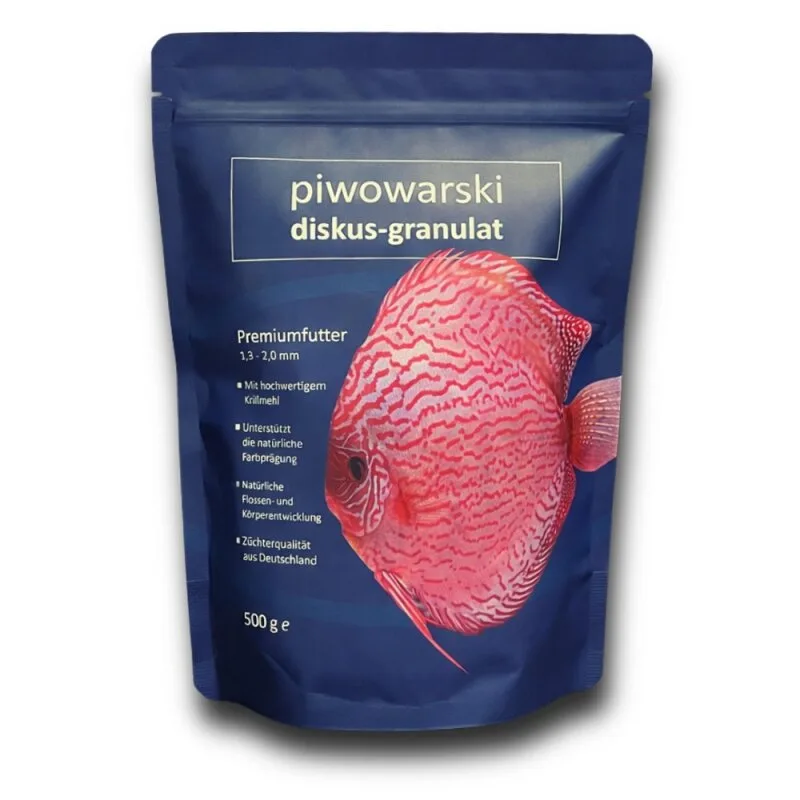

Recommendations are selected from the discus.ro shop based on this guide's topic. Availability and prices may vary.
Frequently asked questions
Put what you just read into practice
One account brings together everything you need to keep your tank on track:
Water parameters, inhabitants, photos and the full history of every change — our most used tool.
Water changes, cleaning and feeding, on your own dates.
See at a glance which values fall outside the safe discus range.
The guides, products and listings you follow, saved in one place.