Discus fry water quality: parameters and 30–50% daily changes
A complete guide to water quality for discus fry in the first 3 months — specific parameters (temp 30–31°C, 30–50% daily changes), ammonia sensitivity 3x higher than adults, siphoning without sucking up fry, and the transition to adult parameters.
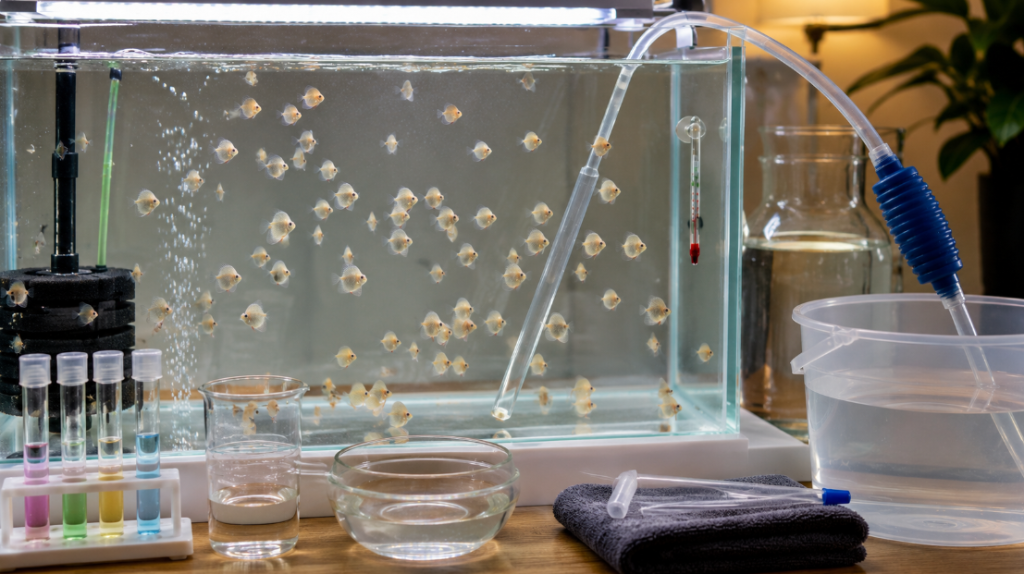
Quick summary
- Fry are ~3x more sensitive to ammonia than adults — even 0.02 ppm can stunt growth
- Higher temperature than adults: 30–31°C (86–88°F) drives maximum growth
- MASSIVE DAILY water changes: 50%/day in weeks 1–4, tapering as the fry mature
- Neutral pH 6.8–7.2 grows fry better than the acidic 6.0–6.5 used for breeding
- Bare-bottom + sponge filter mandatory — an external filter's suction kills small fry
- Any parameter change = max 10% per week; abrupt swings cause stress and disease
Water quality for discus fry — different from adults
Water quality for discus fry (Symphysodon spp.) is not the same as for adults — fry are 3 times more sensitive to ammonia, need higher temperatures (30–31°C / 86–88°F vs 28–30°C / 82–86°F for adults), tolerate higher TDS (150–200 ppm vs 100–200 for adults) and require MASSIVE, DAILY water changes (30–50% / day vs 2–3x a week for adults). This difference comes from the fry's accelerated metabolism (they grow fast, produce a lot of ammonia), immature gills (less efficient at filtering toxins) and a high oxygen demand. A single day with unchanged water can stall growth or cause losses. This guide shows you the exact parameters, the change protocol and how to siphon without sucking up the fry.
Why fry are more sensitive than adults
Key biological differences:
| Aspect | Fry (under 5 cm / 2 in) | Adults (over 10 cm / 4 in) |
|---|---|---|
| Gill surface / body volume | Large (growing fast) | Small (proportionally) |
| Ammonia sensitivity | 0.02 ppm = stress | 0.05 ppm = stress |
| Metabolism | Very fast | Normal |
| Oxygen demand | 8 mg/L optimal | 6 mg/L optimal |
| pH fluctuation tolerance | ±0.2 max | ±0.3 max |
| Temperature fluctuation tolerance | ±0.5°C (±0.9°F) | ±1°C (±1.8°F) |
| Ammonia production (per gram of body) | 3x higher | Normal |
Practical consequences:
- A 2 cm (0.8 in) fry reportedly produces 3x more ammonia than an adult — 50 fry in a 100L (26 US gal) tank = as much ammonia as 10 adults in a 250L (66 US gal)
- The smaller gills can't filter accumulated toxins efficiently
- One day without a water change can be enough for poisoning
Optimal parameters for fry — full table
| Parameter | Weeks 1–4 | Weeks 5–8 | Weeks 9–12 | Adults (reference) |
|---|---|---|---|---|
| Temperature | 30–31°C / 86–88°F | 30°C / 86°F | 29–30°C / 84–86°F | 28–30°C / 82–86°F |
| pH | 6.8–7.2 | 6.5–7.0 | 6.5–7.0 | 6.0–6.8 |
| TDS | 150–200 ppm | 150–200 ppm | 150–200 ppm | 100–200 ppm |
| KH | 3–5 dKH | 3–5 dKH | 3–4 dKH | 2–5 dKH |
| GH | 4–8 dGH | 4–8 dGH | 3–6 dGH | 3–8 dGH |
| Ammonia | 0 ppm MANDATORY | 0 ppm | 0 ppm | 0 ppm |
| Nitrite | 0 ppm MANDATORY | 0 ppm | 0 ppm | 0 ppm |
| Nitrate | <5 ppm | <10 ppm | <10 ppm | <10 ppm |
| Dissolved oxygen | >7 mg/L | >7 mg/L | >6 mg/L | >6 mg/L |
Why pH 6.8–7.2 (not 6.0–6.5 like for breeding)
Surprising to many breeders: fry grow better at neutral pH (6.8–7.0) than at acidic pH (6.0–6.5).
Reasons:
- Calcium ions more available at neutral pH → healthier bones and scales
- More active beneficial bacteria → the nitrogen cycle works better
- Reduced stress when the fry are transferred to a separate tank (usually a higher pH)
- Food better digested — their enzymes prefer a neutral pH
Exception: if the fry are still with the parents in the breeding tank (pH 5.8–6.5), don't change the parameters abruptly. Start the transition when you separate them.
Water changes — the MANDATORY daily protocol
Weeks 1–4 — 50% / day changes
Yes, you read that right: half the volume, DAILY.
This is the standard practice of all professional breeders worldwide (Stendker, Forrest Discus, Wattley, Asian breeders). It's the reason their fry grow 2× faster than hobbyists'.
Why 50%:
- Quickly dilutes accumulated ammonia/nitrite
- Reduces growth-inhibiting hormones (released by the fry into the environment)
- Brings fresh water with high oxygen
- Stimulates growth (a scientifically demonstrated effect)
Daily steps:
-
Prepare the water (24h ahead, or directly with Prime):
- Dechlorinated water (Seachem Prime 1 ml / 40L)
- Warmed to the same temperature ±0.5°C (±0.9°F)
- Identical parameters (TDS, pH ±0.2)
-
Siphon the bottom (5–10 min):
- A thin siphon (5–8 mm / 0.2–0.3 in diameter) — see the "Siphoning without sucking up fry" section
- Suck up food leftovers, feces, brine shrimp shells
- Stop when you've removed 50% of the volume
-
Add fresh water (5 min):
- Pour SLOWLY down the tank wall
- Use a bucket or a hose with a tap
- NO direct jet over the fry
-
Check:
- A quick ammonia + nitrite test (JBL quick strips)
- Observe fry behavior for 30 min
Frequency: daily, in the same time window (e.g., 17:00 after the last main meal).
Weeks 5–8 — 30–40% / day changes
Bigger fry produce more ammonia, but the gills are more mature and the biological tank more stable.
Steps: identical to weeks 1–4, but 30–40% of the volume.
Weeks 9–12 — 30% / 2 days
The transition to the adult regime.
| Frequency | Amount |
|---|---|
| Every 2 days | 30% of the volume |
Siphoning without sucking up the fry — a step-by-step technique
The biggest fear of beginner breeders: "I'm going to suck up my fry with the siphon."
Practical solutions:
1. A thin siphon with protection
- Internal diameter 5–8 mm (0.2–0.3 in) (NOT the classic 12 mm / 0.5 in)
- A fine 200-micron mesh attached with a rubber band to the suction end
- The mesh lets the residue through, but NOT the fry
- Available: JBL Aqua-In-Out thin (~€15) or DIY with aquarium hose + mesh
2. The "stop and go" technique
- Bring the siphon near the bottom without touching it
- Start the suction (gravity or a small pump)
- Move slowly sideways — the siphon "sweeps" the residue
- When you see a fry approaching → pull the siphon away 5 cm (2 in) and wait
- Resume after the fry has moved away
3. Pre-gathering the residue
Before siphoning:
- Turn off the sponge filter for 2 min → the residue falls to the bottom in a central area
- Siphon that "pile" quickly — a lot of residue in little time
4. Bare-bottom tank + dark base
The standard setup for a fry grow-out tank:
- No substrate (see Discus substrate)
- A base painted black/brown — the fry aren't scared by reflections
- Siphoning becomes trivial (you see everything, the siphon reaches easily)
Mistakes to avoid when siphoning
❌ A siphon with a strong jet (with a large electric pump) — too much suction ❌ Abrupt movements — they scare the fry, who flee toward the siphon ❌ Strong light during siphoning — the fry hide in corners you can't reach ❌ Siphoning after feeding — the fry are still agitated and move chaotically
Temperature — 30–31°C and why it matters
Temperature is the engine of fry growth.
| Temperature | Effect |
|---|---|
| 32°C / 90°F | Dangerous (O2 deficit, heat stress) |
| 30–31°C / 86–88°F | OPTIMAL — maximum growth |
| 29°C / 84°F | Good growth (acceptable) |
| 28°C / 82°F | Slow (acceptable for transition) |
| 27°C / 81°F | Stalled, weak immune system |
| <26°C / <79°F | Hexamita activates, mortality |
Why 30–31°C:
- Maximum metabolism → maximum food intake → maximum growth
- Efficient digestive enzymes → 95%+ nutrient assimilation
- Inhibits pathogens (Hexamita, bacterial gill disease)
- Stimulates a constant appetite (the fry beg for food)
Mandatory equipment:
- 2× 100W heaters with a ±0.5°C (±0.9°F) thermostat (for safety)
- A digital thermometer (NOT analog)
- Power outage? → a heater on a UPS or a blanket over the tank
Oxygenation — critical for fry
Water at 30–31°C (86–88°F) holds 20% less oxygen than at 25°C (77°F). At the same time, the fry consume more oxygen than adults (fast metabolism).
Solutions:
- An air pump + air stone — essential 24/7
- 2 aeration points (in opposite corners) — uniform circulation
- An active sponge filter — it also produces aeration through bubbles
- An agitated water surface — optimal gas exchange
⚠️ Caution: aeration NOT directed at the fry (a strong current = stress). Large, gentle, dispersed bubbles.
Ammonia sensitivity — 3x higher than adults
| Ammonia level | Adults | Fry |
|---|---|---|
| 0 ppm | Optimal | Optimal |
| 0.02 ppm | OK | Stress begins |
| 0.05 ppm | Mild stress | Inflamed gills |
| 0.1 ppm | Moderate stress | Gill hemorrhages |
| 0.25 ppm | Toxic | Partial mortality |
| 0.5 ppm | Mortality | Total mortality |
Conclusion: in fry, even 0.02 ppm ammonia (hard to detect with strips) can stall growth long-term.
How to prevent it:
- Daily 50% changes (already explained)
- Feeding in small portions (no leftovers)
- Siphon leftovers immediately (max 3 min after a meal)
- A mature biological filter — a sponge brought from an adult tank (pre-colonized)
- DON'T overstock — max 1 fry / 2L (0.5 US gal) of water (at 5–8 cm / 2–3 in)
Water testing — frequency for fry
| Test | Weeks 1–4 | Weeks 5–12 |
|---|---|---|
| Ammonia | Daily | Every 2 days |
| Nitrite | Daily | Every 2 days |
| pH | Every 2 days | Weekly |
| Temperature | Daily (visual) | Daily |
| Nitrate | Weekly | Weekly |
| KH/GH | Weekly | Every 2 weeks |
| TDS | Every 2 days (before a change) | Weekly |
Minimum recommended kit (orientation estimates, vary by country):
- API Freshwater Master (€35) — ammonia, nitrite, nitrate, pH
- JBL ProAquaTest Easy 7in1 (€15) — quick checks
- An HM Digital TDS meter (€12)
- A JBL digital thermometer (€15)
Total investment: ~€80. See how to test the water.
Transition to adult parameters
At 3 months, you begin the slow transition:
Weeks 13–16:
- Temperature: lower gradually to 29°C (84°F)
- pH: lower slightly to 6.5–7.0
- Changes: 30% every 2 days
Weeks 17–20:
- Temperature: 28–29°C (82–84°F)
- pH: 6.5
- Changes: 30% every 3 days
Weeks 21+:
- Adult parameters (28–30°C / 82–86°F, pH 6.0–6.8)
- Changes: 2–3x a week
Rule: any parameter change = max 10% per week. Too abrupt a transition causes stress and disease.
Fry grow-out tank — the ideal setup
Dimensions:
- 80 cm × 40 cm × 40 cm = 128 L (32×16×16 in = ~34 US gal) for 50 fry up to 4 cm (1.6 in)
- 100 × 40 × 50 = 200 L (39×16×20 in = ~53 US gal) for 50 fry up to 6–7 cm (2.4–2.8 in)
- 120 × 50 × 50 = 300 L (47×20×20 in = ~79 US gal) for 80–100 fry up to the juvenile stage
Equipment:
- Bare bottom (no substrate)
- A base painted black/brown
- 2× sponge filters (maximum safety, pre-colonized)
- 2× heaters (100W each)
- 2× air pumps + air stones
- A digital thermometer
- A simple LED lamp, medium intensity
- A lid is mandatory
Complete setup cost: €250–400 (an orientation estimate — varies by country).
Common mistakes (avoid!)
❌ "A water change once a week is enough" — for fry = a suspended growth sentence ❌ A 90% change at once to "clean up" — thermal + osmotic shock = mortality ❌ Fresh water 2°C colder — pneumonia, Ich ❌ NO dechlorination — chlorine kills the delicate gills ❌ Fine substrate for "aesthetics" — accumulates toxic residue ❌ An external filter with strong suction — sucks up the fry (a sponge filter is MANDATORY) ❌ Strong lights 12h/day — stress, algae, blocks growth ❌ Many decorative plants — they compete with the fry for oxygen at night
Daily fry-raiser checklist
✅ Water prepared for the change (24h ahead or with Prime) ✅ Temperature checked (30–31°C / 86–88°F) ✅ Ammonia + nitrite tested (daily in weeks 1–4) ✅ 50% siphoned + fresh water added ✅ Aerator + filter operation checked ✅ Fry behavior observed (all active?) ✅ Fed according to schedule (see Daily fry feeding) ✅ Leftovers siphoned after meals
Signs the water is OK (check visually)
✅ The fry swim actively in the mid-column ✅ Vivid colors, not pale ✅ Normal appetite at each meal ✅ Pale pink gills (not intense red or white) ✅ A full belly after meals, normal between meals ✅ Formed feces, brown/orange (not white, not thread-like) ✅ They grow steadily — 1.5 cm (0.6 in) at 4 weeks, 3 cm (1.2 in) at 8 weeks
Signs the water is NOT OK (act urgently)
⚠️ The fry stay at the surface gasping → low oxygen + ammonia ⚠️ They stay in a corner, isolated → moderate stress/disease ⚠️ They refuse food abruptly → toxins or temperature ⚠️ Red, inflamed gills → toxic ammonia ⚠️ Jumping toward the surface → critical oxygen ⚠️ Partial mortality → an urgent 70% water change + double Prime
Emergency — emergency kit:
- Seachem Prime (double the normal dose — neutralizes 1 ppm of ammonia)
- A 70% water change with prepared water
- Maximum aeration (all pumps on)
- Lower the temperature to 28°C (82°F) (more dissolved oxygen)
- Stop feeding for 24h
Conclusion
Water quality for discus fry is the #1 factor that decides whether you'll have 10 cm (4 in) fry at 6 months or "stunted" 5 cm (2 in) fry that never grow again. The difference isn't in the genes, food or equipment — it's in daily discipline: 30–50% water changes, a stable 30–31°C (86–88°F), checked parameters, gentle siphoning.
The breeders who succeed do one thing excellently every day: water changes. Everything else (food, light, decor) is secondary.
🛒 See the sponge filters and air pumps recommended for a fry grow-out tank.
See also Daily discus fry feeding, Raising the fry (12 weeks), when to separate the fry from the parents, how often to change the water and nitrite and ammonia levels.
Recommended products
Picked from the shop based on what you just read
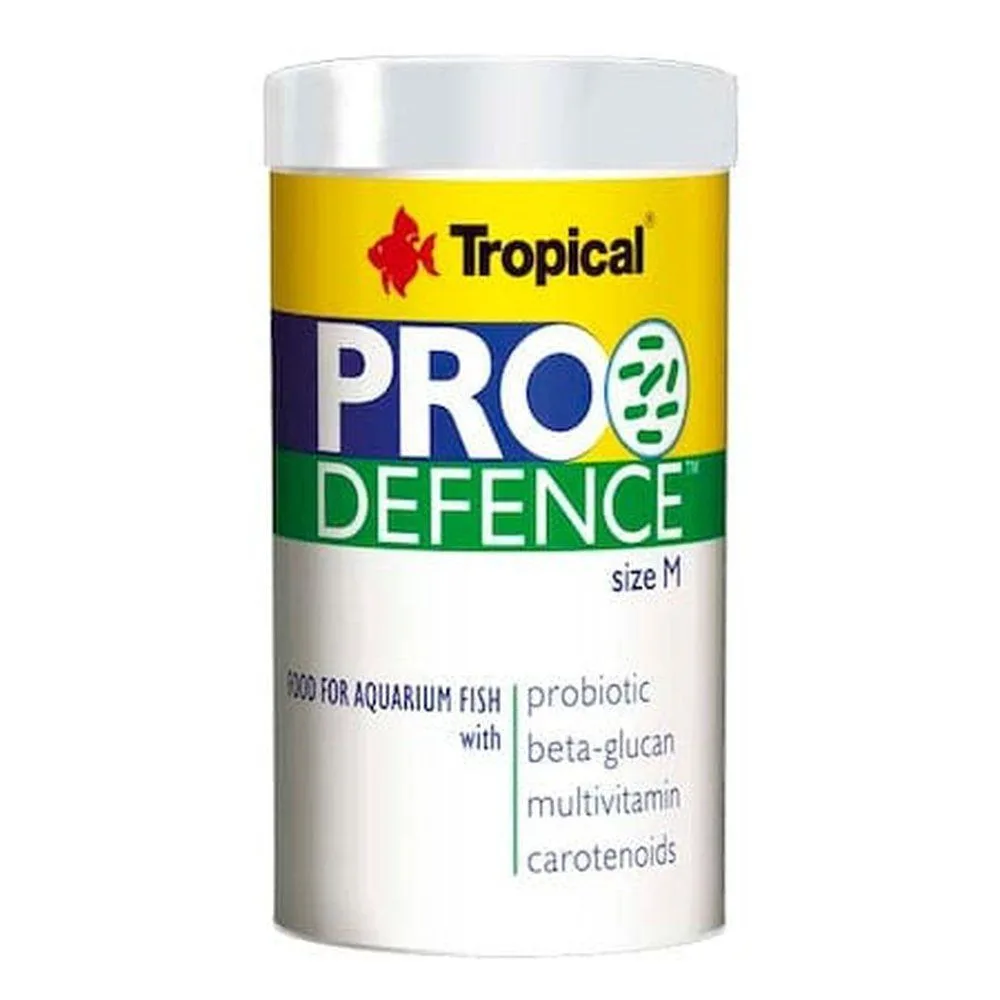
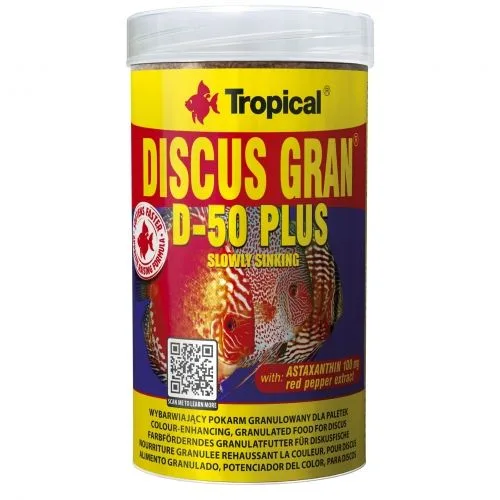
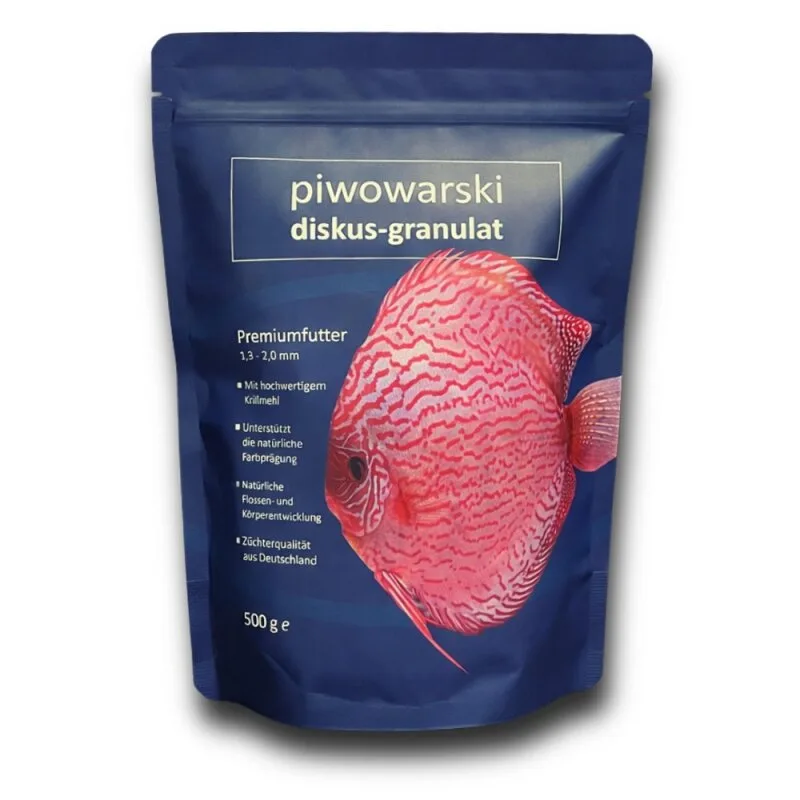

Recommendations are selected from the discus.ro shop based on this guide's topic. Availability and prices may vary.
Frequently asked questions
Put what you just read into practice
One account brings together everything you need to keep your tank on track:
Water parameters, inhabitants, photos and the full history of every change — our most used tool.
Water changes, cleaning and feeding, on your own dates.
See at a glance which values fall outside the safe discus range.
The guides, products and listings you follow, saved in one place.